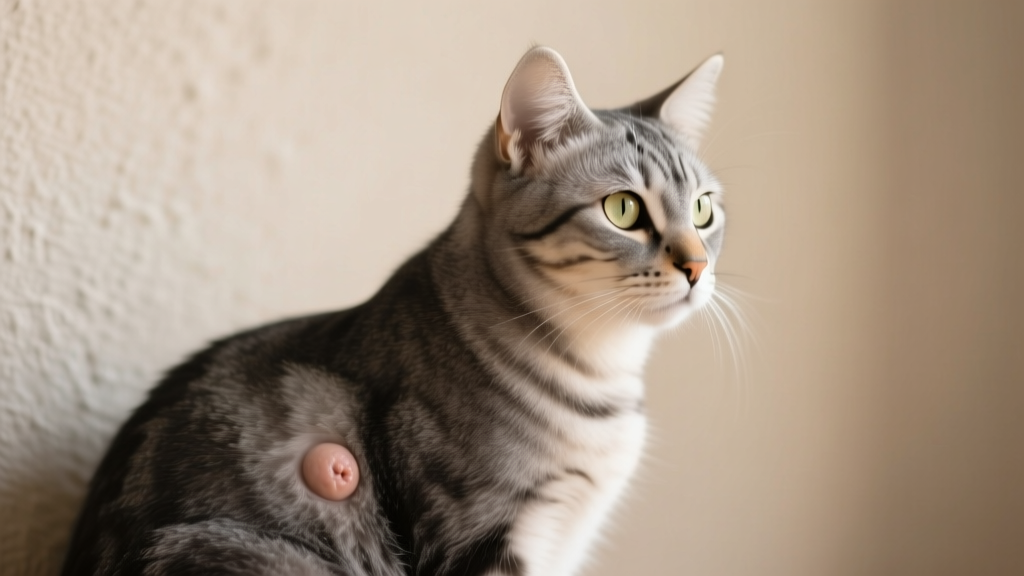
Cat Dermoid Cyst: Congenital Skin Growth Defect
1. Introduction: Why this topic matters for cat owners
Finding a new lump, bump, or odd patch of skin on your cat can be unsettling. Most cat owners immediately worry about infection or cancer, and it’s always wise to take any new growth seriously. One lesser-known cause of a strange-looking skin “lump” is a dermoid cyst, a congenital (present from birth) skin growth defect. Dermoid cysts are typically benign, but they can cause irritation, recurrent infections, and discomfort depending on where they form.
Understanding what a dermoid cyst is—and what it isn’t—helps you know what to watch for, when to book a veterinary visit, and what treatment options are available. With appropriate care, most cats do very well.
2. Overview: What is a dermoid cyst in cats?
A dermoid cyst is an abnormal pocket or mass of tissue that forms when skin structures end up in the wrong place during fetal development. Think of it as a “misplaced” bit of skin that gets trapped under the surface or in an unusual location. Because it contains skin-type tissue, a dermoid cyst may include:
- Hair follicles (sometimes actual hairs are present within the cyst)
- Skin glands (like sebaceous glands that produce oils)
- Keratin (a protein found in skin, hair, and nails)
Dermoid cysts are usually non-cancerous. They may appear as a small, firm lump under the skin, or they may look like a tiny “dimple,” pore, or tract that can drain. Some are superficial and easy to see; others sit deeper and are discovered when they become inflamed or infected.
Common locations can include the head/neck region and along the midline of the body (because of how tissues fuse during development). They can also occur near the eye or eyelid area in some cases. While dermoid cysts are considered uncommon in cats, they do occur and can be mistaken for abscesses, tumors, or chronic skin infections.
3. Symptoms and warning signs to watch for
Some dermoid cysts are found incidentally and never cause noticeable issues. Others repeatedly flare up. Keep an eye out for:
- A small lump or bump under the skin that feels firm or rubbery
- A “pore,” dimple, or tiny opening on the skin surface
- Intermittent discharge (clear, oily, thick, or pus-like fluid)
- Crusting or scabbing that keeps coming back in the same spot
- Redness, swelling, or warmth around the area (suggests inflammation or infection)
- Hair loss over the lump or a small area of abnormal hair growth
- Bad odor from the site (often associated with infection)
- Itching, licking, or sensitivity when touched
Practical at-home tip: If you find a suspicious lump, take a clear photo and note its location and approximate size (use a coin or ruler for scale). Track any changes weekly. This gives your veterinarian helpful context.
4. Causes and risk factors
Dermoid cysts are congenital, meaning they form before birth due to a developmental “misplacement” of skin tissues. They are not caused by poor hygiene, diet, parasites, or something you did as an owner.
Factors commonly discussed include:
- Developmental anomalies during fetal growth (primary cause)
- Breed/genetic predisposition may play a role in some species and lines, but in cats it’s not as clearly defined as in certain dog breeds
- Location-based irritation: Cysts in high-motion or grooming-prone areas may be more likely to become inflamed or infected
Dermoid cysts can be noticed in young cats, but some are small and don’t become obvious until later—often when the cyst becomes infected or starts draining.
5. Diagnosis: What to expect at the vet
Because many different conditions can look like a dermoid cyst, a veterinary exam is the safest path. Your vet will focus on identifying what the mass is and whether it’s infected or connected to deeper tissues.
Typical diagnostic steps include:
- Physical exam and history
- How long it’s been present
- Whether it changes size
- If it drains, crusts, or smells
- Whether your cat is licking or painful
- Fine-needle aspirate (FNA)
- A small needle collects cells/fluid for microscopic evaluation
- May reveal keratin debris, oily material, inflammatory cells, or infection
- Not always definitive for dermoid cysts, but very useful to rule out other issues
- Cytology and culture (if draining/infected)
- Microscopic exam of discharge
- Bacterial culture helps choose the right antibiotic if infection is present
- Imaging (sometimes)
- Ultrasound can help define the cyst’s borders and depth
- CT/MRI is rarely needed but may be recommended if the cyst is near sensitive structures (like around the eye) or if deeper tracts are suspected
- Biopsy or surgical removal with histopathology
- This is the most definitive way to confirm a dermoid cyst
- The lab examines tissue to identify skin structures where they don’t belong
What owners can do right away: Avoid squeezing, popping, or trying to “drain” the lump at home. This can introduce bacteria and worsen inflammation, and it may complicate future surgery.
6. Treatment options (medical, surgical, home care)
Surgical treatment (often the best long-term fix)
Surgical removal is commonly recommended when a dermoid cyst causes recurring problems (infection, drainage, irritation), grows, or is located in a place that interferes with comfort or function. The goal is to remove the entire cyst lining and any associated tract. If part of the cyst remains, it may recur.
- Pros: Usually curative; reduces repeated infections and vet visits
- Considerations: Requires anesthesia; complexity depends on size and location
Medical management (when infection or inflammation is present)
If the cyst is infected or very inflamed, your veterinarian may recommend stabilizing it before surgery or managing mild cases conservatively:
- Antibiotics if bacterial infection is confirmed or strongly suspected
- Pain relief/anti-inflammatory medications as prescribed
- Warm compresses may be suggested to encourage comfort and gentle drainage (only if your vet approves)
Medical therapy alone often helps with a flare-up, but it typically doesn’t remove the underlying cyst structure. That’s why issues may return.
Home care after treatment or surgery
Your veterinarian will provide a specific plan based on your cat’s situation, but common home-care steps include:
- E-collar or recovery collar to prevent licking/chewing the incision
- Keep the area clean and dry (follow your vet’s instructions—don’t apply ointments unless prescribed)
- Give all medications exactly as directed, even if the site looks better
- Limit high activity until cleared, especially if the cyst was large or in a high-motion area
- Monitor daily for redness, swelling, discharge, or gaps in the incision
7. Prevention strategies and early detection tips
Because dermoid cysts are congenital, you can’t prevent them from forming. What you can do is reduce complications and catch problems early.
Actionable tips for cat owners:
- Do monthly “hands-on” checks: Gently feel along your cat’s neck, back, legs, and belly during calm cuddle time.
- Watch for repeat trouble spots: A scab or draining spot that keeps returning in the same location deserves a vet visit.
- Address licking early: Persistent licking can trigger inflammation or infection. If your cat fixates on one area, schedule an exam.
- Keep follow-up appointments: If your vet recommends rechecks or surgery after an infection clears, staying on schedule helps prevent recurrence.
- Ask about histopathology: When a lump is removed, lab testing confirms the diagnosis and rules out less benign conditions.
8. Prognosis and quality of life considerations
The outlook for cats with dermoid cysts is generally excellent, especially when the cyst can be fully removed. Many cats return to normal life quickly after healing from surgery.
Quality of life factors depend on:
- Location (near the eye, ear, or joints may be more sensitive)
- Presence of a sinus tract (a channel to the skin surface can lead to repeated drainage/infection)
- Frequency of infections (recurrent flare-ups can be uncomfortable and frustrating)
If surgery isn’t pursued right away (for cost, medical reasons, or location complexity), many cats can still do well with careful monitoring and prompt treatment of infections. Your veterinarian can help you weigh the pros and cons based on your cat’s age, health status, and the cyst’s behavior.
9. When to seek emergency veterinary care
A dermoid cyst is rarely an immediate emergency by itself, but complications can become urgent. Seek prompt veterinary attention (same day or emergency) if you notice:
- Rapid swelling of the lump, especially if painful
- Significant bleeding or a wound that won’t stop oozing
- Thick pus, foul odor, or spreading redness suggesting a serious infection
- Fever, lethargy, hiding, or not eating
- Signs of severe pain (crying out, aggression when touched, unwilling to move)
- Location-related concerns: swelling near the eye with squinting, eye discharge, or the eye appearing irritated
If you’re unsure whether it’s urgent, call your veterinary clinic. Describe the location, size, whether it’s draining, and any behavior changes.
10. FAQ: Common questions about dermoid cysts in cats
Are dermoid cysts cancerous?
Dermoid cysts are typically benign (non-cancerous). That said, other growths can look similar, so a veterinary exam—and often testing—matters for accurate diagnosis.
Can I pop or drain my cat’s cyst at home?
No. Squeezing or puncturing a lump can push bacteria deeper, worsen inflammation, and make surgical removal more complicated. If the area is draining, keep your cat from licking it and see your veterinarian.
Will antibiotics cure a dermoid cyst?
Antibiotics can treat a secondary infection, but they usually don’t eliminate the cyst itself. If the cyst lining remains, the problem may come back. Surgical removal is often the definitive treatment when a cyst is repeatedly infected or bothersome.
How do vets confirm it’s a dermoid cyst?
A strong suspicion can come from the exam and testing like FNA/cytology, but the most definitive confirmation is usually histopathology (lab analysis) after biopsy or surgical removal.
Is surgery risky for my cat?
Any anesthesia carries some risk, but veterinarians reduce that risk with pre-anesthetic exams, bloodwork when indicated, careful monitoring, and tailored drug choices. Your vet will discuss your cat’s specific risks based on age, health, and the cyst’s location.
Can a dermoid cyst come back after removal?
If the entire cyst and its lining (and any tract) are removed, recurrence is uncommon. If a portion is left behind, it can regrow. Following your vet’s surgical and recheck recommendations helps catch issues early.
If you’ve found a suspicious lump or a recurring scab/draining spot on your cat, scheduling a veterinary visit is the safest next step. Early evaluation often means simpler treatment and faster relief for your cat.
For more trusted cat health guidance, wellness tips, and owner-friendly explanations, visit catloversbase.com.