Cat Diaphragmatic Eventration: Partial Muscle Absence
1. Why this topic matters to cat owners
If your cat ever seems short of breath, less active, or uncomfortable after meals, it can be worrying—and for good reason. Breathing changes can be caused by many conditions, ranging from mild to serious. One lesser-known issue is diaphragmatic eventration, a problem involving the muscle that helps your cat breathe. While it’s not the most common diagnosis, understanding it can help you recognize early warning signs, ask the right questions at the vet, and make informed choices about treatment and long-term care.
Many cats with diaphragmatic eventration can do well—especially when the condition is identified and managed appropriately. The key is knowing what to watch for and when to seek veterinary help.
2. Overview: what is diaphragmatic eventration?
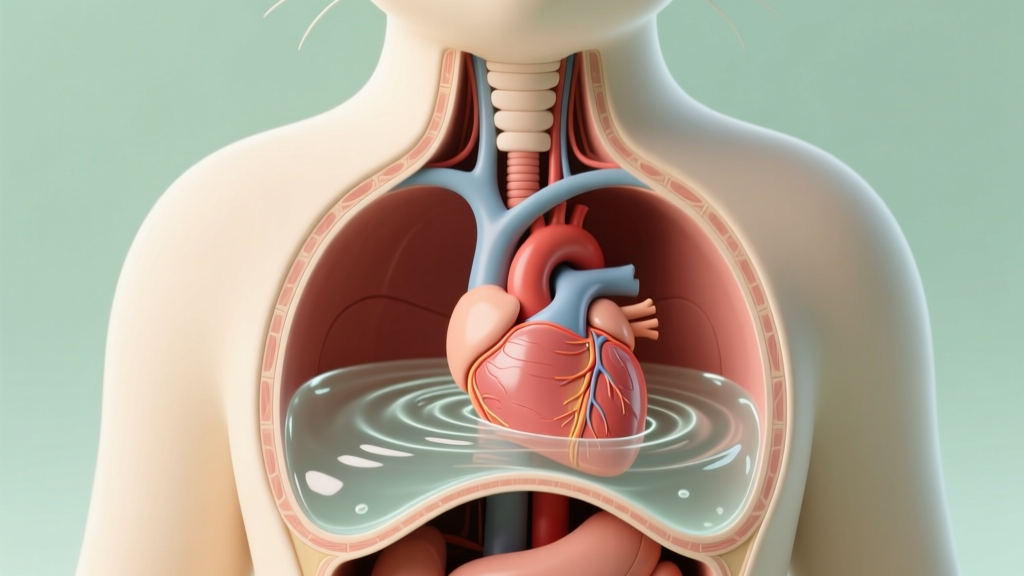
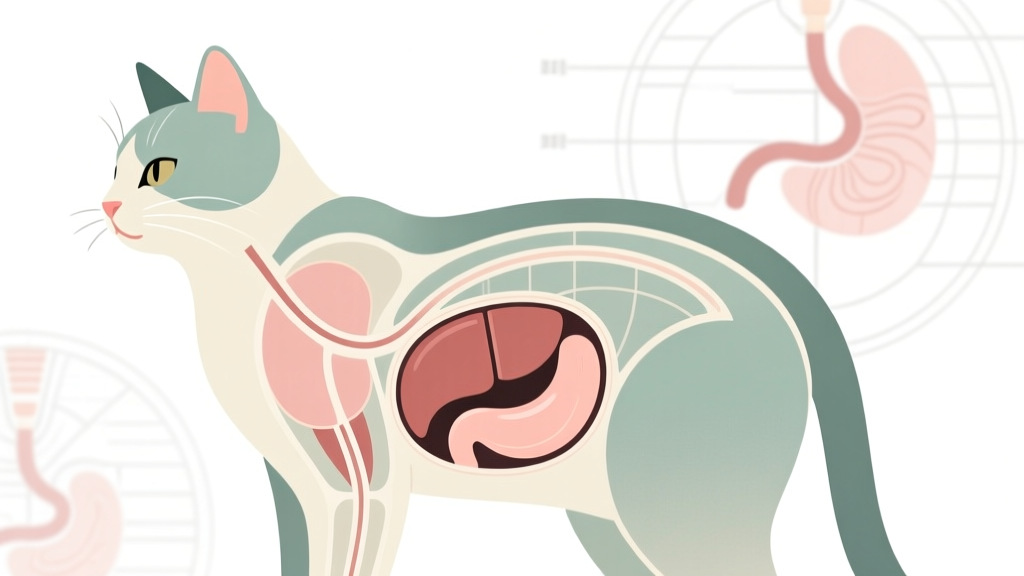
The diaphragm is a dome-shaped sheet of muscle that separates the chest cavity (heart and lungs) from the abdomen (stomach, liver, intestines). Every time your cat inhales, the diaphragm contracts and moves downward, creating space for the lungs to expand. When your cat exhales, the diaphragm relaxes and moves upward.
Diaphragmatic eventration happens when part of the diaphragm is abnormally thin, weak, or partially absent (sometimes described as “partial muscle absence”). Instead of being a strong muscle, a section may be more like a stretched membrane. This weak area can bulge upward into the chest cavity.
It helps to compare eventration with a different condition you may have heard of:
- Diaphragmatic hernia: there is a tear or hole, and abdominal organs can slip into the chest.
- Diaphragmatic eventration: the diaphragm remains intact (no true hole), but part of it is weak and displaced, which can still reduce lung space.
Because the diaphragm is involved in breathing, eventration can affect how well the lungs expand. Some cats have mild changes and minimal symptoms; others may struggle more, especially during stress, exercise, or illness.
3. Symptoms and warning signs to watch for
Signs can vary widely depending on how large the weakened area is and whether other problems (like airway disease or heart disease) are also present. Some cats are diagnosed incidentally during X-rays for another reason.
Common signs cat owners may notice:
- Fast breathing rate (tachypnea), especially at rest
- Increased effort to breathe (belly moving more than usual, visible chest effort)
- Exercise intolerance—your cat tires quickly during play
- Reduced appetite or discomfort after meals (a fuller abdomen can push upward against the diaphragm)
- Lethargy or decreased interest in activity
- Coughing is less common in cats than dogs, but may occur if there are concurrent airway issues
- Recurring respiratory flare-ups when stressed, overheated, or during infections
More concerning signs that require prompt veterinary attention:
- Open-mouth breathing (in cats, this is never “normal panting” unless there was very intense stress or heat—and even then should be treated seriously)
- Blue or gray gums/tongue
- Collapse or extreme weakness
- Breathing that looks labored even when your cat is resting
Practical tip you can do today: Count your cat’s resting respiratory rate when they are asleep or calmly resting. Count breaths for 30 seconds and multiply by 2. Many healthy resting cats are around 16–30 breaths per minute, but individual variation exists. If your cat is consistently above the low 30s at rest or trending upward over days, schedule a veterinary visit.
4. Causes and risk factors
Diaphragmatic eventration is most often considered congenital, meaning a cat is born with it due to incomplete muscle development in a portion of the diaphragm. It may not cause obvious problems until later—especially if the cat gains weight, develops another respiratory condition, or encounters a stressful event that increases oxygen demand.
Possible causes and contributing factors include:
- Congenital developmental defect (most common)
- Trauma is typically associated with diaphragmatic hernias rather than true eventration, but previous injuries can complicate the picture and imaging interpretation
- Concurrent respiratory disease (asthma, infections) that makes breathing more difficult
- Obesity, which can reduce chest expansion and increase abdominal pressure on the diaphragm
- Stress and heat, which increase breathing demand
Eventration is not something you cause as an owner. Your role is recognizing symptoms early and supporting your cat’s breathing comfort and overall health.
5. Diagnosis: what to expect at the vet
If your veterinarian suspects a diaphragm abnormality, they will focus on stabilizing breathing first (if needed) and then determine the underlying cause.
Typical diagnostic steps:
- Full history and physical exam
- Your vet will ask about breathing patterns, exercise tolerance, appetite, recent stress, and any trauma history.
- They will listen to the chest with a stethoscope for lung sounds and heart murmurs.
- Chest X-rays (radiographs)
- This is often the first major test. It may show an abnormally elevated or “domed” area of the diaphragm and reduced lung space.
- It helps distinguish eventration from other issues, though some cases need additional imaging for clarity.
- Ultrasound
- Can help evaluate diaphragm motion and check for organ displacement.
- CT scan (in select cases)
- Provides detailed anatomy and is especially helpful before surgery or if X-rays are inconclusive.
- Bloodwork
- Not diagnostic for eventration itself, but useful to assess overall health and anesthesia readiness, and to rule out infection or metabolic problems.
What the visit may look like if your cat is struggling to breathe: Your vet may recommend oxygen support right away and may delay some tests until your cat is stable. This is normal and appropriate. For cats in respiratory distress, minimizing stress is critical—quiet handling and oxygen can make a real difference.
6. Treatment options (medical, surgical, and home care)
Treatment depends on symptom severity, how much lung space is affected, and whether other conditions are present.
Medical management
Medical care may be appropriate for cats with mild symptoms or those who are not ideal surgical candidates.
- Oxygen therapy during flare-ups
- Stress reduction and calm handling to prevent breathing crises
- Weight management if overweight, to reduce pressure on the diaphragm
- Treating concurrent problems (for example, feline asthma medications if diagnosed)
- Activity modification if exertion triggers symptoms
There is no medication that “regrows” missing diaphragm muscle, but supportive care can significantly improve comfort.
Surgical treatment
Surgery may be recommended when symptoms are significant, progressive, or when imaging suggests a large eventration that limits breathing.
Goal of surgery: tighten/repair the affected diaphragm area to restore a more normal position and improve lung expansion. Your veterinarian may refer you to a board-certified veterinary surgeon, depending on complexity and local resources.
What owners should know:
- Surgery requires general anesthesia, so pre-anesthetic testing is important.
- Post-operative monitoring focuses on breathing comfort, pain control, and preventing complications.
- Many cats improve after successful surgical correction, but the expected outcome depends on overall health and any concurrent disease.
Home care and daily support
Whether your cat is managed medically or surgically, home care helps reduce flare-ups and supports long-term quality of life.
- Keep a calm environment: avoid sudden stressors, loud noises, and chaotic handling.
- Maintain a healthy body condition: ask your vet for a calorie target and safe weight-loss plan if needed.
- Use low-dust litter and avoid strong fragrances (especially if asthma or airway sensitivity is possible).
- Serve smaller, more frequent meals if your cat seems uncomfortable after eating.
- Track breathing at home: write down resting respiratory rate a few times per week, plus any triggers or symptoms.
- Give medications exactly as prescribed and never use human respiratory drugs unless your veterinarian directs you.
7. Prevention strategies and early detection tips
Because diaphragmatic eventration is often congenital, you can’t always prevent it from developing. You can, however, reduce risk of complications and catch problems earlier.
Practical steps for owners:
- Schedule routine wellness exams (at least yearly for adult cats; more often for seniors or cats with chronic conditions).
- Monitor resting breathing rate monthly, and more frequently if your cat has had any respiratory signs.
- Prevent obesity with measured meals and daily play in short, gentle sessions.
- Reduce respiratory irritants: avoid smoke, aerosols, essential oil diffusers, and dusty environments.
- Address coughing/wheezing early: don’t assume it’s “just a hairball” if it repeats.
- Seek veterinary care after trauma (falls, car accidents, bite wounds), even if your cat seems okay—internal injuries can be subtle at first.
8. Prognosis and quality of life considerations
The outlook for a cat with diaphragmatic eventration varies. Many cats with mild eventration live normal lives with minimal intervention. Cats with more severe displacement may need surgery or ongoing management.
Factors that influence prognosis:
- Severity and extent of the diaphragm weakness
- Presence of concurrent disease (asthma, heart disease, recurrent infections)
- Body condition and overall fitness
- Access to timely veterinary care and appropriate monitoring
Quality of life can be excellent when breathing is stable. Your goal at home is to help your cat avoid respiratory stress and to notice changes early. If your cat has surgery, your veterinarian will guide you through recovery, including activity restriction and follow-up imaging if recommended.
9. When to seek emergency veterinary care
Breathing problems can become urgent quickly in cats. Contact an emergency veterinarian immediately if you notice any of the following:
- Open-mouth breathing or panting that doesn’t quickly resolve
- Labored breathing (exaggerated chest/abdominal movement, flared nostrils)
- Breathing rate consistently very high at rest (for many cats, 40+ breaths/min at rest is concerning—call your vet for guidance)
- Blue, gray, or very pale gums
- Collapse, extreme weakness, or inability to stand
- Sudden worsening after stress, heat, or a known injury
What to do on the way to the vet: Keep your cat in a carrier, minimize handling, keep the car quiet and cool, and avoid forcing your cat into positions that seem uncomfortable. Call ahead so the clinic can be ready with oxygen support.
10. FAQ: common questions from cat owners
Is diaphragmatic eventration the same as a diaphragmatic hernia?
No. In eventration, the diaphragm is usually intact but thinned or weakened and abnormally elevated. In a hernia, there is a tear or hole that allows abdominal organs to move into the chest. Both can affect breathing and may look similar on initial imaging, which is why veterinary evaluation is essential.
Can a cat be born with partial diaphragm muscle absence and seem fine for years?
Yes. Mild cases may not cause noticeable symptoms until later. Changes in weight, aging, decreased fitness, or a new respiratory condition can make a previously “silent” issue more apparent.
Will my cat need surgery?
Not always. Cats with mild signs may do well with monitoring and supportive care. Surgery is more likely if your cat has significant breathing limitation, repeated episodes of distress, or imaging shows a severe eventration affecting lung expansion. Your veterinarian will weigh the benefits and risks for your individual cat.
How can I tell if my cat’s breathing is abnormal at home?
Check the resting respiratory rate when your cat is asleep or calm. Watch the chest rise and fall—one rise and one fall equals one breath. Consistently elevated rates, increasing trends, or any visible effort to breathe should be discussed with your veterinarian.
Can stress make symptoms worse?
Yes. Stress increases oxygen demand and breathing rate, which can unmask or worsen respiratory limitations. Keeping routines consistent, using calm handling, and minimizing triggers can help. If your cat is anxious, ask your veterinarian about safe calming strategies.
What should I do if I suspect my cat has this condition?
Schedule a veterinary appointment for an exam and chest imaging. Avoid intense play until your cat is evaluated, keep your home environment cool and calm, and track resting respiratory rate to share with your vet. If your cat shows open-mouth breathing or labored breathing, seek emergency care immediately.
If you’re worried about your cat’s breathing, appetite, or energy level, your veterinarian is the best partner for diagnosis and a tailored treatment plan. For more easy-to-understand cat health guides and supportive care tips, visit catloversbase.com.