Feline Thymoma: Chest Cavity Tumor and Myasthenia Link
1) Why this topic matters to cat owners
Most cat owners are alert to common issues like vomiting, dental disease, or hairballs. A tumor in the chest can feel less “on your radar,” yet it can quietly affect breathing, energy levels, and even muscle strength. Thymoma is one of those conditions: uncommon, but very real—and often treatable when caught early. What makes thymoma especially worth understanding is its relationship to immune system problems and a neuromuscular condition called myasthenia gravis, which can cause sudden weakness or collapse.
This article explains thymoma in plain language, the warning signs you can watch for at home, what your veterinarian may recommend, and how to support your cat through diagnosis and treatment. If you ever suspect your cat is struggling to breathe or is suddenly too weak to stand, don’t wait—contact a veterinarian right away.
2) Overview: What is a thymoma (and where is the thymus)?
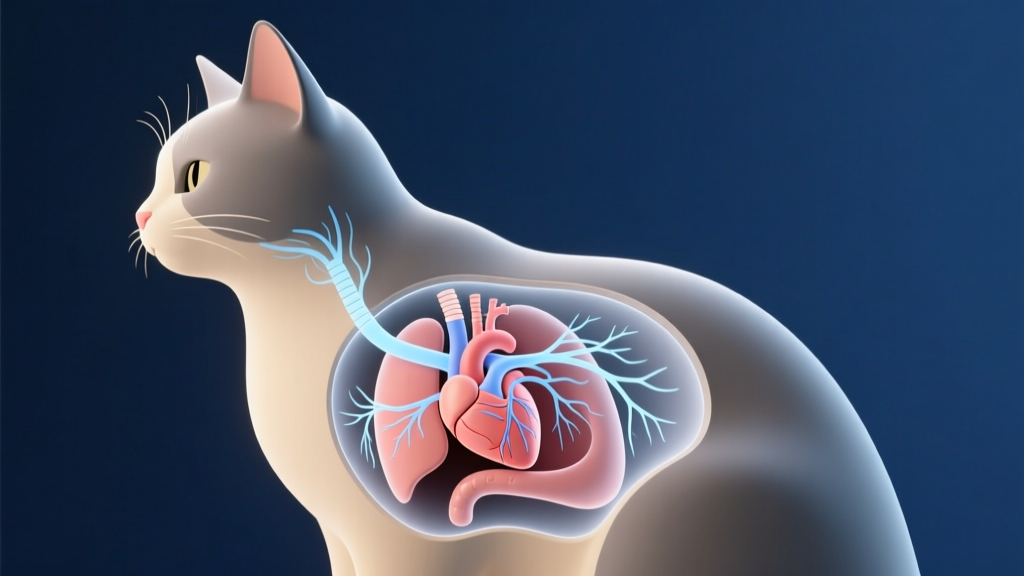
The thymus is a small organ that sits in the front part of the chest cavity, between the lungs (the cranial mediastinum). In kittens and young cats, the thymus helps “train” the immune system—especially certain white blood cells called T cells. As cats mature, the thymus naturally becomes smaller.
A thymoma is a tumor that arises from the tissue of the thymus. In cats, thymomas tend to be:
- Slow-growing compared with many cancers
- Locally invasive at times (pressing on nearby structures)
- Associated with immune-mediated conditions in some cats
How thymoma affects the body
- Mass effect (pressure): The tumor can press on the lungs, heart, major blood vessels, or airway. This may lead to breathing trouble or fluid buildup.
- Pleural effusion: Fluid can accumulate in the space around the lungs, making it hard for the lungs to expand.
- Paraneoplastic syndromes: Some tumors trigger effects elsewhere in the body. With thymoma, the most talked-about link is myasthenia gravis, a condition that disrupts communication between nerves and muscles.
The thymoma–myasthenia gravis link
Myasthenia gravis (MG) is usually caused by antibodies that interfere with receptors at the neuromuscular junction (where nerves signal muscles to contract). When these receptors are blocked or destroyed, muscles fatigue quickly and become weak. Thymoma can be associated with MG because the thymus is involved in immune regulation, and thymic tumors can contribute to abnormal immune signaling.
3) Symptoms and warning signs to watch for
Thymoma signs can be subtle at first. Some cats compensate until the tumor or fluid buildup becomes significant. Call your veterinarian if you notice any of the following—especially if they’re new, progressive, or happening together.
Breathing-related signs (common with chest masses)
- Fast breathing at rest
- Increased effort to breathe (belly moving more than usual)
- Open-mouth breathing (an emergency in cats)
- Reluctance to lie down or preference for sitting upright
- Coughing (less common in cats than in dogs, but possible)
General or “not quite right” signs
- Lethargy or reduced playfulness
- Decreased appetite
- Weight loss
- Hiding more or seeming uncomfortable
Signs that may suggest myasthenia gravis
- Exercise-induced weakness (seems fine at first, then suddenly fatigues)
- Wobbliness, stumbling, or collapse
- Weak neck or trouble holding the head up
- Voice changes (less common, but possible)
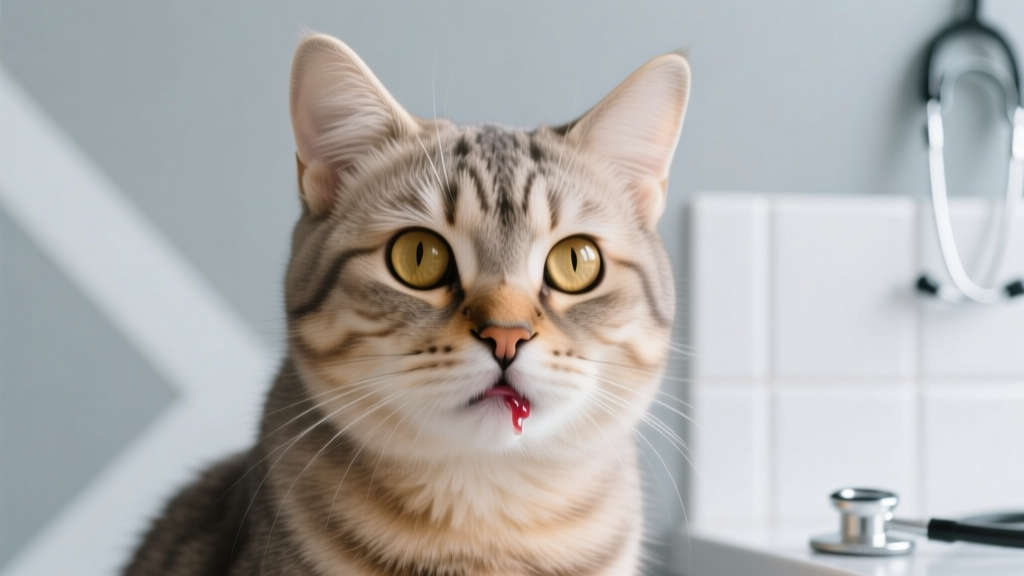
- Difficulty swallowing, gagging, or drooling
At-home tip you can do today: When your cat is asleep or calmly resting, count their breaths for 30 seconds and multiply by 2. Many relaxed cats fall around 20–30 breaths per minute. Consistently higher rates—especially with effort—warrant a veterinary call. If your cat is breathing with obvious effort or open-mouth breathing, seek emergency care.
4) Causes and risk factors
In most cases, the exact cause of thymoma isn’t known. It’s not something you could have prevented by diet, supplements, or routine home care.
Known or suspected risk factors
- Age: Thymoma is more often diagnosed in middle-aged to older cats.
- Immune system involvement: Some cats develop immune-mediated conditions alongside thymoma.
- Individual predisposition: A clear breed predisposition is not firmly established, but any cat can be affected.
Thymoma is not considered contagious, and it is not something your cat “caught” from another pet.
5) Diagnosis: What to expect at the vet
Because thymoma sits in the chest, diagnosis usually involves imaging and, often, sampling. Your veterinarian’s first priority is stabilizing breathing if your cat is in distress.
Common diagnostic steps
- Physical exam: Listening for muffled heart/lung sounds (possible fluid), checking gum color, hydration, and overall stability.
- Chest X-rays (radiographs): Can show a chest mass, fluid around the lungs, or lung compression.
- Ultrasound (thoracic ultrasound): Helpful to evaluate the mass and detect fluid; can guide safe sampling.
- CT scan: Often the best tool to define the tumor’s size, exact location, and surgical planning. It can also help assess invasion into nearby tissues.
- Thoracocentesis: If pleural effusion is present, the vet may remove fluid with a needle to help your cat breathe and to analyze the fluid.
- Bloodwork: Checks organ function, anemia/inflammation, and overall anesthetic/surgical readiness.
Confirming thymoma vs. other conditions
A mass in the cranial chest can also be caused by other diseases such as lymphoma, abscess, or other tumor types. To differentiate thymoma, your veterinarian may recommend:
- Fine needle aspirate (FNA): A small sample collected with a needle. Sometimes helpful, but thymomas can be tricky to interpret.
- Biopsy: A larger tissue sample that may be needed for a definitive diagnosis.
- Myasthenia gravis testing: Blood testing for acetylcholine receptor (AChR) antibodies is commonly used when MG is suspected.
Practical planning tip: Bring a short video of any weakness episodes, wobbly walking, or breathing changes. Cats often act “normal” at the clinic, and videos can help your vet see what you’re seeing at home.
6) Treatment options (medical, surgical, home care)
Treatment depends on your cat’s stability, tumor size and location, presence of fluid, and whether myasthenia gravis or other immune issues are involved. Your veterinarian may coordinate care with a surgical specialist and/or veterinary oncologist.
Surgical removal (often the main treatment)
Surgery to remove the thymoma (often via a chest surgery approach) is frequently recommended when the tumor appears resectable and the cat is a good anesthesia candidate. Potential benefits include:
- Relief from pressure on lungs and nearby structures
- Reduced likelihood of fluid re-accumulation
- Possible improvement in paraneoplastic signs, including MG in some cases
Surgery planning commonly involves CT imaging. If pleural fluid is present, stabilizing breathing first is essential.
Medical management and supportive care
- Thoracocentesis: Removing chest fluid can provide immediate breathing relief. Some cats need repeated drainage until the underlying cause is controlled.
- Oxygen therapy: Used if your cat is struggling to breathe.
- Pain control: Particularly around diagnostic procedures or after surgery, using vet-prescribed medications safe for cats.
- Treating myasthenia gravis: Many cats with MG are treated with medications that improve neuromuscular signaling (often an anticholinesterase medication) and, in select cases, immunosuppressive therapy. The exact plan should be tailored carefully by a veterinarian because MG cats can be vulnerable to aspiration (inhaling food or fluid).
- Managing aspiration risk: If your cat has trouble swallowing, your vet may recommend diet texture changes, elevated feeding, smaller meals, or other strategies.
Radiation and chemotherapy
Depending on tumor type, completeness of surgical removal, and specialist recommendations, radiation therapy may be considered, particularly if the tumor can’t be fully removed or if it recurs. Chemotherapy is not always a primary option for thymoma, but your oncologist will guide you based on biopsy results and your cat’s overall health.
Home care you can start right away (alongside veterinary care)
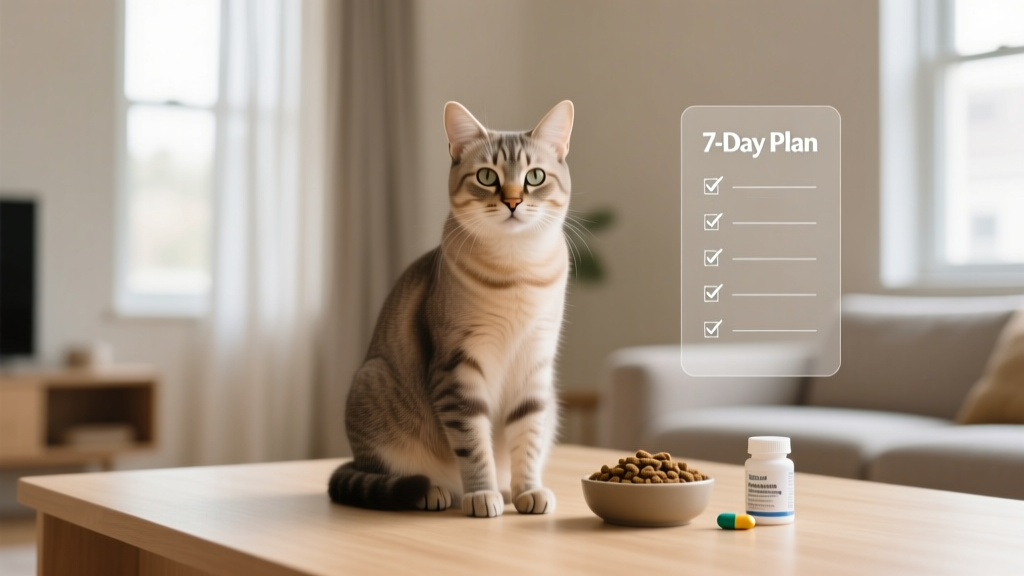
- Track resting respiratory rate daily for a week and keep a simple log.
- Reduce exertion: Encourage calm activity; avoid strenuous play until your vet clears it.
- Keep the environment cool and low-stress: Heat and stress can worsen breathing effort.
- Feed thoughtfully if weakness is present: Offer small, frequent meals; ask your vet if elevated bowls or softer foods are appropriate.
- Never give human medications (including pain relievers) unless specifically prescribed for your cat.
7) Prevention strategies and early detection tips
Because the cause of thymoma is usually unknown, there’s no guaranteed prevention. The best protection is early detection and rapid veterinary assessment when signs appear.
Early detection habits for cat owners
- Schedule routine wellness exams (at least annually; twice yearly for seniors).
- Weigh your cat monthly at home if possible. Unexplained weight loss deserves a vet visit.
- Notice subtle breathing changes: Resting respiratory rate creeping upward can be an early clue.
- Pay attention to exercise tolerance: A cat who suddenly can’t jump, plays briefly then flops, or seems weak needs evaluation.
- Address swallowing or regurgitation concerns quickly: Especially if weakness accompanies it.
If your cat has already been diagnosed with myasthenia gravis or an immune-mediated condition, ask your veterinarian whether chest imaging is appropriate.
8) Prognosis and quality of life considerations
The outlook for cats with thymoma varies widely and depends on factors such as tumor size, invasiveness, presence of pleural effusion, and whether myasthenia gravis or other complications exist.
What influences prognosis
- Resectability: Tumors that can be fully removed tend to have a better outcome.
- Overall health and age: Cats with strong baseline health often recover better from anesthesia and surgery.
- MG control: Cats with myasthenia gravis can do well with proper management, but they require careful monitoring for aspiration pneumonia and weakness episodes.
- Post-treatment monitoring: Follow-up imaging and exams help catch recurrence or complications early.
Quality of life is a central goal. Many cats feel significantly better once fluid is controlled and breathing is easier, and some return to comfortable routines after surgery and recovery. Your veterinary team can help you assess appetite, comfort, breathing, mobility, and engagement at home—practical markers that matter more than any single test result.
9) When to seek emergency veterinary care
Chest tumors and myasthenia gravis can create situations where waiting is risky. Seek emergency care immediately if you see:
- Open-mouth breathing or panting
- Severe breathing effort (heaving sides, extended neck, elbows held away from the body)
- Blue/pale gums or collapse
- Sudden inability to stand or profound weakness
- Repeated gagging/choking, drooling, or suspected aspiration (especially after eating/drinking)
- Extreme lethargy with fast breathing
If you’re on the way to the emergency clinic, keep your cat calm, minimize handling, and maintain a comfortable temperature in the car. Call ahead so the team is ready.
10) FAQ: Common questions cat owners ask
Is a thymoma always cancer?
Thymoma is a tumor of thymic tissue and is generally considered a type of cancer, but it often behaves in a more slow-growing, locally problematic way rather than spreading widely. The term “cancer” can be scary; what matters most is whether the tumor can be removed and whether complications (like fluid or MG) can be controlled. Your veterinarian can explain what the biopsy suggests about behavior and next steps.
Can my cat have myasthenia gravis without obvious breathing problems?
Yes. Some cats show mainly muscle weakness—like tiring quickly, collapsing after activity, or struggling to jump—without obvious breathing issues at first. Breathing emergencies can still occur, especially if aspiration pneumonia develops or if weakness affects swallowing. If you notice weakness episodes, schedule a veterinary exam promptly.
How is pleural effusion related to thymoma?
Pleural effusion is fluid that builds up around the lungs. A thymoma can contribute to fluid accumulation by irritating tissues, affecting lymphatic drainage, or causing inflammation. Removing the fluid helps your cat breathe and also provides a sample for analysis, which can help guide diagnosis.
What does treatment usually cost?
Costs vary widely by region and by what your cat needs (emergency stabilization, imaging like CT, surgery, hospitalization, pathology testing, MG medications, follow-up care). If finances are a concern, ask your veterinarian for a prioritized plan (what is urgent vs. optional) and discuss referral options, payment plans, or pet insurance coverage if applicable.
Can a cat live a normal life after thymoma treatment?
Many cats do very well, especially if the tumor can be removed and complications are managed. Recovery can take time, and some cats require ongoing monitoring or medication (particularly if MG is present). With good follow-up care and a calm home routine during recovery, quality of life can be excellent.
Should I restrict my cat’s activity if I suspect a chest mass or MG?
Yes—gentle restriction is reasonable until your veterinarian evaluates your cat. Avoid intense play and minimize stress. That said, don’t delay care: weakness or breathing changes are not problems to “watch for a few weeks.” Schedule an appointment as soon as you can, and seek emergency care if breathing is labored.
If you’re worried your cat may have breathing difficulty, unexplained weakness, or signs consistent with myasthenia gravis, contact your veterinarian promptly. Early assessment can make a major difference in comfort and outcomes.
For more cat health guides, symptom check tips, and caring support for cat owners, visit catloversbase.com.