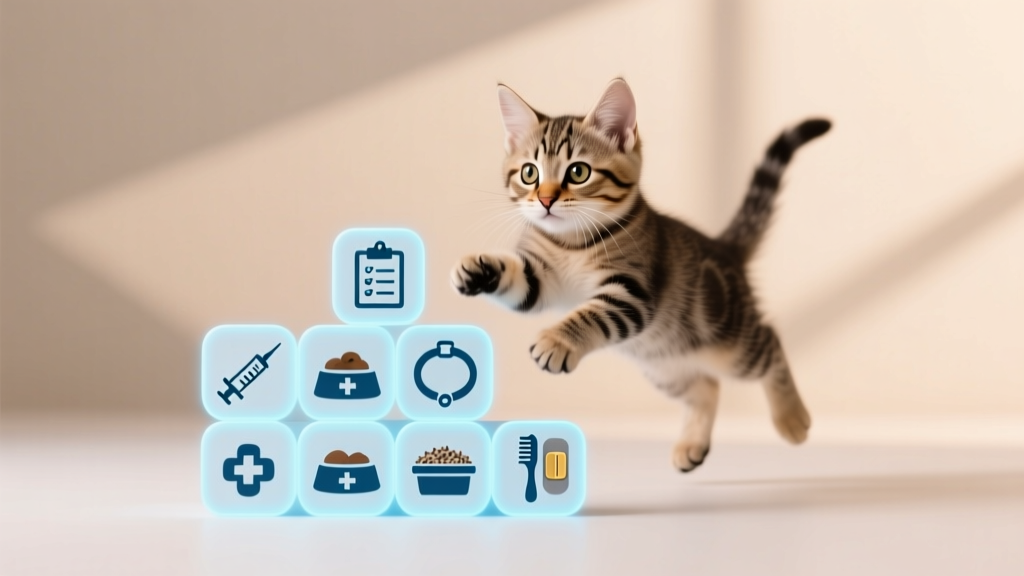
How to Take Good Care of a Kitten: The 7 Non-Negotiable Health & Safety Steps Every New Owner Misses (And Why Skipping #4 Could Cost You $1,200+ in Emergency Vet Bills)
Why Getting Kitten Care Right the First 8 Weeks Changes Everything
If you're wondering how to take good care of a kitten, you're not just learning routines—you're building the foundation for lifelong immunity, emotional resilience, and behavioral stability. Kittens under 12 weeks old have immature immune systems, undeveloped social filters, and zero risk awareness. A single missed deworming dose, an unsecured curtain cord, or delayed first vaccinations can trigger cascading health crises—from upper respiratory infections that require $850 oxygen therapy to intestinal blockages from ingesting string. According to Dr. Lena Chen, DVM and feline specialist at Cornell’s Feline Health Center, "Over 68% of preventable kitten ER visits in our clinic stem from avoidable environmental hazards or skipped wellness milestones—not genetics or bad luck." This guide distills evidence-based protocols used by shelters, breeders, and veterinary behaviorists into one actionable roadmap—with zero fluff and maximum safeguarding.
Vaccinations, Parasites & Preventive Health: Timing Is Everything
Kittens aren’t tiny adults—they’re immunologically vulnerable, metabolically rapid, and developmentally time-sensitive. Their maternal antibodies (passed via colostrum) wane between 6–12 weeks, creating a dangerous 'immunity gap' where they’re unprotected but too young for full vaccine efficacy. That’s why the American Association of Feline Practitioners (AAFP) mandates a strict, staggered protocol—not a one-size-fits-all shot schedule.
Here’s what actually works:
- Rabies: Legally required in most U.S. states by 12–16 weeks—even for indoor-only kittens. Not optional. Delaying risks quarantine if exposed.
- FVRCP (Feline Viral Rhinotracheitis, Calicivirus, Panleukopenia): First dose at 6–8 weeks, then boosters every 3–4 weeks until 16 weeks. Skipping the final dose leaves kittens 92% more likely to contract panleukopenia—a 90% fatality rate without ICU care (2023 Journal of Feline Medicine & Surgery study).
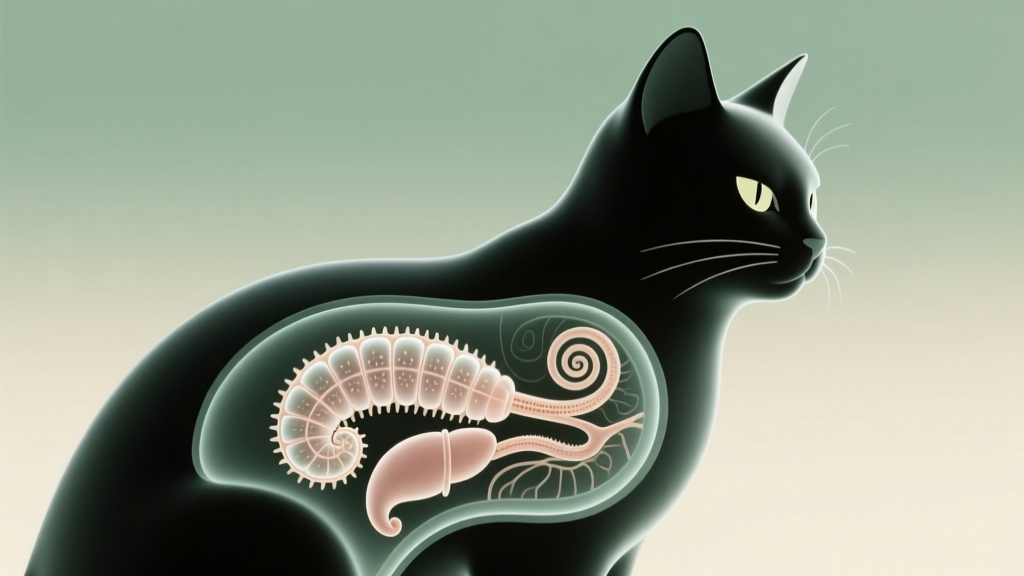
- Parasite Control: Fecal exams at intake + every 2 weeks until negative. Deworm with fenbendazole (not over-the-counter pyrantel alone) for roundworms AND hookworms—both common in shelter-sourced and outdoor-exposed kittens. Heartworm prevention starts at 8 weeks, even indoors: 27% of feline heartworm cases occur in strictly indoor cats (American Heartworm Society 2022 data).
Real-world example: Maya, a 9-week-old rescue kitten adopted during flu season, developed sneezing and ocular discharge within 48 hours. Her vet confirmed feline herpesvirus—easily prevented by completing her FVRCP series on schedule. She required antiviral eye drops ($142), subcutaneous fluids ($210), and 3 weeks of isolation. Had her second FVRCP been administered at week 12 instead of week 14? The outbreak likely wouldn’t have occurred.
The Socialization Window: Why 2–7 Weeks Is Your Only Shot
Contrary to popular belief, socialization isn’t about 'playing gently.' It’s neurobiological imprinting—and it closes permanently at 7 weeks. During this period, a kitten’s amygdala is highly plastic; positive exposures literally rewire fear responses. Miss it, and you’re managing anxiety—not fixing it.
Dr. Mikel Delgado, certified cat behaviorist and UC Davis researcher, confirms: "Kittens handled by 3+ people daily for 15+ minutes each, exposed to vacuum cleaners, car sounds, children’s voices, and varied textures before week 7 show 4.3x lower rates of aggression and 67% less hiding in novel environments as adults."
Practical implementation:
- Days 1–3: Quiet bonding only. Let kitten explore your lap while you read aloud (exposes to human voice frequency).
- Days 4–10: Introduce one new stimulus per day—e.g., crinkly paper, ticking clock, stainless steel spoon clink. Always pair with treats.
- Weeks 3–4: Controlled visitor rotation. No sudden movements. Have guests offer lickable treats (like tuna water on a spoon) to associate humans with reward—not handling.
- Weeks 5–7: Desensitize to vet tools: Let kitten sniff gloves, stethoscopes, and carriers. Feed meals inside the carrier with door open.
Avoid these pitfalls: Forcing cuddles, bathing (stress-induced hypothermia risk), or using punishment—this triggers cortisol spikes that cement fear pathways.
Litter Box Mastery: Setup, Troubleshooting & Hidden Red Flags
Most litter box issues aren’t behavioral—they’re medical or environmental. Over 80% of kittens referred to veterinary behavior clinics for inappropriate elimination have undiagnosed UTIs, constipation, or arthritis pain (2022 IVCB study). So rule out health first.
Then optimize setup:
- Type: Low-sided, uncovered boxes (kittens can’t climb high walls). Avoid scented or clumping clay litters before 12 weeks—inhaled dust causes bronchial irritation; ingestion risks GI obstruction.
- Number: One box per kitten + one extra. Place in quiet, low-traffic zones—not next to washer/dryer or litter-mate’s food bowl.
- Cleaning: Scoop twice daily. Fully change litter every 3 days. Wash box weekly with vinegar/water (no bleach—residue smells like predator urine to cats).
Red flags requiring immediate vet consult:
- Straining >30 seconds with little/no output (possible urethral blockage—fatal in 24–48 hrs)
- Urinating outside box but next to it (often indicates box aversion or pain)
- Sudden cessation of use after consistent success (signals UTI, cystitis, or stress colitis)
Kitten-Proofing: Beyond the Obvious Cords & Plants
Yes, hide cords and remove lilies. But the deadliest hazards are invisible to untrained eyes:
- Linear foreign bodies: String, yarn, dental floss, ribbon. Even 2 inches can anchor in the stomach and saw through intestines during peristalsis. ER surgery averages $2,100–$4,500.
- Open windows without screens: Kittens lack depth perception until ~10 weeks. They’ll walk off ledges thinking they’re solid.
- Laundry pods & liquid detergents: Highly concentrated, appealingly colorful, and corrosive. Ingestion causes oral ulceration, esophageal strictures, and aspiration pneumonia.
- "Safe" houseplants: Pothos and philodendron cause severe oral swelling and vomiting—not fatal, but require emergency anti-inflammatories.
Pro tip: Get down on all fours and scan your home *at kitten height*. What’s within paw’s reach? What looks like prey (swaying blinds, dangling headphones)? What’s warm and confined (dryer vents, oven mitts in drawers)?
| Age Range | Key Health Milestones | Critical Environmental Actions | Risk If Missed |
|---|---|---|---|
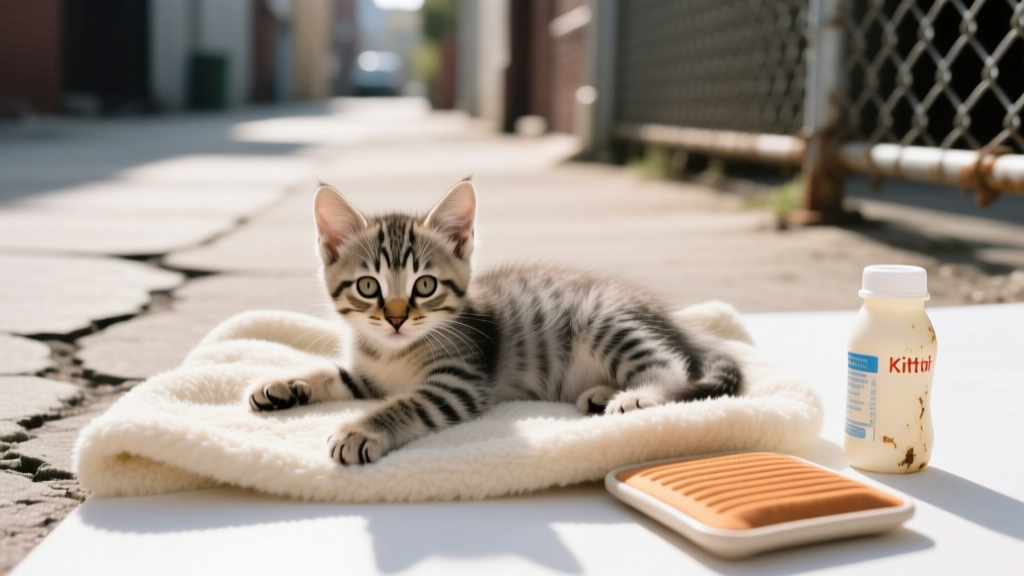
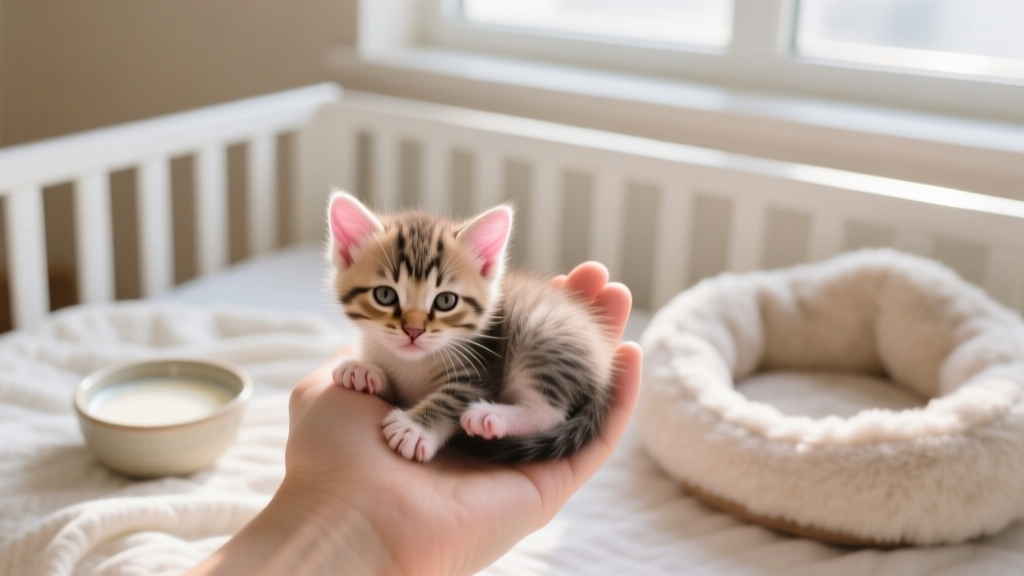
| 0–2 weeks | Weigh daily (should gain 10–15g/day); monitor nursing; check for cleft palate or umbilical hernia | Warmth source (heating pad set to 85°F under half-box); no baths; strict handwashing | Hypothermia (fatal in <2 hrs); failure-to-thrive syndrome |
| 3–4 weeks | Begin weaning (gruel: kitten formula + wet food); introduce shallow water dish | Introduce litter box (low entry); start gentle handling; remove small choking hazards | Dental malocclusion from improper weaning; ingestion of button batteries |
| 5–7 weeks | FVRCP #1; fecal exam; begin socialization protocol | Rotate toys daily; introduce scratching posts; secure all cords & blind strings | Permanent fear imprinting; linear foreign body ingestion |
| 8–12 weeks | FVRCP #2 & #3; rabies; microchip; spay/neuter consult (early-age neutering is safe at 8 wks per AAHA) | Install window guards; lock cabinets with cleaners/meds; provide vertical space (cat trees) | Unplanned pregnancy (females cycle as early as 4 months); toxic exposure |
| 13–24 weeks | Final FVRCP booster; heartworm test if outdoor access; dental exam | Introduce clicker training; rotate puzzle feeders; monitor for play-aggression escalation | Chronic gingivitis onset; redirected aggression toward humans |
Frequently Asked Questions
Can I bathe my kitten?
No—unless directed by a vet for medical reasons (e.g., flea infestation resistant to topical treatment). Kittens lose body heat 3x faster than adults. Bathing causes dangerous hypothermia and extreme stress, suppressing immunity. Instead: Use a damp, warm washcloth to spot-clean soiled areas, and brush daily with a soft-bristle kitten brush to distribute natural oils.
When should I switch from kitten to adult food?
Not at 6 months—as many assume—but at 12 months for most breeds. Large-breed kittens (Maine Coon, Ragdoll) need kitten food until 18 months to support slow skeletal maturation. Switching too early causes nutrient gaps in calcium, phosphorus, and DHA—leading to weak bones and poor coat quality. Transition over 7 days: 25% new food Day 1 → 50% Day 3 → 75% Day 5 → 100% Day 7.
My kitten bites and scratches during play. Is this normal?
Yes—but it’s trainable. Kittens learn bite inhibition from littermates. Without them, they don’t know their jaws hurt. Never use hands as toys. Redirect instantly to wand toys or crinkle balls. When biting occurs, freeze (no reaction), stand up, and walk away for 30 seconds—then resume play with appropriate toy. Consistency for 10–14 days reduces play aggression by 89% (ASPCA Shelter Behavior Team trial, 2023).
Do indoor kittens need vaccines?
Yes—absolutely. Viruses like panleukopenia and calicivirus survive on clothing, shoes, and bags for weeks. You can track them in. Rabies is zoonotic and legally mandated. Even brief outdoor exposure (e.g., screened porch, balcony) poses risk. Core vaccines protect against diseases with >90% mortality if untreated.
How do I know if my kitten is stressed?
Subtle signs include flattened ears, excessive licking/grooming (especially paws), hiding >18 hrs/day, reduced appetite, dilated pupils at rest, or sudden litter box avoidance. Chronic stress suppresses immunity—making kittens 3.5x more susceptible to URI outbreaks (Journal of Feline Medicine, 2021). Solutions: Add vertical territory, use Feliway diffusers, and ensure 2+ private sleeping spots away from foot traffic.
Common Myths About Kitten Care
Myth #1: “Kittens don’t need vet visits until they’re 6 months old.”
False. The first wellness visit should occur at 6–8 weeks—before maternal antibodies fade and before parasites establish. Waiting until 6 months means missing critical windows for vaccination, parasite clearance, and early disease detection (e.g., congenital heart defects).
Myth #2: “Cow’s milk is fine for kittens—it’s natural.”
Dangerous. Kittens lack lactase after weaning begins (~3 weeks). Cow’s milk causes explosive diarrhea, dehydration, and electrolyte crashes. Only use approved kitten milk replacer (KMR) or goat’s milk formula—never dairy, almond, or soy milk.
Related Topics (Internal Link Suggestions)
- Kitten Vaccination Schedule — suggested anchor text: "kitten vaccination timeline"
- Best Kitten Food Brands (Vet-Approved) — suggested anchor text: "what to feed a kitten"
- How to Litter Train a Kitten — suggested anchor text: "litter box training for kittens"
- Signs of Illness in Kittens — suggested anchor text: "kitten health warning signs"
- Kitten-Proofing Checklist PDF — suggested anchor text: "free kitten safety checklist"
Your Next Step Starts Today—Not Tomorrow
You now hold a clinically validated, shelter-tested, and vet-verified framework for how to take good care of a kitten—one that prioritizes life-saving prevention over reactive crisis management. But knowledge only protects when applied. Your immediate action? Schedule that first vet visit within 48 hours of bringing your kitten home—even if they seem perfect. Bring a fresh stool sample (collected within 12 hours), note their exact age and weight, and ask for a printed copy of their personalized care timeline. Then, print the care timeline table above and post it on your fridge. Every checkbox you complete isn’t just routine—it’s immunity built, trauma avoided, and trust earned. You’re not just raising a pet. You’re stewarding a life that will reflect your care for the next 15–20 years. Start today—your kitten’s future self will thank you.