Cat Dicrocoelium: Lancet Liver Fluke
1. Why this topic matters to cat owners
If your cat spends time outdoors, hunts insects, or has access to fields, gardens, or farm areas, they can encounter parasites you may never see. One of the less common (but very real) parasites that can affect cats is Dicrocoelium, often called the lancet liver fluke. This tiny flatworm primarily targets the bile ducts in the liver and can cause irritation, inflammation, and long-term liver and gallbladder problems if it persists.
The reassuring news: many cats never encounter Dicrocoelium, and when they do, early veterinary care can make a big difference. Understanding how infection happens, what signs to watch for, and how vets diagnose and treat it helps you protect your cat’s liver health and overall comfort.
2. Overview: What is Dicrocoelium (lancet liver fluke) in cats?
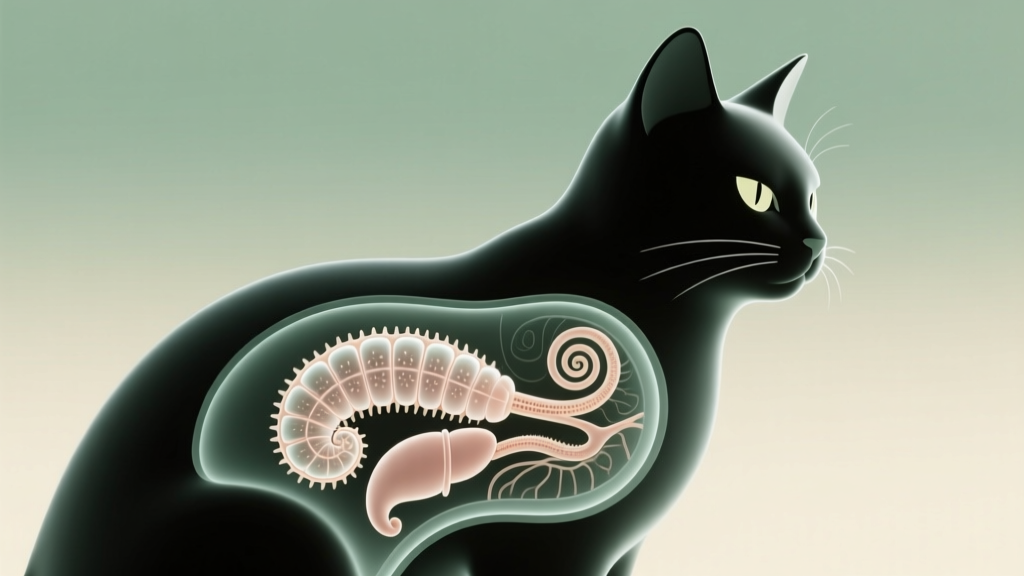
Dicrocoelium (most commonly Dicrocoelium dendriticum) is a type of trematode (fluke). Unlike roundworms or tapeworms that often live in the intestines, this fluke’s “home base” is the biliary system—the network of tubes that carries bile from the liver to the intestine.
Here’s the plain-language version of what that means:
- The liver makes bile, which helps digest fats and carries waste products out of the body.
- Bile travels through small tubes called bile ducts.
- Dicrocoelium can live in these ducts, where it may cause chronic irritation and inflammation.
Dicrocoelium has a more complicated life cycle than many parasites, involving snails and ants. Cats become infected when they accidentally or intentionally eat infected ants, or when they eat prey (like small mammals) that have eaten infected ants.
In cats, infection may be:
- Subclinical (no obvious signs)
- Mild (intermittent digestive upset)
- Chronic (gradual liver/bile duct disease over time)
3. Symptoms and warning signs to watch for
Signs can be subtle because the liver has a lot of “reserve.” A cat may look fairly normal until inflammation becomes more significant. Contact your veterinarian if you notice any of the following, especially in an outdoor or hunting cat:
Common possible signs
- Reduced appetite or becoming picky with food
- Weight loss or poor body condition
- Vomiting (intermittent or persistent)
- Diarrhea or softer stools
- Lethargy or decreased playfulness
- Dull coat or reduced grooming
Signs more suggestive of liver or bile duct involvement
- Jaundice (yellow tint to gums, whites of the eyes, or skin inside the ears)
- Abdominal discomfort (hunched posture, reluctance to be picked up)
- Pot-bellied appearance or fluid buildup in the abdomen (in advanced cases)
- Pale stools (sometimes seen with bile flow issues)
Practical at-home checks (gentle and safe)
- Look at your cat’s gums in good light for any yellow discoloration.
- Track appetite and vomiting: jot down dates, frequency, and what was eaten.
- Weigh your cat weekly (using a baby scale or holding them on a human scale) to catch slow weight loss early.
4. Causes and risk factors
Dicrocoelium infection isn’t something most indoor cats face. Risk rises when a cat has access to environments where the fluke’s life cycle can continue.
How cats get infected
- Eating infected ants while grooming, nibbling grass, or exploring outdoors
- Eating prey (rodents and other small animals) that have eaten infected ants
Risk factors
- Outdoor access, especially in rural areas, pastures, or near livestock operations
- Hunting behavior (bringing home mice, voles, etc.)
- Living in or traveling to regions where Dicrocoelium is present (your vet will know local risks)
- Limited parasite prevention plan (even though common dewormers don’t always cover flukes)
5. Diagnosis: Methods and what to expect at the vet
If your veterinarian suspects liver flukes or another liver/biliary condition, they’ll start with a full history and a physical exam, then recommend tests based on your cat’s symptoms and risk level.
History questions your vet may ask
- Does your cat go outdoors or hunt?
- Any vomiting, diarrhea, appetite changes, or weight loss?
- Any exposure to farms, snails, ants, or areas with grazing animals?
- Current medications and parasite prevention?
Common diagnostic tests
- Fecal testing: A fecal flotation or sedimentation test may detect fluke eggs. (Fluke eggs can be harder to find than typical worm eggs, so a negative test doesn’t always rule it out.)
- Bloodwork: Liver enzymes (such as ALT, ALP, GGT), bilirubin, and bile acids help assess liver stress and bile flow problems.
- Urinalysis: Can provide supportive information, including bilirubin or concentration changes.
- Abdominal ultrasound: Often very helpful for evaluating the liver, gallbladder, and bile ducts. It may show inflammation, duct changes, or gallbladder abnormalities.
Occasionally recommended in complex cases
- Fine needle aspirate or biopsy (only when needed): Helps evaluate liver disease causes and severity.
- Additional parasite testing: Depending on your region and your cat’s history, the vet may consider other flukes or liver-related diseases that can look similar.
If you’re worried about cost, ask your veterinarian to prioritize a stepwise plan. Many clinics can start with the most informative basics (bloodwork + fecal + ultrasound if indicated) and build from there.
6. Treatment options (medical, surgical, home care)
Treatment depends on how sick your cat is, what tests show, and whether the problem appears limited to fluke infection or includes secondary inflammation or liver dysfunction. Always follow a veterinarian’s guidance—do not attempt to treat suspected liver flukes with over-the-counter dewormers unless your vet confirms the medication and dosing.
Medical treatment
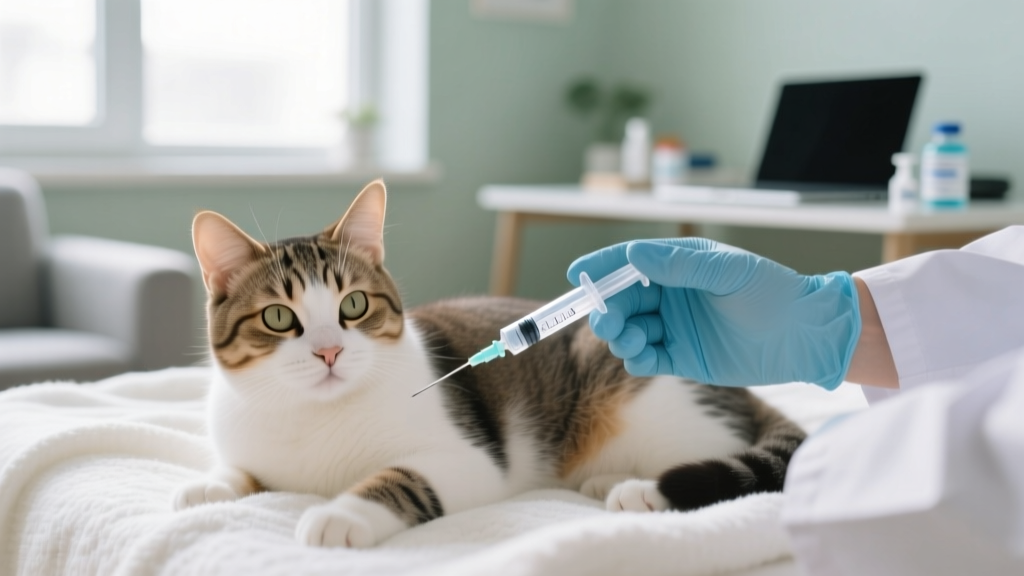
- Antiparasitic medication: Certain prescription antiparasitic drugs can be effective against trematodes (flukes). Your vet will choose the right medication and dose for your cat’s size, health status, and local parasite patterns.
- Liver support medications (when indicated): Your vet may recommend supportive therapies such as ursodeoxycholic acid (for bile flow support in appropriate cases), SAMe/silybin supplements, or other liver protectants.
- Anti-nausea and appetite support: If your cat is vomiting or not eating, medications can prevent dehydration and hepatic lipidosis (fatty liver), which is a serious risk in cats that stop eating.
- Antibiotics: Sometimes used if there’s concern for secondary bacterial infection in the biliary system (cholangitis/cholangiohepatitis), based on clinical findings.
Surgical or procedural options
Surgery is not commonly required for Dicrocoelium itself, but may be discussed if complications arise (for example, gallbladder disease, obstruction, or significant biliary changes). Your veterinarian or a veterinary internal medicine specialist can guide this decision.
Home care and monitoring
- Give medications exactly as directed and finish the full course.
- Feed a consistent diet recommended by your veterinarian. In some liver cases, a prescription hepatic diet may be suggested.
- Encourage hydration: Offer fresh water in multiple locations or a pet fountain. Ask your vet if wet food is preferred for your cat’s situation.
- Track progress: Keep a simple log of appetite, vomiting, stool quality, energy level, and weight.
What not to do
- Don’t use essential oils, herbal “parasite cleanses,” or unknown supplements without veterinary approval—cats are sensitive to many compounds, and liver disease changes how drugs are metabolized.
- Don’t delay care if your cat isn’t eating; cats can develop dangerous complications quickly.
7. Prevention strategies and early detection tips
Preventing exposure is often the most effective approach, especially because fluke infections rely on wildlife/insect life cycles that are difficult to control in the environment.
Prevention you can start today
- Keep your cat indoors or use supervised outdoor time (catio, harness walks).
- Limit hunting: Use indoor enrichment (interactive toys, puzzle feeders) to reduce prey drive and boredom.
- Promptly remove prey if your cat brings it in, and discourage “playing” with it indoors.
- Ask your vet about parasite prevention tailored to your region and your cat’s lifestyle. Standard monthly preventives may not cover flukes, but they still protect against other common parasites that can complicate health.
Early detection tips
- Schedule annual wellness exams (twice yearly for seniors).
- Ask about routine bloodwork for adult and senior cats to catch liver enzyme changes early.
- Bring a fresh stool sample to checkups if your cat goes outdoors or has GI upset.
- Watch for slow weight loss—a kitchen scale can catch changes before they’re visible.
8. Prognosis and quality of life considerations
Many cats do well when Dicrocoelium infection is identified and treated before significant liver damage occurs. Prognosis depends on:
- Parasite burden (how many flukes are present)
- Duration of infection
- Degree of biliary inflammation and any secondary infection
- Your cat’s overall health (age, other diseases, nutrition)
Quality of life usually improves with effective therapy and supportive care—better appetite, steadier energy, healthier coat, and fewer GI upsets. Your vet may recommend follow-up fecal testing, repeat bloodwork, or a recheck ultrasound to confirm recovery and ensure the liver/biliary system is settling down.
9. When to seek emergency veterinary care
Call an emergency vet or go in promptly if your cat shows any of these signs:
- Not eating for 24 hours (or skipping multiple meals), especially if overweight or already ill
- Repeated vomiting or inability to keep water down
- Jaundice (yellow gums/eyes/skin)
- Severe lethargy, collapse, or profound weakness
- Labored breathing or very pale gums
- Distended abdomen with discomfort
- Signs of dehydration (tacky gums, sunken eyes, extreme weakness)
If you’re unsure whether it’s an emergency, it’s appropriate to call your veterinary clinic for guidance. Cats can hide illness, and liver-related problems can escalate faster than they appear.
10. FAQ: Common questions about Dicrocoelium (lancet liver fluke) in cats
Can indoor cats get Dicrocoelium?
It’s uncommon, but not impossible. Indoor cats are at much lower risk unless they eat insects that come inside or they hunt indoor pests. Risk increases significantly with outdoor access and hunting.
Is Dicrocoelium contagious from cat to cat?
Direct cat-to-cat spread is unlikely because the parasite’s life cycle typically requires intermediate hosts (snails and ants). However, if multiple cats share the same outdoor environment and hunting opportunities, more than one cat could be exposed.
Can people catch lancet liver flukes from cats?
Human infection is generally linked to ingesting infected ants on contaminated food in endemic areas, not casual contact with pets. Still, good hygiene is wise: wash hands after cleaning the litter box and practice safe food handling. If you have concerns about zoonotic risk in your area, ask your veterinarian and your physician.
Why might a fecal test be negative even if my cat has flukes?
Fluke eggs may be shed intermittently or in low numbers, and some fecal testing methods are better than others for detecting them. Your vet may repeat testing, use a sedimentation technique, or rely on bloodwork and ultrasound findings alongside the history and symptoms.
Will regular dewormers prevent or treat liver flukes?
Many routine dewormers primarily target intestinal roundworms and tapeworms. Flukes often require specific prescription medications and dosing. Always consult your veterinarian before giving any dewormer, especially if liver disease is suspected.
What can I do right now if I suspect liver trouble?
Schedule a veterinary visit as soon as possible, especially if your cat is vomiting, losing weight, or eating less. Until the appointment:
- Keep your cat indoors and prevent hunting.
- Offer small, frequent meals if your cat will eat.
- Make sure fresh water is always available.
- Do not start supplements or medications without veterinary direction.
Any time you suspect Dicrocoelium or another liver/biliary issue, professional veterinary care is the safest path—diagnosis guides the right treatment, and early support can prevent complications.
For more practical, cat-owner-friendly health guides and prevention tips, visit catloversbase.com and explore our growing library of feline wellness resources.