Senior Cat Health Signs
When your cat crosses the threshold into seniorhood, typically around age seven to ten, its body undergoes gradual changes that can be easy to dismiss as normal aging. The challenge for cat owners lies in distinguishing between expected age-related changes and early warning signs of disease that warrant veterinary intervention. This distinction becomes increasingly important as cats now live well into their mid-teens and beyond, with the average domestic cat lifespan reaching 15.2 years according to a 2024 analysis of Banfield Pet Hospital data covering more than 3 million cats.
Understanding these health signs empowers you to provide targeted care that extends not just your cat's lifespan but its healthspan, the period of life spent in good health free from chronic disease. Early detection of conditions like chronic kidney disease, hyperthyroidism, and diabetes mellitus can add years of quality life when treatment begins before significant organ damage occurs.
Defining Senior and Geriatric Life Stages
The American Association of Feline Practitioners and the American Animal Hospital Association jointly published feline life stage guidelines that define the senior period as ages seven to ten years and the geriatric period as eleven years and older. These definitions reflect the biological reality that cats experience measurable physiological changes beginning around age seven, even though many appear outwardly youthful.
During the senior years, organ function begins a gradual decline. The kidneys lose filtering capacity at an estimated rate of 1% per year starting around age seven. The thyroid gland may become overactive, producing excess hormone that accelerates metabolism. Joint cartilage thins, leading to the osteoarthritis that affects an estimated 90% of cats over age 12, according to radiographic studies conducted at the University of Georgia College of Veterinary Medicine. Recognizing these changes allows owners to adapt care strategies proactively rather than reactively.
Mobility Changes and Arthritis
Decreased mobility is the most commonly observed change in senior cats, yet it is also the most frequently attributed to "just getting old." Feline osteoarthritis differs from canine osteoarthritis in important ways. Cats tend to develop degenerative joint disease in multiple joints simultaneously, most commonly affecting the hips, elbows, spine, and stifle joints. Unlike dogs, cats rarely show obvious limping. Instead, they display more subtle behavioral modifications.
A 2021 study published in the Journal of Feline Medicine and Surgery by Dr. B. Duncan X. Lascelles at North Carolina State University examined 100 client-owned cats over age 10 using force plate gait analysis and owner questionnaires. The study found that 61% of cats had radiographic evidence of osteoarthritis, but owners had recognized mobility issues in only 22% of those affected cats. This gap between objective disease presence and owner awareness underscores the need for structured observation.
Signs of Feline Osteoarthritis
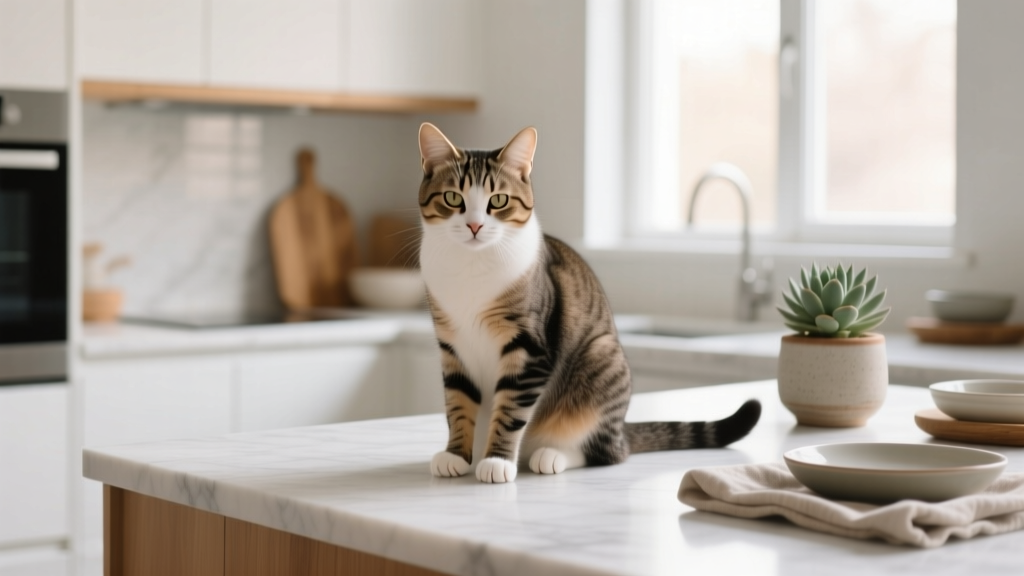
- Reluctance to jump: A cat that previously leapt onto counters or beds now hesitates or seeks alternative routes
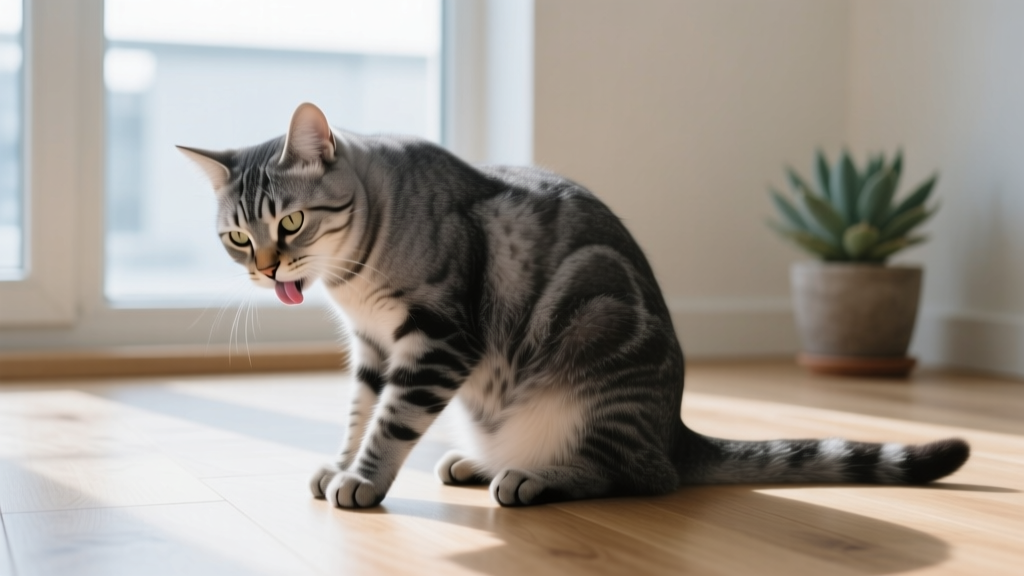
- Decreased grooming: Stiffness in the spine and hips makes it difficult to reach the lower back and hindquarters, resulting in a matted or unkempt coat
- Litter box avoidance: Stepping into and out of a high-sided box becomes painful; accidents outside the box may be the first sign owners notice
- Reduced activity: Sleeping more hours per day than previously, with less interest in play or exploration
- Irritability when handled: A previously affectionate cat may resist being picked up or touched along the back and hips
- Muscle atrophy: Noticeable thinning of the thigh muscles compared to earlier life stages
| Activity | Normal Senior Behavior | Concerning Sign |
|---|---|---|
| Jumping height | Jumps to lower surfaces; avoids highest perches | Cannot jump to any elevated surface; needs assistance |
| Litter box use | Takes slightly longer to enter and exit | Accidents outside box; vocalizes when entering |
| Gait | Stiff after rest; warms up with movement | Consistent limp; obvious favoring of one limb |
| Grooming | Slightly less thorough coat maintenance | Matted fur; visible dandruff; overgrooming specific joints |
| Stair climbing | Takes stairs more slowly; may rest halfway | Refuses stairs entirely; carries them up |
Environmental modifications can significantly improve quality of life for arthritic cats. Provide low-entry litter boxes with low sides (no more than 3 inches), place food and water bowls on the floor rather than elevated platforms, and offer steps or ramps to favorite resting spots. Orthopedic beds with memory foam cushioning provide joint support during the 16 to 20 hours per day that senior cats spend sleeping.
Weight Changes: Loss and Gain
Unexplained weight change is perhaps the most important single indicator of health problems in senior cats. While some gradual muscle loss is expected with aging, measurable weight loss should never be dismissed as normal aging. The 2022 International Society of Feline Medicine consensus statement on weight management in older cats emphasizes that any weight loss exceeding 10% of body weight over a 12-month period warrants investigation.
Hyperthyroidism is the leading cause of weight loss in cats over age 10, affecting approximately 1 in 300 cats annually in the United States. The overproduction of thyroid hormone accelerates metabolism, causing cats to eat ravenously while continuing to lose weight. Other common causes of weight loss include chronic kidney disease, diabetes mellitus, intestinal lymphoma, and inflammatory bowel disease. A 2020 study by Dr. J. Catharine Scott-Moncrieff at Purdue University found that weight loss preceded the diagnosis of hyperthyroidism by an average of 14 months, making regular weight monitoring a powerful early detection tool.
"I tell every owner of a senior cat to weigh their pet at least once a month. A baby scale works well for cats, and a digital kitchen scale can handle cats under 10 pounds. Recording these weights on a simple calendar or spreadsheet creates a trend line that reveals subtle changes long before they become obvious to the eye. That early warning is invaluable."
— Dr. Margie Scherk, Diplomate of the American Board of Veterinary Practitioners (Feline), Cats Only Veterinary Clinic, Vancouver, 2023
Obesity in Senior Cats
While weight loss dominates concerns for cats in the geriatric stage, cats in the early senior years (seven to ten) are more likely to be overweight. Approximately 59% of cats in the United States are classified as overweight or obese, according to the 2024 Association for Pet Obesity Prevention survey. Excess body weight in middle-aged cats accelerates the development of diabetes mellitus, with overweight cats being 3.4 times more likely to develop the condition than cats at ideal body weight.
Body condition scoring provides a more meaningful assessment than weight alone. A cat at ideal body condition should have a visible waist when viewed from above, ribs that are easily palpable with a thin layer of fat, and a minimal abdominal fat pad. Your veterinarian can demonstrate body condition scoring during annual exams so you can assess your cat at home between visits.
Changes in Drinking and Urination
Increased water consumption (polydipsia) and increased urination (polyuria) are among the most significant clinical signs in senior cats. Normal water intake for a cat is approximately 40 to 60 milliliters per kilogram of body weight per day. For a typical 4.5-kilogram (10-pound) cat, this translates to roughly 180 to 270 milliliters, or about three-quarters to one cup of water daily.
When a cat drinks significantly more than this, it often indicates an underlying medical condition. The three most common causes of polydipsia in senior cats are chronic kidney disease, hyperthyroidism, and diabetes mellitus. Chronic kidney disease affects an estimated 30-50% of cats over age 10, making it the single most prevalent organ dysfunction in the senior population.
Monitoring water intake at home can be accomplished by measuring the water in your cat's bowl each morning and evening for several consecutive days, accounting for any water consumed from other sources like fountains or dripping faucets. A sudden increase in daily water consumption by 50% or more should prompt a veterinary visit within one to two weeks.
- Chronic kidney disease: Damaged kidneys cannot concentrate urine effectively, so the cat produces large volumes of dilute urine and drinks more to compensate. Blood tests reveal elevated creatinine and SDMA levels.
- Hyperthyroidism: Excess thyroid hormone increases metabolic rate and blood flow through the kidneys, increasing urine production. Blood tests show elevated total thyroxine (T4) levels, typically above 5 micrograms per deciliter.
- Diabetes mellitus: Insufficient insulin production causes glucose to spill into the urine, pulling water with it through osmotic diuresis. Blood glucose levels exceed 250 mg/dL, and urine contains detectable glucose.
Cognitive Decline and Behavioral Changes
Feline cognitive dysfunction syndrome (CDS) shares many features with Alzheimer's disease in humans. The condition involves progressive degeneration of brain tissue and is estimated to affect 28% of cats between ages 11 and 14 and over 50% of cats age 15 and older, based on a 2019 study led by Dr. Gary Landsberg at the University of Guelph's Ontario Veterinary College.
Recognizing Cognitive Dysfunction
The DISHA framework, originally developed for canine cognitive dysfunction, applies equally well to cats. Owners should watch for changes in five categories:
- Disorientation: Staring at walls, getting stuck in corners, failing to recognize familiar people or locations
- Interactions: Changes in social behavior, including increased clinginess or, conversely, increased irritability and withdrawal
- Sleep-wake cycle changes: Restlessness at night, excessive daytime sleeping, disruption of established sleep patterns
- House soiling: Eliminating outside the litter box despite no history of urinary or bowel disease
- Activity level changes: Decreased exploration, reduced play interest, aimless pacing or vocalization
Environmental enrichment can slow the progression of cognitive decline. Puzzle feeders, interactive toys, and regular gentle play sessions provide mental stimulation that promotes neural plasticity. Maintaining a consistent daily routine reduces anxiety in cognitively impaired cats. For cats showing moderate to severe CDS, your veterinarian may discuss medications such as selegiline (Anipryl) or supplements containing omega-3 fatty acids, antioxidants, and medium-chain triglycerides.
Sensory Changes: Vision and Hearing
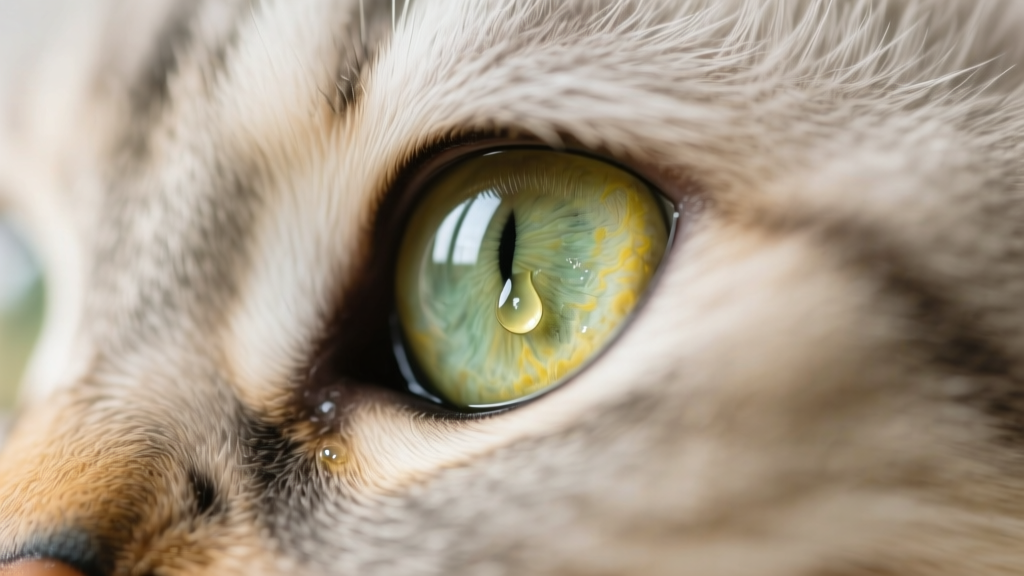
Gradual decline in vision and hearing is expected in senior cats. The lens of the eye becomes less transparent with age, producing a bluish-gray haze called lenticular sclerosis. This condition, visible as a cloudy appearance to the pupil, affects virtually all cats over age 10 and does not significantly impair vision. True cataracts, which cause opacity of the lens and can lead to blindness, are a separate condition that requires veterinary evaluation.
Hearing loss typically begins with the higher frequency ranges and progresses gradually. Cats may fail to respond to their name, become startled more easily, or sleep more deeply because they cannot hear ambient household sounds. Hearing loss in cats is difficult to measure objectively, but owners can observe responses to familiar sounds like the opening of a treat bag or the sound of a can opener to gauge whether hearing is declining.
Practical tip: If your senior cat has significant hearing loss, approach them from the front where they can see you, or gently tap the floor to create vibrations they can feel. Never startle a hearing-impaired cat from behind, as this can trigger defensive aggression.
Building a Senior Cat Wellness Plan
The cornerstone of senior cat care is the twice-yearly veterinary wellness exam. While annual exams suffice for younger adult cats, senior and geriatric cats benefit from evaluation every six months. This schedule allows your veterinarian to detect changes in weight, blood pressure, organ function, and body condition before they become clinically significant.
A comprehensive senior wellness exam should include a complete physical examination, blood pressure measurement, complete blood count, serum chemistry panel including SDMA (symmetric dimethylarginine) for early kidney disease detection, total thyroxine (T4) level, urinalysis with urine specific gravity, and fecal examination. Dental examination with dental radiographs should be performed at least annually.
Nutritional adjustments also play a central role in senior cat wellness. Senior-formulated diets contain adjusted protein levels, increased omega-3 fatty acids for joint and cognitive health, and added antioxidants. For cats with diagnosed conditions, therapeutic diets targeting kidney function, urinary health, or weight management should be selected in consultation with your veterinarian. Transition to any new diet gradually over seven to ten days to minimize gastrointestinal upset.
The aging process is inevitable, but the rate at which age-related diseases develop and progress is significantly influenced by the care your cat receives. By recognizing the health signs described in this article and acting on them promptly, you give your senior cat the best chance at a comfortable, engaged, and joyful later life.