Feline Chylothorax Medical Management: Rutin and Diet
1) Introduction: Why chylothorax matters to cat owners
When a cat struggles to breathe, it can be scary and confusing—especially when the cause isn’t obvious. Feline chylothorax is one of those conditions that often shows up as “breathing trouble” but has a very specific reason behind it: a milky fluid called chyle builds up around the lungs. The good news is that many cats can be supported with careful medical management, and owners play a big role in monitoring breathing at home, giving medications correctly, and following dietary guidance.
This article explains chylothorax in plain language, with a special focus on two common medical management tools: rutin (a supplement sometimes used under veterinary direction) and dietary fat reduction. If your cat has been diagnosed—or your vet suspects chylothorax—this will help you understand what’s happening and how to protect your cat’s comfort and quality of life.
2) Overview: What is chylothorax?
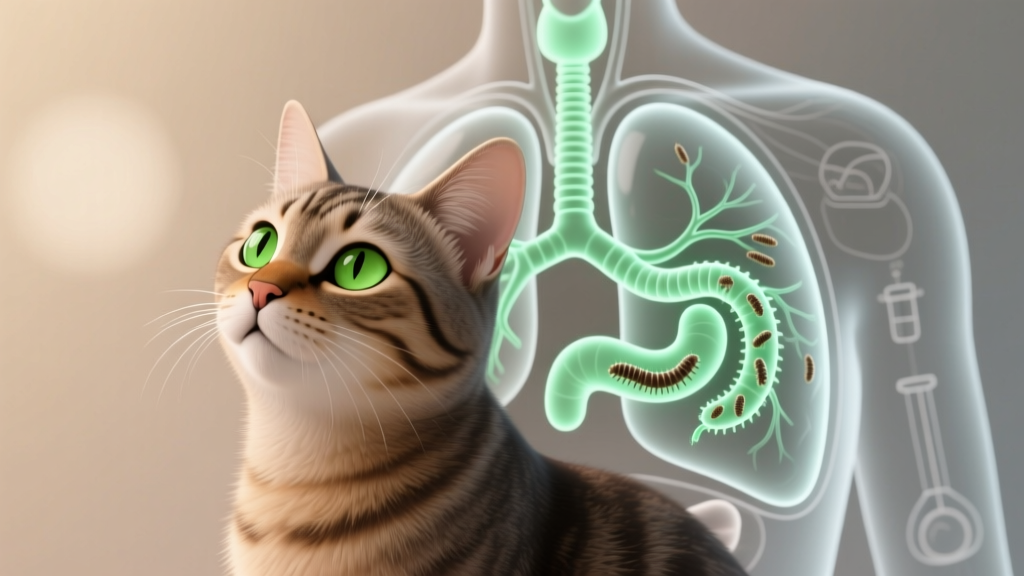
Chylothorax means chyle has leaked into the pleural space, the thin area between the lungs and the chest wall. Normally, this space has just a tiny amount of lubricating fluid so the lungs can expand smoothly. When too much fluid collects there, the lungs can’t fully expand, and breathing becomes harder.
What is chyle? Chyle is lymphatic fluid that carries fats absorbed from the intestines. After a meal—especially a fatty one—digested fats travel through the lymphatic system (a network of vessels that also helps immune function) and eventually drain into the bloodstream through a large lymph vessel called the thoracic duct.
How chylothorax happens: If the thoracic duct leaks, ruptures, or can’t drain properly, chyle can back up and spill into the chest. Chyle is often described as milky or cloudy because it contains fat particles (triglycerides). Over time, this fluid can cause inflammation and scarring in the pleural space, making the condition harder to manage if it becomes chronic.
3) Symptoms and warning signs to watch for
Chylothorax symptoms can develop gradually or appear suddenly. The most common signs are related to reduced lung expansion.
- Increased breathing rate (often the earliest clue)
- Labored breathing (noticeable effort, belly moving more than usual)
- Open-mouth breathing (an emergency sign in cats)
- Less activity, hiding more, unwillingness to play
- Reduced appetite or stopping eating
- Coughing is less common in cats than dogs, but can occur
- Weight loss over time in chronic cases
- Stress or anxiety related to feeling short of breath
Action tip you can start today: Learn your cat’s resting respiratory rate (RRR). When your cat is asleep or resting calmly, count breaths for 30 seconds and multiply by 2.
- Many healthy cats rest around 16–30 breaths per minute.
- If your cat is consistently over 30, or the number is rising day by day, contact your veterinarian.
- If your cat is breathing with effort or open-mouth breathing, treat it as an emergency.
4) Causes and risk factors
Chylothorax isn’t a single disease—it’s a result of something affecting lymph drainage. In cats, a significant number of cases are labeled idiopathic, meaning no underlying cause is found despite appropriate testing. Even so, your vet will look for treatable causes.
Potential causes include:
- Heart disease (increased pressure can affect lymph flow)
- Mediastinal masses (tumors or enlarged lymph nodes in the chest that compress lymph vessels)
- Trauma (injury to the thoracic duct)
- Blood clots or vessel abnormalities affecting chest drainage
- Infections or inflammatory conditions (less common)
- Congenital lymphatic disorders (rare)
Risk factors: Any cat can be affected. Middle-aged to older cats are commonly diagnosed, partly because heart disease and masses are more likely as cats age. That said, younger cats can develop chylothorax as well.
5) Diagnosis: What to expect at the vet
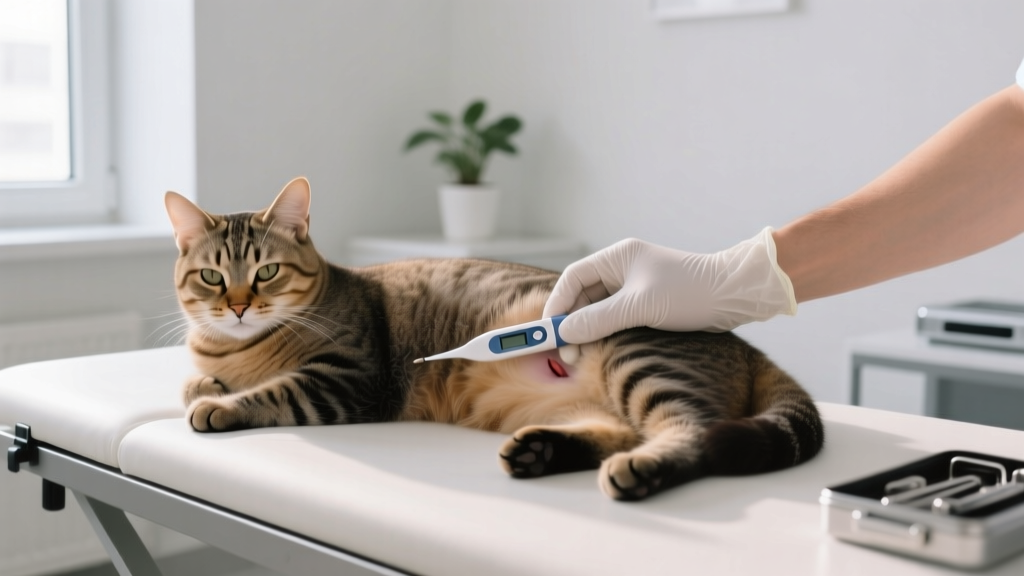
Most cats with suspected pleural effusion (fluid around the lungs) start with a calm but quick evaluation. The goal is to help breathing first, then confirm what the fluid is and why it’s there.
Common diagnostic steps:
- Physical exam (listening may reveal muffled heart/lung sounds)
- Chest X-rays to confirm fluid around the lungs
- Thoracocentesis (removing fluid with a needle) to relieve breathing and collect a sample
- Fluid analysis:
- Chyle often looks milky, but appearance alone isn’t enough.
- Lab testing typically compares triglyceride levels in the pleural fluid versus the blood; chylous fluid usually has higher triglycerides.
- Cells in the fluid are evaluated to look for inflammation, infection, or cancer.
- Heart evaluation (echocardiogram/ultrasound) if heart disease is suspected
- Chest ultrasound or CT scan to look for masses, lymph node enlargement, or duct problems
- Bloodwork to assess overall health and anesthesia safety if procedures are needed
What thoracocentesis is like: Many cats tolerate it well with gentle restraint and oxygen support; some need mild sedation. Removing the fluid often provides fast relief. Your vet team will choose the safest approach for your cat’s stress level and breathing status.
6) Treatment options: Medical, surgical, and home care
Treatment usually has two goals:
- Short-term comfort: help your cat breathe by removing fluid and reducing re-accumulation.
- Long-term control: manage the underlying cause when possible and reduce complications like pleural scarring.
Medical management (including rutin)
1) Repeated thoracocentesis
- Some cats need periodic fluid removal.
- Pros: immediate breathing relief.
- Cons: repeated visits, stress, risk of infection/bleeding (generally low when done properly), and protein/fat loss over time.
2) Rutin (rutoside)
Rutin is a flavonoid supplement that has been used in some cats with chylothorax. The exact way it helps isn’t fully proven, but it is thought to:
- Encourage the body to remove protein-rich fluid from tissues
- Possibly reduce leakage and improve lymphatic function in some cases
What owners should know:
- Rutin is not a guaranteed fix. Some cats improve, others don’t.
- Dosing varies by case and product. Always use rutin only under veterinary guidance so your vet can choose a reputable product and monitor for side effects.
- Possible side effects can include gastrointestinal upset (decreased appetite, vomiting, diarrhea). Let your vet know if you notice these signs.
3) Treating the underlying cause
- Heart disease: medications may reduce pressure and improve circulation. (Not all pleural effusion is from heart failure, so treatment is tailored.)
- Masses/cancer: surgery, oncology care, or palliative support depending on type and location.
- Clotting issues: treatment depends on the cause and your cat’s overall condition.
4) Other supportive medications
- Pain control as needed (especially after procedures)
- Appetite support if your cat is not eating well
- Oxygen therapy during flare-ups
- Antibiotics are not routinely used unless infection is suspected.
Dietary management (low-fat approach)
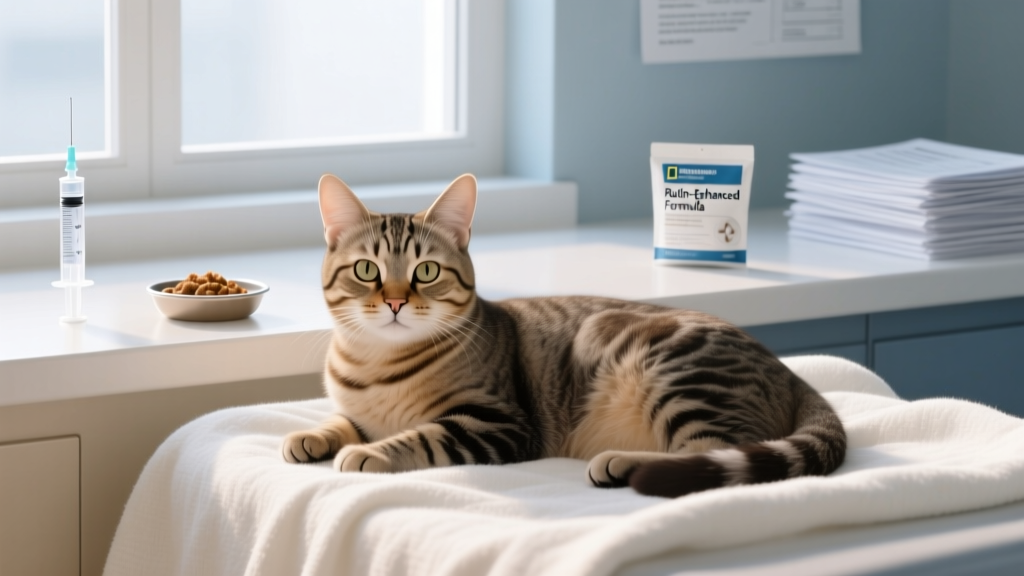
Because chyle contains dietary fat absorbed from the intestines, reducing fat intake may reduce the amount of chyle produced and decrease the rate of fluid buildup. Diet changes are often recommended alongside rutin or other therapy.
Practical diet tips to discuss with your veterinarian:
- Choose a veterinary-recommended low-fat diet when possible. Your vet can help you pick one that is nutritionally complete for cats.
- Avoid high-fat treats (table scraps, cheese, fatty meats, cream-based lickable treats).
- Measure meals so your cat maintains a healthy weight—extra body fat can make breathing harder.
- Transition slowly over 5–10 days to prevent stomach upset, unless your vet advises a different plan due to urgency.
Important caution: Cats have unique nutritional needs (taurine, adequate protein, specific vitamins). Avoid creating a homemade “low-fat” diet without a veterinarian or board-certified veterinary nutritionist, as nutrient deficiencies can develop.
Surgical options
If medical management does not adequately control fluid buildup, surgery may be recommended—especially for idiopathic chylothorax.
Common surgical approaches:
- Thoracic duct ligation (tying off the leaking/affected duct so lymph reroutes)
- Pericardectomy (removing part of the sac around the heart) is sometimes combined with duct ligation to improve success in certain cases
Some cats may also have a pleural access port placed to allow easier at-home drainage under veterinary instruction, but this is not appropriate for every case.
Home care and monitoring
- Track resting respiratory rate daily or at least several times per week.
- Keep a simple log of appetite, energy, breathing rate, and any coughing or hiding.
- Reduce stress: quiet room, consistent routine, avoid forced exercise.
- Use medications exactly as prescribed and don’t stop abruptly without guidance.
- Plan rechecks: your vet may recommend periodic chest imaging and/or repeat fluid taps.
7) Prevention strategies and early detection tips
There isn’t a guaranteed way to prevent chylothorax, especially in idiopathic cases. Early detection and quick veterinary care can prevent complications and help your cat stay comfortable.
- Know your cat’s normal breathing and check the resting respiratory rate occasionally.
- Schedule routine wellness exams (especially for middle-aged and senior cats).
- Address heart murmurs promptly: if your vet hears a murmur or gallop sound, follow up with recommended testing.
- Keep cats indoors or supervised to reduce trauma risks.
- Maintain a healthy weight with measured meals and appropriate play.
8) Prognosis and quality of life considerations
The outlook for feline chylothorax varies widely based on the underlying cause and how the condition responds to treatment. Some cats do well for long periods with diet changes, rutin, and occasional fluid drainage. Others need surgery to achieve acceptable control. Chronic cases can develop pleural fibrosis (scarring and thickening of the pleural lining), which makes lung expansion harder even if less fluid is present.
Quality of life signs that treatment is working:
- Resting respiratory rate stays stable and comfortable
- Cat is eating, grooming, and engaging more
- Less hiding, more normal sleep posture
- Longer time between fluid drainages (if needed at all)
Quality of life signs to discuss with your vet promptly:
- Breathing rate trending upward over several days
- Repeated fluid buildup with only short relief after drainage
- Ongoing weight loss or poor appetite
- Significant stress with repeated vet visits (ask about anxiety-reducing strategies)
9) When to seek emergency veterinary care
Breathing concerns in cats should always be taken seriously. Seek emergency care right away if you notice:
- Open-mouth breathing or panting (especially at rest)
- Blue, gray, or very pale gums
- Severe effort to breathe (neck extended, elbows held away from the body, pronounced belly movement)
- Collapse, extreme weakness, or inability to stand
- Resting respiratory rate persistently above 40, or any rapid breathing with distress
Until you reach the vet, keep your cat calm and in a carrier with good airflow. Avoid forcing food, water, or medications if your cat is struggling to breathe.
10) FAQ: Common questions from cat owners
Can chylothorax go away on its own?
Occasionally, mild cases may improve, especially if a temporary cause resolves. Many cats, however, need ongoing management. Early veterinary involvement gives the best chance of controlling fluid buildup before chronic scarring develops.
Is rutin safe for cats?
Rutin is used by some veterinarians as part of medical management. Safety depends on the dose, product quality, and your cat’s individual health status. Side effects are often digestive (vomiting/diarrhea, reduced appetite). Only give rutin if your veterinarian recommends it and provides dosing instructions.
What diet is best for a cat with chylothorax?
A veterinarian-guided low-fat, nutritionally complete diet is commonly recommended. The goal is to reduce chyle production while keeping your cat’s protein and essential nutrients adequate. Avoid DIY diet changes without professional guidance.
Will my cat need surgery?
Not always. Some cats do well with diet changes, rutin, and periodic drainage. Surgery is more likely if fluid keeps returning quickly, if your cat’s quality of life is affected, or if imaging suggests a problem best corrected surgically. Your vet may refer you to a veterinary surgeon for an individualized recommendation.
How do I monitor my cat at home between vet visits?
Track resting respiratory rate, appetite, energy, and comfort. A simple daily note on your phone can help you spot trends early. If the breathing rate rises or your cat seems uncomfortable, call your vet—don’t wait for the next scheduled appointment.
Is chylothorax contagious to other cats?
No. Chylothorax is a fluid leakage problem inside the chest and is not contagious. The underlying cause (like certain infections) could be a separate topic, but chylothorax itself does not spread between pets.
If your cat is facing chylothorax, you don’t have to manage it alone. Work closely with your veterinarian, ask questions, and keep careful notes at home—those details truly help your vet tailor treatment. For more supportive, cat-owner-friendly health resources, visit catloversbase.com.