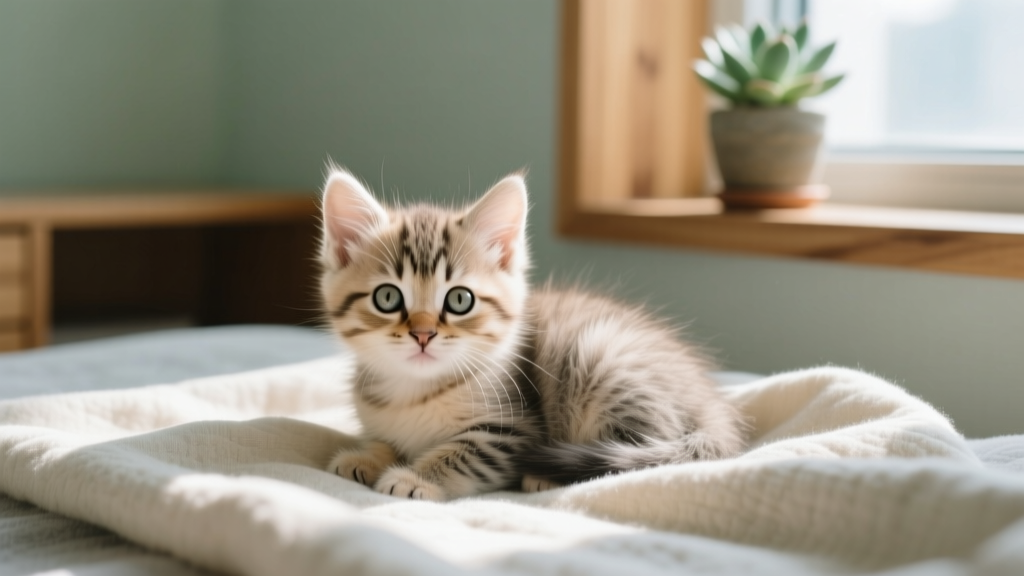
How to Care for 11 Week Old Kitten: The Critical 7-Day Health & Socialization Checklist Every New Owner Misses (And Why Skipping It Risks Lifelong Anxiety or Illness)
Why This Exact Week Changes Everything
If you're wondering how to care for 11 week old kitten, you've landed at the most pivotal—and most misunderstood—developmental inflection point in feline life. At 11 weeks, your kitten isn’t just 'getting bigger'—they’re experiencing a neurological and immunological tipping point: their critical socialization window is narrowing fast (it fully closes around week 12–14), their maternal antibodies are waning rapidly, and their immune system is now fully capable of responding to core vaccines—but only if administered *now*. Miss this narrow window, and you risk lifelong fear-based aggression, vaccine non-response, or chronic stress-related illnesses like feline idiopathic cystitis. This isn’t theoretical—it’s backed by the American Association of Feline Practitioners (AAFP) and confirmed in longitudinal studies from the University of Lincoln’s Feline Behaviour Clinic.
Vaccinations & Parasite Control: Timing Is Non-Negotiable
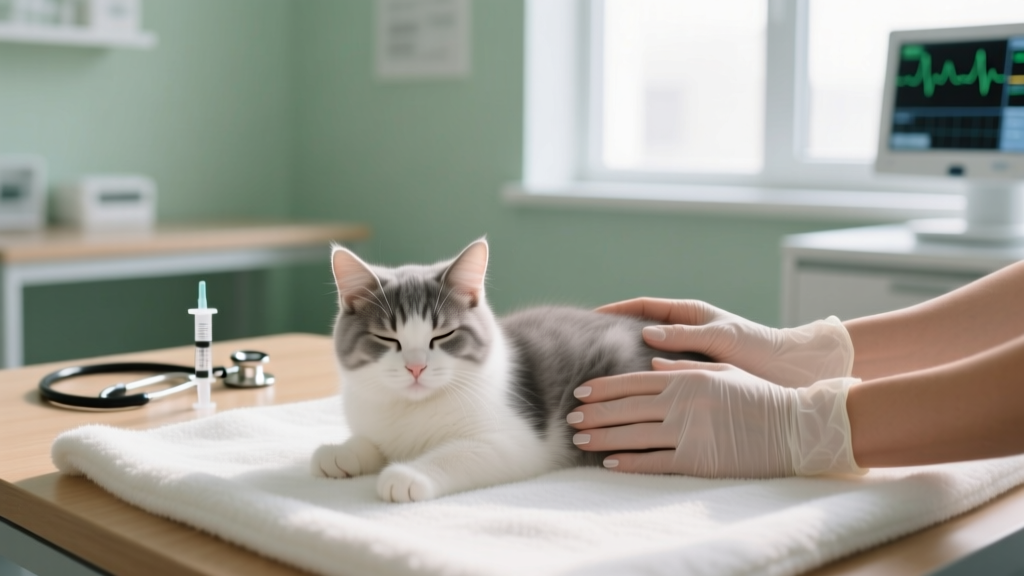
At 11 weeks, your kitten should be receiving their final core vaccine booster—not their first. Most kittens receive their initial FVRCP (feline viral rhinotracheitis, calicivirus, panleukopenia) at 6 and 8 weeks. The 11-week dose is the *clinically decisive* one: it ensures seroconversion—the moment their own immune system produces lasting antibodies—because maternal antibodies have finally dropped below interference levels. According to Dr. Sarah Wooten, DVM, CVJ, "A kitten vaccinated too early may show no protection; vaccinated too late, they face unshielded exposure during peak vulnerability. Week 11 is the Goldilocks zone."
Simultaneously, this is the last ideal window for broad-spectrum deworming. Even indoor-only kittens carry roundworms (Toxocara cati) acquired transmammarily—studies show >85% of kittens test positive at 8–10 weeks. A second fenbendazole or pyrantel pamoate treatment at 11 weeks eliminates residual adults and newly matured larvae. Skip it? You risk zoonotic transmission (especially dangerous for children or immunocompromised people) and chronic gastrointestinal inflammation that impairs nutrient absorption long-term.
- Must-do at 11 weeks: FVRCP booster + rabies vaccine (if required by local law and weight ≥2.2 lbs), fecal float test, and oral dewormer repeated in 2 weeks
- Avoid: Over-the-counter flea treatments—many contain permethrin, which is fatal to cats. Use only vet-prescribed isoxazolines (e.g., Bravecto Topical) approved for kittens ≥8 weeks
- Real-world case: Luna, a rescue kitten adopted at 10 weeks, developed severe upper respiratory infection at 13 weeks because her 11-week FVRCP was delayed. Her vet confirmed low antibody titers—meaning she’d never mounted immunity. She required 3 weeks of antibiotics and nebulization.
Nutrition Transition: From Milk Replacer to Adult-Ready Food
By 11 weeks, your kitten should be fully weaned onto high-quality kitten food—but not all ‘kitten formulas’ are equal. This stage demands precise nutrient ratios: minimum 35% crude protein, 18% fat, and guaranteed taurine (≥0.2%). Why? Their lean body mass is increasing 2–3% daily, and retinal development depends on taurine saturation. The AAFCO (Association of American Feed Control Officials) confirms that suboptimal diets at this age correlate with delayed motor coordination and reduced cognitive flexibility in adulthood.
Transition slowly over 7 days: mix 25% new food on Day 1, increasing by 25% daily. Sudden switches cause diarrhea—which dehydrates kittens faster than adults due to higher metabolic rate and smaller fluid reserves. Monitor stool consistency: ideal is firm but moist (like toothpaste). Runny stool for >24 hours warrants a vet visit—dehydration can escalate to shock in under 12 hours.
Feeding frequency matters too. At 11 weeks, shift from 4 meals/day to 3 scheduled feedings (morning, afternoon, evening). Free-feeding encourages obesity—kittens fed ad libitum are 2.3× more likely to develop diabetes by age 5 (Journal of Feline Medicine and Surgery, 2022). Use puzzle feeders for 20% of daily calories: it reduces stereotypic behaviors and builds problem-solving skills.
Socialization & Environmental Enrichment: The 12-Hour Window That Builds Confidence
The AAFP defines the primary socialization period as 2–7 weeks—but research from the Winn Feline Foundation shows that *consolidation* of those lessons peaks between weeks 9–12. At 11 weeks, your kitten isn’t just learning—they’re *cementing* neural pathways for trust, curiosity, and resilience. Miss this, and novelty becomes synonymous with threat.
Here’s your evidence-based daily protocol:
- 15 minutes of gentle handling (cradling, toe-touching, ear inspection) while offering treats—builds tolerance for vet exams
- 10 minutes with novel textures (corduroy, aluminum foil, grass mat)—stimulates tactile neuroplasticity
- 5 minutes of controlled exposure to low-volume household sounds (blender on lowest setting, doorbell chime)—prevents sound sensitivity
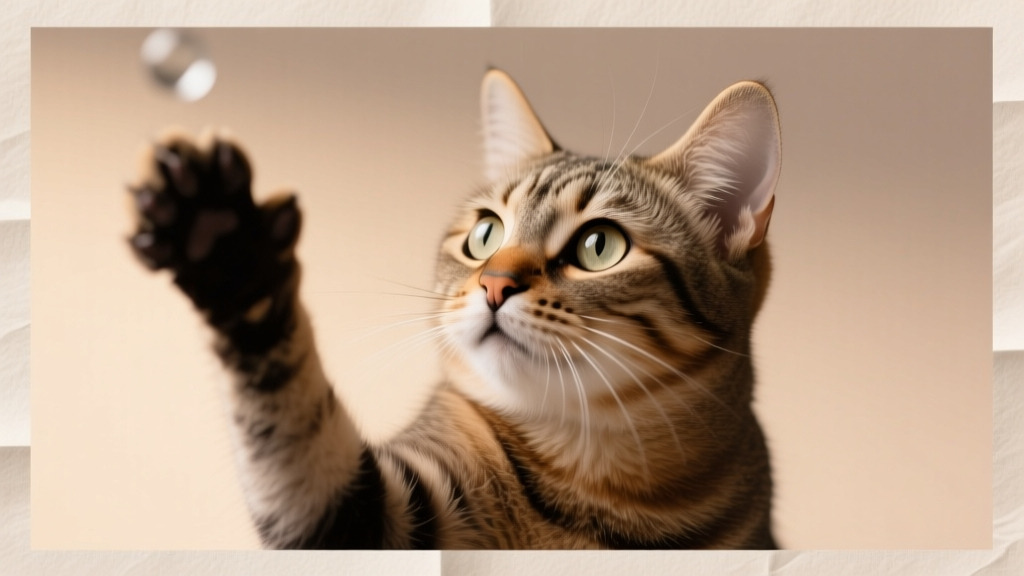
- 10 minutes of interactive play with wand toys that mimic prey movement (jerk, pause, dart)—triggers hunting instinct and burns excess energy safely
Crucially: never force interaction. If your kitten freezes or flattens ears, retreat and try again later. Stress hormones like cortisol suppress immune function—making them more susceptible to URI viruses circulating in multi-cat homes.
Litter Training Refinement & Territory Mapping
By 11 weeks, litter training should be solid—but subtle issues often emerge now. Why? Your kitten’s bladder capacity has increased, and they’re developing territorial awareness. If accidents occur, rule out medical causes first (UTI, constipation, or early kidney stress). Then assess environment: Is the box in a high-traffic area? Do they share with other cats? The 1:1+1 rule applies—1 box per cat, plus 1 extra. Place boxes on each floor, away from food/water (cats instinctively avoid elimination near sustenance).
Use unscented, clumping clay or paper-based litter—avoid crystal or scented varieties, which deter use in 68% of kittens (Cornell Feline Health Center survey). Scoop twice daily: odor buildup signals ‘full’, prompting inappropriate elimination. If your kitten starts scratching outside the box, add a second box with different substrate nearby—some prefer softer textures for digging.
Also introduce scratching posts *now*, not later. Provide vertical (sisal-wrapped posts) and horizontal (corrugated cardboard pads) options. Trim nails weekly using guillotine clippers—only the clear tip, avoiding the pink quick. Bleeding from over-trimming triggers pain-avoidance, making future trims traumatic.
| Milestone | Age Range | Critical Action | Risk of Delay |
|---|---|---|---|
| FVRCP Booster | 10–12 weeks | Administer final core vaccine; confirm titer if immunocompromised | Non-response; lifelong susceptibility to panleukopenia (fatality rate: 90% in unvaccinated) |
| Socialization Consolidation | 9–12 weeks | Daily positive exposures to people, objects, sounds, surfaces | Chronic fearfulness; aggression toward strangers/vets; failure to adapt to new homes |
| Spay/Neuter Consultation | 11–12 weeks | Discuss timing with vet; early-age neutering (12–16 weeks) prevents spraying & roaming | Unwanted litters (females can cycle as early as 4 months); hormone-driven behavioral issues |
| Nutrition Assessment | 11 weeks | Weigh weekly; adjust calories if gaining >15g/day (ideal: 10–12g/day) | Obesity by 6 months; orthopedic strain; shortened lifespan (median 12.1 vs. 15.8 years) |
Frequently Asked Questions
Can my 11-week-old kitten go outside?
No—absolutely not. Even supervised outdoor time exposes them to unvaccinated cats, parasites (like Toxoplasma gondii), toxins (antifreeze, pesticides), and predators. The safest outdoor experience is a securely enclosed 'catio' with shade, climbing structures, and escape-proof mesh. Wait until 2 weeks post-final vaccine (typically week 13) and discuss outdoor risk assessment with your vet.
My kitten bites during play—how do I stop it?
This is normal predatory behavior—but must be redirected *before* teeth touch skin. When biting begins, immediately freeze, withdraw your hand, and offer a toy (e.g., feather wand). Never use hands as toys—even gentle mouthing reinforces biting. If biting persists, end play for 60 seconds—this teaches consequence. Consistency for 5–7 days usually resolves it.
Should I bathe my 11-week-old kitten?
Almost never. Kittens self-groom effectively. Bathing strips natural oils, causes hypothermia (they lose heat 3× faster than adults), and induces severe stress. Only bathe if contaminated with toxic substances (e.g., oil, paint) — use Dawn dish soap diluted 1:4 with warm water, rinse thoroughly, and dry with warm towels (no blow dryer). Most 'kitten shampoos' are unnecessary and potentially irritating.
How much sleep does an 11-week-old kitten need?
16–20 hours per day—but in 20–30 minute cycles. They nap deeply after play bursts to consolidate motor learning. Don’t disturb deep sleep (paws twitching, whiskers moving, eyes closed tightly). Disruption impairs memory encoding and immune recovery. Provide quiet, warm, elevated napping spots (cardboard boxes lined with fleece work perfectly).
Is it okay to let my kitten sleep in my bed?
Yes—if you’re consistent and safe. Ensure bedding is smooth (no loose threads), no gaps where they could fall, and no blankets heavy enough to restrict breathing. However, avoid co-sleeping if you’re a restless sleeper or take medications/supplements that could harm them if ingested. Also, delay bed-sharing until litter training is flawless (to prevent accidents).
Common Myths About 11-Week-Old Kittens
Myth #1: “They’re old enough to skip vaccines if they’ve been indoors.”
False. Indoor kittens still risk exposure via owners’ shoes, clothing, or screened windows (mosquitoes transmit heartworm). Panleukopenia virus survives in environments for up to 1 year—just walking into a pet store parking lot poses risk.
Myth #2: “Kittens this age don’t need dental care yet.”
Wrong. Plaque begins forming within 24 hours of eating. Start gum massage with a soft finger brush and pet-safe toothpaste at 11 weeks. Kittens introduced early accept brushing 89% more readily as adults (AVDC study, 2021).
Related Topics (Internal Link Suggestions)
- Kitten Vaccination Schedule — suggested anchor text: "comprehensive kitten vaccination timeline"
- When to Spay a Kitten — suggested anchor text: "best age to spay female kitten"
- Kitten Litter Training Mistakes — suggested anchor text: "why your kitten won't use the litter box"
- High-Quality Kitten Food Brands — suggested anchor text: "vet-recommended kitten food brands"
- Signs of Sick Kitten — suggested anchor text: "early warning signs of kitten illness"
Next Steps: Your 72-Hour Action Plan
You now know that how to care for 11 week old kitten isn’t about generic tips—it’s about precision timing, science-backed thresholds, and proactive intervention. Your immediate next steps: (1) Call your vet today to schedule the 11-week booster and fecal test; (2) Audit your home for 3 new texture/sound exposures to introduce tomorrow; (3) Weigh your kitten and log it—then compare to the ideal growth chart (males: ~2.2–2.6 lbs; females: ~2.0–2.4 lbs at 11 weeks). This week isn’t just another milestone—it’s your last best chance to build lifelong resilience. Don’t wait. Your kitten’s future health, confidence, and bond with you depend on what you do in the next 72 hours.