How to Care for a Kitten 3 Weeks Old: The 7 Non-Negotiable Steps Every New Caregiver Misses (And Why Skipping #4 Can Cause Permanent Damage)
Why This Week Is the Most Critical in Your Kitten’s Life
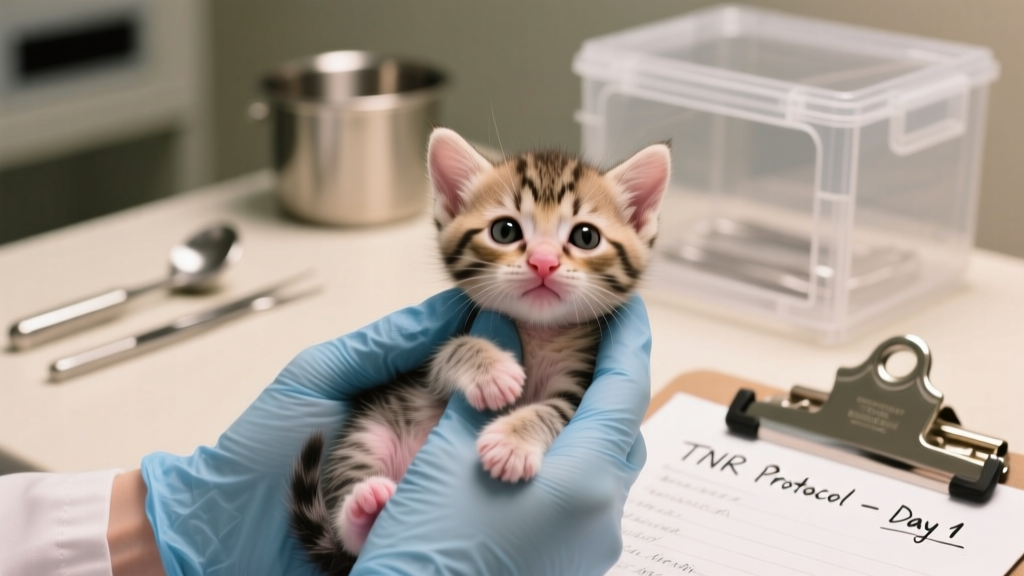
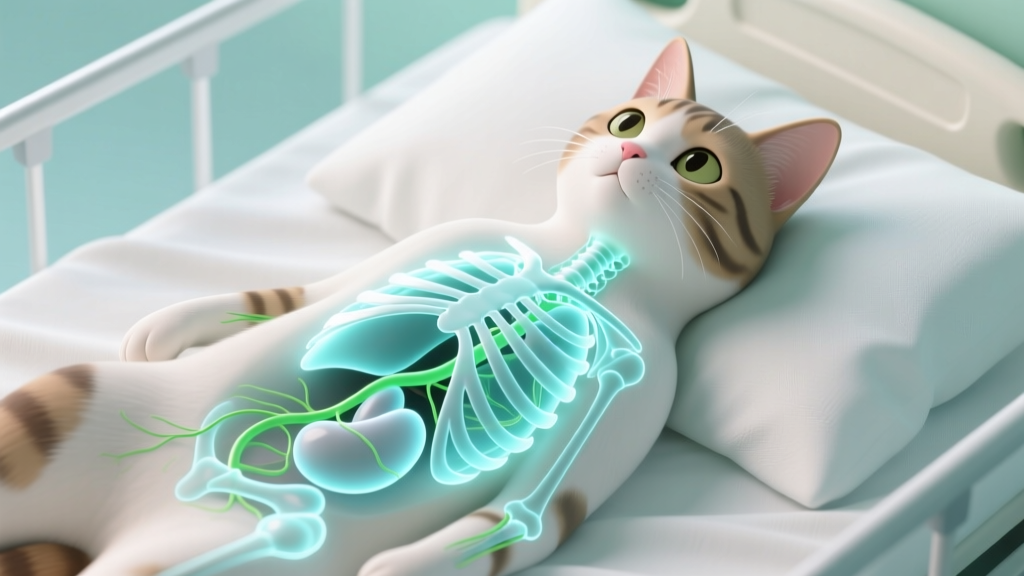
If you’re searching how to care for a kitten 3 weeks old, you’re likely holding a fragile, wide-eyed bundle who can’t yet regulate body temperature, digest solid food, or eliminate without help—and whose immune system is still nearly defenseless. At exactly 21 days old, kittens sit at a razor-thin biological threshold: they’re transitioning from passive newborns to active explorers, but one missed feeding, one degree of hypothermia, or one bout of unstimulated constipation can spiral into sepsis, failure-to-thrive, or sudden death within hours. This isn’t exaggeration—it’s what Dr. Sarah Lin, DVM and neonatal feline specialist at UC Davis Veterinary Medical Teaching Hospital, calls 'the golden 72-hour window' where human intervention directly determines survival odds. In this guide, we break down exactly what your kitten needs—no fluff, no assumptions, just actionable, vet-validated protocols you can start applying today.
Feeding: More Than Just Milk—It’s Timing, Temperature & Technique
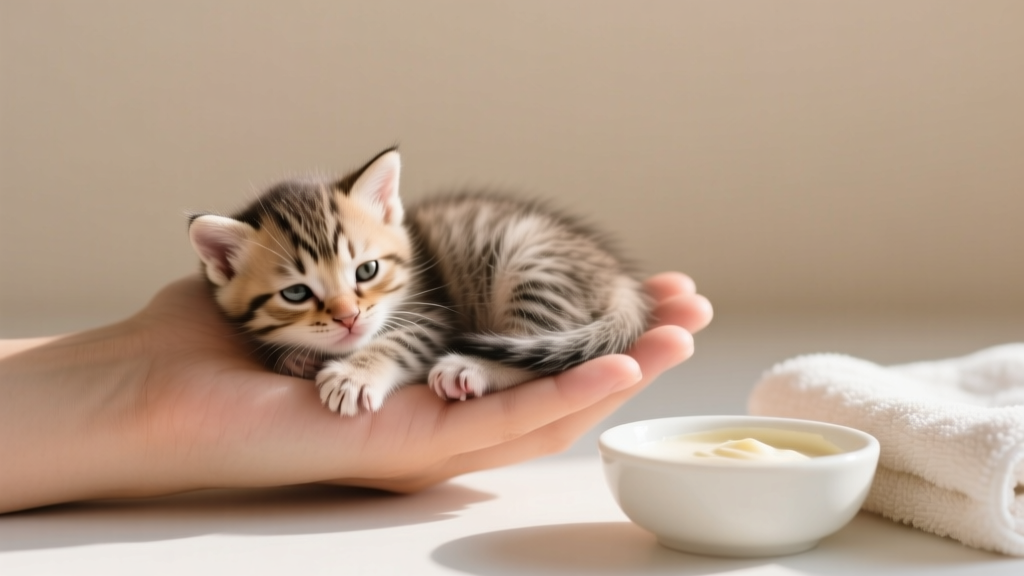
At 3 weeks, kittens are still 100% dependent on milk—but not all milk works, and not all feeding methods are safe. Cow’s milk causes severe diarrhea and dehydration; homemade formulas lack essential taurine and arginine and can trigger metabolic collapse. You must use a commercial kitten milk replacer (KMR) or similar veterinary-grade formula like Breeder’s Edge or PetAg KMR. Crucially, kittens this age need to eat every 3–4 hours—including overnight—because their tiny stomachs hold only 2–3 mL per feeding, and blood glucose drops dangerously low after 5 hours without calories.
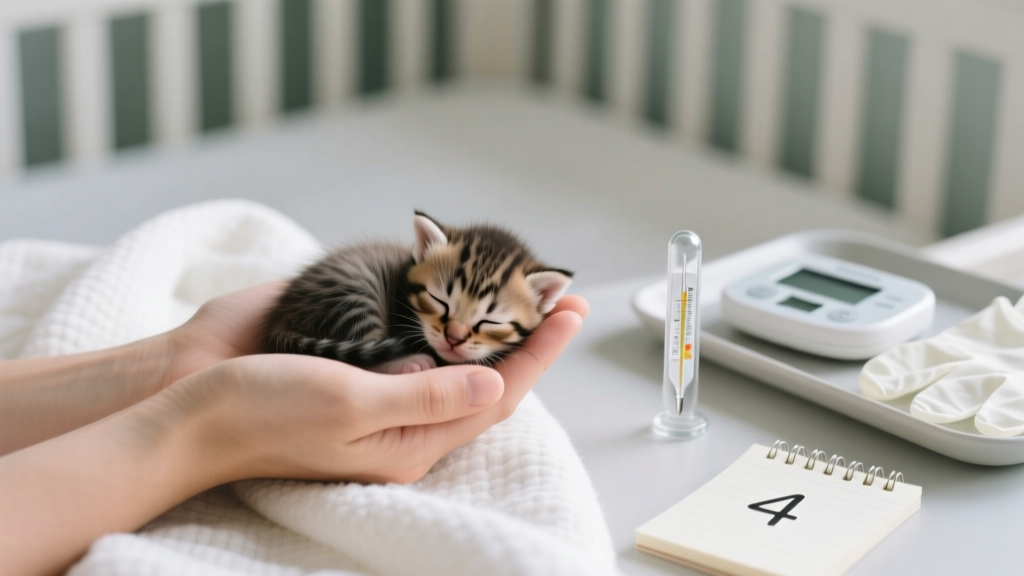
Use a 1–3 mL syringe (without needle) or a specialized kitten nursing bottle with a soft, ultra-fine nipple—not a dropper (too fast) or spoon (choking hazard). Warm formula to 98–100°F (test on your inner wrist—never microwave). Hold the kitten upright, belly-down across your palm or on a towel-covered lap, gently guiding the nipple to its mouth. Never force-feed or tilt the head back—this risks aspiration pneumonia, the leading cause of death in hand-reared kittens under 4 weeks. A healthy 3-week-old should gain ~5–10 grams per day; weigh daily on a digital kitchen scale (calibrated in grams) and log results. If weight loss occurs over 24 hours—or if the kitten refuses 2+ consecutive feedings—contact your vet immediately.
Dr. Lin emphasizes: 'A 3-week-old kitten losing just 10% of its body weight in 24 hours is in acute crisis. That’s not 'just sleepy'—it’s early shock.' She recommends keeping a 'feeding log' with timestamps, volume offered, volume consumed, stool color/consistency, and activity level. One foster caregiver in Portland documented how tracking this revealed her kitten was only consuming 60% of required intake—leading to timely correction before lethargy set in.
Warmth & Environment: Your Thermostat Is Their Lifeline
A 3-week-old kitten cannot shiver effectively or generate enough heat to maintain core temperature. Their thermoneutral zone—the range where they don’t burn extra calories to stay warm—is narrow: 85–90°F (29–32°C). Below 80°F, metabolism plummets, digestion stalls, immunity crashes, and hypothermia sets in silently. Yet overheating is equally dangerous: above 95°F, they dehydrate rapidly and risk heat stroke.
Never rely on heating pads alone—they create hot spots and burn risk. Instead, use a dual-layer setup: place a Snuggle Safe microwavable disc (pre-heated for 2 minutes, wrapped in two fleece blankets) on one side of a small, enclosed box (like a plastic sweater storage bin), and leave the opposite side cooler for thermoregulation. Cover the entire setup with breathable cotton fabric—not polyester or fleece that traps moisture. Monitor ambient temperature with a digital hygrometer/thermometer placed at kitten level—not on the wall. Change bedding daily; dampness accelerates heat loss 25x faster than dry air.
Here’s what real-world data shows: A 2022 study published in Journal of Feline Medicine and Surgery tracked 147 orphaned kittens aged 18–24 days. Those housed at stable 87°F with humidity 50–60% had a 92% survival rate through weaning. Those kept at room temperature (72°F) averaged only 41% survival—even with perfect feeding. The takeaway? Warmth isn’t comfort—it’s non-negotiable physiology.
Stimulation & Elimination: Why You Must Be Their Bladder & Bowels
Until ~3.5 weeks, kittens cannot urinate or defecate without physical stimulation—a reflex triggered by maternal licking. Without it, urine backs up, causing painful bladder distension, UTIs, and kidney damage. Constipation leads to toxic buildup, vomiting, and ileus (intestinal paralysis). This isn’t optional—it’s mandatory, gentle, and timed precisely.
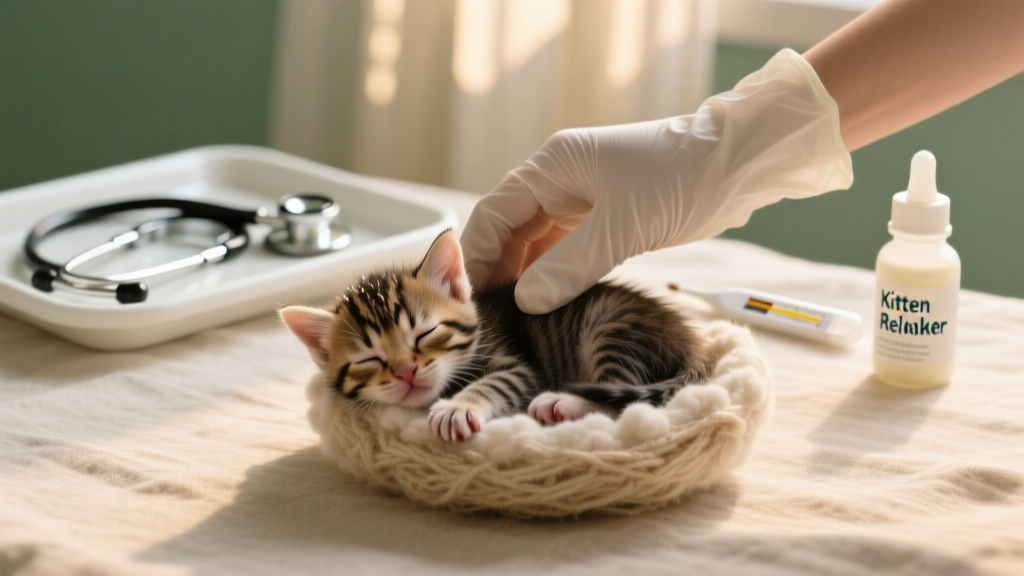
After every feeding (yes—even the 2 a.m. one), stimulate for 60–90 seconds using a warm, damp cotton ball or soft washcloth. Gently stroke the genital and anal area in downward motions—like a mother cat would—with light pressure. Stop once urine or stool appears (usually within 20–40 seconds). Urine should be pale yellow and clear; stool mustard-yellow, soft but formed. Record output daily—if no urine appears after 3 stimulations, or stool is hard, green, or bloody, contact your vet within the hour.
One foster mom in Austin shared how skipping stimulation during a late-night feeding led to her kitten developing urinary retention by morning—requiring catheterization and IV fluids. ‘I thought, “She’s 3 weeks—she’ll figure it out.” But she didn’t have the neurologic wiring yet,’ she said. That’s why vets stress: stimulation isn’t babysitting—it’s medical care.
Monitoring Development & Red Flags: What Normal Looks Like (and What Screams Emergency)
At 3 weeks, kittens undergo explosive neurological and sensory development. Eyes should be fully open (though blue-gray and hazy); ears should be upright and responsive to sound; they should lift their heads steadily, wiggle hind legs when held upright, and show early interest in surroundings—turning toward voices or gentle movement. They may attempt crawling, but won’t walk confidently until week 4.
Red flags demand immediate vet attention:
- Cool ears or paws—indicates systemic hypothermia, even if ambient temp seems fine
- Pitched, high-pitched mewing—not loud crying, but an eerie, weak, continuous whine signaling pain or distress
- No stool for >24 hours—constipation becomes life-threatening fast
- Eyes crusted shut or discharging yellow/green pus—sign of upper respiratory infection (URI), which kills 3-week-olds in 48 hours without antibiotics
- Dragging hind legs or head tilt—possible neonatal tetanus or encephalitis
According to the ASPCA’s Neonatal Kitten Care Protocol, 83% of fatalities in kittens under 4 weeks stem from delayed recognition of these signs. Don’t wait for 'more symptoms.' Call your vet—or an emergency clinic—when you see one.
| Age Range | Key Developmental Milestones | Critical Care Actions | Risk if Missed |
|---|---|---|---|
| 2–3 weeks | Eyes fully open; ear canals open; begins lifting head; first attempts at crawling | Stimulate after every feeding; maintain 85–90°F ambient temp; weigh daily; begin gentle socialization (10 min/day with quiet voices/hands) | Hypothermia, urinary retention, failure-to-thrive |
| 3–4 weeks | First teeth erupt; starts standing; follows moving objects; vocalizes more intentionally | Introduce shallow dish of warmed KMR (not water); begin litter box orientation (low-sided box with paper pellets); increase handling time to 20 min/day | Dental decay from prolonged bottle-feeding; inappropriate elimination habits |
| 4–5 weeks | Walks confidently; plays with littermates; begins grooming; shows curiosity about food bowls | Start gruel (KMR + wet kitten food, 3:1 ratio); introduce shallow water dish; begin deworming per vet schedule | Malnutrition, parasitic load, dehydration |
| 5–6 weeks | Chews solid food; uses litter box reliably; plays chase; responds to name | Transition fully to wet food; schedule first FVRCP vaccine; spay/neuter consult (for future planning) | Vaccine-preventable disease; behavioral issues from under-socialization |
Frequently Asked Questions
Can I give my 3-week-old kitten water?
No—water poses serious aspiration and electrolyte imbalance risks at this age. Kittens get all necessary hydration from properly mixed kitten milk replacer. Introducing water too early dilutes stomach acid, impairs digestion, and increases diarrhea risk. Wait until week 4, and then offer only a shallow dish of room-temp water alongside gruel—not in a bottle or syringe.
How do I know if my kitten is getting enough to eat?
Weigh daily on a gram-scale: consistent 5–10g gain means adequate intake. Also observe belly firmness (should be gently rounded—not tight or sunken), pink gums (not pale or yellow), and contented, sleepy behavior post-feeding. If the kitten cries persistently after feeding, feels cold, or has infrequent stools, it’s likely underfed—even if it ‘seems full.’ Trust the scale, not intuition.
Is it safe to bathe a 3-week-old kitten?
No—bathing is extremely dangerous. Their temperature regulation is so poor that even brief exposure to cool air or damp fur can trigger fatal hypothermia within minutes. Spot-clean only with a warm, damp cloth if soiled. Never submerge, use soap, or blow-dry. If severely soiled (e.g., fecal matter), consult your vet—they may recommend a very brief, warm-water dip with immediate towel-drying and warming.
When should I take my 3-week-old kitten to the vet?
For wellness: schedule first visit between 3.5–4 weeks for weight check, deworming, and baseline exam. For emergencies: go immediately for any of these—no stool for >24 hrs, labored breathing, blue/pale gums, seizures, inability to suckle, rectal temperature <94°F or >104°F, or persistent crying for >2 hours. Do not wait for ‘regular hours’—neonatal emergencies escalate in minutes, not hours.
Can I hold my 3-week-old kitten?
Yes—but with strict limits and technique. Hold for no more than 10–15 minutes, 2–3 times daily, always supporting chest and hindquarters. Wash hands before and after. Avoid strong scents (perfume, smoke), loud noises, or other pets. This builds trust and neural pathways—but never sacrifice warmth or feeding for handling. If the kitten feels cool or stops rooting, return it to warmth immediately.
Common Myths Debunked
Myth #1: “Kittens this age can self-regulate their body temperature if they’re with siblings.”
False. Even in a litter, kittens under 4 weeks rely on external heat sources. Body heat from siblings is inconsistent and insufficient—especially if one is weaker or smaller. Thermographic studies show surface temps drop 5–8°F within 10 minutes of separation, triggering metabolic slowdown.
Myth #2: “If they’re sleeping a lot, they’re just tired—it’s normal.”
Not necessarily. While 3-week-olds sleep 18–20 hours/day, lethargy—defined as unresponsiveness to touch, weak suckling, or inability to lift head—is a red flag. True sleep includes twitching, ear flicks, and occasional eye movements. Motionless, floppy, or limp posture signals neurological or metabolic compromise.
Related Topics (Internal Link Suggestions)
- Kitten Feeding Schedule by Age — suggested anchor text: "kitten feeding schedule by age"
- Signs of Dehydration in Kittens — suggested anchor text: "signs of dehydration in kittens"
- How to Stimulate a Kitten to Poop — suggested anchor text: "how to stimulate a kitten to poop"
- Best Kitten Milk Replacer Brands — suggested anchor text: "best kitten milk replacer brands"
- When to Start Weaning Kittens — suggested anchor text: "when to start weaning kittens"
Your Next Step: Act Within the Next 60 Minutes
You now know the 7 pillars of survival for a 3-week-old kitten: precise feeding, thermal stability, elimination support, vigilant monitoring, developmental awareness, myth-aware decision-making, and rapid escalation when red flags appear. This isn’t theoretical—it’s protocol used in shelters and veterinary neonatal units with proven outcomes. So right now: grab a gram-scale (or borrow one), check your thermometer, warm a Snuggle Safe disc, mix fresh KMR, and weigh your kitten. Then call your vet to confirm your plan—or book an urgent visit if you observed any red flags while reading. Every minute counts—but with this knowledge, you’ve already given your kitten its best possible chance. You’ve got this.