Feline Chylothorax: Lymph Fluid in Chest Cavity
1. Introduction: Why this topic matters for cat owners
When a cat is struggling to breathe, it’s frightening—and it can change quickly from “maybe they’re just tired” to a true emergency. One less common but very serious cause of breathing trouble is feline chylothorax, a condition where a milky lymph fluid called chyle leaks into the space around the lungs. The good news is that many cats can be stabilized, treated, and enjoy good quality of life, especially when the problem is recognized early.
This guide explains what chylothorax is, what signs you can watch for at home, what your veterinarian may do to diagnose it, and what treatment and long-term care can look like. If you suspect any breathing difficulty, always contact a veterinarian right away.
2. Overview: What is chylothorax (plain-language explanation)
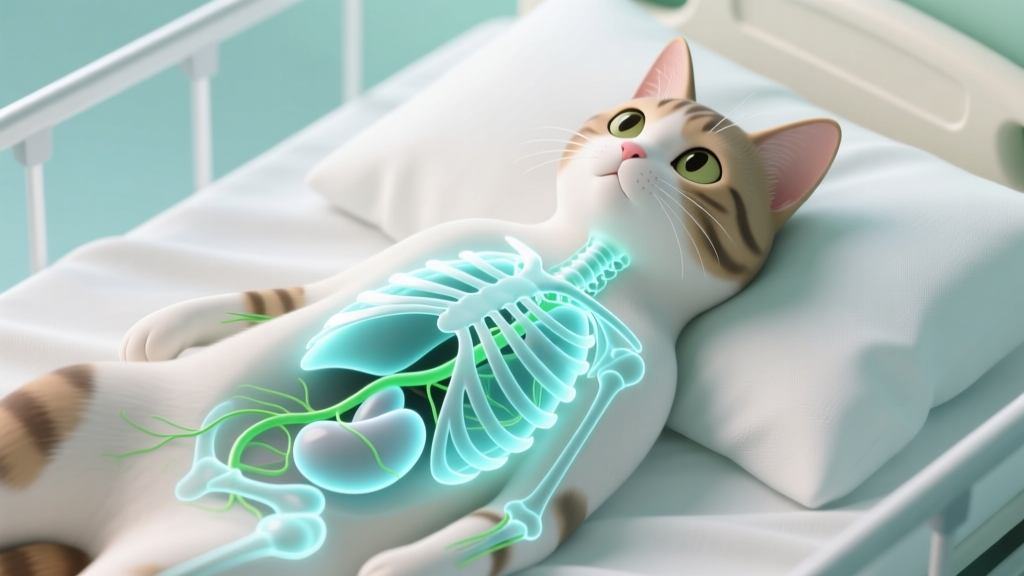
Chylothorax means chyle in the thorax (chest). The chest contains the heart and lungs, and the lungs sit inside a thin “sac” with a small amount of normal lubrication fluid. In chylothorax, a larger amount of fluid builds up in the pleural space (the space between the lungs and the chest wall). That extra fluid prevents the lungs from expanding fully, making breathing harder.
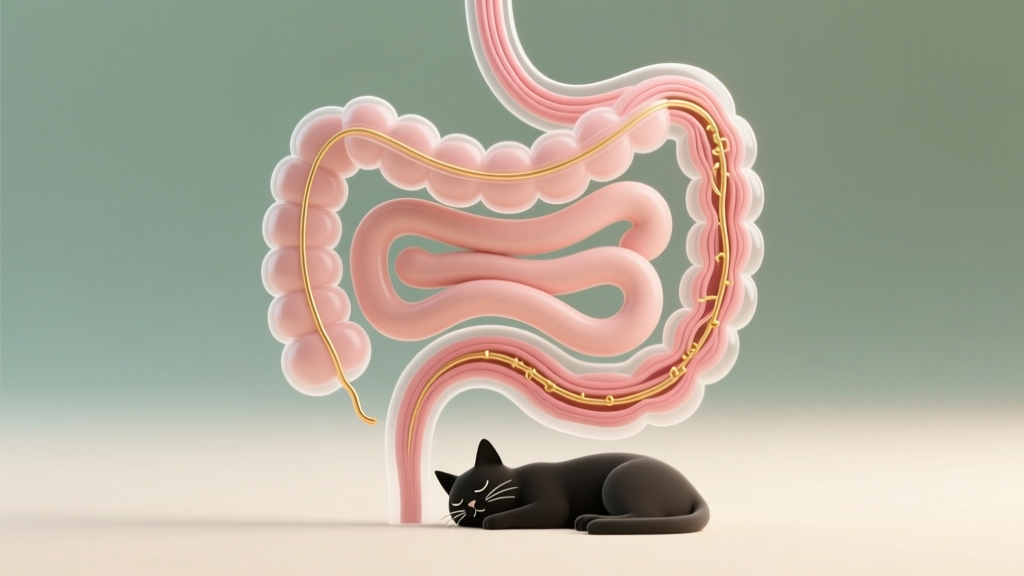
What is chyle? Chyle is a type of lymph fluid that’s rich in fat and immune cells. It forms during digestion and travels through lymphatic vessels to eventually enter the bloodstream. The major “highway” for this fluid is the thoracic duct, which runs through the chest. If the thoracic duct leaks or pressure changes disrupt normal flow, chyle can seep into the pleural space.
Why chylothorax is a big deal: Even if the underlying cause isn’t immediately life-threatening, the fluid itself can cause:
- Breathing distress due to restricted lung expansion
- Inflammation of the pleural lining over time
- Scar-like changes (fibrosis) that can make chronic cases harder to treat
3. Symptoms and warning signs to watch for
Some cats show subtle signs at first, especially if fluid accumulates slowly. Others worsen rapidly. Contact your veterinarian promptly if you notice any of the following.
Breathing-related signs
- Fast breathing rate (resting respiratory rate consistently above about 30–35 breaths/minute is a concern; above 40 is more urgent)
- Increased effort to breathe (belly moving more than usual, or visible effort from the chest/abdomen)
- Open-mouth breathing (in cats, this is often an emergency sign)
- Reluctance to lie down or sitting with elbows held away from the body
- Wheezing or muffled breath sounds (you may not hear this, but a vet may)
General signs
- Low energy or hiding more than usual
- Reduced appetite or weight loss
- Coughing (less common in cats than in dogs, but possible)
- Stress with handling or easily winded after mild activity
Practical tip you can do today: track resting breathing
When your cat is asleep or calmly resting, count breaths for 30 seconds and multiply by 2. Write it down daily for a week if you’re monitoring a health issue. A rising trend matters even if your cat “seems okay.” If your cat is breathing with effort, don’t spend time counting—seek veterinary help immediately.
4. Causes and risk factors
Chylothorax can be idiopathic (no identifiable cause) or secondary to another problem. Finding the cause helps guide treatment, but even when a cause isn’t found, supportive care and targeted therapies can still help.
Common underlying causes
- Heart disease (conditions that raise pressure in veins near where the thoracic duct drains can disrupt lymph flow)
- Mediastinal masses (tumors or enlarged lymph nodes in the chest that compress lymphatic vessels)
- Trauma (such as a fall, bite wound, or car accident that injures lymphatic vessels)
- Blood clots or vessel abnormalities that alter chest circulation
- Fungal or parasitic disease in some regions (rare, but possible)
- Congenital lymphatic abnormalities (uncommon)
Risk factors
- Middle-aged to older cats are more often diagnosed, though any age is possible
- Cats with known heart murmurs or prior cardiac findings
- Cats with a history of chest trauma
If your cat has repeated breathing episodes or has been diagnosed with pleural effusion before, ask your veterinarian whether chylothorax is on the list of possibilities.
5. Diagnosis: methods and what to expect at the vet
Diagnosis focuses on two goals: stabilizing breathing and identifying the fluid type and underlying cause.
Initial evaluation
- Physical exam (listening for muffled heart/lung sounds, checking gum color, breathing effort)
- Oxygen support may be started right away if your cat is distressed
- Gentle handling is prioritized—stress can worsen breathing difficulty
Chest imaging
- Chest X-rays often show fluid in the pleural space and compressed lungs
- Ultrasound can confirm fluid and help guide fluid removal
- Echocardiogram (heart ultrasound) may be recommended to evaluate heart disease
- CT scan may be used in complicated cases to look for masses or lymphatic issues
Thoracocentesis (removing fluid from the chest)
This is both a treatment and a diagnostic step. A veterinarian places a needle or small catheter into the pleural space to remove fluid, allowing the lungs to expand and making breathing easier. The fluid is then tested.
Fluid analysis (how chylothorax is confirmed)
Chyle often looks milky or creamy, but appearance alone isn’t enough. Lab testing commonly includes:
- Triglyceride comparison (pleural fluid triglycerides are typically higher than blood triglycerides in true chylothorax)
- Cytology (microscope exam; chyle often contains many small lymphocytes, especially early on)
- Culture in select cases (if infection is suspected)
Ask your veterinarian what the fluid results show and whether the pattern suggests an underlying cause that needs further testing.
6. Treatment options (medical, surgical, home care)
Treatment depends on how sick your cat is, how quickly fluid returns, and whether an underlying cause is identified. Many cats need a combination of approaches.
Emergency and short-term stabilization
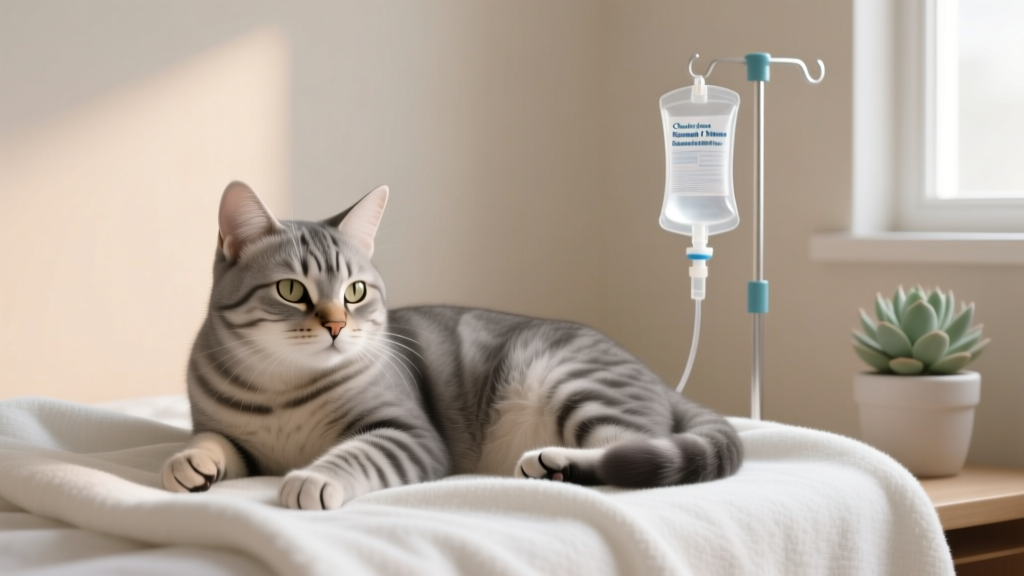
- Oxygen therapy (mask, flow-by, oxygen cage)
- Thoracocentesis to remove fluid and relieve pressure on the lungs
- Hospitalization for monitoring if breathing is unstable
Medical management
Medical therapy may be used alone (especially early or mild cases) or alongside surgery.
- Rutin (rutoside): a supplement sometimes used to help the body absorb pleural fluid; response varies by cat. Only use it under veterinary guidance for correct dosing and safety.
- Dietary fat modification: In some cases, a lower-fat diet may be recommended to reduce chyle production. Cats have specific nutritional needs, so do not switch diets without your veterinarian’s input.
- Treating the underlying cause: heart medications if heart disease is present; oncology care if a mass is found; targeted therapy for infections when relevant.
- Pain/stress control: careful medication choices may be used to keep breathing calm and comfortable.
Surgical and interventional options
Surgery is considered when chylothorax is persistent, returns quickly after drainage, or becomes chronic. Options may include:
- Thoracic duct ligation (tying off the thoracic duct to redirect lymph flow)
- Cisterna chyli ablation (a procedure that can improve outcomes when combined with duct ligation)
- Pericardectomy (removing part of the sac around the heart in select cases to reduce pressure and improve lymph drainage)
- Pleural access port (a device placed under the skin that allows repeat fluid drainage at home or in the clinic, reducing repeated needle sticks)
Your veterinarian may refer you to a board-certified veterinary surgeon or internist to discuss the best plan and expected success rates for your cat’s specific situation.
Home care and monitoring
Home care focuses on reducing stress, tracking breathing, and ensuring good nutrition.
- Measure resting respiratory rate once daily at the same time
- Keep activity gentle during recovery; avoid vigorous play if it triggers fast breathing
- Give medications exactly as prescribed and ask before adding supplements
- Support appetite: warm food slightly, offer small frequent meals, and report reduced eating promptly
- Minimize stress: quiet room, predictable routine, easy access to litter box and water
7. Prevention strategies and early detection tips
There’s no guaranteed way to prevent chylothorax, especially idiopathic cases, but you can improve early detection and reduce risks that worsen breathing problems.
- Schedule regular wellness exams so murmurs, weight changes, or subtle breathing changes are caught earlier
- Track resting respiratory rate for cats with heart disease, past pleural effusion, or recurrent “breathing spells”
- Keep cats indoors or supervised outdoors to reduce trauma risk (falls, car accidents, animal fights)
- Address coughing or persistent lethargy early rather than waiting for severe breathing trouble
- Follow through on recommended imaging (echo, X-rays) if your vet suspects heart or chest disease
8. Prognosis and quality of life considerations
The outlook for chylothorax varies widely. Some cats respond to medical management and gradually improve. Others have recurrent fluid buildup that requires repeated drainage, long-term management, or surgery.
Factors that affect prognosis
- Underlying cause (heart disease or cancer may change the long-term outlook)
- How long fluid has been present (chronic inflammation can lead to pleural fibrosis)
- How quickly fluid returns after thoracocentesis
- Response to treatment (medical therapy vs. need for surgery)
Quality of life signs to monitor
- Comfortable breathing at rest
- Normal interest in food and social interaction
- Ability to move around without becoming winded
- Stable weight and hydration
Many cats can have good days and weeks between flare-ups when well managed. Work closely with your veterinarian to define “red flag” changes that mean it’s time for recheck or repeat imaging.
9. When to seek emergency veterinary care
Seek emergency care immediately if you notice any of the following:
- Open-mouth breathing or panting
- Blue, gray, or very pale gums
- Severe or rapidly worsening breathing effort (heaving sides, pronounced belly breathing)
- Collapse, extreme weakness, or inability to stand
- Breathing rate persistently above 40–50 breaths/minute at rest, especially with effort
What to do on the way to the vet: Keep your cat calm, in a carrier with good airflow, avoid excessive handling, and go directly to the nearest emergency clinic. Do not attempt home treatments for breathing distress.
10. FAQ: Common questions cat owners ask
Is chylothorax contagious to other cats or people?
No. Chylothorax itself is not contagious. It’s a fluid buildup caused by lymphatic leakage or disruption. If an underlying infectious disease is identified (rare), your veterinarian will explain any precautions.
Will my cat need repeated chest taps (thoracocentesis)?
Some cats improve after one or a few procedures, while others have fluid that returns frequently. If repeat drainage is needed often, your veterinarian may discuss a pleural port or surgical options to reduce recurrence and improve comfort.
Can diet fix chylothorax?
Diet alone usually doesn’t “fix” it, but nutritional adjustments may be part of a broader plan. Because cats require specific nutrients (and some have other medical issues), any diet change should be guided by your veterinarian.
How do I monitor my cat at home without stressing them?
Focus on quiet observation: count resting breaths while your cat sleeps, note appetite and energy, and watch for subtle increases in breathing effort. Keep a simple log. If you see a worsening trend, contact your vet before it becomes urgent.
Is surgery always required?
No. Some cats respond to medical management, especially if an underlying cause can be treated. Surgery is more commonly recommended for persistent or recurrent cases, or when chronic changes are developing.
What’s the long-term outlook?
It depends on the cause and how your cat responds to treatment. Many cats can have a good quality of life with proper veterinary care and monitoring. Your veterinarian can give the most accurate prognosis after imaging, fluid analysis, and response to initial treatment are known.
If your cat shows any breathing changes, consult a veterinarian promptly—early evaluation can make treatment smoother and outcomes better. For more cat health resources, caring guides, and practical wellness tips, visit catloversbase.com.