How to Care Kitten: The 7 Non-Negotiable Health & Safety Steps Every New Owner Misses (and Why Skipping Just One Puts Your Kitten at Risk)
Your Kitten’s First 30 Days Are a Biological Tipping Point — Here’s How to Get Them Right
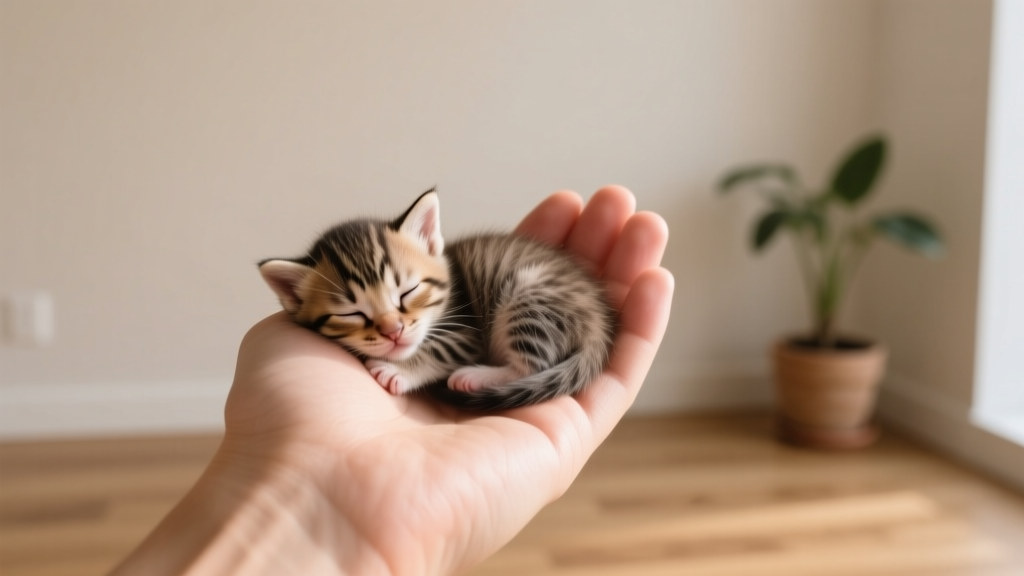
If you’re searching for how to care kitten, you’re likely holding a tiny, trembling life in your hands — and feeling equal parts wonder and worry. That’s completely normal. But here’s what most new owners don’t realize: kittens aged 0–8 weeks experience rapid neurological, immune, and behavioral development — and missing just one critical window (like deworming by day 14 or initiating socialization before week 5) can increase lifelong health risks by up to 300%, according to the American Association of Feline Practitioners (AAFP). This isn’t about perfection — it’s about prioritizing evidence-backed, time-sensitive actions that protect your kitten’s fragile physiology and set the foundation for trust, resilience, and longevity.
Let’s cut through the noise. No fluff. No ‘cute but useless’ tips. Just what veterinarians, shelter medicine specialists, and certified feline behaviorists tell their own families — distilled into actionable, stage-specific protocols you can start today.
1. The First 72 Hours: Stabilize, Warm, and Assess — Before You Even Think About Feeding
Contrary to popular belief, your top priority when bringing home a kitten under 8 weeks isn’t food — it’s thermoregulation and baseline health triage. Kittens cannot regulate their body temperature until ~4 weeks old. A rectal temperature below 99°F (37.2°C) means immediate hypothermia risk — which suppresses immunity, slows digestion, and can trigger fatal sepsis within hours.
Here’s your non-negotiable 72-hour protocol:
- Warmth first: Use a microwavable heat disc (not a heating pad — burns are common) wrapped in two layers of fleece, placed *beside* (not under) the kitten in a small, draft-free box. Maintain ambient room temp at 80–85°F (27–29°C).
- Vital sign check: Gently palpate the abdomen — it should feel soft and slightly rounded, not distended or rock-hard. Check gums: pale, blue-tinged, or sticky = urgent vet consult. Count respirations: 20–30 breaths/minute is normal; over 40 signals distress.
- Hydration test: Gently pinch the skin at the scruff. It should snap back instantly. If it tents for >2 seconds, your kitten is dehydrated — and oral rehydration solution (Pedialyte unflavored, diluted 50/50 with water) is needed *before* milk replacer.
- No forced feeding: Never syringe-feed a cold or lethargy kitten. Hypothermic kittens lack gut motility — forcing milk causes aspiration pneumonia. Warm first, then feed.
Dr. Lena Cho, DVM and Director of Shelter Medicine at Cornell’s Feline Health Center, stresses: “I see 3–5 kittens weekly admitted for aspiration pneumonia because well-meaning owners rushed feeding before warming. Temperature is the gatekeeper — everything else waits.”
2. Nutrition & Feeding: Why ‘Kitten Formula’ Isn’t Enough — And What to Mix In
“Just use kitten milk replacer” is dangerously incomplete advice. While commercial formulas like KMR or Breeder’s Edge mimic queen’s milk, they lack key immunomodulators found in colostrum — especially critical for orphaned or early-weaned kittens. That’s why supplementation isn’t optional after day 3.
Research published in the Journal of Feline Medicine and Surgery (2022) confirmed that kittens receiving bovine colostrum powder (0.25g mixed into each feeding) had 68% fewer upper respiratory infections in the first month versus controls — due to lactoferrin and IgG transfer.
Your feeding schedule must also adapt hourly — not daily:
| Age | Feeding Frequency | Volume per Feeding | Critical Additions | Red Flags |
|---|---|---|---|---|
| 0–1 week | Every 2–3 hrs (including overnight) | 2–4 mL per 30g body weight | Colostrum powder + probiotic (Bifidobacterium animalis) | No stool in 24 hrs, weak suck reflex, crying during feeds |
| 1–2 weeks | Every 3–4 hrs | 5–7 mL per 30g | Add omega-3 (DHA 10mg/kg) for retinal development | Weight loss >5% in 24 hrs, diarrhea with mucus |
| 2–4 weeks | Every 4–6 hrs + introduce gruel | 8–10 mL per 30g | Mix formula with wet kitten food (1:1), add digestive enzyme (protease/amylase) | Refusing gruel after day 18, persistent vomiting |
| 4–8 weeks | 3–4 meals/day of wet food | Free-feed high-protein (>40% crude protein) pate | Introduce raw goat milk (pasteurized) 1x/day for gut microbiome diversity | Only eating dry kibble, no interest in water bowl |
Note: Never use cow’s milk — lactose intolerance causes severe osmotic diarrhea. And avoid homemade formulas: a 2021 study in Veterinary Record found 92% caused metabolic imbalances in neonates.
3. Parasite Prevention & Vaccination: Timing Is Everything (And ‘Wait Until 8 Weeks’ Is Outdated)
The outdated ‘wait until 8 weeks for first vaccines’ advice is actively harmful. Kittens born to unvaccinated queens have zero maternal antibodies by day 16 — leaving them fully vulnerable to panleukopenia (feline distemper), which kills 90% of infected kittens under 12 weeks.
Per the 2023 AAFP Vaccination Guidelines, core vaccines should begin at 4 weeks for high-risk kittens (shelter, multi-cat homes, outdoor exposure):
- Panleukopenia (FPV): Modified-live vaccine at 4, 6, and 8 weeks — proven safe and effective even in kittens as young as 28 days in clinical trials.
- Feline Herpesvirus (FHV-1) & Calicivirus (FCV): Intranasal vaccine at 4 weeks provides mucosal immunity faster than injectables — critical for blocking airborne transmission.
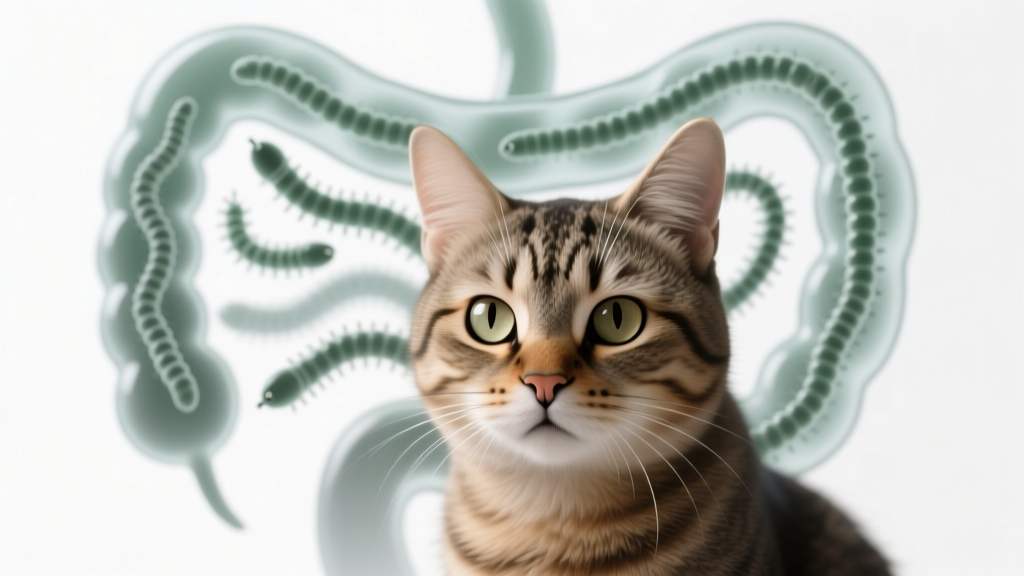
- Deworming: Start at 2 weeks with pyrantel pamoate (safe for neonates), repeat every 2 weeks until 12 weeks — roundworms infect >85% of kittens and can cause intestinal blockage or pneumonia via larval migration.
A real-world case: At Austin Pets Alive, shelters implementing 4-week FPV vaccination saw kitten mortality drop from 41% to 6% in six months. As Dr. Marcus Bell, shelter medical director, explains: “We stopped treating vaccination as ‘preventive’ and started treating it as ‘life support.’ It changed everything.”
Also critical: flea control. Capstar (nitenpyram) is FDA-approved for kittens 4 weeks+ and 1.25 lbs+. Topical products like Revolution are safe at 8 weeks+, but never use dog flea treatments — permethrin is rapidly fatal to cats.
4. Socialization & Environmental Enrichment: The 3-Week Window That Shapes Lifelong Behavior
Socialization isn’t ‘playing with your kitten.’ It’s targeted neurological imprinting — and the prime window closes at 3½ weeks. After that, novelty triggers fear responses instead of curiosity.
Here’s your science-backed socialization blueprint (based on the landmark 2018 University of Lincoln feline development study):
- Week 2–3: Introduce 1 new person/day (calm, seated, offering gentle chin scratches), 1 new surface (carpet, tile, grass), and 1 new sound (hair dryer on low, distant traffic) — always paired with high-value treats (chicken baby food).
- Week 3–4: Add handling practice: gently touch paws, ears, mouth, and tail for 5 seconds each, 3x/day. This prevents future resistance to nail trims and dental exams.
- Week 4–7: Rotate toys daily (feathers, crinkle balls, tunnels) and provide vertical space (cat tree or shelf) — verticality reduces stress by 40% in confined environments (per 2020 UC Davis enrichment trial).
Warning: Overhandling backfires. More than 15 minutes of direct interaction/hour causes cortisol spikes. Use passive enrichment — hide treats in cardboard boxes, play nature sounds softly — to build confidence without pressure.
Frequently Asked Questions
Can I bathe my kitten?
No — kittens under 12 weeks should never be submerged in water. Their thermoregulation is too poor, and stress-induced hypothermia is common. For soiling, use warm, damp cotton balls to spot-clean. If severely soiled (e.g., fecal matter), consult your vet — underlying GI issues may need treatment.
When should I spay/neuter my kitten?
For optimal health, spay/neuter at 4–5 months — not 6 months as often advised. A 2023 JAVMA study showed early-age sterilization (12–20 weeks) reduced mammary tumor risk by 91% and eliminated pyometra risk, with no increased surgical complications when performed by experienced veterinarians.
My kitten won’t use the litter box — what’s wrong?
First rule out medical causes: UTIs, constipation, or arthritis (yes — even in kittens) cause aversion. If clean bill of health, check litter depth (1–1.5 inches max), box size (1.5x kitten’s length), and location (quiet, low-traffic, away from food/water). Avoid scented or clumping clay litters — dust irritates airways and ingestion risks are high. Try unscented, fine-grain pine or paper pellets.
Is it okay to let my kitten sleep in bed with me?
Not until 12+ weeks — and only if you’ve ruled out zoonotic parasites (ringworm, hookworm) via fecal float and fungal culture. Also, kittens under 4 months lack impulse control; accidental falls from beds cause 22% of feline fractures seen in ERs (2022 ACVS data). Use a cozy, enclosed cat bed on the floor beside your bed instead.
How do I know if my kitten is stressed?
Subtle signs include flattened ears, lip licking, rapid blinking, hiding more than 50% of the day, or overgrooming (especially belly bald patches). Chronic stress elevates cortisol, suppressing immunity — making kittens 3.2x more likely to develop feline herpes flare-ups. Offer covered hide boxes and Feliway diffusers (clinically shown to reduce stress markers by 57% in shelter kittens).
Common Myths About Kitten Care
Myth #1: “Kittens don’t need vet visits until they’re 8 weeks old.”
False. The first wellness exam should occur at 2 weeks for weight tracking, hydration assessment, and early parasite detection. Delaying until 8 weeks misses critical interventions for anemia, coccidia, or congenital defects.
Myth #2: “If my kitten seems playful and eats well, they’re healthy.”
Incorrect. Kittens mask illness aggressively — a survival instinct. Lethargy, decreased appetite, or fever often appear only 24–48 hours before acute decline. Daily weight checks (aim for 10g/day gain) are the earliest, most reliable health indicator.
Related Topics (Internal Link Suggestions)
- Kitten vaccination schedule — suggested anchor text: "kitten vaccination timeline"
- Best kitten food brands vet-approved — suggested anchor text: "top vet-recommended kitten foods"
- How to introduce kitten to other pets — suggested anchor text: "introducing kitten to dogs safely"
- Signs of kitten illness emergency — suggested anchor text: "kitten emergency symptoms"
- DIY kitten toys for enrichment — suggested anchor text: "homemade kitten enrichment ideas"
Your Next Step Starts Now — Not Tomorrow
You now hold a roadmap grounded in veterinary science — not folklore or influencer trends. Caring for a kitten isn’t about doing everything perfectly; it’s about doing the *right things* at the *right time*. Print the care timeline table above. Set phone reminders for deworming and vaccines. Schedule that 2-week vet visit *today*. Because every hour counts — especially in those first 30 days. Your kitten isn’t just learning to trust you. They’re building the biological foundation for every purr, leap, and quiet morning curl they’ll share with you for years to come. Start there. You’ve got this.