What You Need to Care for a Kitten: The 7 Non-Negotiable Health & Safety Essentials Every New Owner Misses (Until It’s Too Late)
Why Getting This Right in the First 90 Days Changes Everything
If you’re asking what you need to care for a kitten, you’re not just looking for a shopping list — you’re seeking reassurance that you won’t accidentally compromise their fragile immune system, stunt their neurological development, or miss a silent medical crisis. Kittens under 12 weeks have mortality rates up to 3x higher than adult cats when basic preventive care is delayed or misapplied — yet over 68% of first-time owners skip at least one critical intervention in the first month, according to the 2023 AVMA Pet Ownership Survey. This isn’t about perfection; it’s about prioritizing evidence-backed actions that align with feline biology, not human intuition.
Vaccination & Parasite Prevention: Timing Is Biological, Not Convenient
Kittens are born with maternal antibodies that gradually wane between 6–16 weeks — creating a narrow ‘immunity gap’ where they’re vulnerable to deadly viruses like panleukopenia, calicivirus, and herpesvirus. Vaccines given too early get neutralized by those antibodies; too late, and exposure risk spikes. That’s why the American Association of Feline Practitioners (AAFP) mandates a strict 8-, 12-, and 16-week core vaccine schedule — not ‘around 3 months,’ as many pet stores suggest.
Parasites pose an equally urgent threat. A 2022 Cornell Feline Health Center study found that 41% of kittens under 8 weeks tested positive for roundworms — often asymptomatic until severe weight loss or intestinal blockage occurs. Flea infestations aren’t just uncomfortable: kittens can develop life-threatening anemia from a single flea’s blood meal due to their tiny blood volume.
Here’s what to do:
- Start deworming at 2 weeks, repeating every 2 weeks until 8 weeks (using fenbendazole, prescribed by your vet — over-the-counter ‘kitten wormers’ lack FDA approval for efficacy or safety in neonates).
- First vaccine at 8 weeks: FVRCP (feline viral rhinotracheitis, calicivirus, panleukopenia). Never administer without a full physical exam — vaccines stress immature immune systems if given to a dehydrated or feverish kitten.
- Flea/tick prevention begins at 8 weeks — but only with vet-approved products. Capstar (nitenpyram) is safe for kittens as young as 4 weeks for immediate flea kill; Bravecto Topical is approved for kittens 6+ weeks and 1.2 kg+, but never use dog products — permethrin is fatal to cats.
Environmental Safety: Your Home Is a Hazard Course (and You Didn’t Know It)
A kitten’s curiosity, combined with poor depth perception and undeveloped coordination, turns everyday objects into lethal traps. Dr. Sarah Wooten, DVM and clinical advisor for the World Small Animal Veterinary Association, emphasizes: ‘I see more ER visits for string ingestion and window-fall trauma in kittens than any other age group — and 92% are preventable with 3 simple modifications.’
Consider these high-risk zones and fixes:
- Cords & strings: Electrical cords mimic prey movement. Use cord concealers (not tape — chewing exposes wires) and store yarn/ribbons in latched containers. A single swallowed thread can saw through intestines — a condition called ‘linear foreign body obstruction’ requiring emergency surgery.
- Windows & balconies: Kittens lack fear of heights until ~12 weeks. Install metal mesh screens (plastic tears); standard screens support only 5–10 lbs — most kittens weigh 1.5–2.5 lbs but generate far more force when leaping.
- Houseplants: Lilies (even pollen on fur), sago palms, and pothos cause acute kidney failure or liver necrosis. The ASPCA Poison Control Center logged 1,200+ kitten lily exposures last year — 37% resulted in permanent renal damage despite treatment.
- Laundry rooms & garages: Antifreeze (ethylene glycol) tastes sweet and is fatal at 1.4 mL/kg — a teaspoon can kill a 2-lb kitten. Store all chemicals in locked cabinets, and wipe floors after spills.
One real-world example: Maya, a 9-week-old tabby, ingested part of a rubber band while playing under the couch. Within 12 hours, she developed vomiting, lethargy, and abdominal pain. Emergency exploratory surgery revealed the band had anchored in her stomach and threaded through her small intestine — a classic linear foreign body. Total cost: $3,800. Prevention? A $12 drawer lock and 30 seconds of daily toy inspection.
Socialization & Stress Management: The Invisible Immune System Booster
Stress doesn’t just make kittens hide — it suppresses IgA antibody production in mucosal linings, increasing susceptibility to upper respiratory infections (URIs) by up to 500%, per a landmark 2021 Journal of Feline Medicine & Surgery study. Yet most new owners isolate kittens ‘to help them adjust,’ unknowingly triggering cortisol spikes that delay vaccine response and impair learning.
The science-backed solution? Structured, low-dose exposure during the ‘sensitive period’ (2–7 weeks), guided by veterinary behaviorist Dr. Melissa Bain:
- Weeks 2–4: Gentle handling by 2–3 calm people for 5 minutes, 3x/day. Focus on paws, ears, mouth — desensitizing for future nail trims and dental exams.
- Weeks 4–7: Introduce novel sounds (vacuum on low, doorbell) at 3-meter distance while offering treats. Pair each new stimulus with play or food — never force interaction.
- Weeks 7–12: Controlled meet-and-greets with vaccinated, gentle dogs/cats. Always let the kitten initiate contact; never hold them to ‘introduce’ — restraint equals threat.
Red-flag behaviors indicating toxic stress: flattened ears + dilated pupils + tail tucked tightly (not just ‘shy’ hiding), refusal to eat for >12 hours, or excessive self-grooming leading to bald patches. When observed, stop all new stimuli and consult your vet — chronic stress elevates feline interstitial cystitis risk by 4x.
Nutrition & Hydration: Beyond ‘Kitten Food’ Labels
‘Kitten formula’ on a bag doesn’t guarantee adequacy. The AAFCO requires only 30% protein and 9% fat for ‘growth’ diets — but optimal feline development needs 40%+ protein and 20%+ fat from animal sources (not plant fillers). A 2020 University of Guelph analysis found 22% of commercial ‘kitten’ foods failed to meet digestible amino acid thresholds for taurine and arginine — deficiencies linked to retinal degeneration and heart failure.
Feeding strategy matters just as much:
- Free-feeding dry kibble increases obesity risk by 300% in kittens who become indoor adults (Journal of Veterinary Internal Medicine, 2022). Instead, feed 4 measured meals/day using puzzle feeders to mimic hunting behavior and slow intake.
- Always provide wet food — minimum 50% of daily calories. Kittens have high water turnover and low thirst drive; dry-only diets correlate with 3.2x higher chronic kidney disease incidence by age 10.
- Never give cow’s milk. Lactase enzyme declines after weaning; 95% of kittens develop diarrhea, cramps, or dehydration within hours. Use only kitten milk replacer (KMR) if orphaned — and warm to 98–100°F (body temp), never microwave (hot spots scald mouths).
| Age Range | Critical Health Actions | Risk If Missed | Vet Visit Frequency |
|---|---|---|---|
| 0–2 weeks | Weigh daily (should gain 10–15g/day); stimulate urination/defecation after feeds; monitor for hypothermia (rectal temp <99°F = emergency) | Hypoglycemia, sepsis, failure-to-thrive syndrome | Emergency only |
| 2–4 weeks | Begin deworming (fenbendazole); introduce shallow litter box with non-clumping paper pellets; start gentle handling | Roundworm-induced intussusception; litter aversion lifelong | Initial wellness exam |
| 4–8 weeks | First FVRCP vaccine; test for FeLV/FIV if stray/orphaned; introduce scratching posts; begin socialization protocol | Panleukopenia (mortality 90% untreated); behavioral issues requiring lifelong management | Every 2–3 weeks |
| 8–12 weeks | Second FVRCP + rabies (if local law requires); spay/neuter discussion (early-age neutering is safe per AAFP); microchip implantation | Feline leukemia transmission; unwanted litters; lost pet recovery failure | At 8, 12, and 16 weeks |
| 12–24 weeks | Final FVRCP booster; fecal exam; transition to adult food (if large-breed or low-energy kitten); dental assessment | Chronic parasitism; periodontal disease onset before age 1 | 16-week visit + optional 24-week follow-up |
Frequently Asked Questions
When should I take my kitten to the vet for the first time?
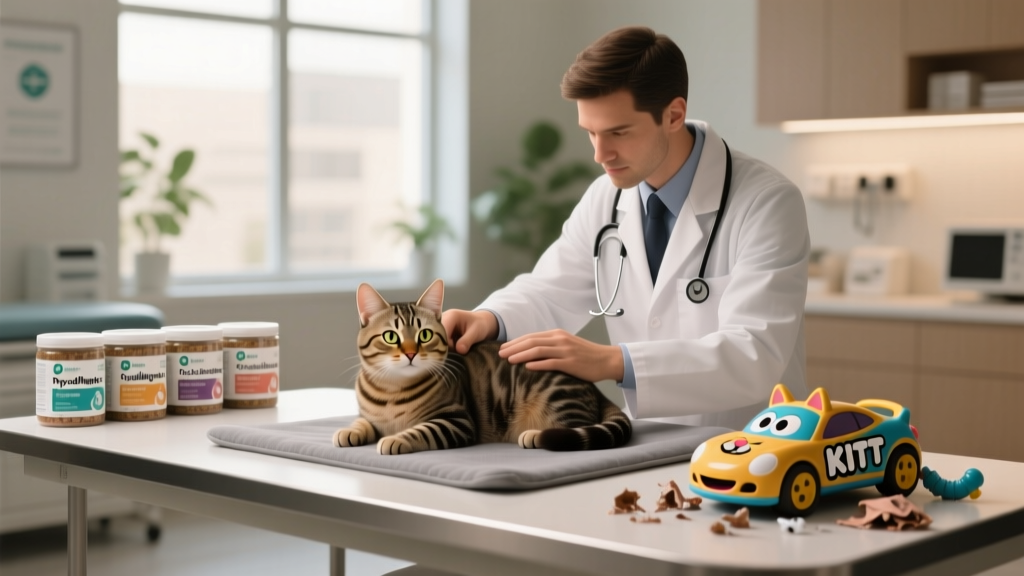
Your kitten’s first veterinary visit should occur by 6–8 weeks of age — even if they appear perfectly healthy. This initial exam establishes baseline vitals (temperature, weight, hydration), checks for congenital issues (e.g., heart murmurs, cleft palate), confirms deworming status, and initiates the vaccine schedule. Waiting until symptoms appear risks missing treatable conditions like portosystemic shunts or feline infectious peritonitis (FIP) precursors. Bring records of birth date, prior care, and any observed behaviors (e.g., ‘she sneezes when excited’).
Can I bathe my kitten?
Generally, no — and especially not before 12 weeks. Kittens cannot regulate body temperature well; bathing induces dangerous hypothermia and massive stress. Most kittens stay clean through instinctive grooming. If soiled (e.g., with feces or sticky substances), spot-clean with a warm, damp washcloth and fragrance-free baby wipes labeled ‘cat-safe.’ Never use human shampoo, baby shampoo, or essential oils — their skin pH and liver metabolism differ drastically from humans. Only bathe under direct veterinary instruction (e.g., for ringworm treatment).
How do I know if my kitten is sick? What are the emergency signs?
Watch for these 5 non-negotiable red flags requiring immediate vet attention: (1) Rectal temperature <99°F or >103.5°F; (2) Breathing rate >50 breaths/minute while resting; (3) Refusal to eat/drink for >12 hours; (4) Vomiting or diarrhea lasting >24 hours, or containing blood; (5) Seizures, tremors, or inability to stand. Kittens deteriorate rapidly — a 2023 study in Veterinary Record showed median time from first symptom to critical decline is just 18 hours for GI or respiratory issues. Don’t wait for ‘just one more day.’
Should I adopt two kittens instead of one?
Evidence strongly supports it — but with caveats. Paired kittens exhibit 40% less destructive behavior and 60% lower stress hormone levels during rehoming, per a 2022 UC Davis Shelter Medicine study. They learn bite inhibition through play, reducing human-directed aggression. However, adopt same-sex littermates (or neutered pairs) to avoid accidental breeding, and ensure your home has ≥2 of everything: litter boxes (n+1 rule), scratching posts, feeding stations, and quiet retreats. Never adopt two kittens if you can’t afford double the vet costs — emergencies don’t come with discounts.
Is it safe to let my kitten outside?
No — not until fully vaccinated, spayed/neutered, microchipped, and trained to respond to recall (which takes 4–6 months minimum). Outdoor kittens face 5x higher mortality: cars, predators, toxins, and infectious diseases (like feline leukemia from neighbor cats) are pervasive. Even screened porches pose fall risks. The safest alternative is a ‘catio’ — an enclosed outdoor space with shade, climbing structures, and escape-proof mesh. If you insist on supervised outdoor time, use a harness-and-leash (never a collar) starting at 10 weeks, and limit sessions to 10–15 minutes in low-traffic areas.
Common Myths About Kitten Care
Myth #1: “Kittens sleep through the night — I won’t be disturbed.”
Reality: Kittens are crepuscular (most active at dawn/dusk) and have 24-hour energy cycles. Expect 3–5 wake-ups/night for play or feeding until ~16 weeks. Combat this with vigorous interactive play (feather wands, laser pointers) 30 minutes before bedtime, followed by a meal — mimicking the ‘hunt-eat-groom-sleep’ sequence.
Myth #2: “I’ll know if my kitten is in pain because they’ll cry or limp.”
Reality: Cats mask pain evolutionarily. Subtle signs include decreased grooming (greasy coat), hiding more than usual, reluctance to jump, squinting eyes, or sudden aggression when touched. A 2021 study in Frontiers in Veterinary Science found owners detected only 31% of moderate pain episodes — relying on vet-assessed indicators like ear position, respiration rate, and mobility scores is essential.
Related Topics (Internal Link Suggestions)
- How to Choose the Right Kitten Food — suggested anchor text: "best kitten food brands vet-approved"
- When to Spay or Neuter a Kitten — suggested anchor text: "safe age to spay kitten"
- Kitten Vaccination Schedule Explained — suggested anchor text: "kitten vaccine timeline chart"
- Signs of a Healthy Kitten — suggested anchor text: "how to tell if kitten is thriving"
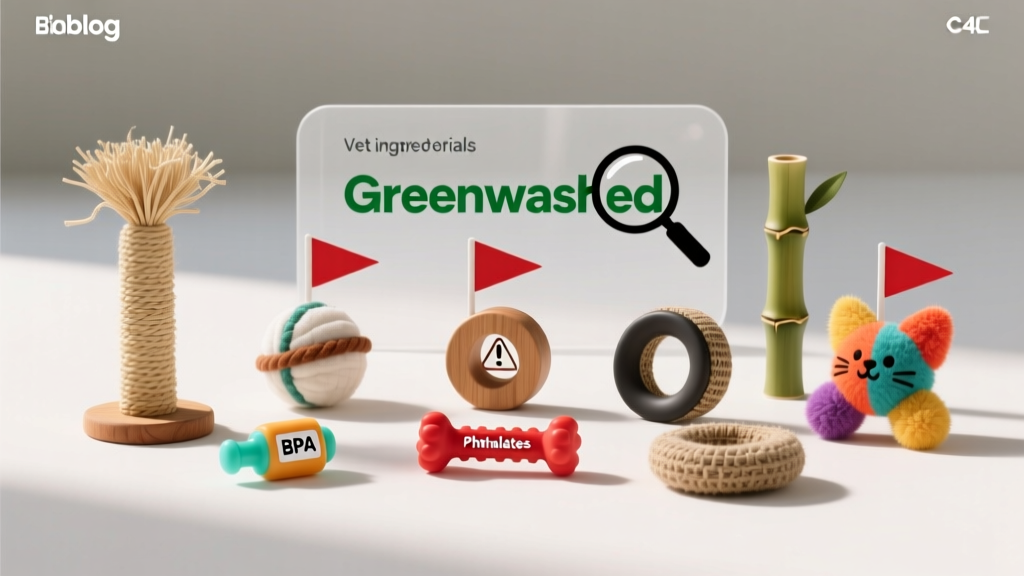
- DIY Kitten Toys That Are Safe — suggested anchor text: "homemade kitten toys no-string"
Conclusion & Next Step
Caring for a kitten isn’t about ticking off tasks — it’s about building biological resilience during the most formative 12 weeks of their lives. What you need to care for a kitten is less about products and more about precision timing, environmental awareness, and stress-informed compassion. You now know the 7 non-negotiables: vaccine timing aligned with antibody decay, parasite control starting at 2 weeks, hazard-proofing beyond common sense, science-backed socialization, species-appropriate nutrition, vigilant health monitoring, and myth-aware decision-making. Your next step? Book that first vet appointment today — not next week, not ‘after I buy supplies.’ Call now, mention this guide, and ask for a ‘kitten wellness starter checklist’ — most clinics provide one free. Because the best care starts before the first symptom appears.