Cat Campylobacter: Zoonotic Diarrhea Pathogen
1. Why this topic matters to cat owners
When your cat has diarrhea, it’s easy to assume it’s a minor stomach upset. Sometimes it is—but certain intestinal infections can affect both cats and the people who care for them. Campylobacter is one of those germs. It can cause diarrhea in cats (especially kittens), and because it’s zoonotic (able to spread between animals and humans), it also has implications for your household’s health.
The good news: most cats recover well with the right care, and there are very practical steps you can take at home to reduce spread, protect vulnerable family members, and help your cat feel better. This guide explains what Campylobacter is, what to watch for, how vets diagnose and treat it, and how to prevent reinfection.
2. Overview: What is Campylobacter in cats?
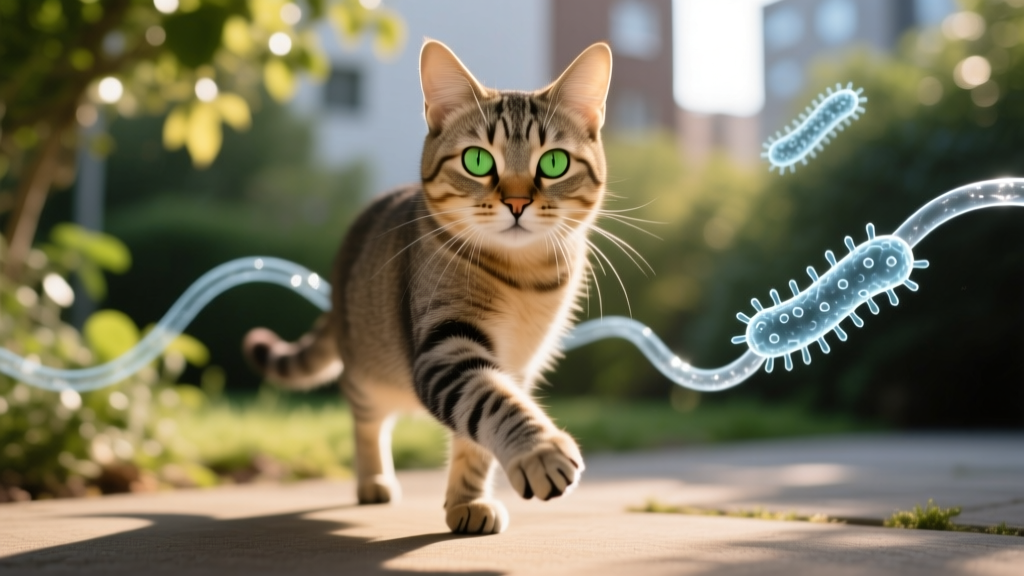
Campylobacter is a group of bacteria that can infect the intestines and cause inflammation, leading to diarrhea. The most common species involved in pets and people are Campylobacter jejuni and Campylobacter coli.
Cats can carry Campylobacter in a few different ways:
- Symptomatic infection: the cat develops intestinal upset (diarrhea, cramps, sometimes fever).
- Asymptomatic shedding: some cats carry the bacteria and shed it in their stool without obvious illness.
Campylobacter spreads mainly through the fecal–oral route. That means the bacteria in stool must be ingested to cause infection. In real life, this can happen through contaminated paws, litter boxes, dirty surfaces, shared food/water bowls, or handling stool and then touching your mouth.
In cats, Campylobacter is more often seen in:
- Kittens (their immune systems are still developing)
- Cats from shelters, rescues, or crowded homes (higher exposure risk)
- Cats with other intestinal parasites or infections (the gut is already irritated)
3. Symptoms and warning signs to watch for
Campylobacter affects the intestines, so most signs are gastrointestinal. Severity varies from mild to significant.
Common signs in cats
- Diarrhea (may be watery or soft; sometimes mucus is present)
- Blood in stool (fresh red streaks can occur with large-bowel irritation)
- Straining to defecate or frequent small stools
- Decreased appetite
- Lethargy (less playful, more hiding)
- Abdominal discomfort (may seem tense, reluctant to be picked up)
Signs that suggest dehydration or a more serious illness
- Dry or tacky gums
- Sunken eyes
- Weakness or marked sleepiness
- Vomiting along with diarrhea
If your cat is a kitten, a senior, or has a chronic condition (kidney disease, diabetes, IBD), even “simple” diarrhea deserves quicker veterinary guidance.
4. Causes and risk factors
Cats typically become infected when they ingest Campylobacter from contaminated sources.
How cats get infected
- Contact with infected stool (shared litter boxes, group housing, outdoor environments)
- Eating contaminated food, especially raw or undercooked meat
- Drinking contaminated water
- Hunting and eating prey (rodents and birds can carry bacteria)
- Living with other infected pets (cats or dogs)
Risk factors that increase likelihood of illness
- Young age (kittens)
- Crowding or stress (shelters, boarding, recent adoption)
- Poor sanitation (infrequent litter box cleaning)
- Co-infections (Giardia, roundworms, coccidia)
- Weakened immune system (illness, certain medications)
Human health angle (zoonotic risk)
People can get Campylobacter from handling contaminated stool, litter, or surfaces. Risk is higher for:
- Children under 5
- Pregnant people
- Adults over 65
- Anyone immunocompromised (chemotherapy, transplant meds, HIV, long-term steroids)
Households with higher-risk individuals should be especially careful about litter box hygiene and handwashing, and should involve a veterinarian early if a cat develops diarrhea.
5. Diagnosis: What to expect at the vet
Diarrhea has many possible causes. Your veterinarian’s job is to determine whether Campylobacter is the culprit and whether your cat needs targeted treatment or mainly supportive care.
History and exam
Expect questions about:
- Duration and frequency of diarrhea
- Blood or mucus in stool
- Vomiting, appetite, water intake
- Diet (especially any raw food)
- Exposure to other pets, shelters, boarding, outdoors
- Whether anyone in the home has had gastrointestinal illness
Stool testing options
- Fecal flotation/parasite testing: checks for worms and some protozoa; many cats with diarrhea have parasites even if Campylobacter is present too.
- Fecal PCR panel: detects DNA from multiple pathogens (often includes Campylobacter and Giardia). This is commonly used because it’s sensitive and fast.
- Fecal culture: can grow Campylobacter under special conditions; may be used depending on the clinic and case.
Additional tests (case-dependent)
- Bloodwork to assess dehydration, inflammation, and organ function
- Urinalysis for overall health screening
- Imaging (X-rays/ultrasound) if obstruction, foreign body, or severe disease is suspected
Bring a fresh stool sample (ideally within a few hours) in a sealed container. If you can’t, call the clinic for collection tips.
6. Treatment options (medical, surgical, home care)
Treatment depends on severity, the cat’s age and health status, and whether other causes are found.
Supportive care (often the foundation)
- Fluids: oral hydration guidance for mild cases; subcutaneous or IV fluids if dehydrated
- Diet therapy: a veterinarian-recommended highly digestible or gastrointestinal diet for a short period
- Probiotics: your vet may recommend a cat-safe probiotic to support gut balance
Antibiotics (used selectively)
Not every cat with Campylobacter needs antibiotics. Many mild cases resolve with supportive care. Your veterinarian may consider antibiotics when:
- The cat is a young kitten or medically fragile
- Diarrhea is severe, bloody, or persistent
- There is fever or systemic illness
- There are household zoonotic concerns and the vet feels treatment will reduce shedding
Your vet will choose an antibiotic based on the clinical picture and local resistance patterns. Always give antibiotics exactly as prescribed and never use leftover human medication.
Treating concurrent problems
It’s very common to find more than one issue contributing to diarrhea. Your vet may also treat:
- Parasites (dewormers)
- Giardia or other protozoa (specific medications)
- Diet intolerance (diet trial)
Surgical treatment?
Surgery is not a treatment for Campylobacter itself. If imaging suggests a foreign body or intestinal obstruction causing diarrhea/vomiting, surgery may be needed—but that’s a different problem your vet will discuss with you.
Practical home care you can start today (with veterinary guidance)
- Switch to a vet-approved GI diet (avoid sudden diet changes without guidance if your cat is fragile)
- Keep water available in multiple locations; consider a cat fountain if your cat drinks better that way
- Track stools: frequency, appearance, blood/mucus, and any vomiting—write it down for your vet
- Isolate litter boxes if possible (one per cat plus one extra is ideal)
7. Prevention strategies and early detection tips
Prevention focuses on reducing exposure and limiting spread if diarrhea occurs.
Hygiene and litter box best practices
- Scoop at least once daily; more often during diarrhea episodes
- Wash hands after litter box cleaning (soap and water is best)
- Use dedicated litter scoops and don’t store them near food prep areas
- Disinfect surfaces your cat may have soiled (follow product contact times; keep cats away until dry)
Food safety
- Avoid raw diets unless you’re working closely with a veterinary nutrition professional and fully understand zoonotic risks; raw meat can carry Campylobacter and other pathogens.
- Store and wash bowls properly: hot soapy water daily; dishwasher-safe bowls are helpful.
- Prevent scavenging: keep trash secured and counters clean.
Reduce exposure risk
- Quarantine new cats for a short period and schedule an early vet visit with fecal testing
- Keep cats indoors when possible to reduce hunting and exposure
- Routine parasite control as recommended by your veterinarian
Early detection tips
- Check the litter box daily so changes are noticed quickly
- If you have multiple cats, know which cat is producing abnormal stool (temporary separation can help)
- Don’t wait weeks on recurring diarrhea—chronic intestinal inflammation can become harder to manage over time
8. Prognosis and quality of life considerations
Most cats with Campylobacter-associated diarrhea have a good prognosis, especially when dehydration is prevented and underlying contributors (parasites, diet issues) are addressed.
Quality of life usually improves quickly once stools normalize. During recovery, your cat may benefit from:
- A calm, predictable routine (stress can worsen diarrhea)
- Easy access to litter boxes (especially for kittens and seniors)
- Gradual transition back to the regular diet if your vet approves
Some cats can continue to shed bacteria for a period even after they feel better. Your veterinarian can advise you on follow-up testing if needed, especially in multi-pet households or homes with high-risk people.
9. When to seek emergency veterinary care
Contact an emergency vet or urgent-care clinic promptly if you notice any of the following:
- Repeated vomiting or inability to keep water down
- Signs of dehydration (dry gums, weakness, collapse)
- Large amounts of blood in stool or black, tarry stool
- Severe lethargy, hiding, or unresponsiveness
- Fever (warm ears aren’t enough to judge—your vet can confirm)
- Kittens with diarrhea lasting more than 24 hours (or sooner if they seem weak)
- Diarrhea plus a distended belly, pain, or crying (possible obstruction or severe intestinal disease)
If a person in the home develops significant diarrhea, fever, or bloody stool, contact a human healthcare provider as well—especially if they are very young, elderly, pregnant, or immunocompromised.
10. FAQ: Common questions about Campylobacter in cats
Can I catch Campylobacter from my cat?
Yes, it’s possible. Campylobacter can spread through contact with contaminated stool or surfaces. Good handwashing, careful litter box handling, and keeping high-risk individuals away from litter duties greatly reduces risk. If your cat has diarrhea, treat it as potentially contagious until your veterinarian says otherwise.
Does a positive test always mean Campylobacter is causing the diarrhea?
Not always. Some cats can carry and shed Campylobacter without symptoms. That’s why your vet interprets test results alongside your cat’s symptoms, age, exam findings, and whether other pathogens (like Giardia) are present.
Should my cat be treated with antibiotics?
Sometimes, but not automatically. Many cases improve with supportive care. Antibiotics may be recommended for severe, persistent, or high-risk cases. Your veterinarian will decide based on your cat’s condition and the likelihood that antibiotics will help more than they may disrupt the gut.
How long does Campylobacter diarrhea last in cats?
Mild cases may improve within a few days with supportive care. More significant intestinal inflammation can take longer. If diarrhea persists beyond 48–72 hours, worsens, becomes bloody, or your cat seems unwell, schedule a veterinary visit promptly.
What should I clean if my cat has diarrhea?
Focus on litter boxes, floors, carriers, bedding, and any surfaces your cat may have touched after using the box. Remove organic material first (stool), then disinfect according to label directions and contact time. Wash bedding on hot if the fabric allows. Keep cleaning products away from cats until fully dry and aired out.
Can my other pets get it too?
Yes. Dogs and other cats can be exposed through shared spaces and contaminated stool. If you have multiple pets, ask your veterinarian whether testing or preventive steps are recommended, and consider separating litter boxes and feeding stations during the illness.
If your cat has diarrhea, especially if it’s recurrent, bloody, or accompanied by vomiting or lethargy, consult your veterinarian. Early care helps your cat recover faster and reduces the chances of spread within your home.
For more practical, vet-informed cat health guides and wellness tips, visit catloversbase.com.