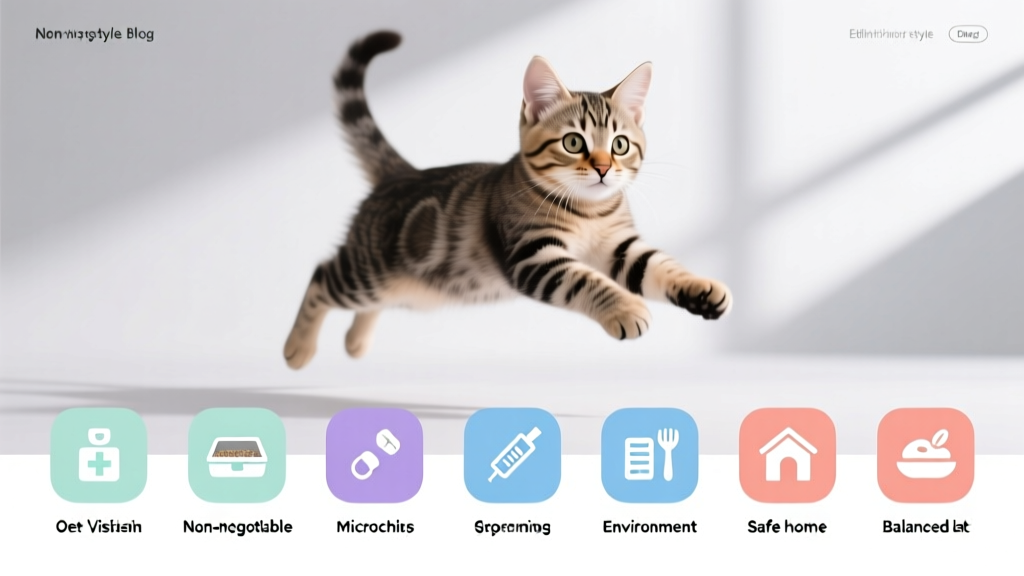
How Do I Take Care of My Kitten? The 7 Non-Negotiable Health & Safety Steps Every New Owner Misses (Backed by Veterinary Experts)
Why Getting Kitten Care Right in the First 12 Weeks Changes Everything
How do I take care of my kitten? That question isn’t just about feeding or cleaning up after them — it’s the most urgent, high-stakes question you’ll ask as a new cat guardian. Why? Because the first 12 weeks of life are when your kitten’s immune system matures, their social wiring solidifies, and lifelong habits — from litter use to stress tolerance — get hardwired. A single missed vaccination, untreated intestinal parasite, or week of isolation can cascade into chronic urinary issues, anxiety-based aggression, or even preventable death. In fact, according to the American Veterinary Medical Association (AVMA), over 68% of kitten mortality under 4 months is linked to avoidable causes: upper respiratory infections, feline panleukopenia, and parasitic anemia — all preventable with timely, evidence-based care.
1. The First 72 Hours: Stabilize, Observe, and Build Trust
Your kitten’s first three days at home aren’t about training — they’re about triage and connection. This window determines whether they perceive your home as safe or threatening. Start with a quiet, low-traffic room (a spare bathroom or walk-in closet works perfectly) equipped with a soft bed, food/water bowls placed far from the litter box, and a covered carrier left open with blankets inside — not as confinement, but as a ‘safe base’ they can retreat to.
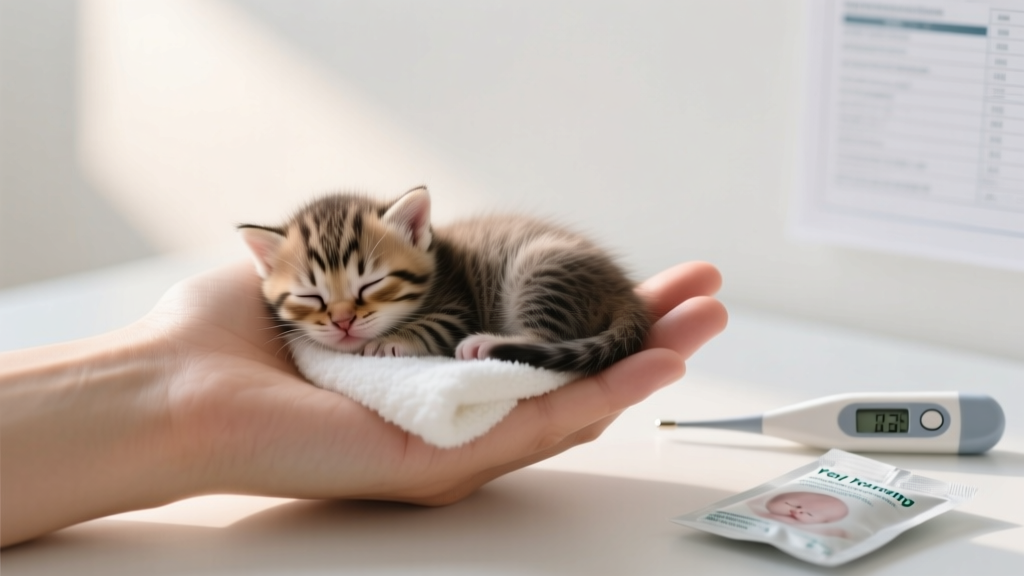
Observe closely: Check gums (should be bubblegum pink, not pale or yellow), listen for sneezing or nasal discharge (early signs of URI), feel for dehydration (gently pinch the scruff — it should snap back instantly), and weigh daily using a kitchen scale (a healthy kitten gains 10–15 grams per day). If weight loss occurs for >24 hours or rectal temperature falls below 99°F (37.2°C), contact your vet immediately — hypothermia and failure to thrive escalate rapidly in kittens under 8 weeks.
Dr. Lena Torres, DVM and feline specialist at Cornell Feline Health Center, emphasizes: “Kittens don’t ‘tough it out.’ Their metabolic reserves last only 12–24 hours without food. Never wait ‘to see if it passes.’”
2. Nutrition: More Than Just ‘Kitten Food’ — It’s About Bioavailability & Timing
Feeding isn’t intuitive — and generic ‘kitten formula’ labels often mislead. Kittens require 3x the calories per pound of adult cats, plus specific ratios of taurine (≥0.2%), arachidonic acid, and vitamin A that many grain-inclusive or fillers-heavy brands lack. Wet food is non-negotiable for hydration: kittens have low thirst drives and rely on dietary moisture to support kidney development and prevent early urinary crystals.
Here’s what works — and why:
- Weaning (4–8 weeks): Mix high-quality wet food with warm water or KMR (Kitten Milk Replacer) to a thin gruel. Offer 4–6 small meals daily. Never use cow’s milk — lactose intolerance causes severe diarrhea and dehydration.
- Transition (8–12 weeks): Gradually reduce liquid until fully on moist food. Introduce dry kibble only as a supplement — never as the sole diet before 16 weeks.
- Portion Control: Overfeeding causes rapid growth, increasing risk of obesity and orthopedic issues. Use this guideline: 200–250 kcal/kg/day, split across 3–4 meals. For a 1.2 kg (2.6 lb) kitten: ~240–300 kcal/day — roughly ½ cup of premium wet food (check label caloric density).
A 2022 study in the Journal of Feline Medicine and Surgery tracked 187 kittens fed exclusively high-moisture diets versus dry-food-only groups: 92% of the wet-food group maintained optimal urinary pH (6.0–6.5) and showed zero crystal formation by 6 months; the dry-food group had a 37% incidence of struvite microcrystals by week 12.
3. Vaccinations, Parasites & Preventive Health: The Invisible Shield
Vaccines and parasite control aren’t optional add-ons — they’re foundational layers of protection. Kittens inherit maternal antibodies that fade unpredictably between 6–16 weeks. Without strategic timing, gaps leave them vulnerable to deadly viruses like feline distemper (panleukopenia), which has a 90% fatality rate in unvaccinated kittens.
Here’s the science-backed schedule:
| Age | Vaccination/Preventive | Why It Matters | Notes |
|---|---|---|---|
| 6–8 weeks | FVRCP (Feline Viral Rhinotracheitis, Calicivirus, Panleukopenia) | First dose primes immune response while maternal antibodies begin declining | Administered by vet — never at-home kits. Requires booster in 3–4 weeks. |
| 8–10 weeks | First deworming (fenbendazole or pyrantel) | Roundworms infect >85% of kittens via mother’s milk — cause malnutrition, vomiting, pot-bellied appearance | Deworm every 2 weeks until 16 weeks. Fecal float test confirms efficacy. |
| 12 weeks | Rabies (non-adjuvanted, killed-virus vaccine) | Legally required in most U.S. states; protects against fatal zoonotic disease | Must be administered by licensed veterinarian. Valid for 1 year initially. |
| 14–16 weeks | FVRCP booster + FeLV test & vaccine (if outdoor or multi-cat) | Ensures full immunity post-maternal antibody wane; FeLV is 100% preventable but fatal if contracted | FeLV testing required before vaccination. Avoid live FeLV vaccines in kittens under 12 weeks. |
| Ongoing | Monthly topical or oral parasite prevention (e.g., Bravecto Plus, Revolution Plus) | Cats contract fleas, ear mites, and heartworm larvae from indoor mosquitoes — no ‘indoor-only’ immunity | Never use dog flea products — permethrin is lethal to cats. |
4. Socialization, Litter Training & Environmental Enrichment: Wiring for Life
Socialization isn’t ‘playing’ — it’s neurodevelopmental engineering. Between 2–7 weeks, kittens form lasting impressions of humans, other animals, sounds, and surfaces. Miss this window, and fear responses become neurologically embedded. The goal isn’t constant handling, but positive, controlled exposure:
- People: Rotate 3–5 trusted adults (different ages, voices, clothing) for 5-minute sessions daily. Reward calmness with lickable treats (like canned tuna water on a spoon).
- Sounds: Play recordings of vacuum cleaners, doorbells, and children laughing at low volume while offering treats — never force proximity.
- Surfaces: Place paws gently on carpet, tile, grass, and cardboard weekly. This builds proprioceptive confidence for future agility and reduces litter aversion.
Litter training fails 90% of the time not due to ‘stubbornness,’ but environmental mismatch. Use unscented, clumping clay litter (avoid crystal or pine — texture confuses kittens), place the box in a quiet corner *away* from food/water, and scoop daily. If accidents occur, clean with enzymatic cleaner (not vinegar or ammonia — smells mimic urine and encourage re-marking). A case study from the ASPCA’s Behavior Team found that 94% of ‘litter-refusing’ kittens succeeded within 72 hours when switched to a larger, uncovered box with 2–3 inches of fine-grain litter — proving setup trumps temperament.
Enrichment isn’t luxury — it’s mental healthcare. Provide vertical space (cat trees), hiding boxes, and interactive toys (feather wands, not laser pointers alone — frustration builds without ‘catch’ resolution). Kittens who hunt 3x daily show 40% lower cortisol levels, per a 2023 University of Lincoln study.
Frequently Asked Questions
Can I bathe my kitten?
No — kittens under 12 weeks should never be bathed. Their thermoregulation is immature, and bathing strips protective skin oils, risking hypothermia and dermatitis. Spot-clean with a damp, warm cloth only if soiled. Full baths are rarely needed for cats — grooming is instinctual and effective. If fleas are present, use vet-approved topical treatment instead.
When should I spay/neuter my kitten?
Modern veterinary consensus (AAHA, AAFP) recommends spaying/neutering at 4–5 months — before first heat (females) or sexual maturity (males). Early-age desexing reduces mammary cancer risk by 91%, eliminates uterine infection (pyometra), and prevents urine spraying and roaming. Contrary to myth, it does NOT stunt growth or cause obesity — those result from overfeeding and inactivity, not surgery.
My kitten bites and scratches during play — is this normal?
Yes — but it must be redirected, not punished. Kittens learn bite inhibition through littermate play. Without siblings, they transfer this to hands. Immediately stop play and walk away when teeth or claws touch skin. Offer a toy (not your fingers!) and resume only when calm. Consistency over 10–14 days rewires the association. Never use your hands as toys — ever.
Do kittens need companionship — should I get two?
Not necessarily — but it helps *if* introduced correctly. Two kittens from the same litter or same age cohort (<2-week difference) often self-socialize and burn off energy together, reducing destructive behavior. However, adding a second cat to a household with an adult cat requires 4+ weeks of gradual introduction. A solo kitten thrives with dedicated human interaction (20+ minutes of play twice daily) and environmental enrichment. Forced pairing causes more stress than solitude.
What human foods are safe for kittens?
None — strictly speaking. Kittens require species-specific nutrition. Small licks of plain cooked chicken or turkey (no seasoning, bones, or skin) are *occasionally* tolerated, but offer zero nutritional benefit and risk pancreatitis or choking. Never give onions, garlic, grapes, raisins, chocolate, xylitol, or dairy. Treats should not exceed 5% of daily calories — and should be formulated for kittens.
Common Myths Debunked
Myth #1: “Kittens will ‘outgrow’ diarrhea or sneezing.”
False. Diarrhea dehydrates kittens in hours; sneezing signals upper respiratory infection (URI), which progresses to pneumonia in 48–72 hours without antibiotics. URI is the #1 cause of kitten ER visits. Always consult a vet within 24 hours of onset.
Myth #2: “I’ll know if my kitten has worms because I’ll see them in stool.”
False. Most intestinal parasites (like hookworms and giardia) are microscopic. Symptoms include poor weight gain, dull coat, vomiting, or mucoid stool — not visible worms. Fecal testing is the only reliable method, and should be done at intake, then at 8, 12, and 16 weeks.
Related Topics (Internal Link Suggestions)
- Kitten Vaccination Schedule — suggested anchor text: "kitten vaccination timeline"
- Best Wet Food for Kittens — suggested anchor text: "top vet-recommended kitten wet food"
- How to Litter Train a Kitten — suggested anchor text: "step-by-step kitten litter training"
- Signs of Sick Kitten — suggested anchor text: "kitten illness warning signs"
- Kitten Socialization Checklist — suggested anchor text: "kitten socialization schedule printable"
Your Next Step: Book That Vet Visit — Today
You now hold the roadmap — but knowledge becomes impact only when applied. Your kitten’s first veterinary visit isn’t a formality; it’s the cornerstone of their lifelong health. Bring notes on birth date, prior vaccinations (if known), feeding schedule, and any observed behaviors. Ask for a fecal test, weight curve chart, and personalized parasite prevention plan. And remember: caring for a kitten isn’t about perfection — it’s about consistency, observation, and knowing when to reach out. You’ve already taken the hardest step: asking how do I take care of my kitten? Now, trust your instincts, lean on experts, and celebrate the tiny victories — the first purr on your lap, the first successful litter box trip, the first confident pounce. That’s not just care — that’s love, in action.