Cat Salmonella Carrier State: Asymptomatic Shedding
1. Why this topic matters to cat owners
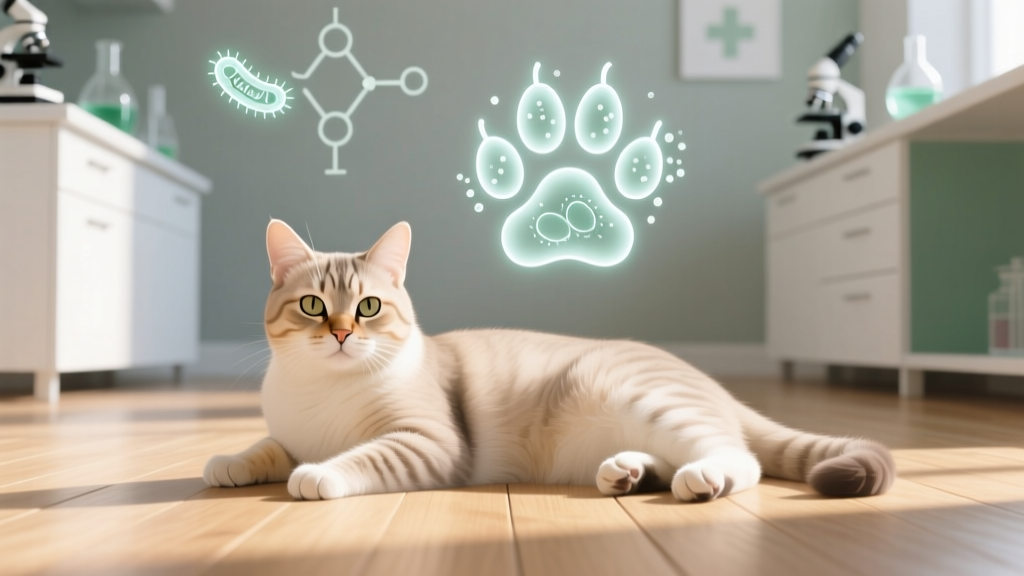
Most cat owners think of Salmonella as a “food poisoning” problem in people. Cats can be involved too—but not always in an obvious way. Some cats become Salmonella carriers, meaning they can have the bacteria in their intestinal tract and shed it in their stool without looking sick. This is called asymptomatic shedding.
Understanding the carrier state matters for two big reasons:
- Your cat’s health: An apparently healthy cat can still develop diarrhea or systemic illness later, especially if stressed or immunocompromised.
- Your household’s health: Salmonella is a zoonotic infection, meaning it can spread between animals and people. Careful hygiene protects children, seniors, pregnant people, and anyone with a weakened immune system.
The reassuring part: most households can manage this risk well with practical steps, good litterbox habits, and veterinary guidance.
2. Overview: what “carrier state” and “asymptomatic shedding” mean
Salmonella is a group of bacteria that can infect the intestines. In cats, infection happens most often when a cat ingests the bacteria from contaminated food, prey, water, or the environment.
After exposure, a few different outcomes are possible:
- No illness, but shedding occurs: The cat looks normal but releases Salmonella in the stool intermittently.
- Gastrointestinal illness: Diarrhea, vomiting, decreased appetite, and fever may occur.
- More serious (systemic) infection: Rare, but possible—especially in kittens or immunocompromised cats. Bacteria can move beyond the intestines and affect the bloodstream or organs.
Asymptomatic shedding can be intermittent, meaning a cat may test negative on one fecal sample and still be a carrier. Shedding tends to increase during stress (boarding, moving, surgery), illness, dietary changes, or when the gut microbiome is disrupted.
3. Symptoms and warning signs to watch for
By definition, asymptomatic carriers may show no signs at all. Still, it’s wise to watch for subtle changes that could suggest intestinal upset or a shift from carrier state to active disease.
Possible signs of Salmonella illness in cats
- Diarrhea (sometimes with mucus or blood)
- Vomiting
- Decreased appetite or refusing food
- Lethargy, hiding more than usual
- Fever (may feel warm, but a rectal temperature at the vet is needed to confirm)
- Dehydration (tacky gums, sunken eyes, reduced skin elasticity)
- Abdominal discomfort (tensing, hunched posture)
Household clues that can matter
- Multiple pets with diarrhea at the same time
- Recent switch to raw or undercooked diets
- Recent hunting/rodent or bird exposure
- People in the home developing gastrointestinal illness (especially after cleaning the litterbox)
If you notice any of these signs, contact your veterinarian. Even mild diarrhea can become serious in kittens, seniors, or cats with underlying disease.
4. Causes and risk factors
Cats most often pick up Salmonella by ingesting it. The bacteria can survive in the environment and can contaminate surfaces, bowls, litter scoops, and hands.
Common sources of exposure
- Raw or undercooked meat diets (including raw treats, raw milk, or contaminated commercial products)
- Hunting and scavenging (rodents, birds, reptiles, carrion)
- Contaminated dry or canned food (less common, but recalls do occur)
- Contaminated water (outdoor puddles, standing water)
- High-density environments (shelters, catteries, multi-cat homes) where fecal-oral spread is easier
Risk factors that increase the chance of shedding or illness
- Kittens and senior cats
- Immunosuppression (FIV/FeLV, steroid therapy, chemotherapy, chronic illness)
- Stress (moving, boarding, new pets, surgery)
- Recent antibiotic use (can disrupt normal gut bacteria, sometimes allowing Salmonella to persist)
- Underlying gastrointestinal disease
5. Diagnosis: what to expect at the vet
If Salmonella carrier state is suspected—because of diarrhea, a household illness concern, or a high-risk exposure—your veterinarian will start with a full history and exam, then decide what testing is appropriate.
History questions your vet may ask
- Diet (especially raw foods or treats)
- Hunting/outdoor access
- Any recent food changes or recalls
- Other pets with symptoms
- Human household members with gastrointestinal illness
- Medications (especially antibiotics or steroids)
Common diagnostic tests
- Fecal PCR panel: Detects Salmonella DNA. Useful and fast, but a positive result doesn’t always mean the bacteria is causing disease at that moment.
- Fecal culture: Attempts to grow Salmonella. Helpful for confirmation and sometimes for guiding antibiotic choices, but can take longer.
- Repeat fecal testing: Because shedding can be intermittent, your vet may recommend multiple samples on different days.
- Bloodwork (CBC/chemistry): Evaluates dehydration, inflammation, organ function, and overall stability, especially if the cat is ill.
- Fecal parasite testing: Diarrhea has many causes; parasites can mimic or occur alongside bacterial infections.
If your cat is acting normal and Salmonella is found incidentally, your vet will weigh the risks and benefits of treatment versus monitoring. This is a situation where professional guidance is especially valuable.
6. Treatment options (medical, surgical, home care)
Treatment depends on whether your cat is sick or simply identified as a carrier. Many asymptomatic carriers do not require aggressive treatment, but they do require smart hygiene and risk management.
Medical treatment
- Supportive care for diarrhea/vomiting: Fluids (under the skin or IV), anti-nausea meds, probiotics (vet-recommended), and a temporary GI diet.
- Antibiotics: Not automatically given. In mild cases, antibiotics can sometimes prolong shedding or disrupt the gut microbiome. They may be recommended if:
- The cat is systemically ill (fever, lethargy, dehydration)
- There is concern for bloodstream infection
- The cat is very young, elderly, or immunocompromised
- Treatment of underlying conditions: Managing inflammatory bowel disease, parasites, or immune compromise can reduce relapse risk.
Surgical treatment
Surgery is not a typical treatment for Salmonella carrier state. Rarely, surgery might be needed if a cat has an unrelated intestinal obstruction, severe complications, or another condition discovered during diagnostics.
Home care you can start right away (safe, practical steps)
- Litterbox hygiene: Scoop at least once daily, and wash hands after every scoop.
- Use disposable gloves if anyone in the home is pregnant, immunocompromised, elderly, or a young child.
- Clean and disinfect surfaces around the litterbox area regularly. Ask your vet which disinfectants are appropriate for your home and safe around pets.
- Separate feeding areas from litter areas; don’t place food bowls near the litterbox.
- Avoid sharing litter scoops between boxes without cleaning them, especially in multi-cat homes.
- Prevent hunting/scavenging if possible by keeping cats indoors or supervised outdoors.
Do not start leftover antibiotics or change medications without veterinary advice. If your cat has vomiting, diarrhea lasting more than 24 hours, blood in stool, or signs of dehydration, contact your veterinarian promptly.
7. Prevention strategies and early detection tips
Prevention focuses on reducing exposure and reducing opportunities for fecal-oral spread in the home.
Food and feeding safety
- Avoid raw diets unless you have a detailed risk/benefit discussion with your veterinarian. Raw meat is a common Salmonella source for pets and people.
- Store and handle pet food safely: Wash hands after feeding, clean bowls daily, and avoid leaving wet food out for long periods.
- Monitor recall notices for pet foods and treats.
Environmental hygiene
- Scoop litter daily; fully change and clean boxes on a schedule recommended by your vet (often weekly for many households).
- Keep litterboxes away from kitchens and dining areas.
- Teach children not to touch the litterbox or scoop.
Early detection and monitoring
- Track stool quality. If your cat’s stool suddenly becomes soft, watery, or foul-smelling, note the timing and any diet changes.
- Schedule vet visits for persistent GI changes (more than 24–48 hours, or sooner for kittens/seniors).
- If you have a multi-cat household, isolate any cat with diarrhea until you’ve spoken with your veterinarian.
8. Prognosis and quality of life considerations
For most healthy adult cats, the prognosis is good. Many cats clear the bacteria over time, and many carriers live normal, comfortable lives.
Quality of life is typically excellent as long as:
- Any diarrhea or vomiting is treated promptly
- Stress is minimized (consistent routines help the gut)
- Nutrition is stable and appropriate
- Hygiene practices are maintained to protect other pets and people
Cats at higher risk (kittens, seniors, immunocompromised cats) may have a more complicated course. Your veterinarian may recommend closer monitoring, follow-up fecal testing, and more aggressive supportive care if symptoms appear.
9. When to seek emergency veterinary care
Contact an emergency veterinarian immediately if your cat has any of the following:
- Repeated vomiting or inability to keep water down
- Diarrhea with large amounts of blood or black, tarry stool
- Marked lethargy, collapse, or weakness
- Signs of dehydration (very dry/tacky gums, sunken eyes, minimal urination)
- Fever with severe depression or pain
- Diarrhea in a kitten, senior cat, or immunocompromised cat (especially if lasting more than a few hours)
If a person in the household becomes ill with severe gastrointestinal symptoms and there’s concern about exposure, contact a human healthcare provider as well. Let both your veterinarian and physician know there may be a zoonotic concern so guidance can be coordinated appropriately.
10. FAQ: common questions about asymptomatic Salmonella shedding in cats
Can my cat have Salmonella with no symptoms?
Yes. Some cats carry Salmonella in the intestines and shed it intermittently in their stool without acting sick. This is why hygiene around the litterbox is so important, even when your cat seems perfectly fine.
How do cats get Salmonella most often?
The most common routes are eating contaminated food (especially raw or undercooked meat), hunting infected prey, or ingesting contaminated material from the environment. Outbreaks can also occur from contaminated commercial pet foods or treats.
Should an asymptomatic carrier cat be treated with antibiotics?
Not always. Antibiotics may be needed if a cat is systemically ill or high-risk, but in mild or asymptomatic cases, antibiotics can sometimes disrupt healthy gut bacteria and may prolong shedding. Your veterinarian will decide based on your cat’s health, household risk factors, and test results.
Can I catch Salmonella from my cat?
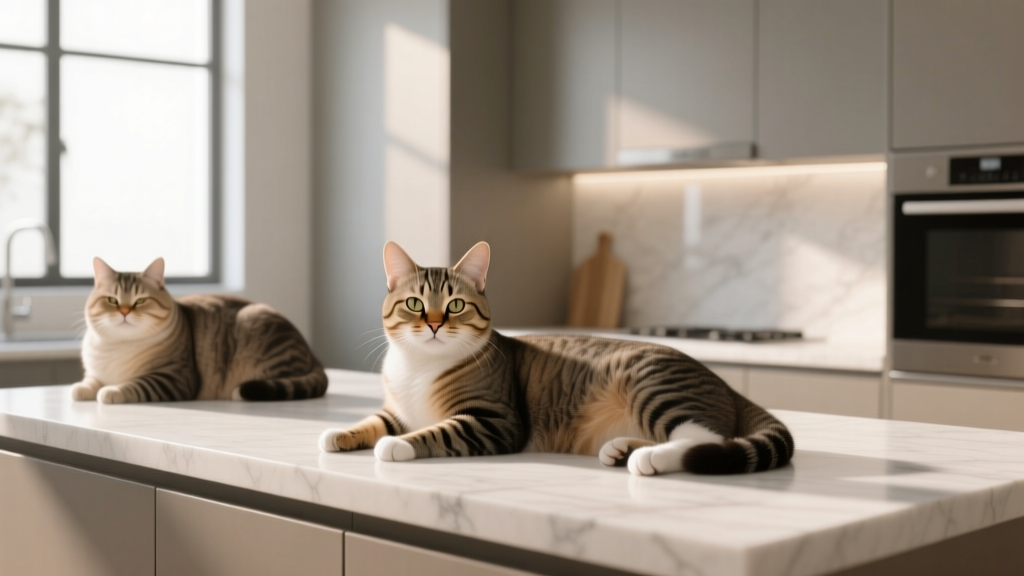
It’s possible. The main risk is contact with contaminated stool or litterbox surfaces, then accidentally ingesting bacteria (for example, touching your mouth after cleaning). Good handwashing, careful litterbox practices, and keeping cats off food-prep counters reduce risk significantly.
How long can a cat shed Salmonella?
Shedding length varies. Some cats stop shedding in weeks, while others may shed intermittently for longer periods, especially if they’re stressed or have underlying health issues. Your veterinarian may recommend repeat fecal testing if it affects household risk decisions.
What should I do today if I’m worried?
- Stop any raw diet or treats until you’ve spoken with your veterinarian.
- Increase litterbox hygiene and wash hands carefully after scooping.
- Monitor appetite, energy, vomiting, and stool consistency.
- Schedule a vet appointment if there is diarrhea, vomiting, or any household member at high risk (young children, seniors, pregnant people, immunocompromised individuals).
If you’re concerned your cat may be a Salmonella carrier—or if your cat has any gastrointestinal signs—your veterinarian is the best partner for testing, treatment decisions, and protecting both your cat and your family. For more supportive, cat-owner-friendly health guides, visit catloversbase.com.