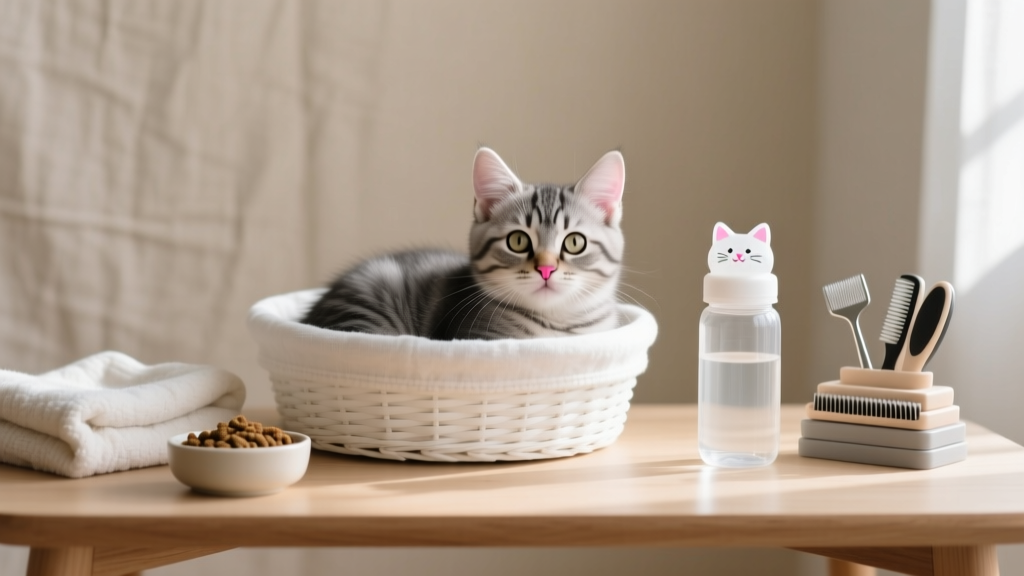
How to Care for a Kitten for Beginners: 7 Non-Negotiable Steps Every First-Time Owner Misses (And Why Skipping Just One Puts Your Kitten at Risk)
Your Kitten’s First 90 Days Are the Most Critical — Here’s How to Get Them Right
If you’re wondering how to care for a kitten for beginners, you’re not just learning routines—you’re building the foundation for lifelong health, trust, and resilience. Kittens under 12 weeks old have immature immune systems, rapidly developing brains, and zero ability to self-regulate stress or illness. A single missed deworming, delayed vaccination, or misread sign of dehydration can escalate within hours—not days. Yet most first-time owners rely on outdated advice, well-meaning but unverified TikTok hacks, or vague Google summaries that skip critical nuance. This guide distills evidence-based protocols from board-certified feline veterinarians, shelter medicine specialists, and certified cat behaviorists into actionable, stage-specific steps—no fluff, no fear-mongering, just clarity backed by clinical reality.
1. The First 72 Hours: Stabilize, Observe, and Bond (Not Just Cuddle)
Contrary to popular belief, your kitten’s first three days aren’t about playtime—they’re a medical triage window. Neonatal kittens (under 4 weeks) lack temperature regulation, can’t eliminate without stimulation, and are highly susceptible to hypoglycemia. Even older kittens (5–12 weeks) arriving from shelters or breeders often carry undiagnosed upper respiratory infections (URIs), intestinal parasites, or mild malnutrition.
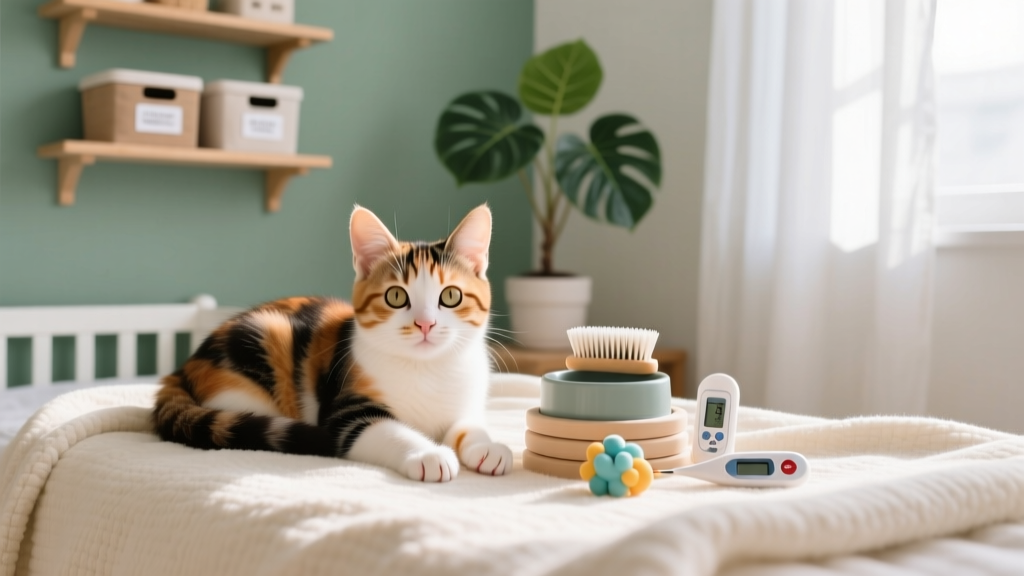
According to Dr. Sarah Wooten, DVM and veterinary advisor for the American Animal Hospital Association (AAHA), “Over 68% of shelter kittens present with at least one active health issue in their first week off-site—and nearly half show signs only after 48 hours of quiet observation.” That means your job isn’t to ‘make them comfortable’—it’s to create a low-stimulus, temperature-controlled environment (75–80°F) with constant access to fresh water and high-calorie kitten formula or wet food, while tracking vital baselines.
Here’s your non-negotiable checklist:
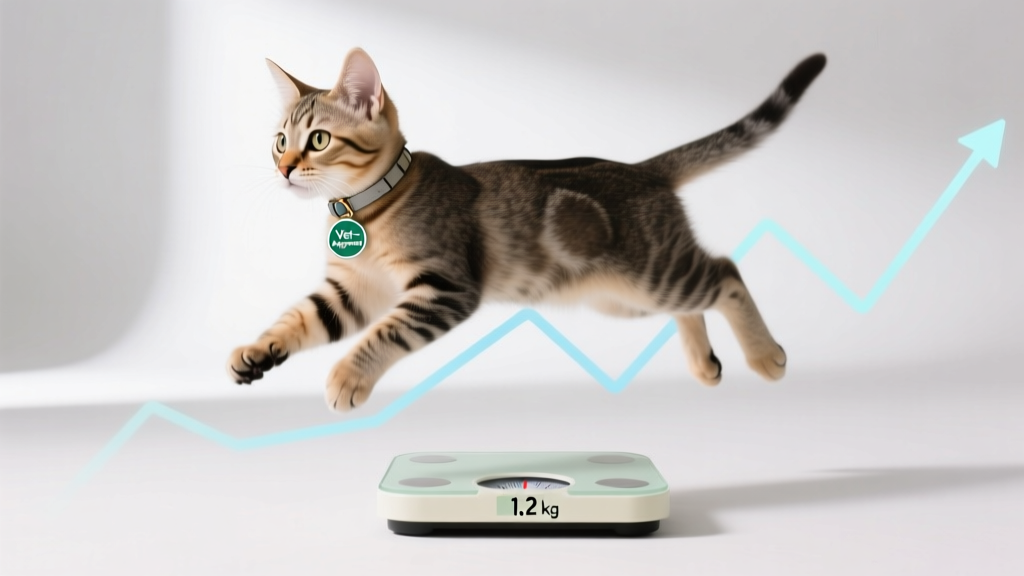
- Weigh daily: Use a digital kitchen scale (grams). A healthy kitten should gain 10–15g per day. Loss >5g over 24 hours = immediate vet consult.
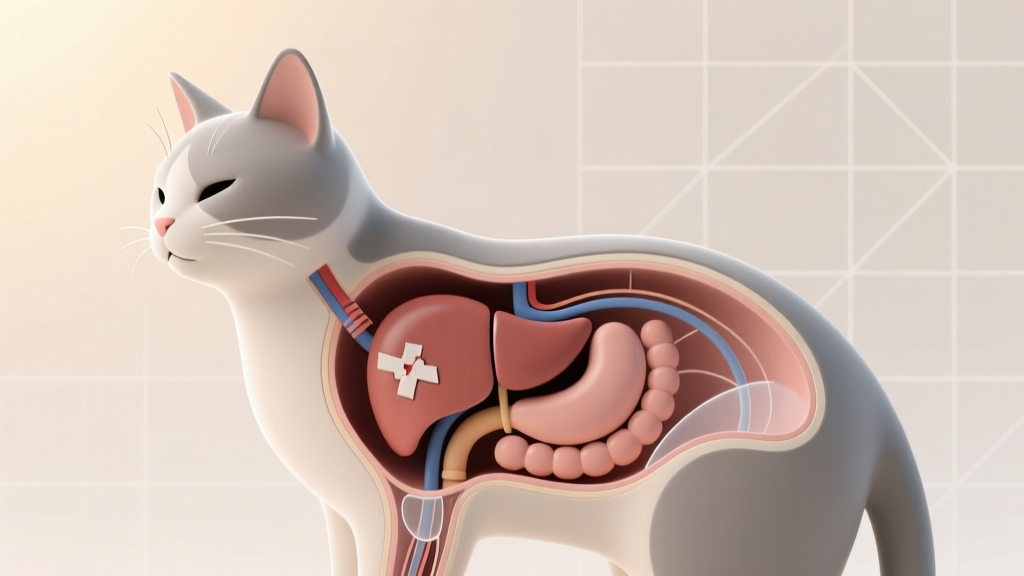
- Check gums and capillary refill time (CRT): Press gently on the gum above the canine tooth. Color should return in ≤2 seconds. Pale, blue, or yellow gums signal anemia, shock, or liver issues.
- Monitor elimination: Kittens under 4 weeks need gentle belly massage and genital wiping with warm, damp cotton ball after each feeding to stimulate urination/defecation. At 5+ weeks, watch for consistent soft-but-formed stools twice daily.
- Listen for breathing sounds: Wheezing, snorting, or open-mouth breathing—even when resting—is never normal and warrants same-day evaluation.
A real-world case: Maya, a first-time owner in Portland, brought home a 7-week-old tabby from a local rescue. She followed all ‘advice’ from the adoption packet—feeding scheduled meals, playing with string toys, letting him sleep in her bed. By Day 3, he was lethargy, refusing food, and had a rectal temp of 104.2°F. An emergency visit revealed severe hookworm anemia and secondary pneumonia—both preventable with deworming at intake and environmental sanitation. Her vet emphasized: “You don’t need to be a vet—but you do need to know what ‘normal’ looks like before ‘abnormal’ becomes life-threatening.”
2. Nutrition & Feeding: More Than Just ‘Kitten Food’
“Feed kitten food” is the most repeated—and most dangerously oversimplified—piece of advice online. Not all kitten foods meet AAFCO’s nutrient profiles for growth, and many contain fillers, artificial preservatives, or inappropriate calcium:phosphorus ratios that impair skeletal development. Worse, free-feeding dry kibble contributes to chronic dehydration, urinary crystals, and obesity—a leading cause of early-onset diabetes in cats.
Dr. Jennifer Coates, DVM and author of The Complete Guide to Feline Health, stresses: “Kittens require 30% more calories per pound than adult cats—and they need those calories in highly bioavailable forms: animal-based protein (≥35% crude protein), taurine, arachidonic acid, and preformed vitamin A. Plant-based proteins or grain-heavy formulas simply cannot support neurologic or retinal development.”
Key feeding principles:
- Wet food first, always: Offer canned or rehydrated freeze-dried food at least 2x/day. It delivers hydration + nutrients simultaneously. Start with ¼ tsp per feeding for tiny kittens; increase gradually.
- No cow’s milk or human baby formula: Lactose intolerance causes explosive diarrhea and rapid dehydration. Use only commercial kitten milk replacer (e.g., KMR or Breeder’s Edge).
- Transition slowly: If switching brands, mix 25% new food on Day 1, increasing by 25% every 2 days over 8 days. Sudden changes trigger vomiting and colitis.
- Water matters more than you think: Place multiple shallow ceramic or stainless steel bowls (not plastic—causes chin acne) in quiet locations. Consider a gravity-fed fountain; studies show kittens drink 40% more water from moving sources (Journal of Feline Medicine and Surgery, 2022).
3. Preventive Health: Vaccines, Parasites, and the ‘Invisible Threats’
Vaccinations and parasite control aren’t optional ‘extras’—they’re the scaffolding of immunity. Kittens receive maternal antibodies through colostrum, but those wane between 6–16 weeks, creating a vulnerable gap where disease risk peaks. Missing even one core vaccine (FVRCP: feline viral rhinotracheitis, calicivirus, panleukopenia) leaves them defenseless against panleukopenia—a virus with >90% mortality in unvaccinated kittens.
Likewise, internal parasites are near-ubiquitous. A 2023 study across 12 U.S. shelters found 94% of kittens tested positive for at least one intestinal parasite (roundworms, hookworms, or coccidia)—many asymptomatic until advanced stages. External parasites like ear mites or fleas compromise skin integrity and transmit Bartonella (“cat scratch fever”).
Your evidence-backed preventive schedule:
| Age | Vaccination | Parasite Prevention | Key Notes |
|---|---|---|---|
| 6–8 weeks | FVRCP #1 | Deworming (fenbendazole x3 doses, 2 weeks apart) | First vet exam: weight, heart/lung auscultation, eye/nose exam, fecal float |
| 10–12 weeks | FVRCP #2, FeLV test & vaccine (if outdoor/indoor-outdoor) | Second deworming; start topical flea/tick (approved for kittens ≥8 weeks) | FeLV testing required before vaccination; avoid over-the-counter flea products—many contain permethrin, which is fatal to cats |
| 14–16 weeks | FVRCP #3, Rabies (required by law in most states) | Third deworming; continue monthly flea/tick | Rabies vaccine must be administered by licensed vet; microchip implantation strongly recommended during this visit |
| 6 months | Spay/neuter (optimal window for health & behavior) | Fecal recheck; heartworm prevention if in endemic area | Early spay/neuter reduces mammary tumor risk by 91% (UC Davis Veterinary Oncology Study, 2021) |
Note: Never use dog flea products on kittens. Permethrin toxicity causes violent tremors, seizures, and death within hours. When in doubt, call your vet or ASPCA Animal Poison Control (888-426-4435).
4. Behavior & Enrichment: Building Confidence, Not Just Cuteness
Socialization isn’t about teaching tricks—it’s neurological wiring. The prime socialization window closes at 7 weeks. After that, novelty becomes threatening, not intriguing. Kittens who miss this window are 3x more likely to develop fear-based aggression, inappropriate elimination, or chronic anxiety disorders (International Society of Feline Medicine, 2020).
Effective socialization isn’t forced handling. It’s structured exposure:
- People variety: Introduce 1–2 new calm, seated people daily (different ages, genders, clothing). Let kitten approach; reward with lickable treats (e.g., tuna water on finger).
- Sound desensitization: Play recordings of vacuum cleaners, doorbells, or children laughing at low volume while offering food—gradually increase volume over 10 days.
- Surface & texture exploration: Place cardboard boxes, faux-fur mats, crinkly paper, and smooth tiles in safe zones. Let them investigate—not push.
- Play = predatory rehearsal: Use wand toys (never fingers!) for 15-minute sessions 3x/day. Mimic prey movement: dart, pause, hide, then pounce. End with a ‘kill’—let them bite a plush toy or treat ball.
Real impact: A 2022 shelter pilot program in Austin paired incoming 5-week-old kittens with trained volunteers using this protocol. Kittens completed the 3-week program were adopted 42% faster and had 76% fewer post-adoption behavior returns than controls.
Frequently Asked Questions
When should I take my kitten to the vet for the first time?
Your kitten’s first veterinary visit should occur within 48–72 hours of bringing them home—even if they seem perfectly healthy. This initial exam establishes baseline vitals, confirms age and vaccination status, screens for congenital issues (e.g., heart murmurs, hernias), and allows the vet to tailor parasite and vaccine schedules to your kitten’s specific risk factors (e.g., outdoor access, multi-pet household). Delaying beyond Day 5 increases diagnostic complexity if problems arise.
Can I bathe my kitten?
Generally, no. Kittens groom themselves effectively, and bathing causes dangerous stress-induced hyperthermia or hypothermia. Only bathe if medically necessary (e.g., pesticide exposure, severe soiling) using a kitten-safe, pH-balanced shampoo—and only under direct veterinary guidance. For routine cleaning, use a damp, warm washcloth to wipe paws or face. Never submerge or use blow dryers.
Why does my kitten bite or scratch during play?
This is normal predatory behavior—not aggression. Kittens learn bite inhibition through littermate play; orphaned or early-weaned kittens lack this feedback. Redirect biting onto appropriate toys (feathers on strings, kicker toys), never hands or feet. If biting persists past 12 weeks, consult a certified cat behaviorist—early intervention prevents escalation into fear-based aggression.
Is it okay to let my kitten sleep in my bed?
It’s safe *after* they’re fully vaccinated, dewormed, and litter-trained (typically by 12–14 weeks)—but consider long-term implications. Sleeping in bed reinforces dependency and may complicate future crate training or separation anxiety. Instead, provide a cozy, heated cat bed nearby. A 2023 Cornell Feline Health Center survey found kittens sleeping separately had 30% lower rates of nighttime vocalization and attention-seeking by 6 months.
How do I know if my kitten is stressed?
Subtle signs include flattened ears, dilated pupils, excessive licking/grooming (especially paws or belly), hiding for >4 hours, refusal to eat for >12 hours, or sudden litter box avoidance. Unlike dogs, cats rarely ‘act out’—they shut down. Chronic stress suppresses immunity and triggers cystitis (FLUTD). If you observe two or more signs for >24 hours, consult your vet immediately.
Common Myths
Myth #1: “Kittens don’t need vaccines if they stay indoors.”
False. Indoor kittens are still exposed to pathogens via your shoes, clothing, or open windows—and panleukopenia virus survives months on surfaces. Unvaccinated indoor kittens have no immunity and face high fatality rates if exposed.
Myth #2: “I’ll wait until my kitten is ‘older’ to spay/neuter.”
Outdated. Early-age spay/neuter (at 4–6 months) is endorsed by the American Veterinary Medical Association (AVMA) and reduces surgical complications, eliminates heat cycles, and prevents unwanted litters. Waiting until after first heat increases mammary cancer risk 7-fold.
Related Topics
- Kitten Vaccination Schedule — suggested anchor text: "kitten vaccination timeline"
- Best Wet Food for Kittens — suggested anchor text: "top-rated kitten wet food brands"
- How to Litter Train a Kitten — suggested anchor text: "step-by-step kitten litter training"
- Signs of Sick Kitten — suggested anchor text: "kitten illness warning signs"
- Kitten Socialization Checklist — suggested anchor text: "free printable kitten socialization guide"
Next Steps: Your Action Plan Starts Today
You now hold a clinically grounded, experience-tested roadmap—not just theory—for how to care for a kitten for beginners. But knowledge alone doesn’t protect your kitten. Your next action must be concrete: book that first vet appointment within 48 hours, download our free Kitten Health Tracker (with daily weight logs, symptom checklists, and vaccine reminders), and commit to one socialization activity today—even if it’s just sitting quietly with your kitten while reading aloud. Every intentional choice you make in these first 90 days echoes across your kitten’s entire lifespan. You’ve got this—and your kitten is already safer because you sought answers here.