Cat Diaphragmatic Hernia: Organ Displacement After Trauma
1. Why this topic matters to cat owners
Most cats are agile, quick, and seemingly “built for landing.” That’s why it can be shocking when a fall, car accident, or other injury causes serious internal damage that isn’t immediately obvious from the outside. A diaphragmatic hernia is one of those hidden injuries. It can affect breathing, circulation, digestion, and overall comfort—sometimes right away, sometimes days (or even weeks) after the event.
Understanding diaphragmatic hernias helps you act quickly when it counts, ask the right questions at the veterinary clinic, and support your cat through treatment and recovery. With prompt veterinary care, many cats go on to have a very good quality of life.
2. Overview: What a diaphragmatic hernia is (plain-language explanation)
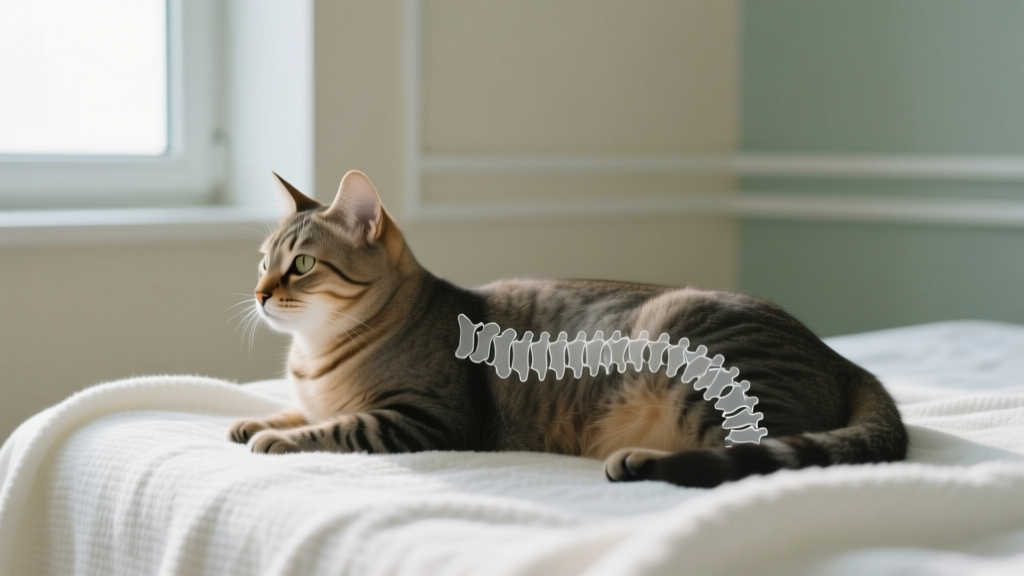
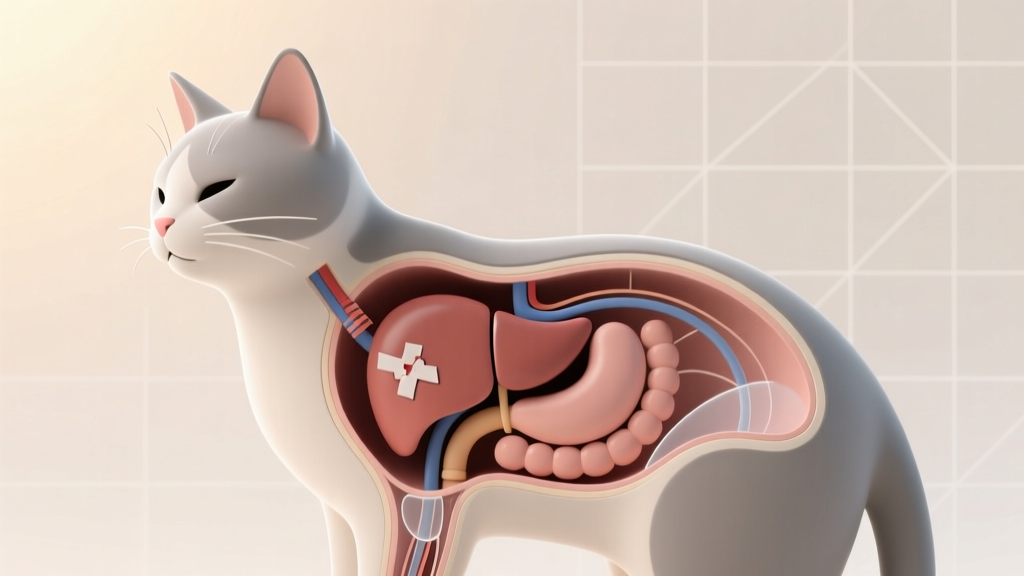
The diaphragm is a thin, strong muscle that separates the chest cavity (where the heart and lungs live) from the abdomen (where the stomach, intestines, liver, and other organs are). Every breath your cat takes relies on the diaphragm moving smoothly.
A diaphragmatic hernia happens when there is a tear or hole in the diaphragm. Through that opening, abdominal organs can slip into the chest cavity. This is called organ displacement or herniation.
Why this is a problem:
- Less room for the lungs: Herniated organs can compress the lungs, making breathing harder.
- Stress on the heart and major blood vessels: Changes in pressure inside the chest can affect circulation.
- Reduced blood flow to displaced organs: In some cases, an organ can become pinched (strangulated), which is painful and dangerous.
Most feline diaphragmatic hernias are traumatic, meaning they occur after an injury such as being hit by a car. Less commonly, cats can be born with a diaphragmatic defect (congenital hernia) that shows up later.
3. Symptoms and warning signs to watch for
Signs can range from subtle to severe. Some cats seem “mostly okay” at first, especially if the hernia is small or organs move in and out of the chest cavity. If your cat has had any trauma (even if they look normal), monitor closely and consult a veterinarian.
Common symptoms:
- Fast breathing (increased respiratory rate), especially at rest
- Labored breathing (belly effort, open-mouth breathing, flared nostrils)
- Low energy, hiding, reluctance to move
- Reduced appetite or refusing food
- Vomiting or gagging
- Coughing (less common in cats than dogs)
- Pale or bluish gums (poor oxygenation—urgent)
Clues you might not expect:
- “Quiet” chest sounds on one side (your vet hears this with a stethoscope)
- Abdominal sounds in the chest (your vet may hear gurgling where it doesn’t belong)
- A tucked-up abdomen or “empty belly” feel if organs have shifted upward (not always present)
Practical at-home check you can do today:
- When your cat is calm and resting, count breaths for 15 seconds and multiply by 4. A typical resting respiratory rate is often under 30 breaths per minute. If your cat is consistently above that, or breathing looks strained, call your veterinarian promptly.
4. Causes and risk factors
The majority of diaphragmatic hernias in cats are caused by blunt trauma, which increases pressure in the abdomen and tears the diaphragm.
Common causes:
- Hit by a car
- Falls from height (balconies, windows, stairs)
- Crush injuries (closing door, heavy object impact)
- Animal attacks or bite wounds associated with blunt force
Risk factors:
- Outdoor access (traffic and fights increase trauma risk)
- Unsecured windows/balconies (“high-rise syndrome” falls)
- Young, adventurous cats more likely to take risks
- Recent unexplained injury or going missing and returning “not quite right”
Rarely, a diaphragmatic hernia is congenital (present at birth). These cats may show chronic mild breathing difficulty or intermittent digestive issues, and the problem is discovered on imaging.
5. Diagnosis: What to expect at the vet
If your cat is having breathing trouble, the veterinary team will focus first on stabilization—oxygen support and gentle handling—before pursuing extensive testing. Stress can worsen respiratory distress, so diagnostics are often staged carefully.
Typical diagnostic steps:
- Physical exam: Listening to heart and lungs, checking gum color, evaluating breathing effort, and assessing for other trauma (pain, fractures, bruising).
- Chest X-rays (radiographs): Often the first major test. The vet may see organs in the chest, loss of the normal diaphragm outline, or compressed lungs.
- Ultrasound: Can help identify organs in the chest or evaluate the abdomen when X-rays are unclear.
- CT scan: In some hospitals, CT provides very detailed information—helpful for complex cases or when other injuries are suspected.
- Bloodwork: Checks overall organ function, blood loss, inflammation, and helps plan anesthesia and surgery.
Why diagnosis can be tricky: Not all hernias are obvious on the first X-ray, especially if the cat is dehydrated, if only a small portion of an organ has moved, or if there is fluid/air in the chest from other injuries. Your veterinarian may recommend repeat imaging once your cat is more stable.
6. Treatment options (medical, surgical, home care)
Medical stabilization (often first)
Many cats need supportive care before surgery, especially if they’re in respiratory distress or have other injuries.
- Oxygen therapy: Oxygen cage, mask, or nasal oxygen.
- Pain control: Safe, veterinarian-prescribed analgesics reduce stress and improve breathing comfort.
- IV fluids: Used carefully; the team balances hydration with not overloading the lungs/chest.
- Treatment for shock or blood loss: May include warming, fluids, and in severe cases blood products.
Surgical repair (definitive treatment)
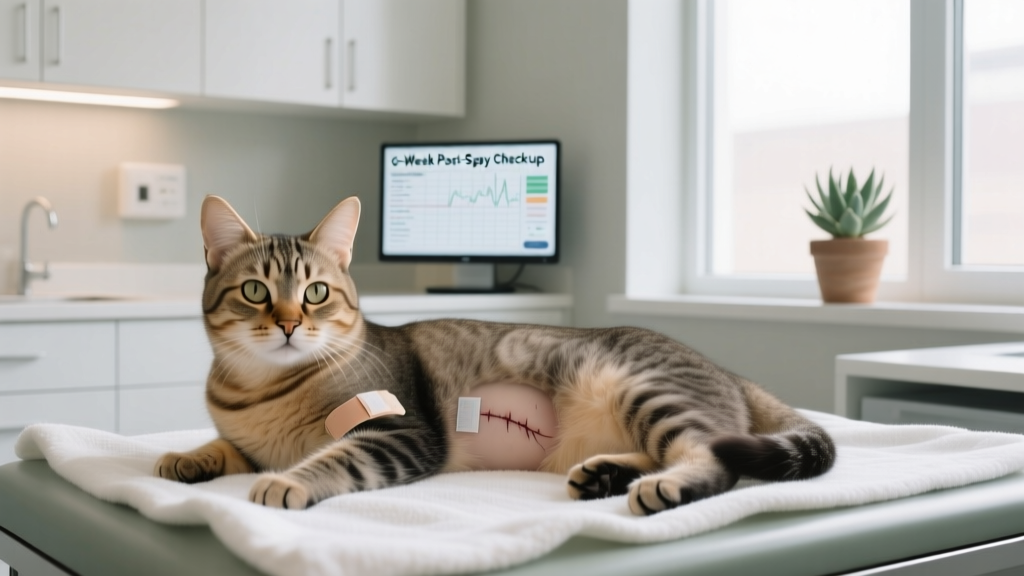
For most traumatic diaphragmatic hernias, surgery is the definitive fix. The surgeon gently moves the displaced organs back into the abdomen and repairs the tear in the diaphragm with sutures. If there’s fluid or air in the chest, it may be removed during or after surgery to allow the lungs to expand properly.
Timing: In many cases, surgery is performed after the cat is stabilized—often within 24–72 hours. Immediate surgery may be necessary if breathing cannot be supported adequately or if there is concern an organ is trapped and losing blood supply. Your veterinarian will recommend the safest timing based on your cat’s condition.
Home care after surgery
Most recovery success happens at home with calm, consistent care.
What cat owners can do:
- Strict rest: Use a small room or large crate as advised for 10–14 days (or longer if your vet recommends).
- Give all medications exactly as prescribed: Pain control and any other meds support comfortable breathing and healing.
- Monitor breathing daily: Check resting respiratory rate when asleep or very calm. Call your vet if it rises or effort increases.
- Offer small, frequent meals: Some cats do better with smaller portions while healing. Follow your veterinarian’s feeding instructions.
- Keep the incision protected: Use an e-collar or recovery suit if recommended; watch for swelling, discharge, or licking.
- Reduce stress: Quiet environment, predictable routine, and limited visitors or other pets during early recovery.
Do not: Give human pain medications (many are toxic to cats), encourage jumping/climbing, or delay rechecks if something seems off.
7. Prevention strategies and early detection tips
Because most diaphragmatic hernias are trauma-related, prevention focuses on reducing injury risk and catching problems early.
Prevention you can act on now:
- Keep cats indoors or provide a secure catio/leash time to reduce traffic and fight injuries.
- Secure windows and balconies with sturdy screens designed to prevent falls (standard insect screens are not enough for many cats).
- Use carriers properly: Always transport in a secured carrier—never loose in the car.
- Microchip and ID: Helps cats return quickly if they escape, reducing time exposed to hazards.
Early detection tips after any trauma:
- Schedule a veterinary exam even if your cat “seems fine,” especially after a car incident, fall, or unknown injury.
- Watch for delayed signs over the next 1–2 weeks: faster breathing, lower appetite, hiding, or vomiting.
- Keep a simple log: appetite, energy, breathing rate, and litter box habits.
8. Prognosis and quality of life considerations
The outlook for a cat with a diaphragmatic hernia depends on several factors:
- How severe the breathing compromise is at presentation
- Which organs are herniated and whether any are strangulated
- Other injuries from the trauma (lung bruising, fractures, internal bleeding)
- How quickly the cat gets care and responds to stabilization
Many cats do very well after surgical repair, returning to normal activities once fully healed. Some may need a longer recovery if they had significant lung contusions or multiple injuries. Your veterinarian may recommend follow-up imaging, recheck exams, and a gradual return to normal play and climbing.
Quality of life after recovery: With successful repair and appropriate rest, most cats can breathe comfortably, eat normally, and enjoy a typical feline lifestyle. Keeping them indoors and preventing future trauma is a big part of protecting that outcome.
9. When to seek emergency veterinary care
If you notice any of the following, treat it as urgent and go to an emergency veterinary hospital or call your nearest clinic right away:
- Open-mouth breathing or severe breathing effort
- Blue, gray, or very pale gums
- Breathing rate persistently high at rest (especially >40 breaths/minute) or rapidly worsening
- Collapse, extreme weakness, or unresponsiveness
- Recent trauma plus any breathing change, even if mild
How to transport safely: Keep your cat calm, minimize handling, and use a carrier. Avoid forcing your cat to lie on their back. Call ahead so the team can be ready with oxygen support.
10. FAQ
Can a cat live with a diaphragmatic hernia without surgery?
Some cats with very small or congenital hernias may appear stable for a time, but traumatic diaphragmatic hernias typically require surgical repair for the best long-term outcome. Even if symptoms seem mild, organs in the chest can compromise breathing or become trapped later. A veterinarian should evaluate and advise you on the safest plan.
How soon do symptoms show up after trauma?
Symptoms may be immediate (especially with severe tears), but they can also be delayed by days or weeks. Organs can shift position over time, and swelling or pain from other injuries can mask early signs. Any history of trauma warrants a veterinary check.
What organs can move into the chest?
Commonly herniated organs include the liver, small intestine, stomach, spleen, and fatty tissue (omentum). The specific organs involved can affect symptoms and urgency.
Is surgery risky for cats with breathing problems?
Any anesthesia carries risk, and cats with compromised breathing need careful planning. That’s why stabilization (oxygen, pain control, supportive care) often happens first. Surgical and anesthesia teams monitor oxygen levels, blood pressure, and ventilation closely to reduce complications.
What is recovery like after diaphragmatic hernia surgery?
Most cats need strict activity restriction, pain management, and recheck visits. You may notice your cat tires more easily at first. Breathing should gradually become easier as the lungs re-expand and healing progresses. Your vet will tell you when it’s safe to return to normal activity.
Could my cat’s breathing issues be asthma instead?
Yes—cats can have asthma, heart disease, pneumonia, or other conditions that cause breathing changes. The key difference is that diaphragmatic hernia is often linked to trauma and may show organs in the chest on imaging. Because breathing problems can become serious quickly, a veterinarian should assess any respiratory change.
If you’re worried your cat may have a diaphragmatic hernia—or any breathing difficulty—contact your veterinarian or an emergency clinic promptly. For more cat health guides, practical wellness tips, and caring resources, visit catloversbase.com.