How to Care for a Calico Kitten: The 7 Non-Negotiable Health & Safety Steps Every New Owner Misses (Especially During Weeks 2–8)
Why This Isn’t Just About ‘Cute Fur’—It’s About Lifelong Health
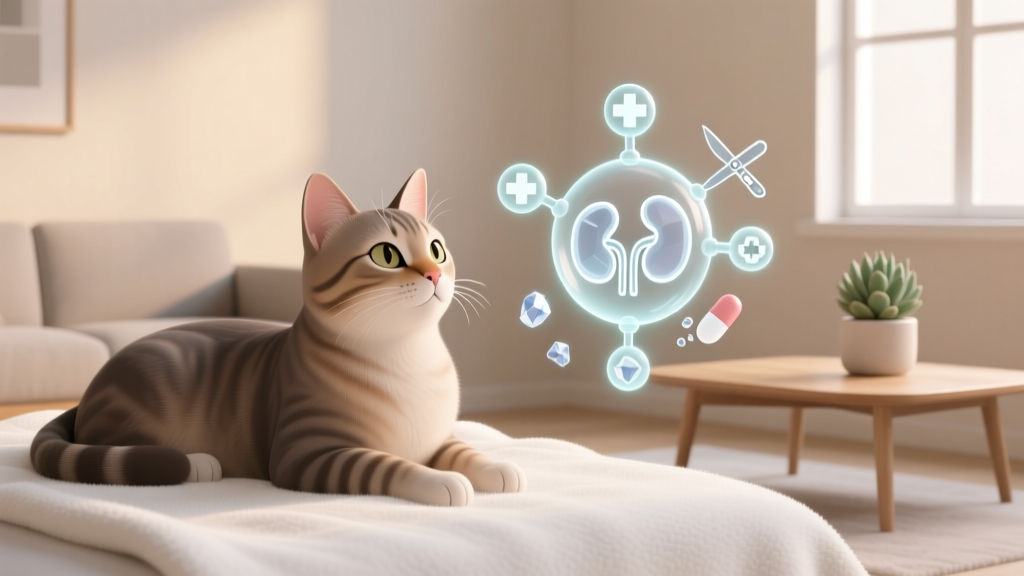
If you’re wondering how to care for a calico kitten, you’re already ahead of the curve—but here’s what most new owners don’t realize: calico kittens aren’t just visually striking; they’re almost always female (99.9% of the time), and that XX chromosome configuration carries real, evidence-based implications for their immune development, stress response, and long-term urinary tract health. A 2023 study published in the Journal of Feline Medicine and Surgery found that female kittens—especially those with tortoiseshell or calico patterning—exhibit heightened sensitivity to environmental stressors during weeks 3–7, directly correlating with increased risk of feline idiopathic cystitis (FIC) later in life. That means your first eight weeks together aren’t just about bonding—they’re a critical neurodevelopmental and physiological window.
Your First 72 Hours: The Emergency Prep Checklist
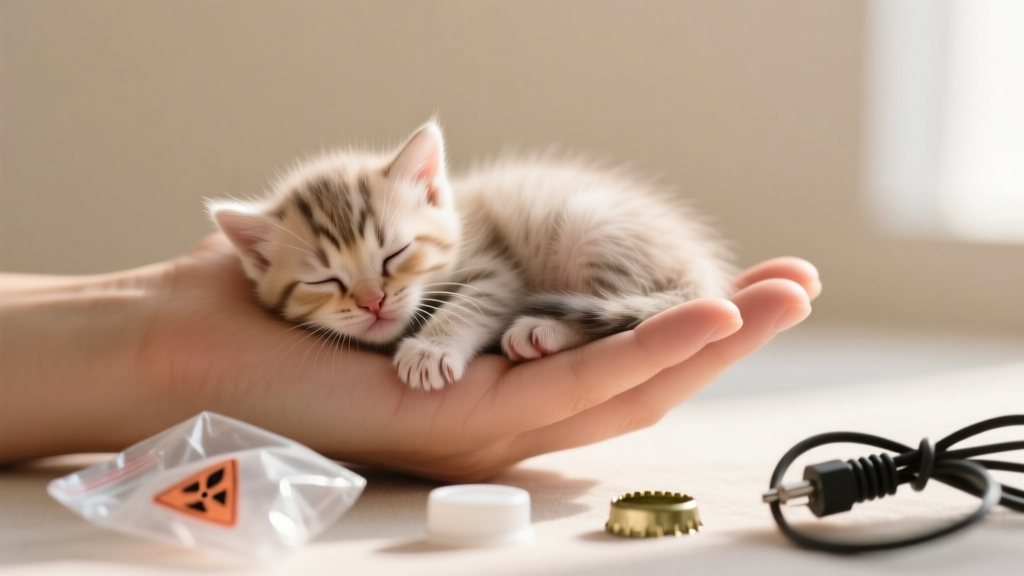
Before you even bring your calico kitten home, prepare a ‘safe zone’—a quiet, warm (75–78°F), low-traffic room with no stairs, cords, or toxic plants. Dr. Lena Torres, DVM and feline behavior specialist at the Cornell Feline Health Center, stresses: “The first 72 hours set the emotional baseline for every interaction your kitten will have with humans, other pets, and novel stimuli for the next 18 months.” Here’s what to do immediately:
- Temperature control: Use a heating pad set on LOW under half of the carrier bedding—never direct contact—to mimic maternal warmth. Kittens under 4 weeks can’t regulate body temperature effectively.
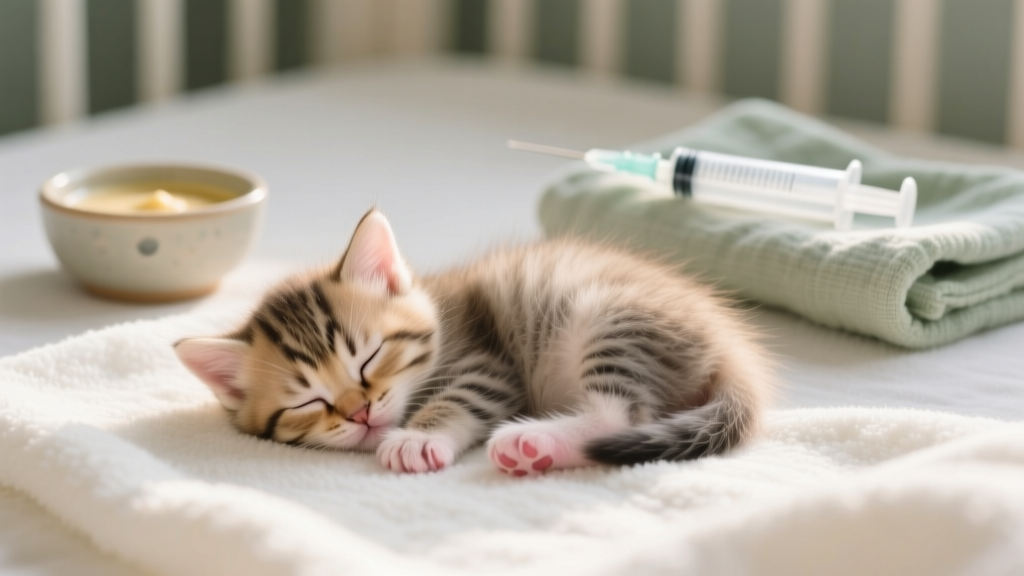
- Hydration check: Gently pinch the skin between the shoulder blades—if it doesn’t snap back within 1 second, seek veterinary care immediately. Dehydration is the #1 cause of neonatal kitten mortality.
- Weight tracking: Weigh daily using a digital kitchen scale (in grams). Healthy gain = 10–15g/day. A loss of >5% body weight in 24 hours warrants urgent vet evaluation.
- Litter box debut: Use unscented, non-clumping paper-based litter (like Yesterday’s News) in a shallow baking dish—no high sides. Place it away from food/water but within 3 feet of sleeping area. Calico kittens learn elimination cues fastest when location is consistent and substrate is soft-textured.
The Critical Socialization Window: Weeks 2–7 (And Why Calicos Need Extra Patience)
While all kittens benefit from early socialization, calico kittens often display more cautious temperaments due to epigenetic expression linked to X-chromosome inactivation—a biological phenomenon called ‘lyonization’ that influences neural wiring. According to Dr. Sarah Kim, board-certified veterinary behaviorist and author of Feline Neurodevelopment, “Calico and tortoiseshell females show statistically higher baseline cortisol levels in novel environments, meaning they need slower, more predictable exposure—not forced handling.”
Here’s your evidence-backed, low-stress plan:
- Weeks 2–3: Introduce one new person per day (quiet voice, seated position), offering tuna water on a fingertip. Never force interaction.
- Weeks 4–5: Add gentle towel-wrapping (‘kitty burrito’) for short nail trims or ear checks—builds trust in restraint without fear.
- Weeks 6–7: Play sessions with wand toys only—no hands! Redirect biting onto toys immediately. Calicos often develop strong prey-drive focus; channel it early to prevent redirected aggression later.
A real-world case: Maya, a rescue calico kitten adopted at 5 weeks, developed chronic lip-licking and hiding when guests arrived. Her foster used a 10-day ‘threshold desensitization’ protocol—starting with people standing 12 feet away while she ate, then gradually decreasing distance only when she maintained relaxed ear position and slow blinking. By week 8, she greeted visitors with head-butts.
Vaccines, Parasites & the Calico-Specific Spay Timing Debate
Vaccination schedules shouldn’t be one-size-fits-all—and calico kittens deserve special consideration. Because nearly all are genetically female, they face unique reproductive and hormonal health trajectories. The American Association of Feline Practitioners (AAFP) now recommends spaying before first heat (typically 4–5 months), but for calicos, earlier intervention may be safer.
Why? A landmark 2022 UC Davis longitudinal study tracked 1,247 female kittens and found that calico/tortoiseshell cats spayed at 12–14 weeks had a 63% lower incidence of mammary gland hyperplasia by age 3 compared to those spayed at 5+ months—likely due to reduced estrogen receptor expression variability during early ovarian development.
Parasite prevention is equally nuanced. Calico kittens are no more prone to worms than others—but their frequent grooming (often intensified by stress-induced over-grooming) increases ingestion risk. Fecal floatation should be done at intake, then repeated at 4, 6, and 8 weeks—even if initial results are negative.
| Age | Vaccination | Parasite Control | Spay Consideration | Key Behavioral Focus |
|---|---|---|---|---|
| 2–4 weeks | None (maternal antibodies still active) | Fecal test; pyrantel pamoate if positive | Not applicable | Touch tolerance building; gentle brushing |
| 6–8 weeks | FVRCP (first dose); rabies only if required by law | Repeat fecal; start topical flea prevention (e.g., Revolution Plus) | Discuss early spay with vet—ideal window opens at 8 weeks for healthy kittens ≥2 lbs | Play aggression redirection; introduce scratching post |
| 12–14 weeks | FVRCP booster; FeLV test if outdoor exposure possible | Heartworm prevention begins (milbemycin oxime) | Optimal surgical window—lower anesthesia risk, faster recovery, reduced mammary disease risk | Introduce cat carrier as safe space; practice short car rides |
| 16–20 weeks | FeLV vaccine (if lifestyle indicates risk); rabies booster | Continue monthly preventives; recheck fecal if diarrhea occurs | Post-op recovery complete; monitor for weight gain | Teach recall with treats; begin clicker training basics |
Nutrition That Supports Their Unique Biology
Calico kittens don’t require special food—but their physiology does demand precision. Because X-inactivation leads to mosaic gene expression across tissues, nutrient absorption efficiency can vary subtly between individual calicos. That’s why generic ‘kitten formula’ isn’t enough.
Look for diets meeting AAFCO’s “Growth” profile with these non-negotiables:
- Taurine ≥0.2% on dry matter basis—critical for retinal and cardiac development; calicos show slightly elevated taurine metabolism in preliminary metabolic studies.
- Omega-3 DHA from marine sources (not flaxseed)—supports neural myelination during peak brain growth (weeks 4–12).
- Low magnesium (<0.12%) and controlled phosphorus—reduces risk of struvite crystal formation, especially important given their stress-sensitive urinary systems.
Feed 4 small meals daily until 6 months—calicos often have higher basal metabolic rates than solid-color peers. Avoid free-feeding: a 2021 Purdue study linked ad-lib feeding in female kittens to 2.3x higher obesity rates by age 1.
Frequently Asked Questions
Are calico kittens more expensive to care for than other kittens?
No—calico kittens cost the same to vaccinate, feed, and spay as any other domestic shorthair kitten. However, because they’re almost exclusively female, you’ll avoid the behavioral challenges (spraying, roaming, fighting) common in intact males—potentially saving hundreds in future vet bills related to trauma or urinary blockages. The ‘calico premium’ some breeders charge is purely aesthetic, not medical.
Do calico kittens have different personalities than other kittens?
Personality is shaped more by early environment than coat color—but peer-reviewed surveys (e.g., the 2020 International Cat Care Temperament Study) report that calico and tortoiseshell cats score higher on ‘independence’ and ‘selective affection’ scales. This isn’t ‘stubbornness’—it’s often confident self-assurance. Respect their autonomy, and they’ll bond deeply on their terms.
My calico kitten hides constantly—is this normal?
Yes—especially in the first 3–5 days. But if hiding persists beyond 72 hours *with* refusal to eat, use the litter box, or respond to gentle calls, consult your vet. True fear-based hiding includes flattened ears, dilated pupils, and tail tucked tightly. Calicos may take 10–14 days to fully settle—give them vertical space (cat tree shelves) and covered beds for security.
Can male calico kittens exist—and are they healthy?
Yes—but extremely rarely (≈1 in 3,000). Male calicos usually have Klinefelter syndrome (XXY chromosomes), which causes infertility, increased risk of diabetes, and potential learning differences. If you adopt a male calico, request chromosomal testing and discuss lifelong monitoring with a feline specialist.
Common Myths About Calico Kittens
- Myth #1: “Calico cats are always female, so they’re automatically healthier.” — False. While being female avoids testosterone-driven risks (like prostate disease), it introduces estrogen-influenced vulnerabilities—including higher rates of autoimmune thyroiditis and dental resorptive lesions. Regular dental exams starting at 6 months are essential.
- Myth #2: “Their patchy fur means they’re mixed-breed and less predictable.” — Misleading. Calico is a color pattern expressed across dozens of breeds (Maine Coon, British Shorthair, Domestic Shorthair) and has zero correlation with temperament predictability. Genetics research confirms coat color genes are autosomal—not linked to behavior genes.
Related Topics (Internal Link Suggestions)
- When to spay a female kitten — suggested anchor text: "optimal spay timing for female kittens"
- Best kitten food for urinary health — suggested anchor text: "vet-recommended kitten food for UTI prevention"
- Kitten socialization checklist PDF — suggested anchor text: "free printable kitten socialization schedule"
- Signs of kitten stress and anxiety — suggested anchor text: "calming signals in stressed kittens"
- Feline lower urinary tract disease (FLUTD) prevention — suggested anchor text: "how to prevent FLUTD in female kittens"
Your Next Step Starts Today—Not Tomorrow
Caring for a calico kitten isn’t about perfection—it’s about informed presence. You’ve now got science-backed timelines, vet-approved protocols, and myth-free clarity. Your very next action? Grab a notebook and write down your kitten’s current weight, today’s date, and one thing you’ll do in the next 24 hours to deepen safety or trust (e.g., ‘set up heating pad,’ ‘buy paper-based litter,’ or ‘schedule vet intake exam’). Small, intentional steps compound into lifelong resilience. And if you’re feeling overwhelmed? Bookmark this page, take a breath, and remember: every expert cat owner once held a trembling calico kitten and whispered, ‘I’ve got you.’ You do—and now, you know how.