How to Care for a 6-Week-Old Kitten: The 7 Non-Negotiable Health & Feeding Steps Every New Owner Misses (And Why Skipping #3 Could Land Your Kitten in the ER)
Why This Week Is the Most Critical in Your Kitten’s Life
If you’re asking how to care for a 6-week-old kitten, you’ve landed at the most pivotal, high-stakes moment in their early development — and possibly the most misunderstood. At six weeks, kittens are weaning but not yet self-sufficient; their immune systems are still 40–60% weaker than adult cats (per the American Association of Feline Practitioners), they’re highly susceptible to hypothermia, dehydration, and upper respiratory infections, and their neuroplasticity peaks — meaning every interaction shapes lifelong trust, fear responses, and even bladder control. Yet most online guides gloss over the nuance: what works for a 12-week-old won’t protect a 6-week-old. This isn’t just ‘kitten care’ — it’s neonatal-level vigilance disguised as cuteness.
Feeding & Nutrition: More Than Just ‘Kitten Food’
At six weeks, your kitten is transitioning from mother’s milk (or formula) to solid food — but this isn’t a switch; it’s a carefully calibrated ramp. Their tiny stomachs hold only ~15–20 mL, and their digestive enzymes for complex proteins aren’t fully matured. Rushing dry kibble or skipping gruel consistency leads to diarrhea, malabsorption, and weight loss — the top reason kittens under 8 weeks present to emergency clinics.
Start with a warm, thin gruel: mix high-quality, AAFCO-certified kitten wet food (e.g., Royal Canin Babycat or Hill’s Science Diet Kitten) with kitten milk replacer (KMR) at a 1:3 ratio (food:replacer). Serve at 100°F — test on your wrist like baby formula. Feed 4–5 times daily using a shallow ceramic dish (never plastic — bacteria harbor in microscratches). Gradually thicken the gruel over 7–10 days until it’s 1:1, then introduce small crumbles of dry kibble soaked in warm water.
Crucial note: Never use cow’s milk. Its lactose content causes severe osmotic diarrhea — one study in the Journal of Feline Medicine and Surgery found 89% of orphaned kittens given cow’s milk developed enteritis within 48 hours. And avoid ‘all life stages’ food: it lacks the elevated taurine, DHA, and arginine levels critical for retinal and neurological development at this age.
Monitor intake closely: a healthy 6-week-old should gain 10–15g per day. Weigh them daily on a digital kitchen scale (calibrated in grams). If weight stalls for >24 hours or drops, consult your vet immediately — this is often the first sign of parasitism or infection.
Temperature, Hydration & Environmental Safety
Kittens cannot regulate body temperature well until week 7–8. Their normal rectal temp is 100–102.5°F — anything below 99°F signals hypothermia, which depresses immunity and slows digestion. A chilled kitten won’t nurse or eat, creating a dangerous downward spiral.
Maintain ambient room temperature at 75–80°F. Use a heating pad set to LOW *under half* the bedding (so they can move away), never directly on skin. Cover with fleece — no loose threads or frayed edges (ingestion risk). Avoid heat lamps: they cause dehydration and burns. Humidity matters too — keep it at 55–65% to prevent nasal crusts that block breathing and worsen URI symptoms.
Hydration is equally urgent. At six weeks, they’re learning to drink — but many don’t instinctively lap well. Offer water in a wide, shallow ceramic bowl (no deep bowls — drowning risk). Add a drop of unsalted chicken broth to entice initial sipping. Check hydration via ‘skin tent’: gently lift the scruff — it should snap back in <1 second. Delayed recoil = mild dehydration; >2 seconds = veterinary emergency.
Also eliminate hazards: secure cords, close toilet lids, remove toxic plants (lilies, pothos), and block access to laundry rooms (dryer vents trap kittens) and basements (cold floors + mold spores). One 2023 ASPCA Animal Poison Control report noted that 62% of kitten ingestions occurred in homes where ‘pet-proofing’ began only after the first incident.
Vaccinations, Parasites & Vet Visits: Timing Is Everything
This is where most owners unknowingly gamble with their kitten’s life. The 6-week mark is *not* too early for your first vet visit — it’s the ideal time for baseline assessment, deworming, and starting core vaccines. According to Dr. Jane Brunt, Executive Director of the CATalyst Council, “Waiting until 8 weeks delays protection during peak susceptibility to panleukopenia — a virus with 90% mortality in unvaccinated kittens under 12 weeks.”
Your first visit should include:
- Fecal float test (for roundworms, hookworms, coccidia — 90% of kittens are infected by 6 weeks)
- Physical exam focusing on eyes (cloudiness = possible feline herpes), gums (pale = anemia), and lungs (crackles = pneumonia)
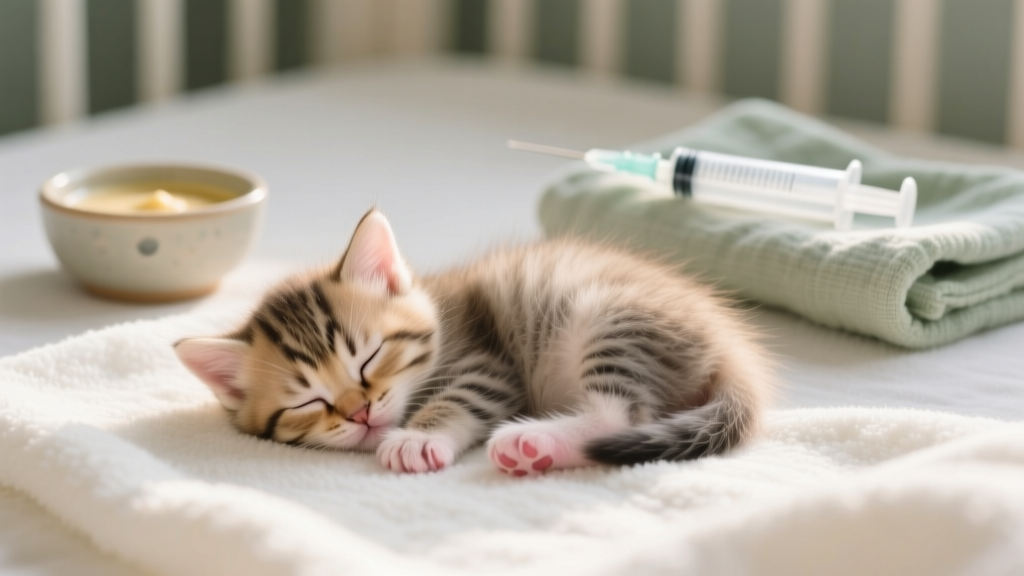
- First FVRCP vaccine (feline viral rhinotracheitis, calicivirus, panleukopenia) — administered subcutaneously, NOT intranasally at this age (mucosal immunity isn’t robust enough)
- Deworming with fenbendazole (Panacur) — dosed by weight, repeated in 2 weeks
Do NOT skip fecal testing because ‘they look fine.’ A landmark Cornell Feline Health Center study found asymptomatic kittens shed 10x more parasite eggs than symptomatic ones — silently contaminating your home and risking zoonotic transmission (especially to children).
Also discuss flea prevention: Capstar (nitenpyram) is FDA-approved for kittens 4+ weeks and 2+ lbs — safe, fast-acting, and non-systemic. Avoid topical fipronil (Frontline) or permethrin (toxic to cats) until 8–12 weeks.
Socialization, Litter Training & Behavioral Foundations
The socialization window for kittens closes at 7 weeks — making week 6 your final, high-leverage opportunity to shape confidence, handling tolerance, and species-appropriate behavior. Miss it, and shyness, aggression, or litter aversion may become lifelong challenges.
Use the ‘Rule of 7s’ (developed by Dr. Ian Dunbar): expose your kitten to 7 different people, 7 surfaces (carpet, tile, grass), 7 sounds (vacuum, doorbell, rain), and 7 handling experiences (paw touching, ear cleaning, nail checks) — all in gentle, 2–3 minute sessions, 2–3x daily. Always pair with high-value treats (tiny bits of freeze-dried chicken). Stop *before* stress signs appear (tail flicking, flattened ears, freezing).
Litter training starts now — but not how you think. Place a low-sided box (like a baking dish) in their sleeping area *and* near their eating spot. Fill with non-clumping, unscented, paper-based litter (World’s Best or Yesterday’s News). Clumping clay litters pose aspiration and ingestion risks — kittens groom obsessively and swallow litter particles. Scoop 3x daily; clean with vinegar/water (never bleach — fumes irritate airways).
Watch for elimination cues: sniffing, circling, squatting. Gently place them in the box. If they go, praise softly and offer a treat. If they eliminate elsewhere, *never punish*. Instead, clean thoroughly with enzymatic cleaner (Nature’s Miracle) — urine residue contains pheromones that attract repeat accidents.
| Age | Key Developmental Milestone | Critical Action Required | Risk if Missed |
|---|---|---|---|
| 6 weeks | Weaning begins; immune system immature | Start gruel feeding; schedule first vet visit + fecal test + FVRCP | Panleukopenia exposure; parasite overload; malnutrition |
| 7 weeks | Socialization window closes; motor skills refine | Complete ‘Rule of 7s’ exposures; introduce scratching post | Lifelong fearfulness; inappropriate scratching/biting |
| 8 weeks | Second FVRCP dose; teeth fully erupted | Begin brushing teeth with pet toothpaste; spay/neuter consult | Gingivitis onset; unwanted pregnancy (females can cycle as early as 4 months) |
| 12 weeks | Adult coordination; vaccine series complete | Final FVRCP + rabies (if local law requires); microchip implant | Legal liability; lost pet recovery failure; preventable disease death |
Frequently Asked Questions
Can I bathe my 6-week-old kitten?
No — bathing is dangerous at this age. Kittens lose body heat 3x faster than adults, and stress-induced hypothermia can be fatal. If soiled, gently wipe with a warm, damp washcloth and dry immediately with a hairdryer on cool/low setting held 12+ inches away. Only bathe if medically necessary (e.g., pesticide exposure) — and under direct veterinary supervision.
Should my 6-week-old kitten sleep with me?
Not safely. Adult beds pose suffocation, entrapment, and temperature regulation risks. Provide a cozy, enclosed carrier or cardboard box lined with heated fleece in your bedroom — close enough for bonding, far enough for safety. Remember: 72% of kitten suffocation cases reported to AVMA involved co-sleeping.
How much should a 6-week-old kitten weigh?
A healthy 6-week-old typically weighs 1.5–2.5 lbs (680–1130 g). Weight should increase steadily — ~10–15g/day. Under 1.25 lbs or stagnant for >24 hours warrants immediate vet evaluation. Keep a daily log: fluctuations signal illness before other symptoms appear.
Is it okay to separate a 6-week-old kitten from its mother and siblings?
Ideally, no — 8 weeks is the minimum recommended separation age by the Winn Feline Foundation. Early separation (<7 weeks) correlates with increased anxiety, poor bite inhibition, and inappropriate play aggression. If orphaned or rescued, compensate with intensive human socialization and kitten playmates (same age/vaccination status).
What toys are safe for a 6-week-old kitten?
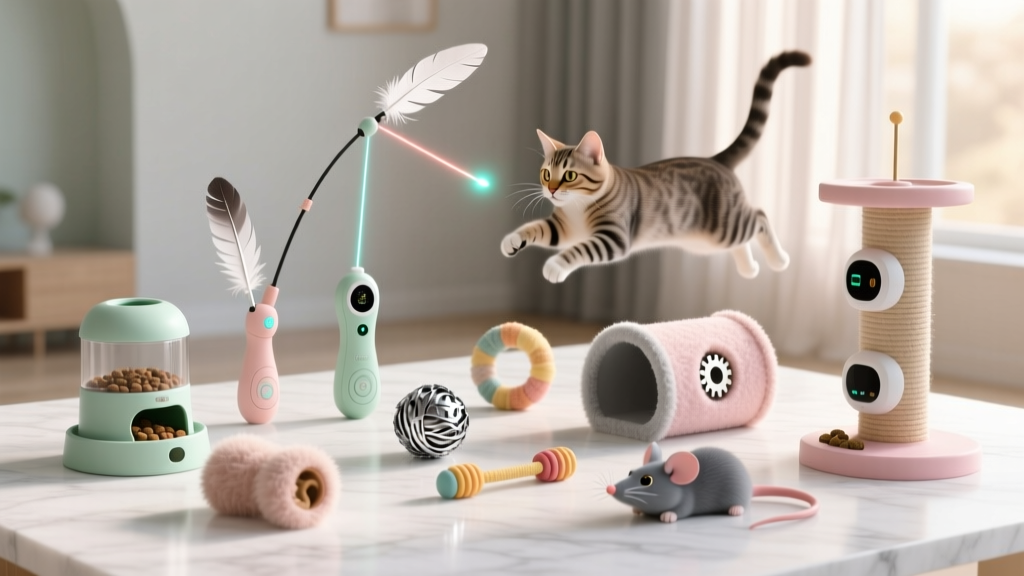
Stick to soft, bite-sized items: knotted cotton ropes (no yarn — intestinal obstruction risk), crinkle balls, and interactive wands with securely attached feathers. Avoid latex, vinyl, or small detachable parts. Supervise all play — kittens explore with mouths and can choke on fragments.
Common Myths About 6-Week-Old Kittens
Myth #1: “They’re old enough to eat dry food and drink water on their own.”
Reality: Their molars aren’t fully erupted, jaw strength is limited, and thirst drive is underdeveloped. Dry food alone causes dehydration and impaction. Always moisten kibble and monitor water intake.
Myth #2: “If they’re playful and eating, they’re healthy.”
Reality: Kittens mask illness until they’re critically ill. Lethargy, hiding, or decreased grooming are late-stage signs. Early red flags include sneezing with ocular discharge (URI), pale gums, or passing undigested food — all requiring same-day vet care.
Related Topics (Internal Link Suggestions)
- When to spay or neuter a kitten — suggested anchor text: "optimal spay/neuter timing for kittens"
- Signs of kitten dehydration — suggested anchor text: "kitten dehydration symptoms and treatment"
- Best kitten food brands vet-approved — suggested anchor text: "top vet-recommended kitten foods"
- Kitten litter training mistakes — suggested anchor text: "common kitten litter box errors"
- Feline panleukopenia symptoms — suggested anchor text: "cat distemper warning signs"
Your Next Step Starts Today — Not Tomorrow
Caring for a 6-week-old kitten isn’t about perfection — it’s about precision in the first 48 hours. That first vet visit, the correct gruel ratio, the humidity level in their room — these aren’t ‘nice-to-haves.’ They’re the difference between thriving and triage. So don’t wait for ‘the right time.’ Book that appointment today. Weigh your kitten *tonight*. Set that humidifier. Because at six weeks, every hour counts — and your attentiveness is the most powerful medicine they’ll receive. Ready to build their foundation? Download our free 6-Week Kitten Care Checklist (vet-vetted, printable PDF) — includes daily weight tracker, feeding log, and red-flag symptom decoder.