Cat Hepatic Lipidosis: Fatty Liver from Not Eating
1. Introduction: Why This Matters to Cat Owners
If your cat skips meals, it’s easy to assume they’re being picky or stressed. But in cats, not eating can quickly turn into a serious medical problem called hepatic lipidosis, also known as fatty liver disease. This condition can develop in as little as a few days, especially in overweight cats, and it can become life-threatening without prompt veterinary care.
The good news is that hepatic lipidosis is often treatable, and many cats recover well when it’s recognized early and supported properly. Understanding the warning signs and knowing when to act can truly save your cat’s life.
2. Overview: What Is Hepatic Lipidosis (Fatty Liver) in Cats?
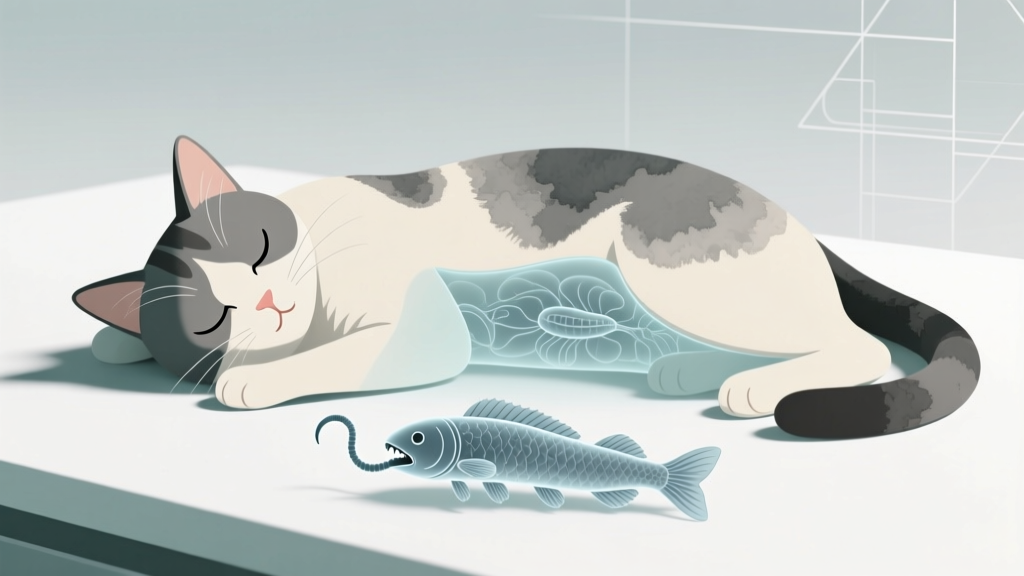
Hepatic lipidosis happens when a cat stops eating (or eats far too little) and their body begins breaking down fat stores for energy. In cats, the liver isn’t always able to process and export that sudden flood of fat efficiently. The fat then builds up inside liver cells, causing the liver to swell and function poorly.
The liver has many jobs that keep your cat stable and healthy, including:
- Processing nutrients from food
- Filtering toxins and metabolizing medications
- Producing proteins important for clotting and fluid balance
- Supporting digestion through bile production
When fat overwhelms the liver, these functions can decline. That can lead to a cycle where the cat feels nauseated, eats even less, and the liver gets sicker. Hepatic lipidosis is often triggered by an underlying problem (stress, illness, pain), so treating the root cause is usually part of recovery.
3. Symptoms and Warning Signs to Watch For
Signs can begin subtly and may look like “just not feeling well.” Contact your veterinarian promptly if you notice any of the following—especially if your cat has eaten little or nothing for more than 24 hours.
- Reduced appetite or refusing food
- Weight loss (sometimes rapid)
- Lethargy, hiding, less interaction
- Vomiting or gagging
- Drooling (a common nausea sign)
- Dehydration (dry gums, sunken eyes)
- Diarrhea or changes in stool
- Yellow tint to the whites of the eyes, gums, or skin (jaundice/icterus)
- Weakness or wobbly walking
- Behavior changes (irritability, confusion in severe cases)
Practical tip: If you’re not sure how much your cat is eating, measure food. Offer a known amount and check what’s left after an hour. With multiple pets, feed separately so you can track your cat’s intake accurately.
4. Causes and Risk Factors
Hepatic lipidosis is most commonly triggered by not eating enough calories, but there’s usually an underlying reason for the appetite loss. Common causes and risk factors include:
Common triggers
- Stress (moving, boarding, new pet, household changes)
- Sudden diet changes or food aversion
- Dental disease or oral pain
- Gastrointestinal upset (nausea, constipation, pancreatitis)
- Systemic illness (kidney disease, infections, cancer)
- Diabetes mellitus
- Inflammatory bowel disease
- Cholangitis/cholangiohepatitis (bile duct/liver inflammation)
Higher-risk cats
- Overweight or obese cats (a major risk factor)
- Middle-aged cats (though any age can be affected)
- Cats that are picky eaters or easily stressed
- Cats recovering from surgery or illness
Important note for well-meaning owners: Rapid weight loss is dangerous for cats. Never put a cat on a crash diet. Weight loss plans should be gradual and guided by a veterinarian.
5. Diagnosis: What to Expect at the Vet
If your cat isn’t eating, your veterinarian will focus on two goals: stabilize your cat and identify why they stopped eating. Diagnosis often includes:
- History and exam: How long appetite has been reduced, any recent changes or stressors, weight history, vomiting/diarrhea, medications.
- Bloodwork: Liver enzymes (ALT, ALP), bilirubin, electrolytes, blood sugar, kidney values, protein levels. Cats with hepatic lipidosis commonly have elevated liver enzymes and bilirubin.
- Urinalysis: Helps assess hydration, infection, and metabolic issues.
- Abdominal ultrasound: Evaluates liver appearance and checks for other diseases (pancreatitis, gallbladder disease, intestinal problems, masses).
- Fine needle aspirate or biopsy (sometimes): A small sample of liver cells can confirm fat accumulation and rule out other liver disorders. Your vet will discuss risks and whether it’s necessary for your cat.
You may also be asked about your cat’s normal diet, treats, and any changes in routine. Bringing a list (or photos of food labels) can help.
6. Treatment Options (Medical, Surgical, Home Care)
Successful treatment depends on two key things:
- Providing enough nutrition consistently (this is the cornerstone of therapy)
- Treating the underlying cause of appetite loss
Medical stabilization
Many cats need supportive care, especially early on:
- Fluids to correct dehydration and support circulation
- Anti-nausea medications (to reduce vomiting and improve comfort)
- Appetite stimulants (may help, but often aren’t enough alone)
- Pain control if dental disease, pancreatitis, or other pain is present
- Electrolyte support (potassium and phosphorus abnormalities can occur and must be managed carefully)
- Vitamin supplementation as indicated (your vet will tailor this to lab results)
Nutritional support (the most important part)
Cats with hepatic lipidosis often need assisted feeding to deliver adequate calories and protein. Depending on your cat’s condition, this may involve:
- Feeding tube placement (very common and often lifesaving)
- Syringe feeding in mild cases (only if your veterinarian advises it and it can be done safely)
Feeding tubes can sound scary, but many owners are surprised by how well cats tolerate them. Tubes allow you to feed without forcing food by mouth, reduce stress, and make it easier to give medications and water.
Types of feeding tubes
- Nasoesophageal tube: through the nose into the esophagus; usually short-term
- Esophagostomy tube: placed into the side of the neck into the esophagus; commonly used for weeks
- Gastrostomy tube: placed into the stomach; used in some longer-term situations
Surgical care
Hepatic lipidosis itself is typically treated medically and nutritionally, but surgery may be needed if an underlying condition is present (for example, certain gallbladder issues, foreign body obstruction, or masses). Your veterinarian will recommend imaging first to determine if surgery is necessary.
Home care once your cat is stable
Many cats continue treatment at home with guidance from the veterinary team. Practical steps include:
- Follow the feeding plan exactly (volume, schedule, and how quickly to increase)
- Keep a daily log of food volume given, vomiting, stool, attitude, and weight
- Weigh your cat regularly (a baby scale can be helpful)
- Keep tube sites clean if applicable; monitor for redness, swelling, discharge, or odor
- Reduce stress (quiet room, consistent routine, easy access to litter/water)
Do not change diets, add supplements, or adjust feeding volumes without your veterinarian’s direction. Too much food too quickly can cause dangerous electrolyte shifts in malnourished cats.
7. Prevention Strategies and Early Detection Tips
Hepatic lipidosis is one of the most preventable serious liver conditions in cats because the main trigger—prolonged lack of eating—is something you can often catch early.
What you can do starting today
- Track appetite: Notice if meals are skipped, especially for more than 24 hours.
- Monitor weight monthly: Weight creep up or down can signal trouble.
- Make diet changes slowly: Transition over 7–10 days, mixing old and new food.
- Feed overweight cats safely: Use a vet-approved weight loss plan; avoid sudden restriction.
- Address dental health: Oral pain is a common hidden reason cats stop eating.
- Reduce stress: Provide hiding spots, vertical spaces, and predictable routines—especially during changes.
Early detection tip
If your cat is eating less, schedule a veterinary visit sooner rather than later. Catching nausea, pain, or an underlying illness early can prevent the “not eating” spiral that leads to fatty liver.
8. Prognosis and Quality of Life Considerations
With prompt treatment and consistent nutritional support, many cats recover well from hepatic lipidosis. Recovery often takes weeks, not days. It’s common for cats to need assisted feeding for a period of time while the liver heals and the underlying cause is managed.
Quality of life during recovery can still be good, especially when nausea and discomfort are controlled and feeding becomes routine. Most cats adapt quickly to a feeding tube and can rest, purr, and interact normally between feedings.
Prognosis depends on:
- How early treatment begins
- Severity of jaundice and dehydration
- Underlying disease (and whether it’s treatable)
- Owner’s ability to provide at-home feeding or access to hospitalization
Regular rechecks and repeat lab work help your vet confirm the liver is improving and guide when to reduce assisted feeding.
9. When to Seek Emergency Veterinary Care
Contact an emergency veterinarian right away if your cat has any of the following:
- Not eating for 24 hours (or noticeably eating far less), especially if overweight
- Yellow gums, skin, or eyes
- Repeated vomiting or inability to keep water down
- Severe lethargy, collapse, or weakness
- Labored breathing or open-mouth breathing
- Signs of dehydration (very tacky gums, sunken eyes)
- Behavior changes such as disorientation or extreme dullness
If you’re unsure, call your veterinary clinic or an emergency hospital for advice. It’s always safer to check early with appetite-related issues in cats.
10. FAQ: Common Questions About Feline Hepatic Lipidosis
How long can a cat go without eating before fatty liver develops?
It varies, but hepatic lipidosis can begin to develop after just a few days of inadequate calorie intake, especially in overweight cats. If your cat hasn’t eaten for 24 hours, contact your veterinarian.
My cat is overweight. Is a strict diet dangerous?
A controlled, vet-guided weight loss plan is safe. What’s dangerous is rapid weight loss or a sudden, severe calorie cut. Cats should lose weight gradually with a carefully measured diet and regular monitoring.
Can I treat fatty liver at home by tempting my cat with treats or human food?
Tempting food can help in mild appetite dips, but hepatic lipidosis typically requires veterinary treatment and a structured nutrition plan. Some human foods can also cause stomach upset or be toxic. If your cat isn’t eating well, consult your veterinarian rather than trying to manage it alone.
Will my cat need a feeding tube?
Many cats with hepatic lipidosis do. Feeding tubes are commonly recommended because they allow reliable calorie delivery with less stress and better long-term success than trying to coax eating day after day. Your vet will discuss the best option for your cat.
Is hepatic lipidosis contagious?
No. Fatty liver disease is not contagious. It’s a metabolic condition triggered by inadequate food intake, often along with stress or another illness.
What should I do if my cat suddenly stops eating after a stressful event?
Offer a familiar, smelly food (like warmed canned food) and ensure a quiet environment, but don’t wait long. If your cat is still refusing food or eating very little by the next day, schedule a veterinary exam. Stress can start the appetite-loss cycle, but there may also be an underlying medical issue.
If your cat isn’t eating normally, trust your instincts and reach out to a veterinarian—early care makes treatment easier and improves outcomes. For more practical cat health guidance, wellness tips, and condition explainers, visit catloversbase.com.