Cat Chronic Renal Failure Subcutaneous Fluids at Home
1. Why This Topic Matters to Cat Owners
Chronic renal failure (more commonly called chronic kidney disease, or CKD) is one of the most common long-term health conditions in older cats. When kidneys can’t do their job well, toxins and excess minerals build up, hydration becomes harder to maintain, and many cats gradually feel worse—often in subtle ways at first.
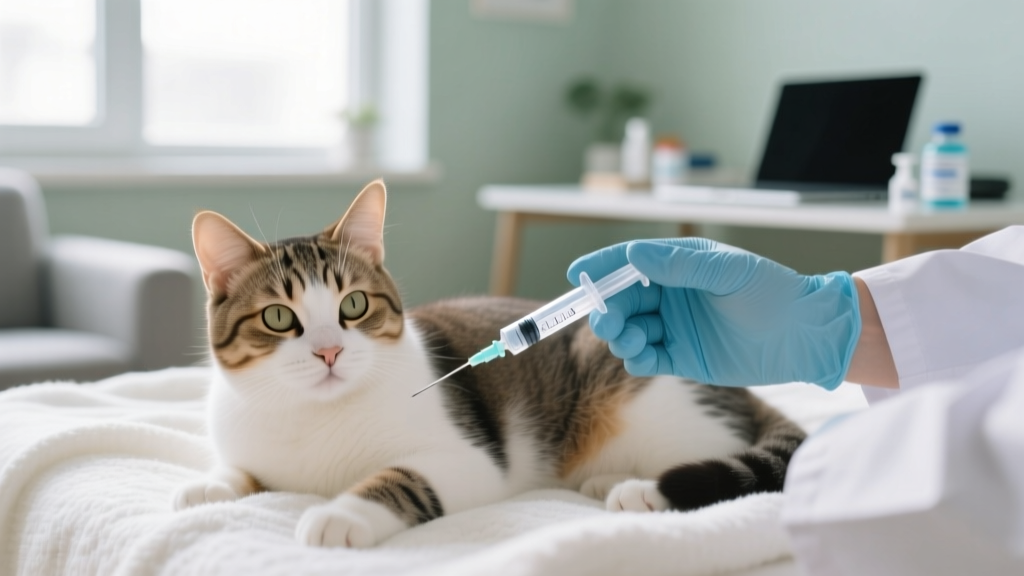
The good news: many cats with CKD can live comfortably for months to years with proper care. One of the most helpful at-home tools is subcutaneous (SQ) fluids, which are sterile fluids given under the skin to support hydration. If your veterinarian recommends SQ fluids, learning how and when to give them at home can reduce stress for your cat, lower costs, and improve day-to-day comfort.
2. Overview of Chronic Renal Failure (Chronic Kidney Disease) in Plain Language
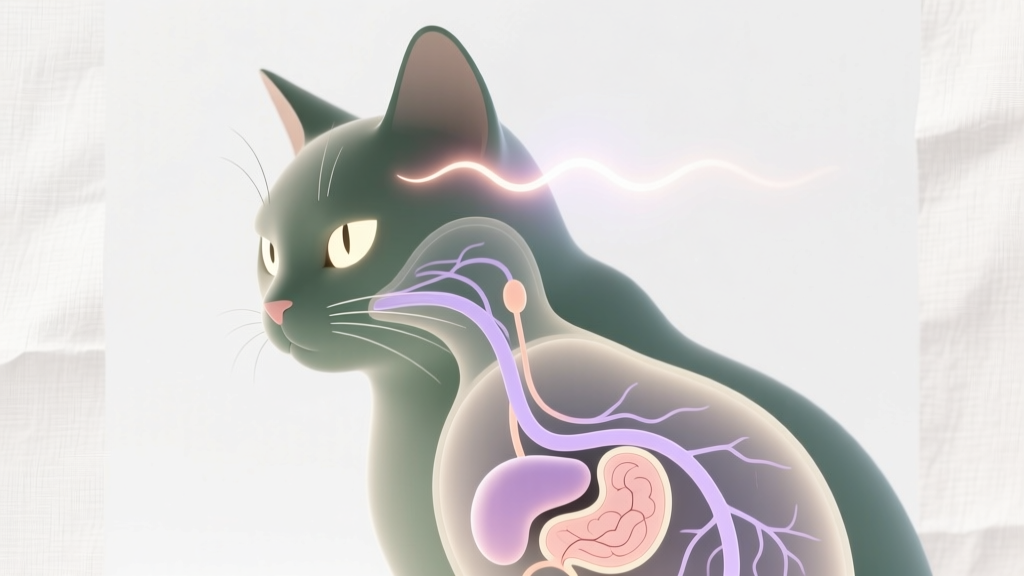
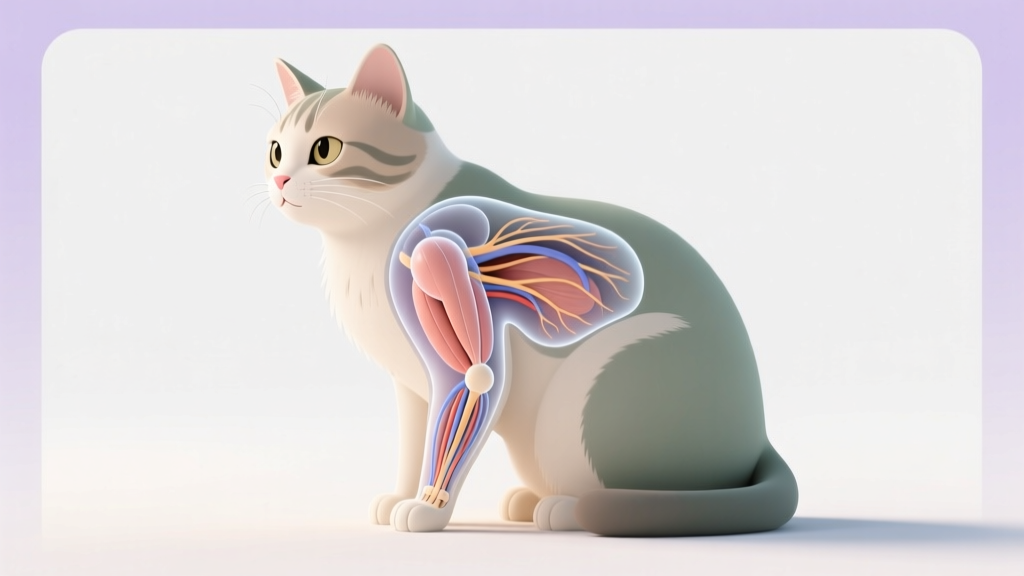
Your cat’s kidneys filter waste from the bloodstream, balance electrolytes (like potassium and phosphorus), regulate hydration, and help control blood pressure. In chronic kidney disease, kidney tissue becomes damaged over time and can’t repair itself fully. The remaining healthy kidney tissue works harder, but eventually it may not keep up.
CKD is typically progressive, but the pace varies widely. Some cats decline slowly with excellent quality of life; others need more intensive support sooner.
Why SQ fluids help: Cats with CKD often lose more water in their urine and may not drink enough to keep up. SQ fluids provide extra hydration that can:
- Support circulation to the kidneys
- Help your cat feel better (less nausea, more energy in some cases)
- Reduce dehydration-related constipation
- Improve appetite for some cats
SQ fluids are not a cure, but they can be a powerful comfort measure when used correctly under veterinary guidance.
3. Symptoms and Warning Signs to Watch For
Many CKD signs are easy to miss early on. Contact your veterinarian if you notice any of the following, especially if changes persist more than a day or two:
- Increased thirst and/or increased urination
- Weight loss or muscle loss (prominent spine/hips)
- Decreased appetite, picky eating, or skipping meals
- Vomiting or nausea signs (lip smacking, drooling, hiding near food)
- Lethargy, sleeping more, reduced play
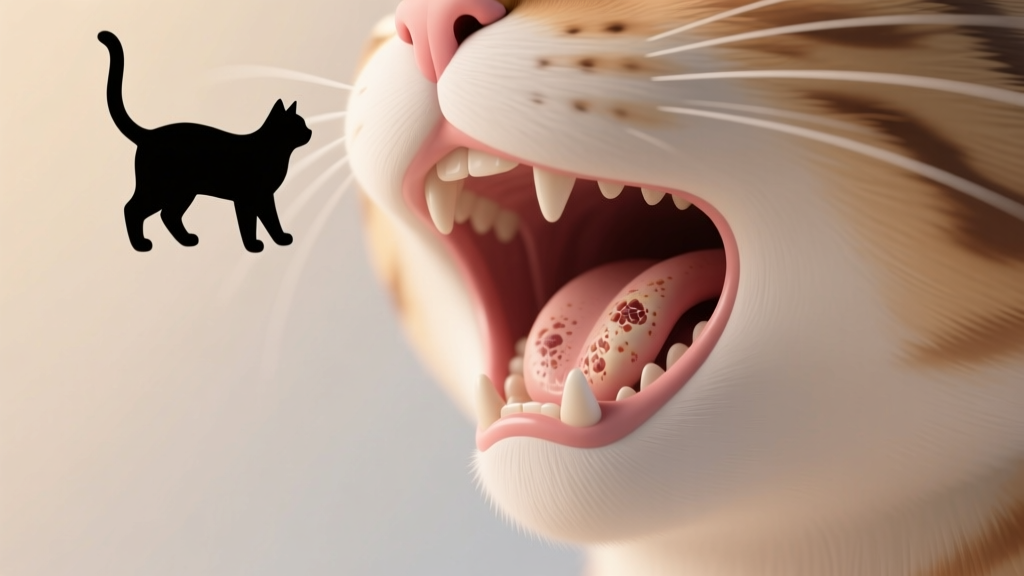
- Bad breath (sometimes ammonia-like), mouth ulcers
- Dull coat, less grooming
- Constipation or straining in the litter box
- Weakness, wobbly walking, or jumping less
If your cat has diagnosed CKD and you see a sudden change—especially not eating, vomiting repeatedly, or acting very quiet—call your vet promptly. CKD cats can become dehydrated or develop electrolyte imbalances faster than healthy cats.
4. Causes and Risk Factors
Chronic kidney disease is often the result of slow, cumulative damage. Sometimes we never identify one single cause, but common contributors and risk factors include:
- Age: CKD is most common in senior cats
- Genetics/breed tendencies: some lines may be predisposed
- Dental disease and chronic inflammation
- High blood pressure (can both cause and result from kidney issues)
- Prior kidney injury: toxins, infections, urinary obstruction, or severe dehydration in the past
- Recurrent urinary tract issues or kidney infections (pyelonephritis)
- Exposure to toxins: lilies, antifreeze, certain medications (always ask before giving any drug)
Because CKD can progress quietly, routine wellness checks and lab work become especially valuable as your cat gets older.
5. Diagnosis Methods and What to Expect at the Vet
If CKD is suspected, your veterinarian will combine physical exam findings with lab testing. Typical diagnostics include:
- Bloodwork: looks at kidney values (BUN, creatinine), SDMA (an early marker), electrolytes (potassium, phosphorus), and anemia
- Urinalysis: urine specific gravity (how concentrated it is), protein, signs of infection, and sediment exam
- Blood pressure measurement: high blood pressure is common and treatable
- Urine culture: if infection is suspected
- Imaging: ultrasound or radiographs to evaluate kidney size/shape and rule out stones or structural disease
Your vet may discuss IRIS staging (a standardized CKD staging system) to guide therapy. Staging helps tailor diet, medications, monitoring schedule, and whether SQ fluids make sense for your cat’s current status.
6. Treatment Options (Medical, Surgical, Home Care)
CKD care is usually a combination plan. Your veterinarian will customize treatment based on stage, symptoms, lab values, and your cat’s temperament at home.
Medical Management
- Kidney-friendly diet: reduced phosphorus, controlled protein quality, added omega-3s; often the single most impactful long-term therapy
- Phosphate binders: used if blood phosphorus remains high despite diet
- Anti-nausea and appetite support: medications like maropitant or ondansetron; appetite stimulants when appropriate
- Blood pressure medication: commonly amlodipine if hypertensive
- Protein in urine management: medications may be recommended if significant protein loss is present
- Potassium supplementation: if low potassium contributes to weakness or poor appetite
- Treating anemia: if present, your vet may discuss iron support or other therapies
Surgical/Procedural Options (Less Common in CKD, But Sometimes Needed)
- Dental treatment: managing oral infection can reduce inflammation and improve appetite
- Addressing stones or obstruction: if imaging reveals a treatable urinary issue
- Hospitalization for IV fluids: for acute flare-ups, severe dehydration, or vomiting
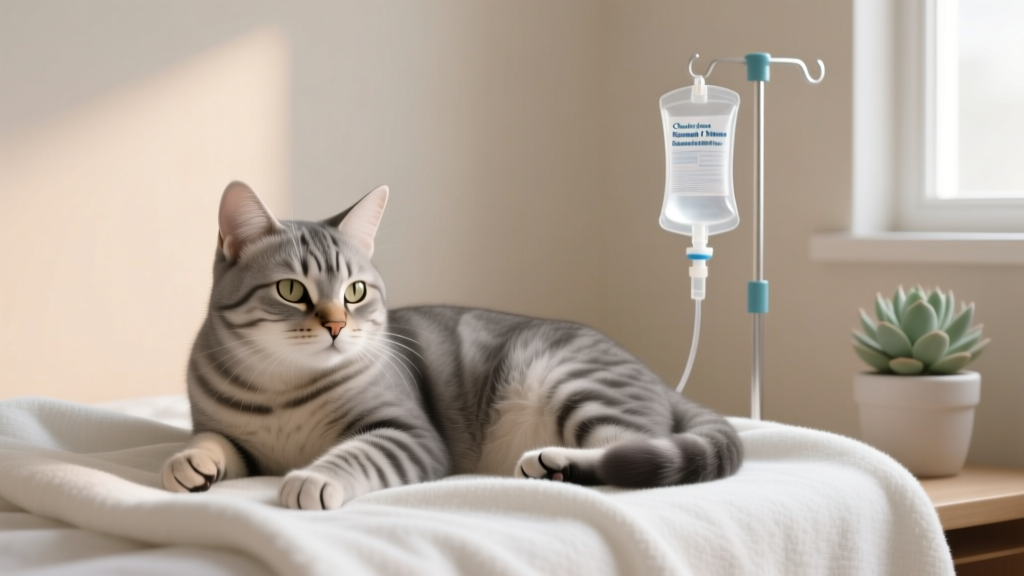
Home Care: Subcutaneous Fluids (SQ Fluids) at Home
If your veterinarian prescribes SQ fluids, ask for a hands-on demonstration. Most people can learn the technique with practice, and cats often tolerate it better at home than in a clinic.
What SQ fluids are (and aren’t)
- Are: sterile fluids given under the skin, slowly absorbed into the body over several hours
- Aren’t: the same as IV fluids; SQ fluids are supportive, not emergency-level hydration
Supplies you’ll typically need (your vet will specify)
- Fluid bag (commonly Lactated Ringer’s Solution or a vet-recommended alternative)
- Fluid administration set (tubing/drip line)
- Sterile needles (size your vet recommends; many cats do well with 18–20 gauge depending on comfort and flow)
- Hanger or hook to elevate the fluid bag
- Alcohol swabs (for handling the port/connection points as directed)
- Towel/blanket for a non-slip surface and gentle restraint
- Treats or a meal to pair with the routine
Step-by-step comfort-focused approach (general guidance)
Always follow your veterinarian’s instructions for volume and frequency. These steps are a practical framework, but your clinic’s technique may vary.
- Choose a calm location: a favorite chair, counter with a towel, or bed. Keep everything within arm’s reach.
- Warm the fluids if instructed: many cats tolerate slightly warmed fluids better. Use a safe method recommended by your vet (never microwave the bag).
- Set up the line: close the clamp, connect tubing, and prime the line to remove air (your vet can show you how).
- Use a fresh needle each time: needles dull quickly; a new needle improves comfort and flow.
- Create a “tent” of skin: usually over the shoulders/back. Insert the needle as demonstrated, then open the clamp.
- Watch the drip chamber/flow: adjust as needed. Many cats do best with steady, not rushed, flow.
- Give the prescribed amount: your vet may have you measure by the bag’s markings.
- Finish gently: close clamp, remove needle, and lightly pinch the skin for a few seconds.
- Reward your cat: a favorite treat, cuddle, or meal builds a positive routine.
What you may notice after SQ fluids
- A soft “lump” under the skin where fluids were placed (this is expected and should absorb over hours)
- Improved energy or appetite later the same day or the next day (varies by cat)
- Mild dripping at the injection site (small amount can be normal)
Common at-home troubleshooting
- Fluids won’t flow: needle may be against tissue, clamp closed, line kinked, or needle not fully under the skin. Stop and reassess calmly.
- Your cat resists: try a quieter room, wrap in a towel “kitty burrito,” offer a food distraction, or ask your vet about anti-anxiety options for handling.
- It seems painful: confirm needle size, use a new needle, and ask about warming fluids. Pain is a reason to consult your vet.
Safety reminders
- Never change the dose or schedule without veterinary guidance. Too much fluid can be dangerous in cats with heart disease or certain conditions.
- Keep supplies clean and store fluids as directed. Don’t use cloudy fluid or bags past expiration.
- Monitor hydration and comfort rather than focusing only on numbers.
7. Prevention Strategies and Early Detection Tips
CKD can’t always be prevented, but early detection and supportive care make a big difference. Actionable steps you can start today:
- Schedule senior wellness checks: many vets recommend lab work every 6–12 months for cats over 7–10 years old (your vet will tailor the schedule).
- Track water intake and litter box habits: note bigger clumps, more frequent urination, or increased drinking.
- Weigh your cat monthly: small losses add up and are often an early clue.
- Promote hydration: provide multiple water stations, try a pet fountain, and consider adding veterinarian-approved wet food.
- Protect from toxins: keep lilies out of the home, store chemicals securely, and never give human medications unless prescribed.
- Address dental disease: oral pain can reduce eating and chronic infection can worsen overall health.
8. Prognosis and Quality of Life Considerations
Prognosis depends on CKD stage, response to diet and medications, blood pressure control, phosphorus levels, and how well your cat maintains appetite and hydration. Many cats do very well with a consistent routine, especially when nausea and dehydration are managed.
Quality of life is the most meaningful yardstick. Signs your plan is helping include:
- Eating with less coaxing
- Maintaining weight or slowing weight loss
- Comfortable grooming and normal social behavior
- Less vomiting or nausea
- Brighter attitude on “good days” that outnumber “bad days”
If treatment routines become stressful, talk with your vet. Adjustments (different needle size, different schedule, anti-nausea support, appetite aids, or alternative strategies) can make care easier for both of you.
9. When to Seek Emergency Veterinary Care
SQ fluids at home are supportive, but some situations need urgent medical help. Seek emergency veterinary care if your cat:
- Stops eating completely for 24 hours (or sooner for fragile CKD cats)
- Vomits repeatedly or cannot keep food/water down
- Seems very weak, collapses, or is unable to stand
- Has open-mouth breathing, rapid breathing at rest, or blue/pale gums
- Shows signs of pain (crying, hiding, tense abdomen) or severe lethargy
- Urinates very little, strains without producing urine, or cries in the litter box
- Develops sudden swelling of legs/face, or you suspect fluid overload (breathing changes after fluids are a major red flag)
- Has a known toxin exposure (especially lilies) or you suspect ingestion
If you’re unsure whether it’s an emergency, call your veterinary clinic or an emergency hospital. It’s always appropriate to ask.
10. FAQ: Common Questions About SQ Fluids for CKD Cats
How often will my cat need subcutaneous fluids?
Frequency varies by CKD stage, hydration status, heart health, and lab results. Some cats do well with fluids a few times per week; others may need them more often. Your veterinarian will prescribe a schedule and may adjust it based on weight, appetite, nausea, and bloodwork.
How much fluid should I give each time?
Your veterinarian will set the dose (often measured in milliliters). Do not increase the volume on your own, even if your cat seems dehydrated—overhydration can cause serious problems, especially in cats with heart disease.
Is the “fluid pocket” under the skin normal?
Yes. A soft, squishy lump where the fluids were placed is expected and should absorb gradually over several hours. If it becomes painful, red, warm, or doesn’t seem to shrink by the next day, contact your vet.
Can I give SQ fluids if my cat also has heart disease?
Possibly, but it must be carefully managed by your veterinarian. Cats with heart disease can be at higher risk for fluid overload. Your vet may use smaller volumes, different schedules, or recommend alternative strategies.
My cat fights me—does that mean we can’t do fluids at home?
Not necessarily. Many cats improve with a predictable routine, a food distraction, a towel wrap, warmed fluids (if approved), and a calm handler. Ask your vet team to watch your technique and suggest changes. In some cases, mild prescription calming support can make the process safer and less stressful.
Do SQ fluids replace prescription kidney diets and medications?
No. SQ fluids are one part of CKD management. Diet, nausea control, phosphorus management, blood pressure treatment, and regular monitoring often work together to keep your cat feeling as well as possible.
If your cat has chronic kidney disease and your veterinarian has recommended subcutaneous fluids, you’re not alone—this is one of the most common and effective at-home care steps for CKD cats. With a clear plan, the right supplies, and support from your veterinary team, many owners become comfortable with the routine quickly.
For more cat health guidance, supportive care tips, and owner-friendly articles, visit catloversbase.com.