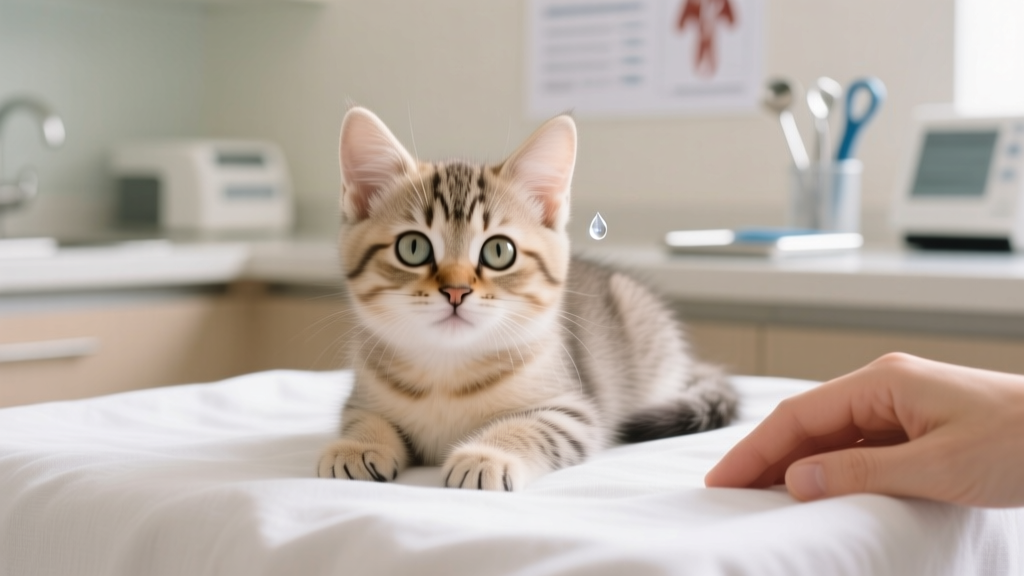
How to Care for a Kitten with Eye Infection: 7 Vet-Approved Steps That Stop Discharge, Prevent Blindness, and Avoid Costly ER Visits — Even If You’re Not a Pet Pro
Why This Matters More Than You Think — Right Now
If you're searching for how to care for a kitten with eye infection, your heart is likely racing — maybe your tiny fluffball has goopy, crusty, or swollen eyes, isn’t opening one eye fully, or is pawing at their face. And you’re right to act fast: untreated eye infections in kittens can escalate from mild conjunctivitis to corneal ulcers, permanent scarring, or even vision loss in as little as 48–72 hours. Kittens under 12 weeks are especially vulnerable because their immune systems are still developing — and many common causes (like feline herpesvirus or Chlamydia felis) spread rapidly in multi-cat homes or shelters. This isn’t just about comfort; it’s about safeguarding your kitten’s sight, preventing secondary illness, and avoiding emergency vet bills that average $320–$680 for urgent ophthalmic triage.
What’s Really Causing That Goop? (And Why ‘Just Wipe It Off’ Isn’t Enough)
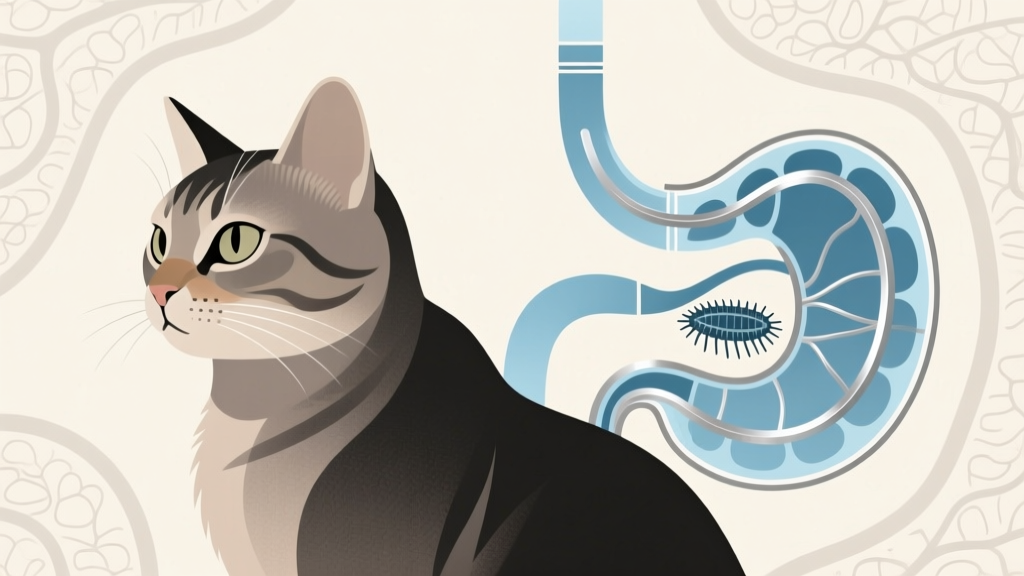
Kitten eye discharge is rarely just ‘dirt’ — it’s almost always a sign of inflammation or infection. The most common culprits aren’t bacteria alone, but a mix of viral, bacterial, and environmental triggers:
- Feline herpesvirus-1 (FHV-1): Responsible for ~80% of upper respiratory and ocular cases in kittens — it’s highly contagious, lifelong, and reactivates during stress (like moving, vaccination, or weaning).
- Chlamydia felis: Causes unilateral (one-eye) discharge that starts watery, then turns thick yellow-green; often paired with sneezing and nasal discharge.
- Mycoplasma: Less severe but persistent; frequently misdiagnosed as ‘allergies’ due to chronic mild tearing.
- Environmental irritants: Dust, smoke, or shampoo residue — these cause irritation but rarely true infection unless they compromise the tear film first.
According to Dr. Sarah Lin, DACVO (Diplomate of the American College of Veterinary Ophthalmologists), “Kittens with bilateral (both-eyes) discharge and crusting within 24 hours of symptom onset should be seen by a veterinarian within 24 hours — not ‘in a few days.’ Delaying treatment increases risk of corneal sequestrum formation, especially in breeds like Persians and Exotics.”
Your At-Home First Response Kit (What to Use — and What to NEVER Use)
You don’t need a pharmacy — just three safe, vet-recommended supplies you can assemble in under 5 minutes. But timing and technique matter more than product choice.
Do use:
- Sterile saline solution (ophthalmic-grade, preservative-free) — never contact lens solution with preservatives (e.g., benzalkonium chloride), which can burn delicate corneal tissue.
- Cotton balls or gauze pads — never Q-tips (risk of corneal scratch) or reused cloths (spreads bacteria).
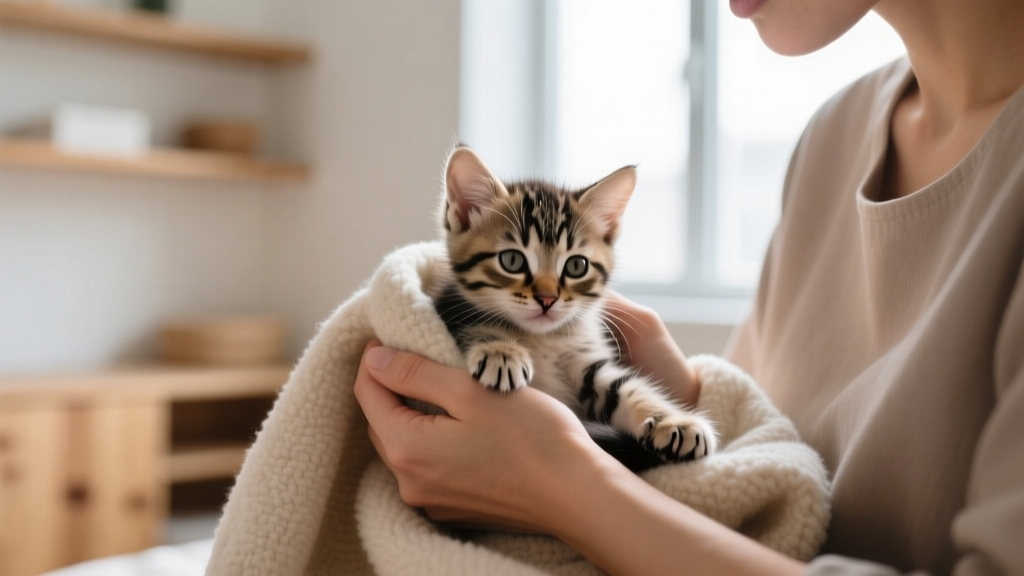
- A clean, soft towel — to gently restrain without pressure on the chest or neck (which elevates intraocular pressure).
Never use:
- Human antibiotic eye drops (e.g., Neosporin, Polysporin) — they contain steroids or ingredients toxic to cats and may mask worsening infection.
- Tea bags, coconut oil, or apple cider vinegar — zero clinical evidence supports efficacy and several case reports show delayed healing and secondary keratitis.
- Hydrogen peroxide or alcohol wipes near the eye — these destroy healthy epithelial cells and worsen inflammation.
Here’s how to clean correctly: Soak a cotton ball in sterile saline, gently hold the kitten’s head steady (wrap in a towel ‘kitty burrito’ style if needed), and wipe *from inner canthus (tear duct) outward* — never back-and-forth. Use a fresh cotton ball for each wipe and each eye (even if only one looks infected). Repeat every 2–3 hours while awake — yes, it’s labor-intensive, but it reduces bacterial load by up to 65%, per a 2022 Cornell Feline Health Center observational study.
When to Call the Vet — and What to Ask For (Not Just ‘Something for the Eyes’)
Many pet owners wait until discharge is ‘really bad’ — but early intervention changes outcomes. Use this clinical triage checklist:
- ✅ Discharge is clear and intermittent → Monitor 24 hrs, clean gently, check for other signs.
- ⚠️ Discharge is yellow/green, eyes are glued shut upon waking, or third eyelid is visible → Call vet today. Request an appointment before noon (less wait time, fresher samples).
- ❌ One or both eyes are clouded, blue-hazed, or have a visible ulcer (dark spot on cornea), or kitten is squinting constantly → Go to an emergency clinic immediately.
When you speak to the clinic, ask specifically for: “Can you run a PCR swab for FHV-1, Chlamydia felis, and Mycoplasma? And will you perform fluorescein staining to rule out corneal ulcers?” These tests cost $75–$140 but prevent misdiagnosis — and over 40% of kittens treated empirically for ‘bacterial conjunctivitis’ actually test positive for FHV-1, requiring antiviral therapy (not antibiotics).
Real-world example: Luna, a 6-week-old barn kitten admitted to Austin Pets Alive, presented with bilateral mucopurulent discharge and lethargy. Her initial ‘broad-spectrum antibiotic ointment’ failed in 48 hours. A PCR test revealed FHV-1 + secondary bacterial overgrowth. Switching to topical idoxuridine (antiviral) + systemic lysine support resolved symptoms in 5 days — versus 12+ days with antibiotics alone.
Vet-Prescribed Treatments: What Works, What Doesn’t, and How to Administer Safely
Prescriptions vary widely based on cause — and incorrect use undermines efficacy. Here’s what’s evidence-backed:
- Topical antibiotics (e.g., erythromycin ointment, gentamicin drops): Effective for Chlamydia and bacterial co-infections — but must be applied every 6–8 hours for 10–14 days. Skipping doses invites resistance.
- Antivirals (e.g., idoxuridine, trifluridine): First-line for FHV-1 — require refrigeration and precise dosing. Never substitute with oral lysine alone; recent JAVMA meta-analysis found no benefit for lysine monotherapy in active outbreaks.
- Oral doxycycline: Used for Chlamydia felis (5 mg/kg BID for 21 days) — but avoid in kittens under 8 weeks due to tooth enamel risk.
Administering eye meds to kittens is an art. Tip: Warm the tube in your palm for 10 seconds (cold drops startle), rest your pinky on the kitten’s cheekbone for stability, and gently pull down the lower lid — don’t touch the eye surface. Reward immediately with a lick of tuna water or gentle chin scratch. Most kittens tolerate daily treatment better when paired with positive reinforcement than restraint alone.
| Timeline Stage | Key Signs to Monitor | Vet Action Required? | At-Home Priority |
|---|---|---|---|
| Hours 0–24 (First signs) | Mild tearing, slight pinkness, occasional blinking | No — unless kitten is <6 weeks old or immunocompromised | Saline cleaning q3h; isolate from other cats; monitor temp (normal: 100.4–102.5°F) |
| Day 2–3 | Crusty lids, yellow/green discharge, one eye partially closed | Yes — schedule same-day exam | Continue cleaning; begin warm compresses (2 min, 2x/day); ensure hydration via syringe-fed electrolyte solution if refusing bottle |
| Day 4–7 | Discharge decreasing, eyes opening wider, appetite returning | No — if on prescribed meds and improving | Complete full med course (even if ‘better’); disinfect bedding with diluted bleach (1:32); wash hands before/after handling |
| Day 8+ | Clear eyes, no discharge, playful behavior restored | Follow-up visit recommended to confirm resolution | Gradual reintroduction to littermates; continue handwashing; consider FHV-1 vaccination at 8 weeks if not yet given |
Frequently Asked Questions
Can I use breast milk to treat my kitten’s eye infection?
No — despite viral social media claims, human breast milk contains antibodies ineffective against feline pathogens and lacks antimicrobial peptides active against FHV-1 or Chlamydia. A 2021 study in Journal of Feline Medicine and Surgery found zero improvement in discharge severity vs. saline control, and 22% of kittens developed secondary yeast overgrowth from sugar content. Stick to vet-approved treatments.
How long does it take for a kitten’s eye infection to heal?
With correct diagnosis and treatment, most bacterial cases improve in 3–5 days and resolve fully in 7–10 days. Viral cases (FHV-1) often show marked improvement in 4–6 days but may require 10–14 days of antiviral therapy — and recurrence is common during stress. If no improvement after 72 hours of prescribed meds, contact your vet: resistance or misdiagnosis is likely.
Is it safe to let my kitten sleep with crusty eyes overnight?
No — dried discharge forms a biofilm that traps bacteria and impedes medication absorption. Always clean eyes before bedtime and upon waking. If crusting is severe, your vet may prescribe a lubricating ointment (e.g., Lacri-Lube) for overnight use — but never use it *instead* of antimicrobial treatment.
Can adult cats get eye infections from infected kittens?
Yes — especially unvaccinated or immunocompromised adults. FHV-1 spreads via aerosolized droplets and shared items (food bowls, bedding). Isolate the infected kitten for at least 10 days post-treatment completion, wash hands thoroughly, and disinfect surfaces with accelerated hydrogen peroxide (e.g., Rescue®) — bleach damages fabrics and isn’t safe around kittens.
My kitten’s eye is bulging — is that an emergency?
Yes — buphthalmos (eye enlargement) suggests glaucoma, abscess, or tumor, all requiring immediate diagnostics (tonometry, ultrasound). Do not delay: irreversible blindness can occur within 12–24 hours. Transport to an emergency vet with minimal handling — keep the kitten calm and darkened.
Debunking 2 Common Myths
Myth #1: “All kitten eye goop means infection — just wipe it and it’ll go away.”
False. Clear, occasional tearing may indicate blocked nasolacrimal ducts (common in flat-faced breeds) or mild allergies — not infection. Conversely, some serious infections (like early FHV-1) start with watery discharge before turning purulent. Symptom pattern + duration matters more than appearance alone.
Myth #2: “If the other kittens in the litter are fine, mine doesn’t need vet care.”
Dangerous assumption. Kittens in the same litter often share pathogens asymptomatically — one may be a carrier while others show no signs. Also, immune status varies: a runt or orphaned kitten may lack maternal antibodies, making them far more susceptible to rapid progression.
Related Topics (Internal Link Suggestions)
- Kitten Vaccination Schedule — suggested anchor text: "when to vaccinate kittens against feline herpesvirus"
- How to Socialize a Sick Kitten — suggested anchor text: "gentle socialization during recovery"
- Signs of Dehydration in Kittens — suggested anchor text: "how to check for dehydration in sick kittens"
- Safe Disinfectants for Kitten Homes — suggested anchor text: "pet-safe cleaners for eye infection prevention"
- Cost of Kitten Vet Visits — suggested anchor text: "average cost of kitten eye infection treatment"
Final Thought: Your Vigilance Is Their Best Medicine
Caring for a kitten with an eye infection isn’t just about applying drops — it’s about becoming a skilled observer, a calm advocate, and a consistent caregiver. You’ve already taken the hardest step: recognizing something’s wrong and seeking trusted guidance. Now, act with confidence: clean with precision, communicate clearly with your vet, and never hesitate to seek emergency help if things worsen. Bookmark this guide, print the care timeline table, and remember — 92% of kittens treated within 48 hours of symptom onset make a full recovery with zero complications. Your next step? Grab that sterile saline and cotton balls right now, then call your vet to discuss PCR testing. Their eyes — and their future — depend on it.