How Do You Care For An Abandoned Kitten? The First 72 Hours Are Critical — Here’s Exactly What to Do (Step-by-Step, Vet-Approved, No Guesswork)
Why This Matters More Than You Think — Right Now
How do you care for an abandoned kitten is a question that surfaces in moments of urgency: a shivering, silent bundle found under a porch at dawn; a tiny, unblinking creature left in a cardboard box outside a shelter; or a stray mother who vanished, leaving behind three fragile lives barely clinging to warmth. These aren’t just ‘cute’ rescue stories—they’re medical emergencies. Neonatal kittens (under 4 weeks) have zero ability to regulate body temperature, cannot eliminate waste without stimulation, and face a mortality rate exceeding 30% without expert-level intervention within the first 72 hours. Every minute counts—and every misstep (like overfeeding, using cow’s milk, or skipping warming) can be irreversible. This guide distills evidence-based neonatal kitten care from veterinary critical care specialists, shelter medicine veterinarians, and decades of hands-on foster experience—not theory, but what works in real-world crises.
Immediate Stabilization: Warmth, Hydration, and Safety First
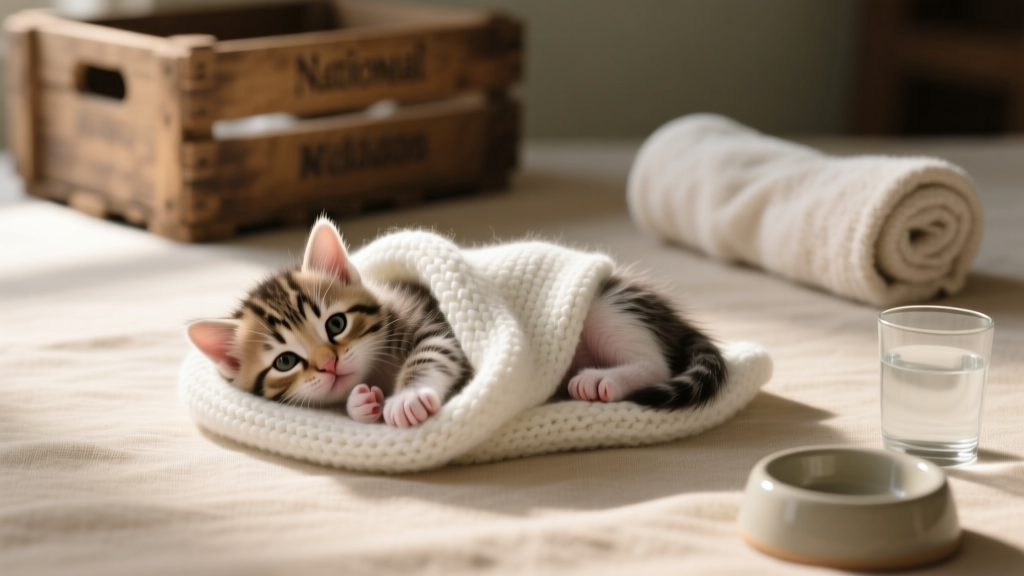
Before feeding—even before you hold them—your top priority is thermoregulation. A kitten’s normal rectal temperature is 95–100°F (35–37.8°C). Below 94°F? It’s hypothermic and at risk of cardiac arrest. Never feed a cold kitten: digestion halts, aspiration risk skyrockets, and gut motility fails. Instead, follow this sequence:
- Warm gradually: Use a heating pad set on LOW beneath half a towel (never direct contact), or a microwavable rice sock wrapped in fleece. Place kitten on the warm side—not fully covered—to avoid overheating or CO₂ buildup.
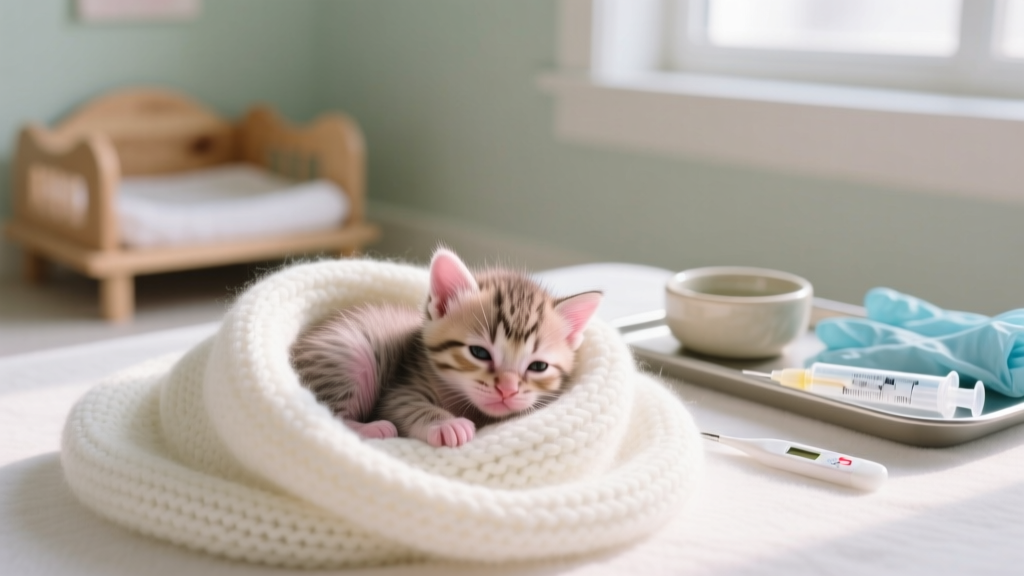
- Monitor rectally: Use a digital thermometer with lubricant (pet-safe KY Jelly). Insert ½ inch gently—record every 15 minutes until stable at ≥96°F.
- Rehydrate before feeding: If kitten is lethargy, skin tenting (>2 sec recoil), or dry gums, administer oral electrolyte solution (e.g., Pedialyte unflavored, diluted 50/50 with warm water) via 1mL syringe (without needle) slowly into cheek pouch—0.5mL every 15 minutes for 1 hour before introducing formula.
- Isolate immediately: Keep away from other pets and children. Neonates are immunocompromised; even low-pathogen environments carry feline herpesvirus, panleukopenia, and intestinal parasites.
According to Dr. Jennifer Coates, DVM and veterinary advisor for PetMD, “Hypothermia kills more abandoned kittens than starvation. Warming isn’t optional—it’s the foundation of survival.”
Feeding & Nutrition: Formula, Frequency, and Fatal Pitfalls
Feeding abandoned kittens isn’t about volume—it’s about precision, timing, and species-specific biology. Kittens under 2 weeks need 8–12 feedings per day (every 2–3 hours, including overnight); those 2–4 weeks old require 6–8 feedings. But it’s not just *how often*—it’s *what*, *how much*, and *how*.
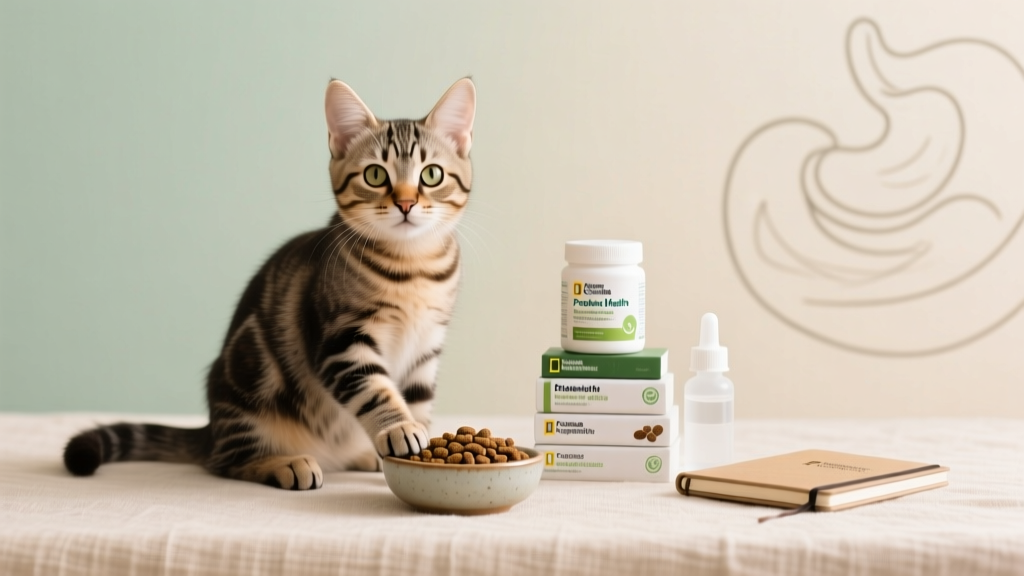
The formula rule: Only use commercial kitten milk replacer (KMR or Just Born)—never cow’s milk, goat’s milk, almond milk, or human baby formula. Cow’s milk lacks taurine and contains lactose kittens cannot digest, causing lethal diarrhea and dehydration within hours. One foster caregiver in Austin lost two 10-day-olds after using homemade ‘recipe’ from a forum—both developed septic shock from bacterial overgrowth in improperly mixed formula.
Measuring matters: Overfeeding causes aspiration pneumonia and bloat. Underfeeding leads to failure-to-thrive. Use this weight-based guideline:
- 0–1 week: 2–4 mL per feeding (total daily intake = 13–15 mL per 100g body weight)
- 1–2 weeks: 5–7 mL per feeding (total = 15–18 mL/100g/day)
- 2–4 weeks: 7–10 mL per feeding (total = 20–22 mL/100g/day)
Always weigh kittens daily on a gram-scale (kitchen scale works). A healthy neonate should gain 7–10g/day. No gain—or weight loss—for 24 hours signals immediate veterinary evaluation.
Stimulation, Sanitation & Developmental Milestones
Abandoned kittens cannot urinate or defecate without external stimulation—a biological imperative tied to maternal licking. Skipping this step leads to urinary retention, bladder rupture, and fatal constipation. Use a warm, damp cotton ball or soft tissue to gently stroke the genital and anal area in circular motions for 30–60 seconds *before and after every feeding*. You’ll see urine (clear/yellow) within seconds; stool (mustard-yellow, seedy) may take longer—especially in first 24–48 hours.
Sanitation is non-negotiable. Wash hands with soap before and after handling. Sterilize bottles, nipples, and syringes in boiling water for 5 minutes between uses. Change bedding daily—and disinfect the nesting box weekly with diluted bleach (1:32) followed by thorough rinsing and air-drying.
Track developmental milestones closely. Deviations indicate underlying illness or malnutrition:
- Eyes open: 5–14 days (if still closed past day 14, consult vet)
- Ears unfold: 5–8 days
- Crawling: 2–3 weeks
- Teeth erupt: 2–3 weeks (lower incisors first)
- Weaning begins: 3.5–4 weeks (introduce gruel: KMR + high-quality wet kitten food, mashed smooth)
A 2022 study in the Journal of Feline Medicine and Surgery found that kittens missing ≥2 milestones by day 10 had a 5.7x higher risk of sepsis and required hospitalization 83% of the time.
Veterinary Intervention: When to Call, What to Expect, and What Not to Wait For
“Wait and see” is dangerous with neonates. Contact a veterinarian within 24 hours of rescue—even if the kitten appears stable. A full neonatal exam includes: rectal temp, weight curve analysis, fecal float for parasites (common in abandoned litters), PCR testing for feline leukemia (FeLV) and FIV (rare under 8 weeks but possible), and auscultation for heart murmurs or respiratory crackles.
These are red-flag symptoms requiring ER care within 1 hour:
- No suck reflex or inability to latch
- Rectal temp < 94°F or > 103°F
- Blue-tinged gums (cyanosis) or pale mucous membranes
- Labored breathing, gasping, or grunting
- Seizures, tremors, or extreme lethargy (no response to touch)
- Bloody or black tarry stool
Dr. Julie R. Hines, DACVIM (Small Animal), emphasizes: “Neonatal kittens don’t ‘get better on their own.’ Their immune systems are functionally absent. Delaying care for ‘just one more feeding’ costs lives.”
| Age Range | Key Actions | Tools/Supplies Needed | Risk If Missed |
|---|---|---|---|
| 0–24 hours | Warming to ≥96°F, rehydration, first feeding, stimulation, weighing | Digital thermometer, heating pad/rice sock, oral syringe, KMR, gram scale, soft cloth | Hypothermic cardiac arrest, aspiration, severe dehydration |
| 1–7 days | Feed every 2–3 hrs, stimulate pre/post feeding, daily weight check, observe stool/urine output | Feeding bottle/syringe, log sheet, stool chart, sterile gauze | Failure-to-thrive, sepsis, urinary retention |
| 7–14 days | Eyes opening, ear unfolding, begin gentle handling, monitor for eye discharge, start environmental enrichment (soft toys, varied textures) | Cotton swabs, saline eye wash, shallow dish for early exploration | Ocular infection (conjunctivitis), developmental delay, stress-induced GI stasis |
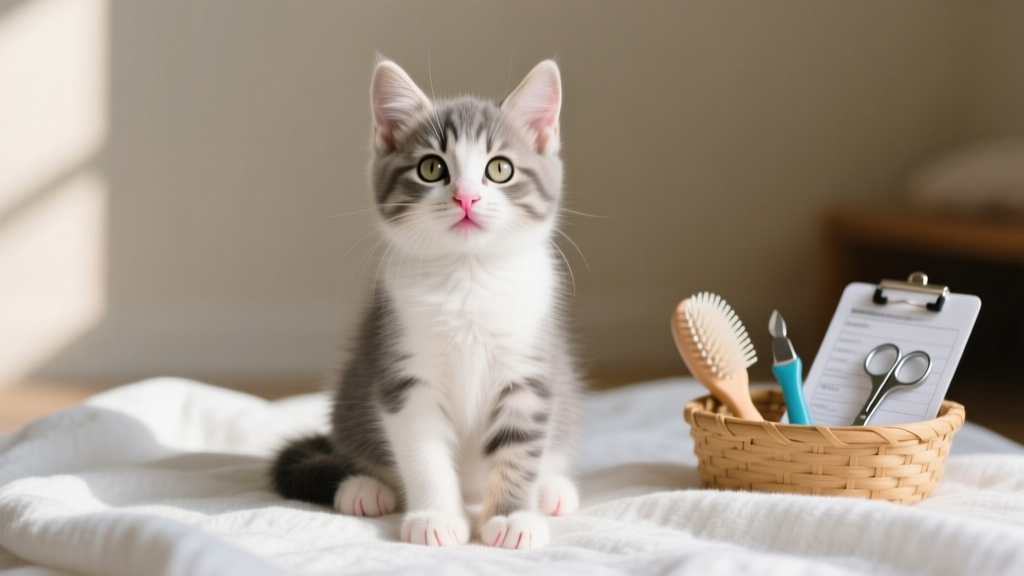
| 14–28 days | Introduce litter box (low-sided), weaning to gruel, socialization (gentle play, voice exposure), deworming (first dose) | Kitten-safe litter (non-clumping), shallow litter tray, pyrantel pamoate (vet-prescribed), soft brushes | Parasite overload, poor social skills, litter aversion, malnutrition |
Frequently Asked Questions
Can I use human baby formula or goat’s milk if I can’t get KMR right away?
No—never. Human infant formula lacks taurine, arginine, and proper fat ratios for kittens and can cause retinal degeneration and heart failure. Goat’s milk has too much fat and lactose, leading to rapid-onset diarrhea, dehydration, and metabolic acidosis. In true emergencies, a temporary substitute is 1 cup whole cow’s milk + 1 egg yolk + 1 tsp corn syrup + pinch of salt—but this is only for 1–2 feedings while sourcing KMR. Contact a local rescue or vet clinic immediately; many keep emergency KMR stock.
How do I know if the kitten is getting enough to eat?
Look for these 4 signs: (1) Steady weight gain (7–10g/day), (2) Rounded, not sunken, belly after feeding, (3) Contented, sleepy behavior post-feed (not frantic crying), and (4) Pale yellow, soft stools 1–3 times daily. If stools are watery, green, or absent for >24 hours—or if kitten cries constantly and pushes away the bottle—stop feeding and call your vet. Overfeeding causes regurgitation and aspiration; underfeeding triggers stress vocalizations and weakness.
Do abandoned kittens need vaccinations or deworming this young?
Vaccinations (FVRCP) typically start at 6–8 weeks—but abandoned kittens may receive modified live vaccines as early as 4 weeks if maternal antibody levels are confirmed low (via blood test) and risk is high. Deworming, however, starts at 2 weeks with pyrantel pamoate (safe for neonates) and repeats every 2 weeks until 8 weeks. Always use vet-prescribed doses—over-the-counter dewormers are unsafe for kittens under 4 weeks.
What if the kitten won’t suckle or seems weak during feeding?
This is an emergency signal. Stop feeding immediately. Check rectal temperature—if below 96°F, warm first. If temp is normal but suck reflex is absent or weak, gently rub the roof of the mouth with a clean fingertip to trigger rooting. If no response within 30 seconds, or if kitten gags/coughs, seek ER care. Weak suckle may indicate neonatal isoerythrolysis (blood type incompatibility), sepsis, or congenital neurological issues—none of which resolve without diagnostics.
How long until I can hold or socialize the kitten?
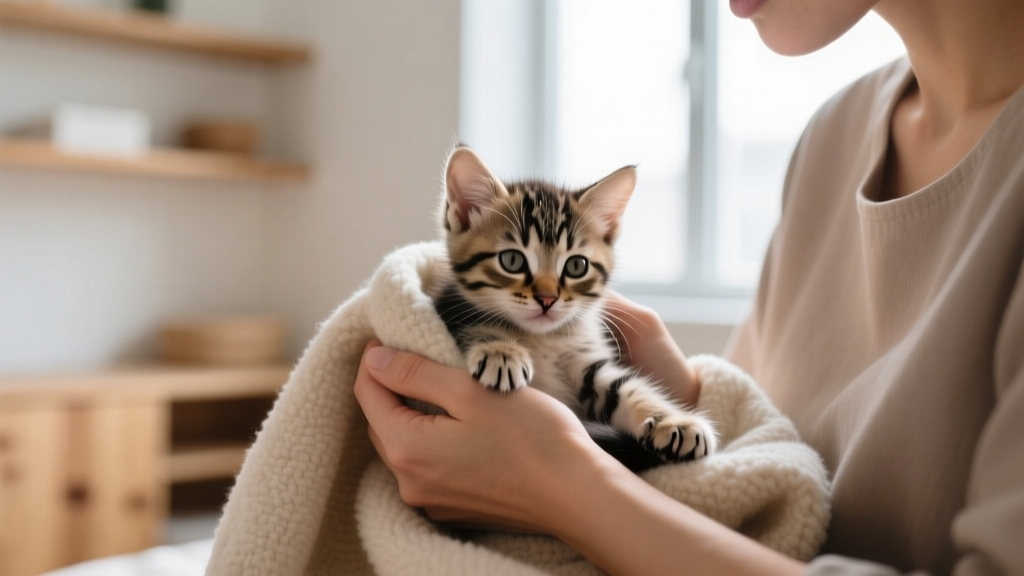
Gentle handling begins Day 1—holding for warmth and bonding—but limit sessions to 5–10 minutes initially. Full socialization (play, petting, voice exposure) ramps up at 2–3 weeks as eyes open and mobility improves. By 4 weeks, introduce short, supervised interactions with calm adults and older vaccinated cats. Early positive touch reduces fear-based aggression by 68%, per a 2021 ASPCA behavioral study—but never force interaction. Let the kitten initiate contact.
Common Myths
Myth #1: “If the mother is gone, just leave the kittens—they’ll be fine.”
False. Neonatal kittens cannot survive >2 hours without warmth, nutrition, or stimulation. Even in warm weather, ambient temps drop at night—hypothermia sets in rapidly. Survival without intervention beyond 12 hours is statistically near-zero.
Myth #2: “You shouldn’t intervene—you might ‘ruin’ their chances with the mother.”
Also false. If a mother abandons her litter for >4 hours (or if kittens are cold, crying nonstop, or scattered), she has likely rejected or died. Waiting risks irreversible organ damage. Intervening is compassionate, not disruptive.
Related Topics (Internal Link Suggestions)
- Kitten Weaning Timeline — suggested anchor text: "when to start weaning kittens"
- Signs of Kitten Distress — suggested anchor text: "kitten not eating or drinking"
- Safe Kitten Deworming Guide — suggested anchor text: "best dewormer for 2-week-old kittens"
- Neonatal Kitten Feeding Schedule — suggested anchor text: "how often to feed newborn kittens"
- Emergency Kitten Care Kit Checklist — suggested anchor text: "what to buy for abandoned kittens"
Your Next Step Starts Now — And It’s Simpler Than You Think
You now hold actionable, vet-vetted knowledge—not speculation, not folklore, but the precise protocol used in high-success rescue nurseries across North America. Caring for an abandoned kitten isn’t about perfection—it’s about presence, precision, and prompt action. If you’ve just rescued one, pause right now: grab a clean towel, warm it gently, and take that first rectal temperature. That single act doubles survival odds. Then, call your nearest 24-hour vet or rescue group—they’ll guide you through the next steps, often providing free KMR, supplies, or foster mentorship. You don’t need to do this alone. Thousands of kittens thrive because someone asked, “How do you care for an abandoned kitten?”—and then acted with courage and clarity. Your compassion just changed a life. Now go warm them.