How Do I Care For An Abandoned Kitten? The First 72 Hours Are Critical—Here’s Exactly What to Do (Step-by-Step, Vet-Approved, No Guesswork)
Why This Matters Right Now—Every Hour Counts
If you’ve just found a shivering, unresponsive, or crying newborn kitten with no mother in sight, how do I care for an abandoned kitten isn’t just a question—it’s an emergency triage call. Unlike adult cats, neonatal kittens (under 4 weeks) cannot regulate their own body temperature, digest food without stimulation, or eliminate waste independently. Their immune systems are virtually nonexistent, and hypothermia or dehydration can kill within hours. In fact, according to the ASPCA’s Feline Neonatal Care Guidelines, over 60% of orphaned kittens who die in the first week do so from preventable causes—most commonly hypothermia, aspiration pneumonia, or failure to thrive due to improper feeding technique. This guide distills evidence-based protocols used by veterinary ICU teams, shelter neonatal nurseries, and certified feline behaviorists into one actionable, hour-by-hour roadmap—so you don’t have to guess, Google frantically, or risk irreversible harm.
Step 1: Stabilize — Warm, Assess, and Isolate (Minutes 0–30)
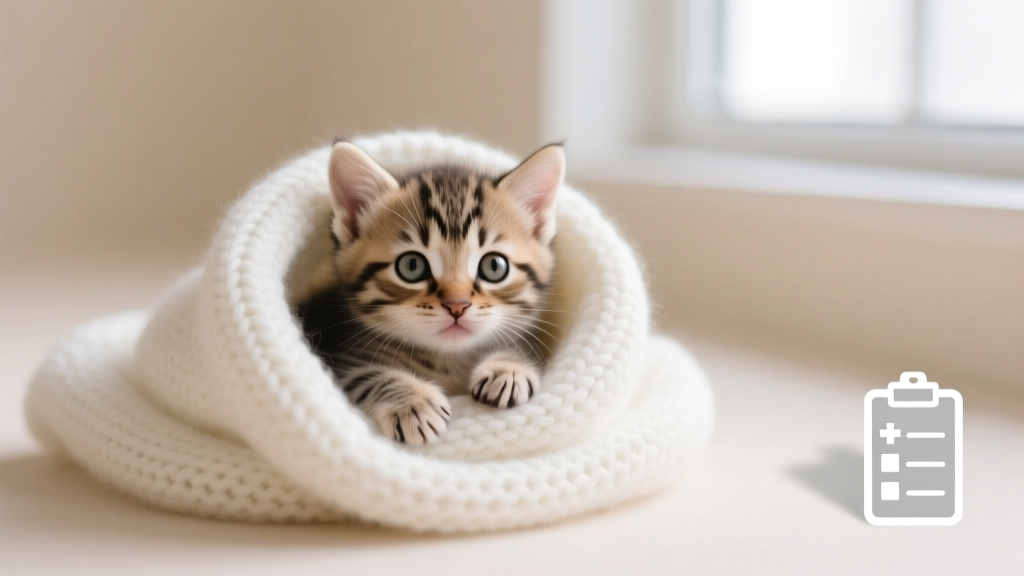
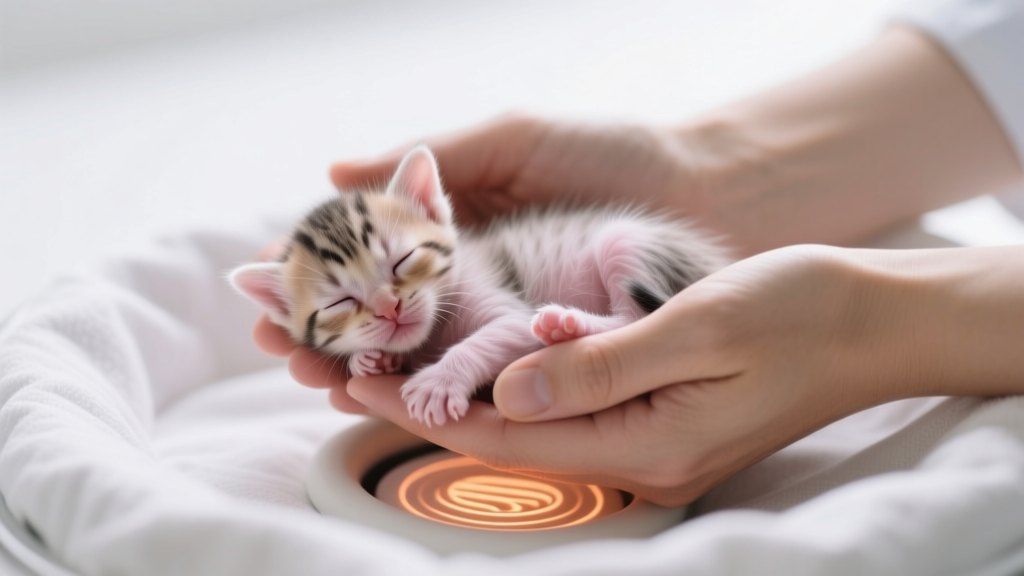
Your first priority is not feeding—it’s warming. A kitten’s normal rectal temperature should be 95–99°F (35–37.2°C) at birth, rising to 100–102.5°F (37.8–39.2°C) by week 2. If it’s below 94°F, it’s in critical hypothermic shock—and feeding will cause fatal aspiration or gut stasis. Gently wrap the kitten in a soft, dry towel and place it against your bare chest under your shirt for skin-to-skin contact (this provides gentle, consistent warmth without overheating). Never use heating pads, hot water bottles, or hair dryers—these cause burns or thermal stress.
While warming, perform a rapid ABC assessment: Airway (check for mucus or milk in mouth/nose—gently clear with a sterile bulb syringe), Breathing (watch for shallow or labored breaths), and Circulation (press gently on gums—if color doesn’t return in 1–2 seconds, seek emergency vet care immediately). Once the kitten feels warm to the touch (not hot) and is mildly alert (blinking, slight head movement), move to step two. Keep the kitten isolated in a quiet, draft-free box lined with clean fleece—no cotton towels (fibers can entangle toes or be ingested).
Step 2: Hydrate & Feed — The Right Way, Not the ‘Common Sense’ Way
This is where most well-meaning rescuers unintentionally cause harm. Cow’s milk, human baby formula, almond milk, or even goat’s milk are dangerous—they lack proper taurine, fat ratios, and digestible proteins, and often trigger severe diarrhea, bloat, or sepsis. According to Dr. Julie Hahn, DVM and Director of Shelter Medicine at Cornell University’s Feline Health Center, “Orphaned kittens require species-specific nutrition. KMR (Kitten Milk Replacer) or Just Born powdered formula—reconstituted precisely per label instructions—is the only safe option for the first 3–4 weeks.”
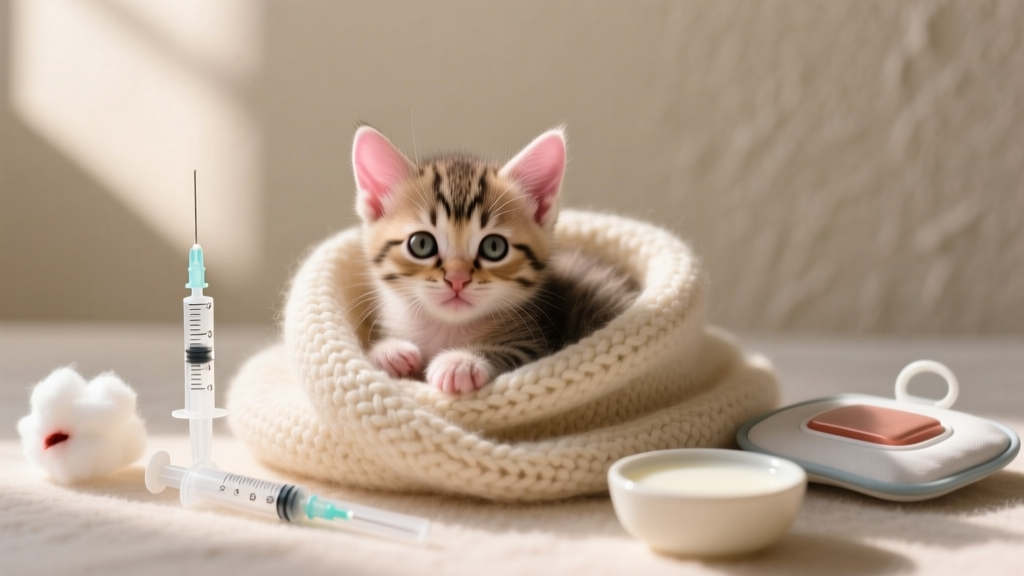
Feeding tools matter too: Use a 1–3 mL oral syringe (without needle) or a specialized kitten nursing bottle with a #5 or #6 nipple. Never force-feed; hold the kitten upright (like a football, belly down, head slightly elevated) and let it suckle at its own pace. Offer 2–4 mL per feeding for newborns (0–1 week), increasing by ~1 mL per day per feeding. Feed every 2–3 hours around the clock—including overnight—for kittens under 2 weeks. Missed feedings = rapid blood sugar crash (hypoglycemia), which presents as lethargy, tremors, or seizures.
Crucially: After every feeding, stimulate elimination. Neonates cannot pee or poop without tactile stimulation. Using a warm, damp cotton ball or soft tissue, gently stroke the genital and anal area in circular motions for 30–60 seconds until urine or stool appears. You’ll know it worked when you see pale yellow urine (not cloudy or bloody) and mustard-yellow, seedy stool. Document each elimination—you’ll need this data for your vet.
Step 3: Prevent Disease & Monitor Development — Beyond the Basics
Abandoned kittens are immunologically defenseless. They lack maternal antibodies (IgG transferred via colostrum in the first 24 hours), leaving them vulnerable to feline panleukopenia, herpesvirus, calicivirus, and intestinal parasites—even from surfaces you consider ‘clean.’ That’s why strict hygiene is non-negotiable: Wash hands with soap for 20+ seconds before and after handling, disinfect feeding tools in boiling water (not just rinsing), and change bedding daily. Use diluted bleach (1:32) on hard surfaces—never phenol-based cleaners like Lysol, which are toxic to cats.
Track growth daily: Weigh each kitten on a digital kitchen scale (in grams) before the first morning feeding. Healthy neonates gain 7–10 g/day. A plateau or loss for >24 hours signals trouble—dehydration, infection, or inadequate intake. Also watch for red flags: persistent crying (beyond brief hunger cues), refusal to nurse, vomiting (especially white foam or yellow bile), green or black stool, nasal discharge, or eyes that don’t open by day 10–14. These warrant immediate vet evaluation—not ‘wait-and-see.’
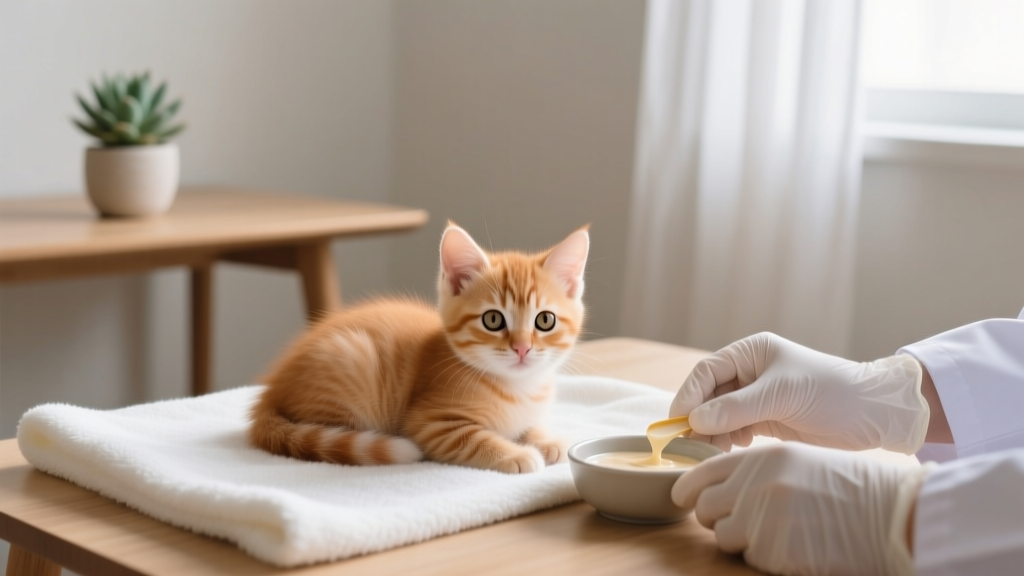
At 3–4 weeks, begin weaning: Mix KMR with high-quality kitten wet food into a thin gruel. Offer in a shallow dish and gently dab kitten’s mouth with it. Don’t rush—weaning too early causes malnutrition; too late delays dental development and socialization. And yes—socialization *starts now*: Gentle handling for 15–20 minutes daily (even while warming or feeding) builds neural pathways for trust and reduces future fear aggression.
Step 4: Know When to Call the Vet — And What to Ask
Many caregivers delay vet visits thinking, ‘It’s just a little cold’ or ‘It’ll eat tomorrow.’ But neonatal medicine moves fast. Contact a veterinarian experienced in feline pediatrics (not just general practice) if any of these occur: rectal temp <94°F or >104°F; no stool for >24 hours despite stimulation; blood or mucus in stool; labored breathing or gum pallor; inability to hold head up by day 5; or weight loss >10% of birth weight. Even if the kitten seems stable, schedule a wellness exam by day 5–7. A vet will check for congenital defects (cleft palate, heart murmurs), run fecal tests for roundworms/coccidia, and administer dewormer (pyrantel pamoate) starting at 2 weeks—yes, even if stool looks normal. As Dr. Hahn emphasizes: “Deworming isn’t reactive—it’s prophylactic. Nearly all orphaned kittens carry Toxocara cati, and untreated infestations stunt growth and compromise immunity.”
Ask your vet these three questions during the visit: (1) ‘Can you verify hydration status via skin tent test and mucous membrane assessment?’ (2) ‘Is this kitten strong enough for subcutaneous fluids—or do we need IV support?’ (3) ‘What’s your protocol for empirical antibiotics if fever or lethargy develops?’ Having these answers upfront prevents panic-driven decisions later.
| Age Range | Key Milestones | Critical Actions | Risk Alerts |
|---|---|---|---|
| 0–7 days | Eyes closed; ears folded; umbilical cord still attached (falls off by day 3–5) | Warm 24/7; feed every 2 hrs; stimulate after each feeding; weigh AM/PM | Hypothermia, hypoglycemia, failure to pass meconium |
| 1–2 weeks | Eyes begin opening (day 7–10); ears unfold; starts crawling | Introduce gentle handling; increase feeding volume; start daily weight log | Diarrhea, eye discharge (conjunctivitis), refusal to nurse |
| 2–3 weeks | Eyes fully open; begins righting reflex; attempts standing | Begin environmental enrichment (soft toys, low ramps); deworm; vet exam | Upper respiratory signs (sneezing, nasal crusting); delayed eye opening |
| 3–4 weeks | Starts walking steadily; teeth erupt; plays with littermates | Introduce gruel; socialize with humans & other kittens; begin litter training | Weight plateau >48 hrs; vomiting; isolation from littermates |
| 4–6 weeks | Full mobility; weaned; begins grooming self | Vaccinations (FVRCP first dose); spay/neuter consult; adoptability screening | Aggression, excessive clinginess, failure to explore |
Frequently Asked Questions
Can I use homemade kitten formula if I can’t get KMR right away?
No—homemade recipes (e.g., evaporated milk + egg yolk + corn syrup) are dangerously imbalanced. They lack essential amino acids like taurine and arginine, cause osmotic diarrhea, and promote bacterial overgrowth. In a true emergency, offer unflavored Pedialyte (not Gatorade) via syringe at 1–2 mL every hour to prevent dehydration—but get KMR within 12 hours. The UC Davis Veterinary Hospital explicitly warns against DIY formulas due to documented cases of metabolic acidosis and sudden death.
How do I know if the kitten is getting enough to eat?
Look beyond belly fullness—check for consistent weight gain (7–10 g/day), pale yellow urine (not dark or concentrated), regular soft stool (mustard-yellow, seedy), and contented sleep between feeds. A well-fed kitten sleeps 90% of the time. If it’s constantly crying, rooting frantically, or has wrinkled skin that stays ‘tented’ when pinched, it’s underfed or dehydrated.
Should I give the kitten probiotics or vitamins?
Not without veterinary guidance. Over-the-counter probiotics aren’t regulated for kittens and may contain strains ineffective or harmful to feline GI tracts. Vitamins—especially fat-soluble A and D—can accumulate to toxic levels. KMR already contains optimal nutrient ratios. The only supplement recommended by the Winn Feline Foundation is oral vitamin B12 for kittens with confirmed malabsorption (diagnosed via vet testing).
What if I find multiple abandoned kittens—should I keep them together?
Yes—unless medically contraindicated (e.g., one has confirmed URI). Littermates provide vital thermoregulation (huddling), social learning, and reduced stress. Separate only if size disparity is extreme (>30% weight difference) or if one shows infectious symptoms. Always monitor closely for bullying or exclusion during feeding.
When can I start holding or playing with the kitten?
Gentle handling begins immediately—even during warming and feeding—to build positive associations. From day 3 onward, hold for 10–15 minutes 2–3x daily, supporting head and spine. At 2 weeks, introduce soft toys and short ‘play’ sessions (using fingers or feather wands) to develop motor skills. Avoid overstimulation: If the kitten flattens ears, yawns excessively, or hides, stop and try again later.
Common Myths Debunked
Myth 1: “If the mother is gone, the kittens are automatically orphans—I should take them all immediately.”
Reality: Mother cats sometimes leave kittens briefly to hunt or relocate. Observe from a distance for 2–4 hours (longer if weather is mild). If the mother returns, leave them alone—intervening unnecessarily disrupts bonding and increases abandonment risk. Only intervene if kittens are cold, crying continuously, or appear injured.
Myth 2: “Rubbing a kitten’s belly helps it poop—so I should do it vigorously.”
Reality: Vigorous rubbing causes intestinal trauma or rectal prolapse. Stimulation must be gentle, circular, and focused solely on the genital and anal regions—not the abdomen. Use light pressure and stop the moment elimination occurs.
Related Topics (Internal Link Suggestions)
- Kitten vaccination schedule — suggested anchor text: "when to vaccinate orphaned kittens"
- Signs of kitten dehydration — suggested anchor text: "how to tell if a kitten is dehydrated"
- How to find a feline-friendly vet — suggested anchor text: "finding a kitten-savvy veterinarian near you"
- Best kitten milk replacer brands — suggested anchor text: "KMR vs. Breeder’s Edge vs. PetAg: which formula is safest"
- Neonatal kitten resuscitation steps — suggested anchor text: "what to do if a kitten stops breathing"
Your Next Step Starts Now—Don’t Wait for ‘Perfect’
You’ve just absorbed life-saving knowledge—but knowledge only saves lives when acted upon. If you’re holding an abandoned kitten right now, pause here. Grab a clean towel, check its temperature with your hand (if cool, begin skin-to-skin warming immediately), and locate KMR at your nearest pet store or pharmacy (call ahead—they often stock it in the puppy/kitten aisle). Then, call a feline veterinarian—even if just for a 5-minute phone triage. Most offer free initial consultations for emergencies. Remember: You don’t need to be a vet to save a life. You just need calm hands, accurate information, and the courage to begin. And if you’ve already stabilized your kitten? Celebrate that. Then book that vet appointment—and share this guide. Because every kitten deserves more than luck. They deserve expertise, compassion, and the fierce, focused care only someone like you can provide.