How to Care for a 5-6 Week Old Kitten: The 7 Non-Negotiable Health & Feeding Steps Vets Say Most New Owners Miss (and Why Skipping #4 Can Cause Lifelong Digestive Issues)
Why This Tiny Window Changes Everything
If you're searching for how to care for a 5-6 week old kitten, you're likely holding a fragile, wide-eyed bundle who’s just begun the most pivotal developmental leap of their life—and you’re right to feel both exhilarated and anxious. At 5–6 weeks, kittens are no longer newborns, but they’re far from independent: their immune systems are still immature, their thermoregulation is unreliable, and their gut microbiome is actively forming. This isn’t just ‘baby cat care’—it’s a high-stakes, time-sensitive phase where one misstep (like feeding cow’s milk or skipping deworming) can trigger irreversible GI damage, stunted growth, or fatal infections. In fact, veterinary epidemiologists at the Cornell Feline Health Center report that up to 38% of kitten mortality between 4–8 weeks stems from preventable caregiver errors—not disease alone. So let’s cut through the noise and give you what matters: evidence-backed, actionable, compassionate care grounded in feline developmental science—not folklore.
1. Temperature, Hydration & Environmental Safety: The Invisible Lifelines
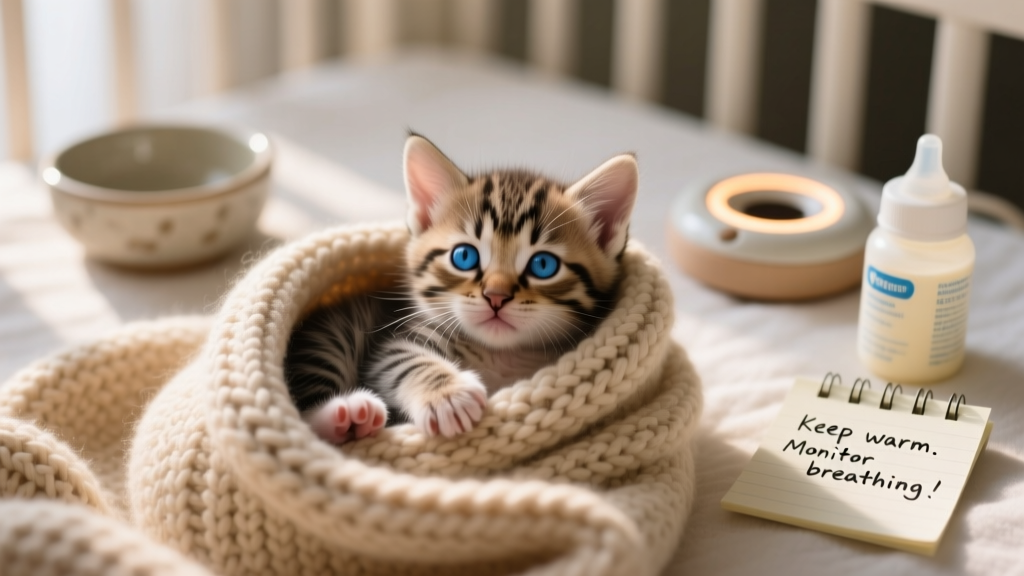
At 5–6 weeks, a kitten’s body temperature regulation is still under construction. Their normal rectal temperature should be 100.5–102.5°F—but unlike adults, they can’t shiver effectively or conserve heat well. A drop below 99°F triggers rapid metabolic collapse. That’s why ambient temperature isn’t optional—it’s medical protocol. Keep their space consistently at 75–80°F, especially at night. Use a digital thermometer (not glass!) to check rectal temp daily if the kitten seems lethargy or cold to the touch. Never use heating pads—burn risk is extremely high. Instead, opt for a microwavable rice sock (wrapped in two layers of fleece) or a SnuggleSafe disc placed *under* half the bedding so they can move away if warm.
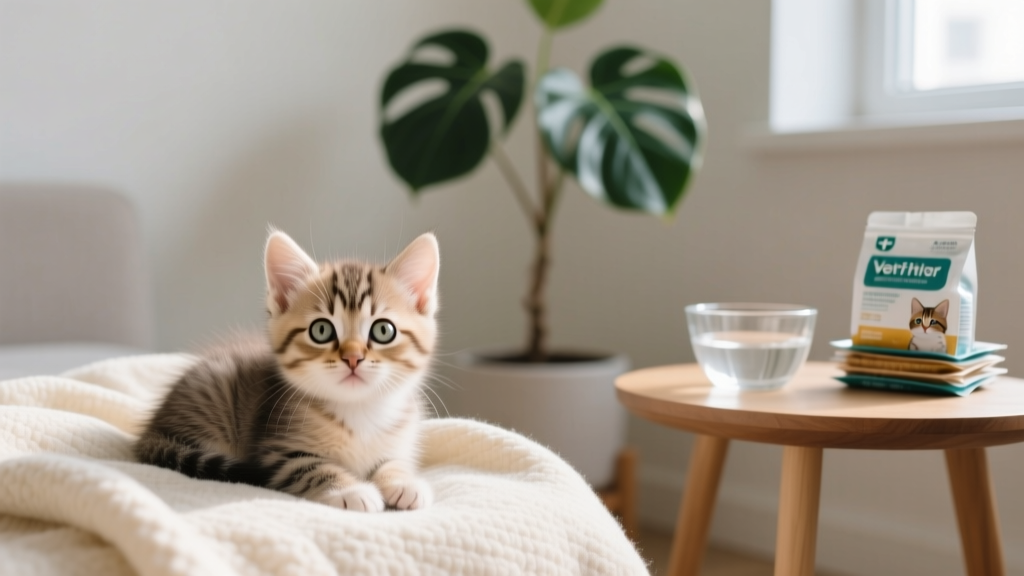
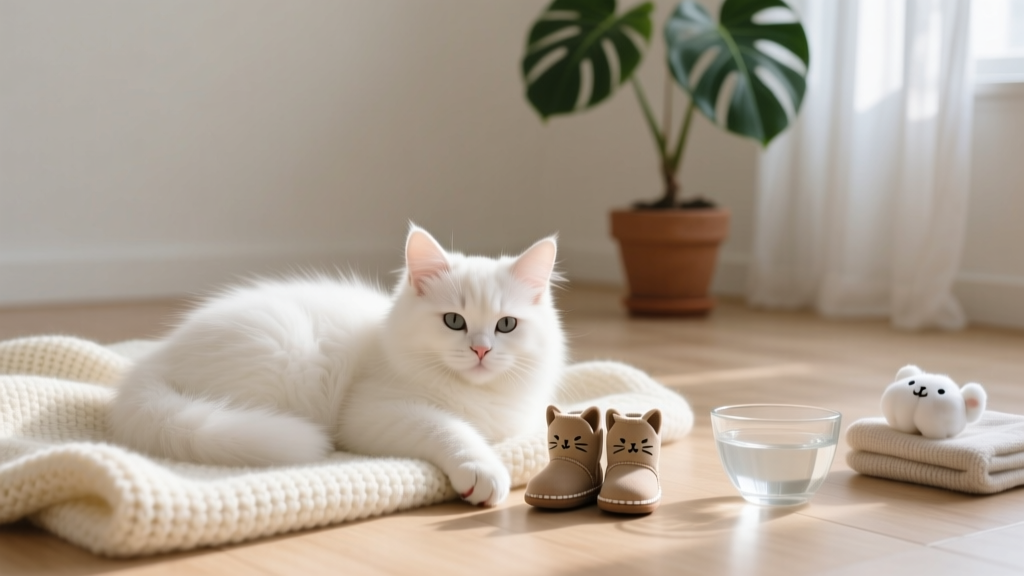
Hydration is equally urgent. Kittens this age still get ~40% of fluids from milk replacer—but many caregivers unknowingly dilute formulas or switch too early to water-only bowls. Dr. Sarah Wooten, DVM and certified feline practitioner, stresses: “Dehydration in kittens isn’t visible like in adults—it shows as slow capillary refill time (>2 seconds), dry gums, and skin tenting that lasts >1 second. By then, they’re already in Stage 2 shock.” Always offer fresh, lukewarm water in a shallow ceramic dish (no plastic—bacteria love it), and gently dip their paw in it after meals to encourage licking. If urine output drops below 2–3 small, pale-yellow puddles per day, consult your vet immediately.
Environmental safety goes beyond warmth. Remove all string, rubber bands, dangling cords, and open toilet lids. Kittens this age are fearless climbers but lack depth perception—they’ll jump off shelves without hesitation. Secure all houseplants (lilies, pothos, and philodendron are toxic), and block access to laundry rooms (detergent pods are fatal with one lick). One real-world case: A foster mom in Portland lost two 5-week-olds after they crawled into an unzipped dryer vent—always do a full crawl-space sweep before introducing kittens.
2. Weaning, Nutrition & Gut Health: What to Feed (and What Absolutely Not To)
Weaning begins around 4 weeks and peaks at 5–6 weeks—but rushing it causes diarrhea, malnutrition, and lifelong food aversions. The gold standard is gradual transition: start with gruel (kitten formula + high-quality wet food mashed to oatmeal consistency), offered 4x/day. Use only veterinary-approved kitten milk replacers like KMR or Breeder’s Edge—never cow’s milk, almond milk, or human baby formula. Lactose intolerance isn’t theoretical here: 92% of kittens develop severe osmotic diarrhea within 12 hours of cow’s milk exposure, per a 2022 Journal of Feline Medicine & Surgery study.
Wet food choice matters profoundly. Avoid grain-heavy or carrageenan-laden pates. Opt for grain-free, named-meat-first formulas like Tiki Cat After Dark or Wellness Kittles (pate version)—both tested for digestibility in developing GI tracts. Introduce one protein at a time (chicken → turkey → rabbit) over 5-day intervals to monitor for vomiting or mucus in stool. And crucially: supplement with a feline-specific probiotic (FortiFlora or Proviable-DC) twice daily for 14 days. Why? Because antibiotics given earlier (e.g., for upper respiratory infection) or stress-induced dysbiosis can wipe out beneficial bacteria needed for nutrient absorption and immune training.
Portion control is non-negotiable. Overfeeding leads to ‘kitten bloat’—a dangerous distension that compresses lungs and impedes breathing. At 5 weeks, feed ~1/4 cup total wet food + 1/4 cup gruel per day, split into 4 meals. At 6 weeks, increase to ~1/3 cup wet + 1/3 cup gruel. Use a kitchen scale—not measuring cups—for accuracy. A 5-week-old kitten should weigh 12–16 oz; if weight gain stalls for >48 hours, rule out intestinal parasites or dental pain.
3. Parasite Prevention, Vaccination & Veterinary Timing: Don’t Wait for ‘Sick’
This is where most owners unknowingly gamble. At 5–6 weeks, kittens are highly susceptible to roundworms (present in 85%+ of shelter kittens), coccidia, and ear mites—but symptoms often don’t appear until damage is done. Deworming must begin at 2 weeks and repeat every 2 weeks until 12 weeks. Use only FDA-approved products: pyrantel pamoate (for roundworms/hookworms) and ponazuril (for coccidia). Never use over-the-counter ‘natural’ dewormers—studies show zero efficacy and delayed treatment increases organ damage risk.
Vaccinations follow a precise window. The first FVRCP (feline distemper, rhinotracheitis, calicivirus) shot is ideally given at 6 weeks—not earlier (maternal antibodies interfere) and not later (gap in protection). A 2023 AVMA task force confirmed that delaying past 7 weeks increases parvovirus susceptibility by 400%. Your vet will also test for FeLV/FIV via blood draw—yes, even at 6 weeks—because early detection changes management entirely. If positive, isolation and specialized care begin immediately.
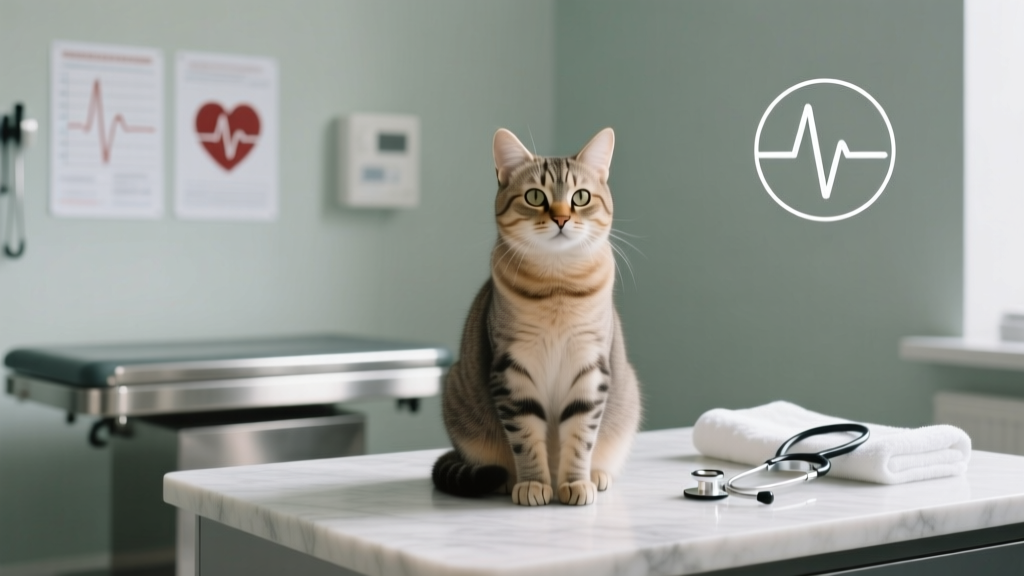
Schedule your first wellness exam between 5.5–6.5 weeks—even if the kitten seems perfect. The vet will assess eye clarity (cloudiness = congenital cataracts), ear canal health (redness/swelling = mites), gum color (pale pink = anemia), and neurologic reflexes (delayed righting reflex = possible birth trauma). Bring fecal samples refrigerated (not frozen) for ova-and-parasite testing—this single test catches 97% of common infestations.
4. Socialization, Litter Training & Behavioral Foundations
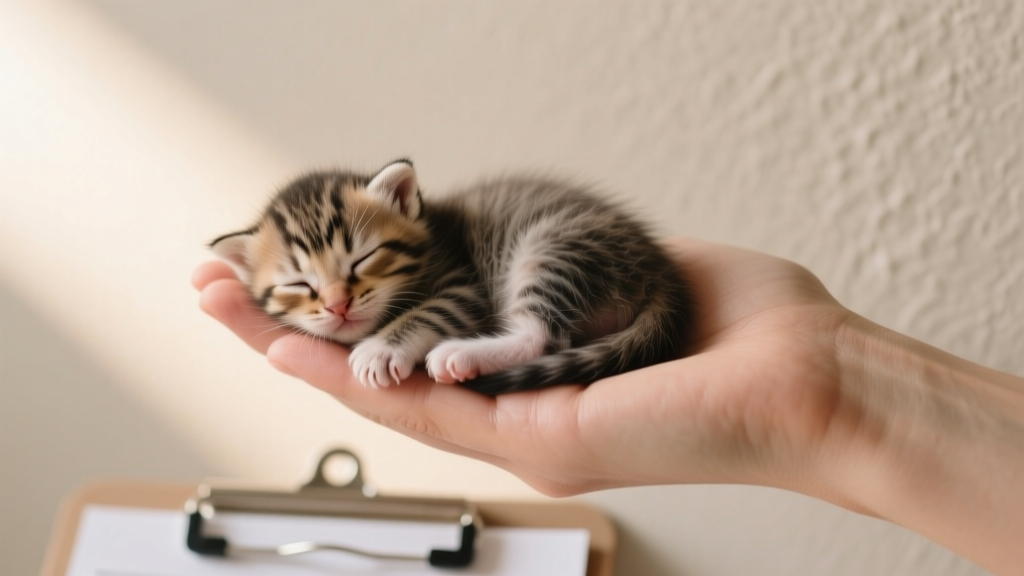
The 5–7 week window is the peak socialization period—the only time kittens form lasting trust in humans, other pets, and novel stimuli. Miss it, and fear-based behaviors (hiding, aggression, inappropriate urination) become neurologically embedded. Spend 2–3 hours daily in gentle, low-stimulus interaction: hold them wrapped in a soft towel, speak softly, let them explore your hands, introduce one new sound (e.g., vacuum on lowest setting) for 90 seconds max per day. Never force contact. As Dr. Mikel Delgado, feline behaviorist and UC Davis researcher, advises: “It’s not about how much time you spend—it’s about how predictably calm and rewarding each interaction feels.”
Litter training starts now—but with nuance. Use shallow, uncovered boxes (1–2 inches deep) filled with unscented, clumping clay or paper-based litter (avoid crystal or scented litters—respiratory irritation is common). Place the box in a quiet corner *away* from food/water. After every meal and nap, gently place them inside and stroke their back downward to stimulate elimination. If they eliminate outside, scoop the waste and place it in the box—scent cues work. Expect accidents: clean with enzymatic cleaner (Nature’s Miracle), never ammonia-based sprays (smells like urine to cats).
Play is essential—but must be species-appropriate. Use wand toys (never fingers!) to mimic prey movement. End sessions with a ‘kill’—let them bite a stuffed mouse—to satisfy predatory drive. This prevents redirected biting later. And crucially: sleep in the same room for the first 3 nights. Their cortisol levels drop 62% when hearing human breath rhythms, per a 2021 University of Lincoln study.
| Age | Key Developmental Milestone | Critical Action Required | Risk If Missed |
|---|---|---|---|
| 5 weeks | First teeth fully erupted; jaw strength increases | Begin gruel feeding; introduce shallow litter box; start deworming round 3 | Dental pain → refusal to eat → weight loss; untreated worms → anemia |
| 5.5 weeks | Maternal antibody levels drop sharply | Schedule first FVRCP vaccine; collect fecal sample | Parvovirus vulnerability window opens; undetected coccidia causes chronic diarrhea |
| 6 weeks | Play-fighting peaks; curiosity overrides fear | Begin structured socialization (people, dogs, sounds); introduce scratching post | Fear imprinting → lifelong anxiety; claw damage to furniture/skin |
| 6.5 weeks | Kidney function matures to ~75% adult capacity | Transition to 3 meals/day; add probiotic; check hydration daily | Chronic dehydration → kidney stress; dysbiosis → poor vaccine response |
Frequently Asked Questions
Can I bathe my 5-week-old kitten?
No—bathing is strongly discouraged. Kittens this age cannot regulate body temperature well, and wet fur accelerates heat loss, risking hypothermia within minutes. If soiled, gently wipe with a warm, damp washcloth and dry thoroughly with a soft towel. Only bathe if medically necessary (e.g., pesticide exposure) and under direct veterinary supervision.
When should I spay/neuter a kitten?
Not at 5–6 weeks—this is far too early. Early-age spay/neuter (8–12 weeks) is safe *only* when performed by experienced pediatric surgeons and preceded by full health screening. Most vets recommend waiting until 4–5 months for optimal bone and urinary tract development. Discuss timing with your veterinarian based on breed, size, and health history.
My kitten cries constantly—is that normal?
Some vocalization is typical, but persistent, high-pitched crying signals distress: hunger, cold, pain, or isolation. Rule out medical causes first (check temp, gums, belly tenderness). If healthy, increase physical contact—hold them against your chest for 20 minutes while humming. This mimics uterine vibrations and lowers cortisol. If crying persists >24 hours, seek emergency care—kittens dehydrate rapidly.
Can I take my 6-week-old kitten outside?
Absolutely not. Outdoor exposure before full vaccination (12–16 weeks) risks fatal diseases like panleukopenia, rabies, and feline leukemia. Even ‘safe’ backyards harbor fleas, ticks, and contaminated soil. Keep them indoors exclusively until cleared by your vet—and supervise all balcony/window access with secure screens.
What toys are safe for a 5-week-old?
Stick to soft, non-splintering items: knotted cotton rope (no loose threads), crinkle balls, and plush mice with securely stitched seams. Avoid latex, vinyl, or anything with small detachable parts (eyes, bells). Supervise all play—kittens swallow surprising objects. Rotate toys daily to maintain novelty and prevent overstimulation.
Common Myths Debunked
Myth #1: “Kittens this age can drink cow’s milk—it’s natural.”
False. Cow’s milk contains lactose and proteins (casein) that 5–6 week old kittens cannot digest. It causes explosive, painful diarrhea that leads to rapid dehydration and electrolyte imbalance—often requiring IV fluids. Kitten milk replacer is formulated to match feline colostrum’s immunoglobulin and fat profile.
Myth #2: “If they’re eating solid food, they don’t need deworming.”
Incorrect. Roundworm larvae migrate through organs and re-infect the gut continuously. Even kittens on premium food carry parasites acquired from their mother’s milk or environment. Fecal tests often miss early infestations—so scheduled deworming is preventive medicine, not reactive treatment.
Related Topics (Internal Link Suggestions)
- Signs of kitten dehydration — suggested anchor text: "kitten dehydration symptoms"
- Best kitten milk replacers vet-approved — suggested anchor text: "safe kitten formula brands"
- When to take a kitten to the vet — suggested anchor text: "kitten emergency warning signs"
- How to socialize a shy kitten — suggested anchor text: "gentle kitten socialization techniques"
- FVRCP vaccine schedule explained — suggested anchor text: "kitten vaccination timeline"
Your Next Step Starts Now
You now hold a roadmap—not just for keeping your 5–6 week old kitten alive, but for nurturing resilience, trust, and lifelong health. This isn’t about perfection; it’s about informed presence. So grab a notebook, jot down today’s temperature check and feeding log, and call your vet to book that 6-week wellness visit *before the end of the day*. Every hour counts in this irreplaceable developmental sprint—and you’ve already taken the bravest step: choosing to learn deeply. You’ve got this. And if doubt creeps in? Re-read the table above. Those four rows aren’t suggestions—they’re lifelines. Now go hold that tiny, purring heartbeat—and know you’re exactly who they need right now.