Cat Brachycephalic Syndrome Secondary GI Complications
1. Introduction: Why this topic matters to cat owners
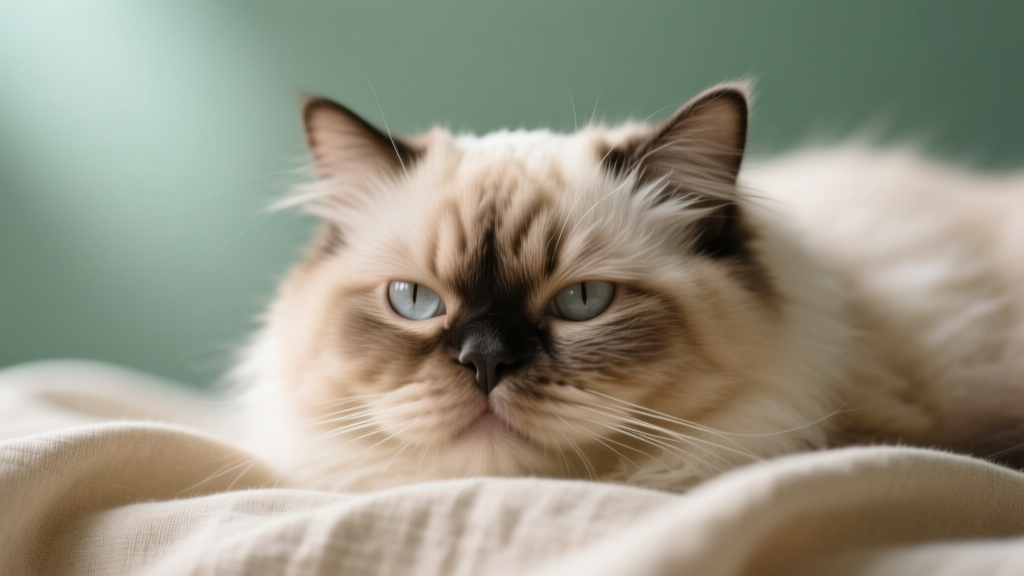
If you share your home with a flat-faced cat—like a Persian, Himalayan, Exotic Shorthair, or British Shorthair—you’ve probably noticed their adorable snorts, noisy breathing, or “smushed” facial profile. Many brachycephalic (short-nosed) cats do perfectly well with supportive care, but their unique head shape can create more than breathing challenges.
One of the most overlooked issues is how upper airway problems can trigger secondary gastrointestinal (GI) complications. This can show up as frequent vomiting, gagging, regurgitation, poor appetite, or discomfort around meals. Understanding the airway–stomach connection helps you spot early warning signs, get the right veterinary help, and improve your cat’s long-term comfort and quality of life.
2. Overview: Brachycephalic syndrome and the GI connection (plain-language explanation)
Brachycephalic syndrome describes a group of anatomical features common in flat-faced animals that can narrow the upper airway. In cats, the most common contributors include:
- Stenotic nares (narrow nostrils that reduce airflow)
- Elongated or thickened soft palate (tissue at the back of the throat that can partially obstruct airflow)
- Narrowed nasopharynx and other structural crowding in the nose/throat
- Secondary inflammation from chronic effort to breathe
When breathing takes extra effort, the body creates stronger negative pressure in the chest to pull air in. Over time, this can contribute to problems such as:
- Reflux (stomach contents moving upward toward the esophagus)
- Esophagitis (inflammation of the esophagus, often from reflux)
- Regurgitation (passive “bringing up” of food or fluid from the esophagus)
- Gastritis (stomach irritation)
There’s also a practical factor: cats that struggle to breathe may swallow more air while eating or grooming, eat quickly, or get stressed around meals. Stress and fast eating can worsen nausea, vomiting, and reflux-like symptoms.
These GI issues are considered “secondary” because the airway anatomy is often the root problem. Treating the GI signs alone may help temporarily, but lasting improvement often requires addressing both the stomach and the airway.
3. Symptoms and warning signs to watch for
Signs can be subtle at first. Some cats show mainly GI symptoms, while others show obvious breathing signs plus stomach upset.
Breathing-related signs often seen with brachycephalic syndrome
- Noisy breathing while resting or sleeping (snoring, stertor, snorting)
- Mouth breathing during stress or heat
- Exercise intolerance (short play sessions, stops quickly)
- Heat intolerance
- Worsening breathing when excited, stressed, or after eating
GI signs that may be secondary to airway issues
- Regurgitation (food comes up with little effort, often tubular or undigested)
- Vomiting (active heaving/retching; may include food, foam, or bile)
- Gagging, retching, or “trying to cough something up” after meals
- Frequent lip-licking, drooling, or swallowing (possible nausea or reflux)
- Decreased appetite or picky eating
- Eating very fast, then vomiting or regurgitating
- Weight loss or poor body condition
- Bad breath or signs of mouth discomfort (can overlap with dental disease)
Practical at-home tip
If your cat brings food up, try to note whether it looked like vomiting (heaving, stomach contractions) versus regurgitation (more passive). This detail helps your veterinarian narrow down whether the esophagus or stomach is more involved.
4. Causes and risk factors
Most brachycephalic syndrome issues stem from inherited skull and soft tissue anatomy. Secondary GI complications can develop due to a mix of mechanical and inflammatory factors.
Common risk factors
- Breed and facial structure: Persian, Himalayan, Exotic Shorthair, Scottish Fold (some lines), British Shorthair (some lines), and other flat-faced cats
- Body condition: Overweight cats often breathe with more effort, and reflux risk can increase
- Heat and humidity: Panting and airway swelling can worsen obstruction and trigger nausea
- Stress/excitement: Increased respiratory effort can aggravate reflux-like signs
- Fast eating or competition with other pets
- Chronic upper airway inflammation: Rhinitis, dental disease with oronasal inflammation, or other sources of irritation can compound symptoms
Why GI problems can become persistent
- Repeated reflux can inflame the esophagus, making it more sensitive and more likely to regurgitate.
- Inflammation can lead to discomfort that reduces appetite, which may create nausea cycles.
- Severe episodes can increase the risk of aspiration (inhaling vomit/regurgitated material), causing pneumonia.
5. Diagnosis: Methods and what to expect at the vet
Because symptoms overlap with many other conditions (hairballs, food intolerance, parasites, inflammatory bowel disease, pancreatitis, dental disease), a veterinary exam is essential. Your vet will try to determine:
- How much of the problem is airway-related
- Whether your cat is vomiting vs regurgitating
- Whether reflux/esophagitis is present
- Whether another GI disease is happening at the same time
What the appointment may include
- History questions: timing around meals, frequency, diet, weight changes, breathing patterns, heat intolerance
- Physical exam: nostril size, breathing effort, throat sounds, hydration, abdominal palpation, body condition
- Oral/dental exam: dental disease can worsen inflammation and appetite changes
- Baseline lab work: CBC/chemistry, thyroid screening in older cats, urinalysis as indicated
- Imaging:
- Chest X-rays to look for aspiration pneumonia or other lung disease
- Neck/skull imaging to assess airway structure in some cases
- Abdominal ultrasound if vomiting, weight loss, or appetite issues suggest broader GI disease
- Airway evaluation under sedation/anesthesia: in some cats, a careful look at the soft palate and laryngeal region is needed. This is done with safety planning because brachycephalic cats can be higher anesthesia risk.
- GI evaluation: in persistent cases, your vet may recommend endoscopy to assess the esophagus and stomach and to take biopsies if needed.
How you can help your vet right away
- Bring short videos of your cat breathing during sleep and after activity.
- Write down what and how fast your cat eats, plus when symptoms occur.
- Note any triggers: heat, excitement, grooming, or certain treats.
6. Treatment options: Medical care, surgical options, and home support
Treatment is individualized. Many cats benefit from a combined plan addressing both airway mechanics and GI irritation.
Medical treatment (vet-guided)
- Anti-nausea medications to reduce vomiting and help appetite
- Acid reducers (when appropriate) to decrease reflux-related irritation
- GI protectants that coat the esophagus/stomach if esophagitis is suspected
- Diet changes:
- Smaller, more frequent meals
- Highly digestible diets or veterinary therapeutic diets if recommended
- Texture adjustments (some cats do better with pate; others with slightly thicker consistency—your vet can guide you)
- Weight management if overweight
- Treatment for concurrent issues such as dental disease, parasites, or chronic rhinitis
Never give human antacids or anti-nausea drugs unless your veterinarian instructs you. Cats are sensitive to many medications and dosing errors can be dangerous.
Surgical treatment (when anatomy is a major driver)
If narrowed nostrils or other airway obstructions significantly affect breathing, your vet may refer you to a surgical specialist. Procedures can include:
- Nares (nostril) surgery to widen airflow
- Soft palate correction in selected cases where tissue contributes to obstruction
- Additional airway procedures depending on individual anatomy
Improving airflow can reduce respiratory effort and may lessen reflux/regurgitation in cats where negative pressure and chronic inflammation are contributing factors. Surgery is not automatically required—many cats can be managed medically—but it can be life-changing for those with significant obstruction.
Home care: practical steps you can start now
- Feed smaller meals 3–5 times daily instead of one or two large meals.
- Slow down eating: use a puzzle feeder, lick mat (supervised), or spread wet food thinly on a plate.
- Create a calm meal environment: separate pets during feeding to reduce competition and gulping.
- Keep your cat cool: air conditioning, fans, shaded resting spots; avoid intense play in warm rooms.
- Reduce stress: predictable routines, quiet resting areas, pheromone diffusers if your vet agrees.
- Track episodes: frequency, timing, food type, and whether vomiting vs regurgitation. Patterns often reveal triggers.
7. Prevention strategies and early detection tips
You can’t change your cat’s skull shape, but you can reduce flare-ups and catch complications early.
Prevention and early detection checklist
- Keep a lean body condition: ask your vet for a target weight and calorie plan.
- Schedule routine wellness exams at least yearly (twice yearly for seniors or symptomatic cats).
- Act on early GI signs: repeated “hairballs,” frequent foam vomiting, or regular regurgitation deserves a vet visit.
- Address dental disease: mouth pain and inflammation can worsen appetite and nausea patterns.
- Prevent overheating: brachycephalic cats can struggle with heat more than expected.
- Ask about airway assessment if your cat snores loudly, mouth-breathes, or seems winded easily.
8. Prognosis and quality of life considerations
Many brachycephalic cats live happy lives with the right support. Prognosis depends on:
- Severity of airway narrowing
- Whether reflux/esophagitis is mild or advanced
- How quickly complications (like aspiration pneumonia) are addressed
- Response to diet/medication and, when needed, surgery
Quality of life often improves when breathing is easier and meals no longer trigger discomfort. Positive signs you’re on the right track include:
- Less noisy breathing at rest
- Improved appetite and steady weight
- Fewer vomiting/regurgitation episodes
- More energy during play without distress
Plan for ongoing monitoring. Some cats need long-term dietary management or periodic medication adjustments, especially during hot weather, stressful household changes, or when other illnesses arise.
9. When to seek emergency veterinary care
Contact an emergency veterinarian immediately if you see any of the following:
- Open-mouth breathing or breathing distress that doesn’t settle quickly
- Blue, gray, or very pale gums
- Collapse, extreme weakness, or unresponsiveness
- Repeated vomiting with inability to keep down water, or signs of dehydration (sunken eyes, tacky gums)
- Suspected aspiration: coughing after vomiting/regurgitation, rapid breathing, fever, lethargy
- Blood in vomit, dark “coffee ground” material, or black/tarry stool
- Severe lethargy or hiding with obvious distress
If your cat is struggling to breathe, minimize handling, keep them cool and calm, and head to the nearest veterinary hospital. Do not attempt home remedies.
10. FAQ: Common questions from cat owners
Can brachycephalic cats really have stomach issues because of breathing problems?
Yes. Increased effort to breathe can contribute to reflux and esophageal irritation in some flat-faced cats. Not every brachycephalic cat will develop GI complications, but the connection is well-recognized, especially when regurgitation or vomiting happens alongside noisy breathing or heat intolerance.
How can I tell the difference between vomiting and regurgitation?
Vomiting usually involves nausea signs and active abdominal heaving. Regurgitation is more passive—food comes up with little warning, often shortly after eating, and may look undigested. If you’re unsure, record a video and show your veterinarian; it’s one of the most helpful tools.
My cat “vomits hairballs” a lot. Could that be related?
Frequent hairball-like episodes can sometimes be misidentified vomiting or regurgitation. While hairballs happen, repeated episodes (weekly or more, or any pattern with weight loss or appetite change) should be evaluated by a veterinarian to rule out reflux, airway-triggered gagging, GI disease, or asthma-like conditions.
Will changing food fix the problem?
Diet changes can help many cats—especially smaller meals, slower feeding, and highly digestible options—but diet alone may not be enough if the primary issue is significant airway obstruction or esophagitis. Your vet can recommend the safest plan based on your cat’s symptoms and test results.
Is surgery always necessary for brachycephalic syndrome?
No. Mild cases may do well with weight management, avoiding heat/stress triggers, and medical GI support. Surgery is considered when anatomy causes notable breathing compromise, repeated flare-ups, or decreased quality of life. A veterinary surgeon can help you weigh the risks and likely benefits for your individual cat.
What can I do today while waiting for my vet appointment?
- Feed smaller, more frequent meals and slow down eating.
- Keep your cat cool and calm; avoid intense play in warm rooms.
- Track episodes (time, food, behavior) and take videos of breathing and any vomiting/regurgitation.
- Do not start human medications without veterinary guidance.
If your cat has a flat face and any combination of noisy breathing, gagging after meals, frequent vomiting, or regurgitation, schedule a veterinary exam. Early support can prevent esophageal irritation from becoming chronic and can make day-to-day life much more comfortable.
For more caring, practical cat health guidance, visit catloversbase.com and explore our growing library of feline wellness resources.