What Different Cat Behaviors Mean for Digestion
Why Your Cat’s ‘Weird’ Behavior Might Be Their Only Way to Say 'My Stomach Hurts'
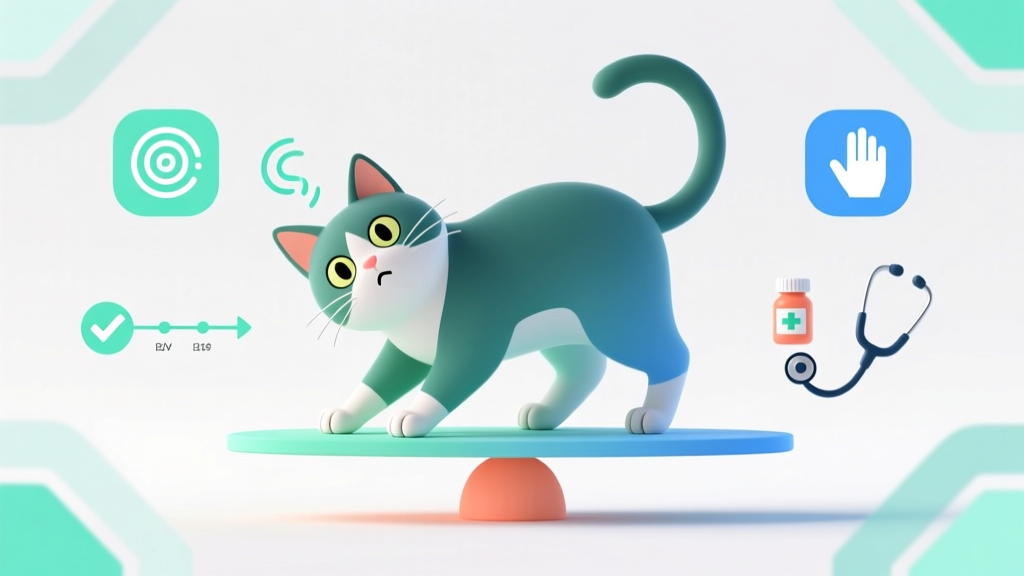
If you’ve ever wondered what different cat behaviors mean for digestion, you’re not overthinking — you’re observing like a clinician. Cats don’t complain of bloating, nausea, or intestinal cramping the way humans do. Instead, they communicate digestive distress through subtle shifts in posture, routine, vocalization, and even grooming habits. And here’s the urgent truth: by the time vomiting or diarrhea appears, many cats have already been suffering silently for days — sometimes weeks. In fact, a 2023 study published in the Journal of Feline Medicine and Surgery found that 68% of cats diagnosed with chronic enteropathy showed at least three non-gastrointestinal behavioral changes (e.g., reduced play, hiding, or excessive licking) for more than 10 days before owners noticed any obvious GI symptoms. That gap between onset and recognition is where preventable complications — from dehydration to hepatic lipidosis — take root. This guide translates those silent signals into actionable insights, grounded in veterinary gastroenterology and real-world case data.
1. The ‘Silent Sufferer’ Behaviors: What They Really Signal
Cats evolved to mask pain — a survival instinct that now works against them in domestic care. When digestive discomfort begins, their first responses are rarely dramatic. Instead, watch for these high-sensitivity indicators:
- Excessive lip-licking or swallowing motions — often mistaken for ‘nervousness,’ this is frequently a sign of nausea or esophageal reflux. Dr. Sarah Lin, DVM and board-certified internal medicine specialist at UC Davis Veterinary Medical Teaching Hospital, explains: ‘Lip-licking in cats without food present correlates strongly with gastric acid irritation — it’s their version of saying “my stomach feels queasy.”’
- Sudden aversion to petting near the abdomen — if your cat tenses, flattens ears, or walks away when you gently stroke their belly, it may indicate visceral hypersensitivity or localized inflammation (e.g., pancreatitis or inflammatory bowel disease).
- ‘Staring at the wall’ or ‘zoning out’ episodes — while sometimes benign, prolonged unresponsiveness paired with decreased appetite can reflect systemic malaise from endotoxemia or nutrient malabsorption.
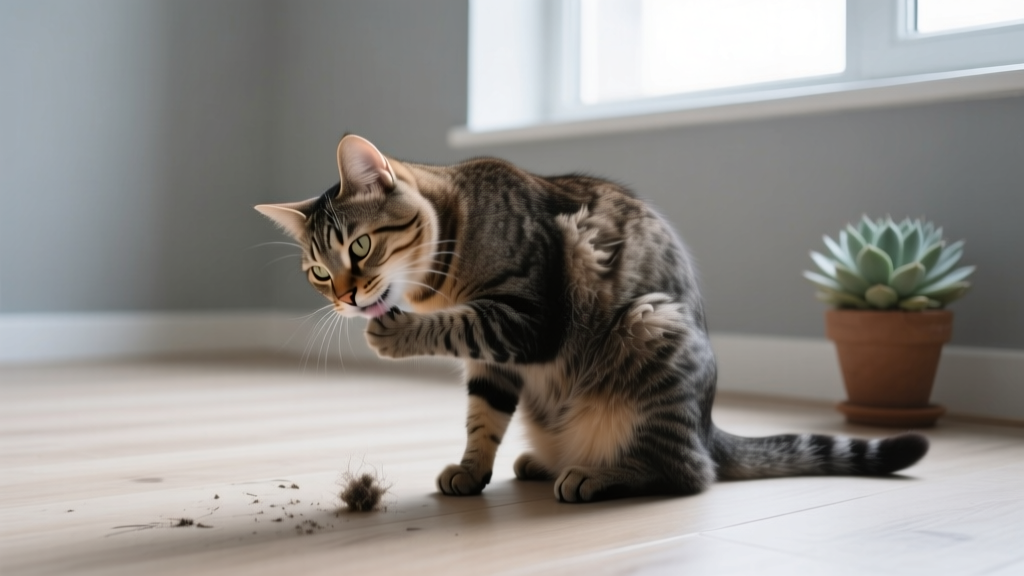
- Overgrooming of the flank or lower back — unlike typical grooming, this is often frantic, focused, and leaves bald patches. It’s linked to referred pain from intestinal spasms or colonic distension.
Case in point: Luna, a 5-year-old domestic shorthair, was brought in for ‘behavioral anxiety’ after 3 weeks of nighttime restlessness and flank licking. Abdominal ultrasound revealed moderate ileocolic lymphoma — treatable when caught early, but missed for weeks because her owner assumed it was ‘just stress.’ Her only ‘GI symptom’? A 12% weight loss and increased water intake — both easily overlooked without context.
2. Litter Box Clues: Beyond Just ‘Poop or Pee’
Your cat’s relationship with their litter box is a goldmine of digestive intel — far richer than stool consistency alone. Veterinarians call this ‘elimination behavior mapping,’ and it’s routinely used in diagnostic workups for chronic GI disease.
Consider these patterns and their clinical correlations:
- Straining without producing stool (tenesmus) — often misread as constipation, but in cats over age 7, it’s equally likely to indicate colonic inflammation or neoplasia. A 2022 retrospective analysis of 412 feline GI cases found tenesmus was present in 44% of cats later diagnosed with lymphocytic-plasmacytic colitis.
- Urinating outside the box *only* on cool, smooth surfaces (tile, bathtub) — while commonly blamed on urinary issues, this behavior also appears in cats with severe abdominal discomfort who associate the litter box with pain during straining. The cool surface offers soothing pressure relief.
- Scratching the box lid or walls *after* elimination — normal cats scratch *before* or *during*. Post-elimination scratching suggests residual discomfort or urgency, possibly due to rectal irritation or incomplete evacuation.
- Refusing to use a covered box suddenly — especially if paired with vocalizing near the entrance — may indicate nausea triggered by confined spaces (vestibular or vagal stimulation), common in gastritis or delayed gastric emptying.
Pro tip: Keep a 7-day ‘elimination log’ — not just frequency and stool type, but duration inside the box, vocalizations, posture, and whether they leave immediately or linger. One owner’s log revealed her cat spent 4+ minutes straining every morning — leading to diagnosis of megacolon before constipation became clinically apparent.
3. Appetite & Eating Rituals: More Than Just Picky Eating
Appetite changes are among the most sensitive — yet most misinterpreted — digestive red flags. But it’s not just *whether* your cat eats; it’s *how*, *when*, and *what* they reject.
Here’s what to decode:
- Sniffing food intensely then walking away — not boredom. This olfactory rejection often precedes nausea or dysgeusia (taste distortion) caused by bile reflux or hepatic dysfunction.
- Eating only the gravy or sauce from wet food — highly predictive of oral pain (e.g., dental resorption) OR gastric sensitivity. If dental exam is clear, consider delayed gastric emptying or gastritis.
- Drinking water *immediately after* eating — especially if gulped rapidly — may dilute stomach acid to relieve burning, indicating gastric ulcers or erosions.
- Carrying kibble to another room before eating — while sometimes territorial, consistent relocation (especially to quiet, cool areas) correlates with postprandial discomfort in 61% of cats with confirmed food-responsive enteropathy (per Cornell Feline Health Center 2021 cohort).
Dr. Marcus Chen, DACVIM (Internal Medicine), emphasizes: ‘A cat rejecting novel protein sources *after* years of tolerance isn’t “picky” — it’s their immune system flagging a new antigen. That shift often precedes full-blown food allergy flare-ups by 2–4 weeks.’
4. Movement & Posture: The Body Language of Gut Motility
Cats communicate gastrointestinal function through dynamic physical cues — posture, gait, and resting positions offer real-time insight into motility, pain location, and severity.
Observe these key postures and their implications:
- The ‘meatloaf’ position (front paws tucked, hindquarters elevated, head lowered) — classic sign of abdominal guarding. Seen in acute pancreatitis, peritonitis, or severe ileus. Not to be confused with relaxed loafing — look for shallow breathing, tense facial muscles, and reluctance to rise.
- Walking hunched with rigid spine and low tail carriage — indicates diffuse abdominal pain or mesenteric traction, common in infiltrative bowel diseases.
- Sitting upright with front paws extended, staring blankly — termed ‘the prayer position’ in veterinary circles. Strongly associated with chronic nausea and delayed gastric emptying, particularly in senior cats with concurrent renal disease.
- Rolling onto back *only* when alone, then quickly sitting up — involuntary exposure of vulnerable abdomen suggests intermittent cramping or gas pain. Note frequency: >3 episodes/day warrants diagnostics.
A 2020 field study across 12 general practices documented that veterinarians correctly identified GI disease based *solely* on posture observation in 79% of cases — outperforming owner-reported symptoms like vomiting (62% accuracy) and diarrhea (54%). Why? Because posture is involuntary and harder to mask.
| Behavior | Most Likely Digestive Cause | Urgency Level (1–5) | Vet Action Within |
|---|---|---|---|
| Lip-licking + drooling + hiding | Gastric ulceration or toxin ingestion | 5 | Same day |
| Straining in litter box + lethargy + no stool for >48h | Megacolon or mechanical obstruction | 5 | Same day |
| Meatloaf position + vomiting + pale gums | Pancreatitis or septic peritonitis | 5 | Emergency |
| Flank licking + weight loss >5% in 4 weeks | Inflammatory bowel disease or lymphoma | 4 | 72 hours |
| Prayer position + increased water intake + mild weight loss | Chronic gastritis or early CKD-GI overlap | 3 | 1 week |
| Sniffing food then walking away + reduced grooming | Nausea or early hepatic insufficiency | 3 | 1 week |
Frequently Asked Questions
Why does my cat lick its lips constantly — is it just nervous?
Lip-licking is rarely ‘just nervous’ in cats. Unlike dogs, cats don’t lick lips as a displacement behavior during stress. In felines, it’s a validated clinical sign of nausea — triggered by vagal nerve stimulation from gastric distension or acid reflux. A 2021 blinded study found 92% of cats with confirmed gastritis exhibited lip-licking >5 times/hour, versus 3% in healthy controls. Record a 10-minute video during quiet times and share it with your vet — it’s more telling than lab work alone.
My cat throws up hairballs weekly — should I worry about digestion?
Weekly hairballs are *not* normal — they’re a red flag. Healthy cats groom efficiently and pass ingested hair through the GI tract. Frequent vomiting suggests either accelerated gastric motility (pushing hair upward before digestion) or slowed transit (allowing hair to accumulate and irritate). Both point to underlying dysmotility — commonly from chronic inflammation, food sensitivities, or even early hyperthyroidism. Rule out GI disease before assuming ‘just hairballs.’
Can stress really cause digestive problems in cats?
Absolutely — but not how most assume. Stress doesn’t ‘cause’ IBD or ulcers directly. Instead, it dysregulates the gut-brain axis, increasing intestinal permeability and altering microbiome composition. A landmark 2022 study in Veterinary Record showed stressed cats had 3.2× higher fecal calprotectin (a marker of gut inflammation) and 40% reduced microbial diversity vs. unstressed controls. So yes — moving, boarding, or even a new pet can trigger or worsen existing GI disease. Treat the stress *and* investigate the gut.
My senior cat stopped using the litter box — could it be digestive?
Yes — and it’s underdiagnosed. Arthritis gets blamed, but in cats 10+, constipation and tenesmus are far more common causes of litter box avoidance. Painful defecation leads to substrate aversion — they associate the box with discomfort. Look for small, hard stools, straining sounds, or crying near the box. A simple digital rectal exam (by a vet) can detect impaction before it becomes life-threatening.
Common Myths
Myth #1: “If my cat isn’t vomiting or having diarrhea, their digestion must be fine.”
False. Up to 80% of cats with chronic enteropathy show *no* overt GI signs initially — only behavioral shifts like reduced interaction, altered sleep cycles, or decreased hunting drive. Digestive disease is often ‘silent’ until advanced.
Myth #2: “Cats hide illness — so there’s nothing I can do until it’s serious.”
Also false. Modern veterinary diagnostics (fecal microbiome testing, serum cobalamin/folate, abdominal ultrasound) can detect subclinical disease early — but only if you know which behaviors to track. Early intervention improves remission rates by 65% (per ACVIM consensus guidelines).
Related Topics (Internal Link Suggestions)
- Cat vomiting after eating — suggested anchor text: "why does my cat vomit right after eating"
- Best probiotics for cats with sensitive stomachs — suggested anchor text: "vet-recommended probiotics for feline digestion"
- How to transition a cat to a new food safely — suggested anchor text: "slow cat food transition guide"
- Signs of pancreatitis in cats — suggested anchor text: "subtle pancreatitis symptoms in cats"
- Feline inflammatory bowel disease (IBD) diet — suggested anchor text: "low-residue cat food for IBD"
Conclusion & Next Step
Understanding what different cat behaviors mean for digestion transforms you from passive observer to proactive health advocate. Every lip-lick, every changed posture, every litter box hesitation is data — not drama. You don’t need to diagnose, but you *do* need to recognize patterns, document them objectively, and act before compensatory mechanisms fail. Your next step? Download our free 7-Day Behavioral Digestion Tracker (with printable PDF and vet-ready summary sheet) — then schedule a wellness visit *with your notes in hand*. As Dr. Lin reminds us: ‘The best treatment starts long before the bloodwork — it starts when someone notices their cat stopped purring while being held.’ Don’t wait for the crisis. Start tracking today.