How Do I Take Care of an Abandoned Kitten? The First 72 Hours Are Everything — Here’s Exactly What to Do (Step-by-Step, Vet-Approved, No Guesswork)
Why This Matters More Than You Think — Right Now
If you’ve just found a shivering, silent, or unresponsive kitten alone in a box, garage, or alley, how do i take care of an abandoned kitten isn’t just a question — it’s a race against time. Neonatal kittens (under 4 weeks) cannot regulate their own body temperature, digest food without stimulation, or eliminate waste without help. Without intervention within hours, hypothermia, dehydration, or sepsis can be fatal — and 80% of orphaned kittens die within the first week if care is delayed or incorrect (Journal of Feline Medicine and Surgery, 2022). This isn’t about ‘doing your best’ — it’s about doing what works, backed by veterinary neonatology.
Step 1: Stabilize — Warm, Assess, and Isolate (The Critical First 30 Minutes)
Never feed a cold kitten. Hypothermia slows digestion and can cause fatal aspiration or gut stasis. Start here — no exceptions.
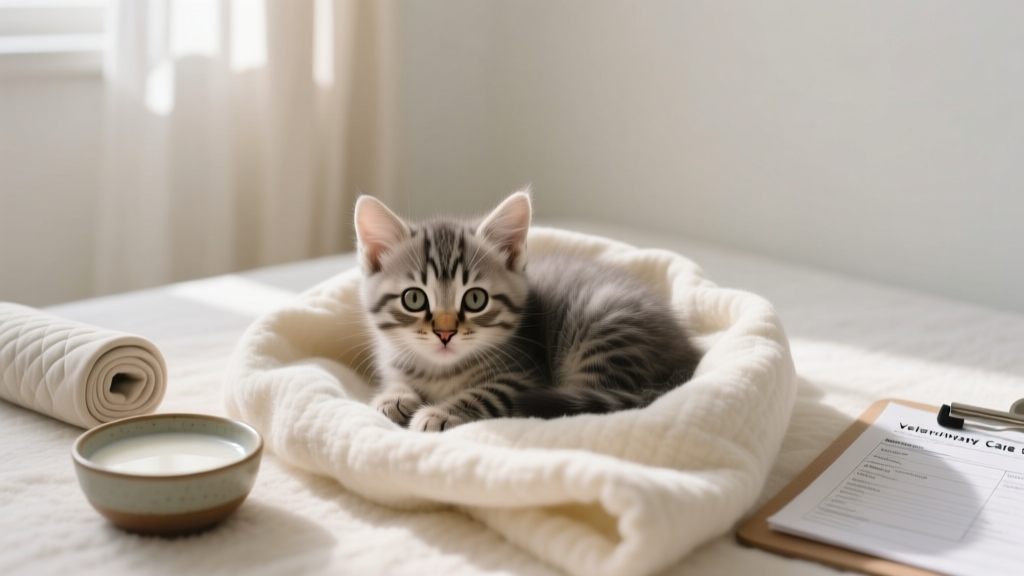
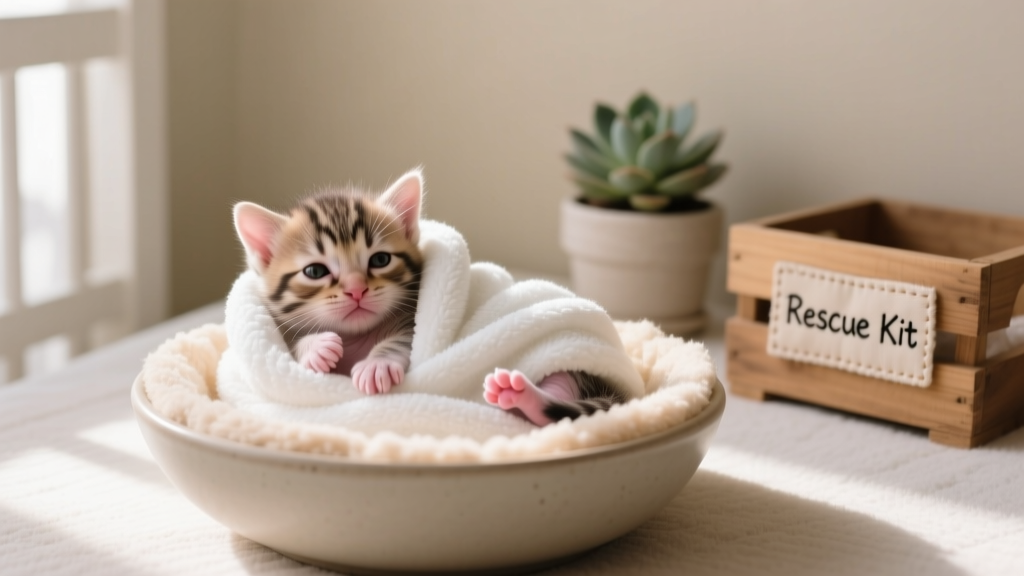
- Warming: Use a heating pad set on LOW inside a towel-lined cardboard box, or a microwavable rice sock wrapped in fleece. Maintain ambient temperature at 85–90°F (29–32°C) for kittens under 2 weeks; 80–85°F (27–29°C) for 2–4 week-olds. Never use direct heat sources like lamps or hot water bottles — burns are common and deadly.
- Assessment: Gently check for breathing, gum color (pink = good; pale/blue = emergency), responsiveness, and signs of injury or flea infestation. A kitten that feels cool to the touch, has limp limbs, or won’t right itself when placed on its side needs immediate warming — then vet contact.
- Isolation: Place the kitten in a quiet, draft-free space away from other pets and children. Use clean, soft, non-looped fabric (no towels with loose threads — they can entangle tiny paws).
Dr. Sarah Lin, DVM and founder of the Feline Neonatal Rescue Initiative, stresses: “I’ve seen too many well-meaning rescuers rush to bottle-feed before warming. That single misstep causes more kitten deaths than any other error. Temperature first — always.”
Step 2: Feed & Hydrate — Formula, Frequency, and Feeding Mechanics
Do NOT use cow’s milk, goat’s milk, human baby formula, or almond milk. These cause severe diarrhea, malnutrition, and metabolic collapse. Only use a commercial kitten milk replacer (KMR® or Just Born®) — warmed to 95–100°F (35–38°C), tested on your inner wrist.
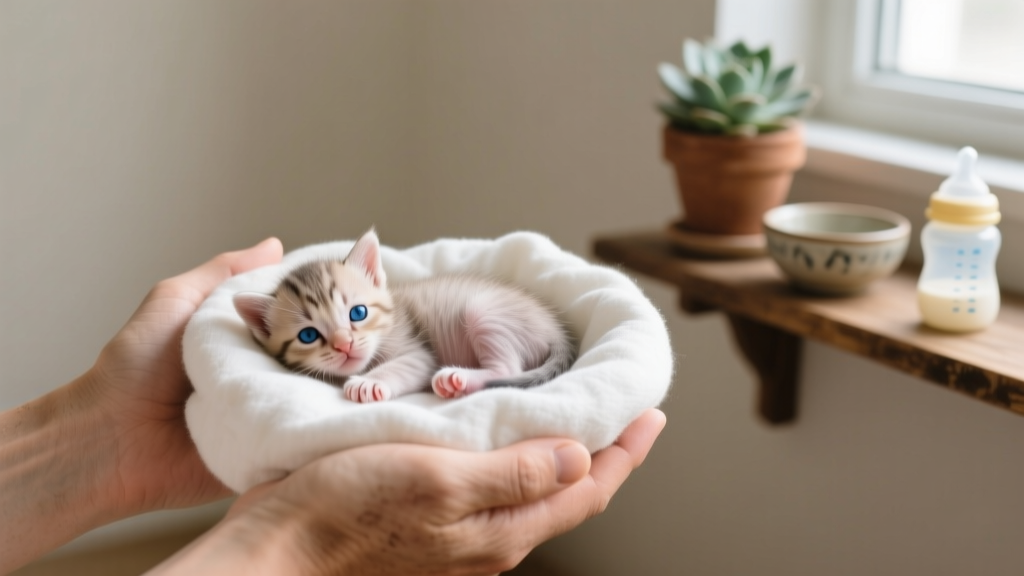
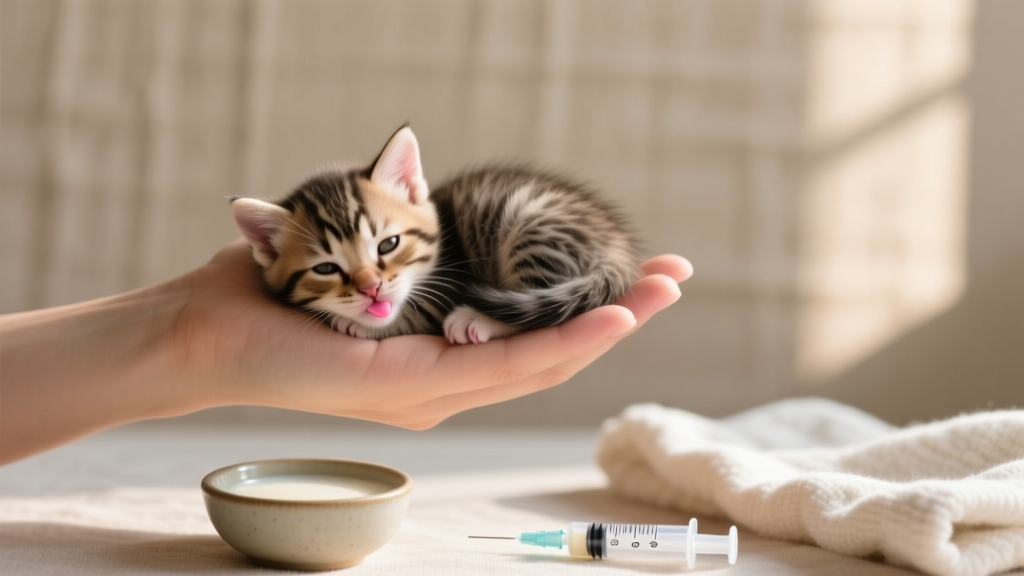
- Feeding Tools: Use a 1–3 mL oral syringe (without needle) or a kitten nursing bottle with a #0 or #1 nipple. Avoid droppers — they increase aspiration risk.
- Positioning: Hold the kitten on its belly, slightly inclined (like nursing from mom), never on its back. Gently stroke the jaw to encourage suckling.
- Volume & Schedule: Newborns need 2–4 mL per feeding, every 2–3 hours (including overnight). At 1 week: 5–7 mL every 3 hours. At 2 weeks: 8–10 mL every 4 hours. Underfeeding causes failure-to-thrive; overfeeding causes bloat and aspiration pneumonia.
A real-world case: In Portland last spring, a foster named Maya rescued three 5-day-old kittens from a rain-soaked shed. She warmed them for 45 minutes before offering formula — but fed 12 mL each, thinking ‘more is better.’ Within 6 hours, two developed labored breathing and regurgitation. Her vet diagnosed aspiration pneumonia — preventable with proper volume control and positioning. She now trains new fosters using a digital scale and feeding log.
Step 3: Stimulate, Clean, and Monitor — The Invisible Lifesaving Routine
Kittens under 3 weeks old cannot urinate or defecate without stimulation — mimicking the mother’s licking. Skipping this leads to toxic buildup, urinary retention, and fatal constipation.
- After every feeding, use a warm, damp cotton ball or soft tissue to gently stroke the genital and anal area in circular motions for 30–60 seconds — until urine or stool appears.
- Record output: Urine should be pale yellow and plentiful; stool should transition from black meconium (first 24–48 hrs) to mustard-yellow, seedy, and soft by day 3–4.
- Weigh daily at the same time on a gram-scale (kitchen scale works). Healthy gain: 7–10 grams/day. Loss or plateau for >24 hours = urgent vet consult.
Hygiene is non-negotiable. Wash hands before and after handling. Disinfect feeding tools with boiling water or pet-safe enzymatic cleaner — not bleach, which leaves residue harmful if ingested. Change bedding daily. A dirty environment invites coccidia, giardia, and upper respiratory infections — the top killers in orphaned litters.
Step 4: Recognize Red Flags — When ‘Wait and See’ Becomes Life-Threatening
Neonatal decline is rapid. Know these five emergency signs — act within 1 hour:
- Cool to touch + lethargy: Even if feeding, this signals impending shock.
- No stool for >24 hours (after day 2): Indicates ileus or obstruction.
- Green/yellow vomit or frothy saliva: Suggests aspiration or infection.
- Labored breathing, wheezing, or nasal discharge: Early sign of URI — treatable if caught early, fatal if ignored.
- Sudden crying followed by silence: Often precedes collapse in septic kittens.
According to the ASPCA’s 2023 Foster Care Report, 63% of kitten mortality occurred because caregivers delayed vet care past the 2-hour window for these symptoms. If you see any of the above, call your vet or an emergency clinic *before* driving — describe symptoms so they can prepare IV fluids, antibiotics, or incubator support.
| Age Range | Key Milestones | Critical Actions | Vet Visit Timing |
|---|---|---|---|
| Newborn – 1 week | Eyes closed; ears folded; no teeth; relies entirely on caregiver | Warm 24/7; feed every 2–3 hrs; stimulate after each feed; weigh daily | First vet visit by 48 hours (baseline exam, deworming start) |
| 1–2 weeks | Eyes begin opening (days 7–10); starts lifting head; coos softly | Introduce gentle handling; continue feeding every 3–4 hrs; monitor stool consistency | Deworming repeat at 10 days; fecal test if diarrhea persists |
| 2–3 weeks | Eyes fully open; ears upright; attempts crawling; begins kneading | Start introducing shallow litter tray with non-clumping paper pellets; reduce night feeds gradually | Vaccination prep: discuss FVRCP schedule; check for ear mites |
| 3–4 weeks | Walking confidently; plays with siblings; starts grooming; teeth emerging | Begin gruel (KMR + high-quality wet food); introduce socialization with calm humans; monitor weaning progress | First core vaccines (FVRCP); microchip if staying in care |
Frequently Asked Questions
Can I use human baby formula or soy milk in an emergency?
No — absolutely not. Human formulas lack taurine, arginine, and proper fat ratios for kittens and cause osmotic diarrhea, electrolyte imbalances, and liver stress within hours. Soy milk contains phytoestrogens that disrupt endocrine development. In true emergencies where KMR is unavailable for less than 12 hours, a temporary substitute is 1 cup whole goat’s milk + 1 tbsp light corn syrup + 1 egg yolk — but this is nutritionally incomplete and must be replaced with KMR ASAP. Always prioritize sourcing KMR from a vet clinic or pet store over improvising.
How do I know if the kitten is getting enough to eat?
Track weight daily on a gram-scale — consistent gain of 7–10 g/day is the gold standard. Also observe belly fullness (should be gently rounded, not tight or sunken), contented purring or sleeping after feeds, and regular urination (at least 3–4 clear, pale-yellow voids per day). If stools are runny, green, or absent for >24 hours post-day 2, reassess feeding volume, temperature, and stimulation technique — and consult your vet.
Should I give dewormer right away?
Yes — but only under veterinary guidance. Roundworms are present in ~85% of orphaned kittens (AVMA Parasite Guidelines, 2021) and can cause anemia, poor growth, and intestinal blockage. Pyrantel pamoate is safe starting at 2 weeks, but dosage is weight-dependent and must be calculated precisely. Never use over-the-counter dog dewormers — some contain ingredients toxic to cats (e.g., fenbendazole at high doses). Your vet will provide correct dosing and schedule (typically repeated at 2, 4, 6, and 8 weeks).
What if I find multiple kittens — do they need to stay together?
Yes — unless medically separated. Littermates provide mutual warmth, comfort vocalizations, and natural social cues that reduce stress hormones. Separating them increases cortisol levels, suppresses immune function, and delays developmental milestones. Keep them in the same warm enclosure with ample nesting material. Only separate if one shows infectious symptoms (e.g., sneezing, eye discharge) — then isolate with strict hand-washing between groups.
When can I start socializing the kitten?
Begin gentle handling at day 5–7: hold for 5 minutes, 2–3x daily while speaking softly. By week 2, introduce varied textures (soft brush, crinkly paper), quiet sounds (classical music), and calm human interaction. Week 3 is prime for positive imprinting — this window closes around week 7. Delayed socialization correlates strongly with lifelong fearfulness and aggression (Cornell Feline Health Center, 2020). Never force interaction — let the kitten approach at its pace.
Common Myths About Abandoned Kittens
- Myth: “Mother cats abandon kittens if humans touch them.” — False. Mom cats recognize scent, but brief, calm handling does not trigger rejection. In fact, early human contact improves adoptability. Abandonment usually occurs due to maternal illness, stress, or environmental danger — not human scent.
- Myth: “If the kitten is quiet and still, it’s just sleeping.” — Dangerous misconception. Neonates cry frequently when hungry, cold, or uncomfortable. Silence in a kitten under 2 weeks often indicates profound weakness, hypothermia, or neurological compromise — requiring immediate warming and vet assessment.
Related Topics (Internal Link Suggestions)
- Kitten Feeding Schedule by Age — suggested anchor text: "kitten feeding chart by age"
- Signs of Kitten Dehydration — suggested anchor text: "how to tell if a kitten is dehydrated"
- Best Kitten Milk Replacers Ranked — suggested anchor text: "best kitten formula for orphans"
- When to Start Weaning Kittens — suggested anchor text: "when do kittens start eating solid food"
- Finding Low-Cost Vet Care for Stray Kittens — suggested anchor text: "free or low-cost kitten vet care near me"
Your Next Step — Because Every Hour Counts
You now hold life-saving knowledge — but knowledge becomes impact only when acted upon. If you’re holding a kitten right now, pause and do this in order: (1) Warm for 30 minutes, (2) Weigh on a gram-scale, (3) Prepare KMR at 98°F, (4) Feed 3 mL in proper position, (5) Stimulate for 45 seconds, (6) Log everything. Then call a local rescue or vet — many offer free triage lines for neonatal emergencies. And if you’re reading this in preparation? Bookmark this page, download our printable 72-Hour Kitten Rescue Checklist (link), and share it with your neighborhood group chat. Because the next abandoned kitten won’t wait — and neither should you.