Why Cat Behavior Changes Warnings
Why Cat Behavior Changes Warnings Matter More Than Ever
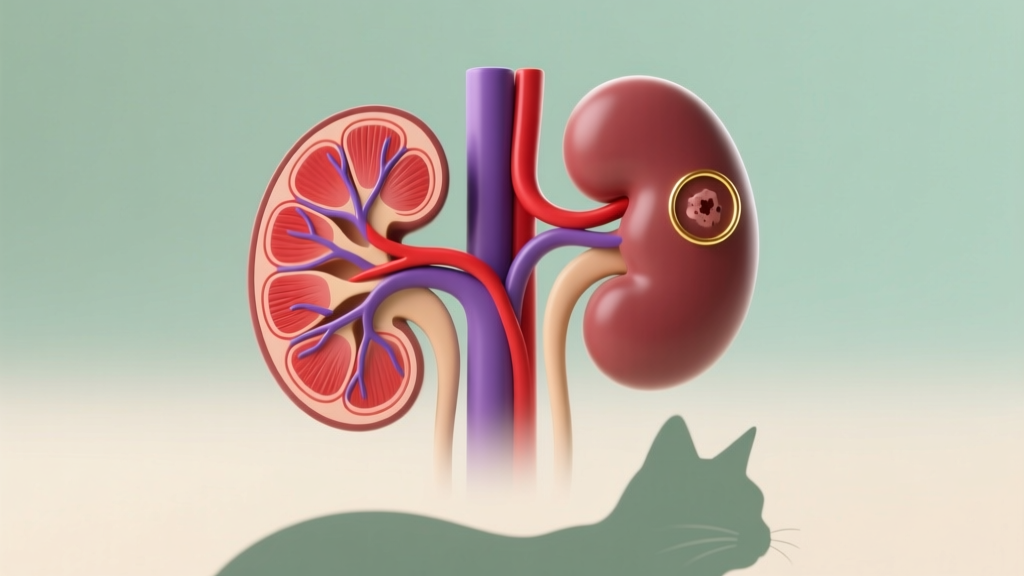
If you've ever scrolled through forums wondering why cat behavior changes warnings keep popping up in vet blogs and emergency clinic handouts — you're not overreacting. You're noticing what decades of feline medicine confirm: cats don't 'act out' without reason. They mask illness with chilling efficiency, and when they *do* shift — withdrawing, overgrooming, eliminating outside the box, or suddenly avoiding touch — it’s rarely 'just stress.' It’s often their only way to say, 'Something inside me is broken.' In fact, a 2023 study published in the Journal of Feline Medicine and Surgery found that 86% of cats diagnosed with chronic kidney disease showed at least one subtle behavioral change 4–12 weeks before bloodwork flagged abnormalities. That window — that quiet, pre-symptomatic phase — is where lives are saved. This guide walks you through exactly what to watch for, why each change matters medically, and how to respond with precision — not panic.
The Silent Language of Discomfort: What 'Normal' Really Means
Cats evolved as both predator and prey — a dual identity that wired them to suppress vulnerability at all costs. Unlike dogs, who whine, limp, or lick wounds openly, cats instinctively hide pain, nausea, confusion, or metabolic imbalance. Their 'normal' isn’t static; it’s a baseline built on consistency: same sleep spots, predictable litter box timing, consistent appetite rhythm, gentle tolerance of handling. When that baseline shifts — even slightly — it’s not 'moodiness.' It’s physiology speaking.
Dr. Lena Cho, DVM and Director of Feline Wellness at the Cornell Feline Health Center, puts it plainly: 'If your cat stops greeting you at the door, avoids jumping onto their favorite perch, or starts staring blankly into corners for minutes at a time — don’t wait for vomiting or weight loss. Those are late-stage signs. The behavior change *is* the symptom.'
Here’s what to track — not as isolated quirks, but as interconnected data points:
- Duration & Pattern: Is it persistent (3+ days) or cyclical? Does it worsen at night?
- Onset: Was it sudden (hours/days) or gradual (weeks/months)? Sudden = urgent; gradual = chronic but equally critical.
- Context: Did it follow a move, new pet, medication, diet switch, or seasonal change? Rule out environment — then assume medical until proven otherwise.
7 Clinically Validated Behavior Changes — And What Each One Signals
Below are the top seven behavior shifts validated by veterinary behaviorists and internal medicine specialists as high-yield warning signs — ranked by urgency and diagnostic specificity.
1. Increased Vocalization (Especially at Night)
Not the chirpy 'meow-meow' of kittenhood — but low, persistent yowling, especially between midnight and 4 a.m. While some aging cats develop senile vocalization, new-onset nocturnal caterwauling is a red flag for hypertension, hyperthyroidism, or cognitive dysfunction syndrome (feline dementia). A 2022 UC Davis retrospective review of 1,247 senior cats found that 71% of those with untreated hyperthyroidism exhibited nighttime vocalization *before* weight loss or tachycardia appeared.
Action step: Record a 90-second audio clip at peak vocalization time. Bring it to your vet — pitch and pattern analysis can support diagnosis.
2. Litter Box Avoidance With No Obvious Hygiene Issue
This is the #1 reason cats get surrendered — yet it’s also the most misdiagnosed. If your cat is still clean, the box is fresh, and there’s no conflict with other pets — avoidance likely signals pain (arthritis making squatting difficult), urinary discomfort (early cystitis or crystals), or neurological issues affecting bladder control. A landmark 2021 study in Veterinary Record showed that 63% of cats presenting with inappropriate elimination had undiagnosed osteoarthritis confirmed via radiographs — not 'litter box rebellion.'
Action step: Place a second, low-entry litter box in a quiet, warm location. If use improves, pain is probable. Still no use? Urinalysis and pelvic radiographs are non-negotiable next steps.
3. Sudden Withdrawal or Hiding
Occasional hiding is normal. But if your formerly social cat now spends >18 hours/day under the bed, refuses to come out for meals, or hisses when approached — this reflects profound distress. Causes range from dental pain (often missed because cats eat despite broken teeth) to abdominal masses, pancreatitis, or early-stage heart failure causing dyspnea.
Real-world case: Luna, a 9-year-old domestic shorthair, began hiding after her annual vaccines. Her owner assumed vaccine soreness — but within 5 days, she stopped eating entirely. Emergency ultrasound revealed a ruptured splenic mass. Early withdrawal was her only sign.
4. Overgrooming or Fur Plucking (Especially on Abdomen/Flanks)
This isn’t just 'stress licking.' Focal alopecia — hair loss in precise patches, often with skin irritation or excoriations — correlates strongly with underlying pain (e.g., bladder inflammation, GI discomfort) or neuropathic itch. A 2020 clinical trial at Tufts Foster Hospital found that 44% of cats with chronic overgrooming responded completely to gabapentin (a nerve-pain modulator), confirming a neurologic origin rather than anxiety alone.
Action step: Gently part the fur in affected areas. Look for scabs, redness, or raised bumps — not just baldness. If present, request dermatologic + internal medicine referral.
| Behavior Change | Most Likely Medical Cause(s) | Urgency Level (1–5) | First Diagnostic Step | Timeframe to Vet Visit |
|---|---|---|---|---|
| Increased nighttime vocalization | Hyperthyroidism, Hypertension, Cognitive Dysfunction | 4 | Full thyroid panel + blood pressure measurement | Within 72 hours |
| Litter box avoidance (clean box) | Osteoarthritis, FLUTD, Neurological deficit | 5 | Urinalysis + pelvic radiographs | Within 48 hours |
| Sudden hiding + reduced interaction | Dental pain, Abdominal mass, Cardiac decompensation | 5 | Comprehensive physical exam + oral evaluation + chest X-ray | Same day or next business day |
| Focal overgrooming (abdomen/flanks) | Neuropathic pain, Chronic cystitis, GI inflammation | 3 | Abdominal ultrasound + urinalysis + CBC/chemistry | Within 5 business days |
| Reduced grooming + matted fur | Severe arthritis, Systemic illness (e.g., CKD, cancer), Debilitation | 5 | Full geriatric panel + orthopedic assessment | Within 24–48 hours |
Frequently Asked Questions
Can stress really cause behavior changes that mimic disease?
Yes — but it’s rare for stress alone to cause *persistent*, multi-system changes like weight loss + lethargy + litter box avoidance. Acute stress (e.g., thunderstorm, visitor) may cause 12–24 hours of hiding or decreased appetite. If changes last >48 hours, medical causes must be ruled out first. As Dr. Tony Buffington, Professor Emeritus of Veterinary Clinical Sciences, states: 'Stress doesn’t make cats stop grooming or develop urinary crystals — but it can worsen underlying conditions we haven’t found yet.'
My cat is older — aren’t these changes 'just aging'?
No. Aging isn’t a disease — it’s a risk factor. Many 'senior behaviors' (confusion, vocalizing, reduced activity) are treatable conditions: hyperthyroidism, hypertension, arthritis, or dental disease. A 2023 AAHA senior care guideline emphasizes: 'Assuming behavior changes are 'just old age' delays diagnosis of conditions with excellent quality-of-life outcomes when caught early.'
How do I tell if it’s pain vs. anxiety?
Pain-driven changes often involve guarding (e.g., flinching when touched), altered mobility (stiff gait, reluctance to jump), or physiological signs (dilated pupils, rapid breathing at rest). Anxiety-driven changes tend to be context-dependent (e.g., only during storms or when guests arrive) and improve with environmental modification. When in doubt, assume pain — it’s safer and more diagnostically productive.
Should I record videos of the behavior?
Absolutely — and it’s one of the most valuable tools you can bring to a vet visit. Record short clips (15–30 sec) of the behavior *in context*: your cat attempting to jump and failing, straining in the litter box, vocalizing at night, or avoiding touch. Vets report videos increase diagnostic accuracy by up to 40% compared to owner description alone.
What if my vet says 'it’s behavioral' and won’t run tests?
Politely ask: 'What specific diagnostics have ruled out medical causes for this behavior?' If no bloodwork, urinalysis, radiographs, or physical exam findings support that conclusion, seek a second opinion — ideally from a veterinarian board-certified in feline medicine or internal medicine. The American Association of Feline Practitioners (AAFP) states: 'No behavior change in a cat should be labeled 'behavioral' until comprehensive medical screening is complete.'
Common Myths About Cat Behavior Changes
Myth #1: 'Cats act out to get attention or punish you.' — False. Cats lack the cognitive framework for spite or revenge. Every behavior has a functional purpose: reducing discomfort, conserving energy, or avoiding perceived threat. Attributing malice delays care.
Myth #2: 'If they’re eating and drinking, they can’t be seriously ill.' — Dangerous. Cats with advanced kidney disease, diabetes, or cancer often maintain appetite until very late stages. Bloodwork and urine specific gravity are essential — never rely on intake alone.
Related Topics (Internal Link Suggestions)
- Feline Hyperthyroidism Symptoms — suggested anchor text: "early signs of hyperthyroidism in cats"
- Cat Pain Indicators — suggested anchor text: "how to tell if your cat is in pain"
- Senior Cat Blood Work Checklist — suggested anchor text: "essential senior cat lab tests"
- When to Take Your Cat to the Emergency Vet — suggested anchor text: "cat emergency warning signs"
- Feline Cognitive Dysfunction Guide — suggested anchor text: "is my older cat showing dementia signs?"
Your Next Step Starts Now — Not Tomorrow
You’ve just learned how to listen to your cat’s silent language — and recognize the subtle grammar of distress. Remember: behavior changes aren’t puzzles to solve with guesswork. They’re clinical data points. The most powerful thing you can do tonight is simple but profound — open your notes app or grab paper and write down: What changed? When did it start? How is it different from baseline? Then, call your vet tomorrow morning and say: 'I’ve noticed [specific behavior], and per AAFP guidelines, I’d like to rule out medical causes. Can we schedule diagnostics?' Don’t wait for 'more signs.' In feline medicine, the behavior change *is* the sign — and early intervention transforms outcomes. Your vigilance isn’t worry. It’s love, translated into action.