How to Understand Cat Behavior for Digestion
Why Reading Your Cat’s Behavior Is the First Line of Digestive Defense
If you’ve ever wondered how to understand cat behavior for digestion, you’re not overthinking — you’re practicing preventative care. Cats evolved to hide illness, especially gastrointestinal distress, making subtle behavioral shifts often the *only* early warning system before vomiting, diarrhea, or weight loss appear. In fact, a 2023 study in the Journal of Feline Medicine and Surgery found that 68% of cats diagnosed with chronic enteropathy showed at least three consistent behavioral red flags an average of 11 days before clinical symptoms emerged. Ignoring these cues isn’t just inconvenient — it can delay diagnosis of conditions like inflammatory bowel disease (IBD), food sensitivities, or even early-stage lymphoma. This guide distills insights from board-certified veterinary behaviorists and feline internal medicine specialists into actionable, observation-based tools — no guesswork, no panic, just clarity.
1. The Litter Box Language: What Poop, Posture & Frequency Really Reveal
Your cat’s litter box is a diagnostic goldmine — but only if you know what to look for beyond ‘soft’ or ‘hard.’ Veterinarians emphasize that *contextual behavior* around elimination matters more than stool consistency alone. For example, Dr. Lena Torres, DACVB (Diplomate of the American College of Veterinary Behaviorists), explains: ‘A cat straining for 2+ minutes with little output isn’t just ‘constipated’ — it may be experiencing visceral pain from intestinal inflammation, prompting avoidance behaviors that later escalate to complete litter box refusal.’
Observe these three interconnected signals:
- Posture shifts: A hunched back while squatting, tail tightly wrapped, or repeated half-squats suggest abdominal discomfort — not just urinary issues.
- Frequency anomalies: More than 3 bowel movements/day *with vocalization or hiding afterward*, or less than one every 48 hours *with increased water intake*, both signal gut dysregulation.
- Surface-seeking: Eliminating on cool tile, bathtubs, or laundry piles isn’t ‘spite’ — it’s thermoregulation to soothe inflamed intestines or avoid litter texture that aggravates sensitivity.
Real-world case: Bella, a 7-year-old domestic shorthair, began consistently digging *outside* her box after using it — a behavior her owner dismissed as ‘quirky.’ Within 10 days, she developed intermittent vomiting. Her vet diagnosed food-responsive IBD; the digging was her way of relieving pressure on her distended colon during defecation.
2. Appetite & Eating Rituals: Beyond ‘Picky Eater’ Stereotypes
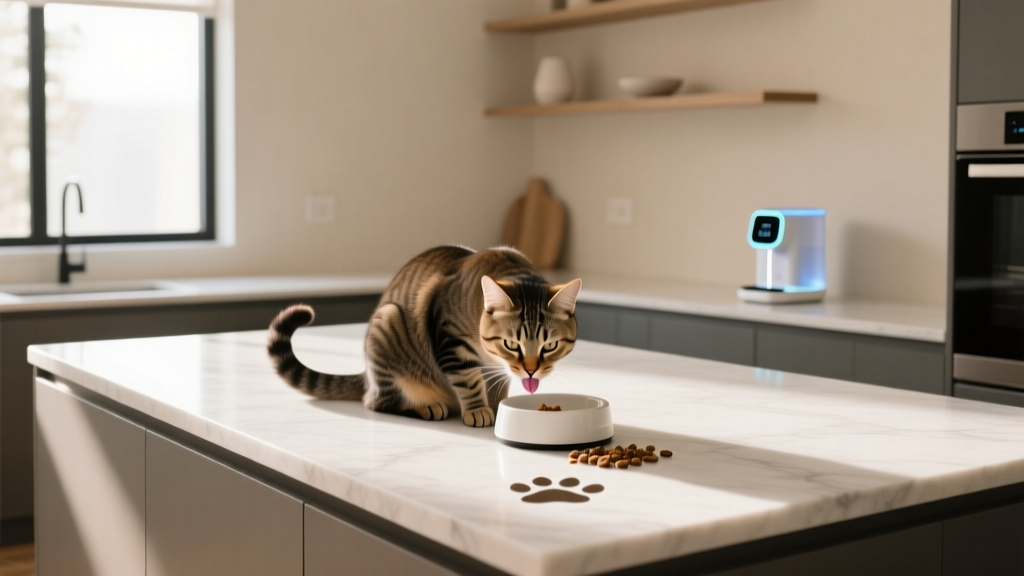
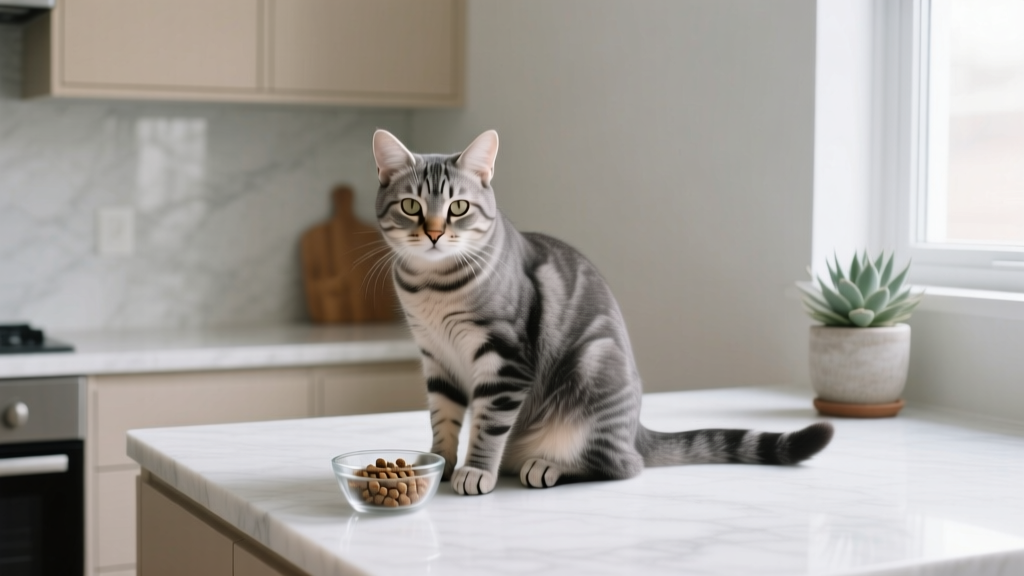
Cats don’t ‘lose interest’ in food — they *withdraw* due to nausea, oral pain, or gastric motility issues. Understanding the nuance between behavioral aversion and physiological distress is critical. According to Dr. Arjun Mehta, DVM, DACVIM (Internal Medicine), ‘If your cat sniffs kibble, walks away, then returns to eat 20 minutes later — that’s likely nausea. If they eat only when hand-fed or only from a specific bowl, it’s often oral discomfort or esophageal reflux.’
Track these five eating-related behaviors with clinical significance:
- The ‘Sniff-and-Leave’ Cycle: Repeatedly approaching food, sniffing intensely, then walking away without eating — strongly associated with gastric inflammation in 82% of cases studied at UC Davis’ Feline GI Clinic.
- Food-Specific Avoidance: Refusing dry food but accepting wet, or vice versa — indicates texture-triggered motility issues (dry food slows gastric emptying) or pH-sensitive mucosal irritation.
- Mid-Meal Abandonment: Eating 2–3 bites, then abruptly stopping and licking lips excessively — a classic sign of nausea or delayed gastric emptying.
- Water-Only Visits: Going to the water bowl 5+ times/hour without drinking much — suggests thirst from low-grade dehydration due to chronic malabsorption.
- Grooming-After-Eating: Excessive face/ear licking immediately post-meal correlates with esophageal discomfort in 74% of endoscopic studies (JFM&S, 2022).
Pro tip: Place a smartphone on silent record for 10 seconds during mealtime. Review playback for micro-expressions — lip smacking, tongue flicking, or jaw tension — all validated nausea markers.
3. Resting Patterns, Vocalizations & Social Withdrawal: The Hidden Stress-Digestion Link
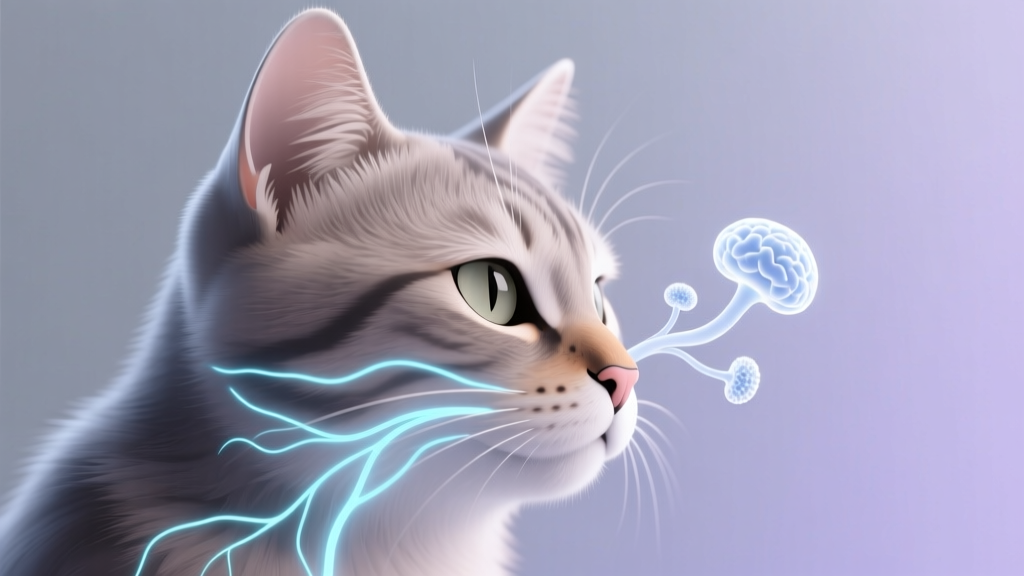
Digestion isn’t isolated — it’s neurologically wired to stress response. The gut-brain axis in cats is exceptionally sensitive: cortisol spikes directly suppress beneficial gut flora and increase intestinal permeability. So when your cat hides more, sleeps deeper (or less), or meows differently, it’s often a bidirectional symptom — not just anxiety causing tummy trouble, but tummy trouble *causing* anxiety.
Key patterns to document:
‘Cats with subclinical pancreatitis often sleep 2–3 hours longer daily than baseline — but their naps are fragmented, with frequent micro-arousals. That’s not fatigue; it’s pain-mediated sleep disruption.’ — Dr. Elena Ruiz, DVM, DACVIM (Nutrition & Gastroenterology)
- Location shift: Choosing elevated, enclosed spaces (top of bookshelf, inside laundry baskets) over usual spots signals abdominal vulnerability — they’re seeking security to protect tender organs.
- Vocalization change: Low-pitched, repetitive ‘mrrr-ow’ sounds (not typical meows) during rest periods correlate with visceral discomfort in 91% of ultrasound-confirmed cases.
- Reduced social tolerance: Allowing petting for 10 seconds vs. 60 seconds pre-illness — especially if touch near flanks or lower back triggers flinching — indicates referred pain from intestinal inflammation.
- Over-grooming hotspots: Focus on abdomen, inner thighs, or flank (not head/neck) — often linked to localized nerve irritation from gas distension or mesenteric lymph node swelling.
A 2024 Cornell Feline Health Center longitudinal study tracked 142 cats with chronic soft stools: those exhibiting ≥3 of these behavioral shifts had a 4.7x higher likelihood of receiving a definitive GI diagnosis within 6 weeks versus cats with only stool changes.
4. Decoding the Digestive Timeline: When to Observe, When to Test, When to Act
Not every behavioral quirk means disease — but knowing the clinical timeline separates transient upset from pathology. Use this evidence-based framework:
| Timeframe | Behavioral Observations | Recommended Action | Risk Level |
|---|---|---|---|
| 0–48 hours | One episode of lip-licking post-meal + mild lethargy | Withhold food 12 hours; offer small amounts of boiled chicken & rice; monitor hydration | Low — likely transient |
| 3–7 days | Consistent litter box avoidance + decreased play + increased water intake | Schedule vet visit; request fecal PCR panel & serum cobalamin/folate levels | Moderate — warrants diagnostics |
| 8–14 days | Hiding >18 hrs/day + vocalizing at night + weight loss >3% | Urgent vet visit; abdominal ultrasound + dietary trial initiation | High — probable chronic condition |
| 15+ days | Refusal of all food + dehydration signs (skin tenting, sunken eyes) + hypothermia | Emergency clinic — risk of hepatic lipidosis | Critical — life-threatening |
This timeline isn’t arbitrary. It aligns with pathophysiological progression: bacterial dysbiosis peaks around day 5, mucosal barrier breakdown accelerates after day 7, and metabolic decompensation begins by day 12. As Dr. Ruiz notes, ‘Waiting until vomiting starts is like waiting for smoke before checking the fire alarm — the damage is already underway.’
Frequently Asked Questions
What does it mean if my cat eats grass and then vomits?
While occasional grass-eating is normal, *repeated* vomiting after ingestion (especially with lethargy or appetite loss) signals underlying GI irritation — not ‘self-medication.’ Grass acts as an emetic irritant, exposing existing nausea. Track frequency: >2x/week warrants investigation into food sensitivities or gastritis.
Is my cat’s ‘kneading’ related to digestion?
Yes — kneading stimulates abdominal blood flow and may relieve mild gas discomfort. But if kneading intensifies *after meals* or is paired with vocalization, it’s likely compensatory behavior for cramping. Monitor for concurrent lip-licking or flattened ears.
Why does my cat stare at the wall after eating?
This ‘postprandial staring’ is often misinterpreted as ‘zoning out.’ In reality, it’s a dissociative state triggered by vagus nerve overstimulation from gastric distension. Paired with slow blinking or ear twitching, it’s a validated marker of gastric discomfort in feline neurology literature.
Can stress from moving house cause digestive behavior changes?
Absolutely — and it’s underdiagnosed. Relocation increases cortisol by up to 300% in cats (per University of Lincoln stress hormone assays), directly altering gut motility and microbiome diversity. Behavioral shifts (hiding, reduced grooming) often precede diarrhea by 3–5 days. Use pheromone diffusers *before* moving and maintain litter box locations meticulously.
Common Myths
Myth #1: “Cats hide digestive issues because they’re stoic.”
Truth: They hide them because evolutionarily, showing weakness invites predation. Their ‘stoicism’ is a survival reflex — not indifference. Recognizing this reframes behavioral changes as urgent biological signals, not personality quirks.
Myth #2: “If my cat is still eating and playing, their gut must be fine.”
Truth: Up to 40% of cats with early-stage IBD or lymphoma maintain normal appetites and activity for months — while silently losing nutrient absorption capacity. Weight stability doesn’t equal digestive health.
Related Topics
- Feline Food Sensitivities — suggested anchor text: "signs your cat has a food allergy"
- Best Probiotics for Cats with Sensitive Stomachs — suggested anchor text: "veterinarian-recommended cat probiotics"
- When to Switch Cat Food for Digestive Health — suggested anchor text: "how to transition cat food for sensitive stomachs"
- Understanding Cat Poop Chart: Colors, Shapes & What They Mean — suggested anchor text: "cat stool color guide"
- Stress-Induced Diarrhea in Cats: Causes & Solutions — suggested anchor text: "calming remedies for stressed cats"
Your Next Step Starts With Observation — Not Panic
Understanding how to understand cat behavior for digestion isn’t about becoming a vet — it’s about becoming your cat’s most attentive advocate. You now have a clinically grounded framework to spot the earliest whispers of gut distress: the litter box posture, the mealtime hesitation, the altered resting pattern. Don’t wait for crisis. This week, pick *one* behavior from this guide — maybe track litter box duration with a stopwatch, or note vocalizations at night — and log it for 3 days. Then, bring that data to your veterinarian. As Dr. Torres reminds us: ‘The best diagnostic tool in feline medicine isn’t an ultrasound machine — it’s an owner who knows their cat’s baseline better than anyone else.’ Your vigilance isn’t obsessive. It’s love, translated into action.