Cat Umbilical Hernia: Belly Button Protrusion in Kittens
1. Why this topic matters to cat owners
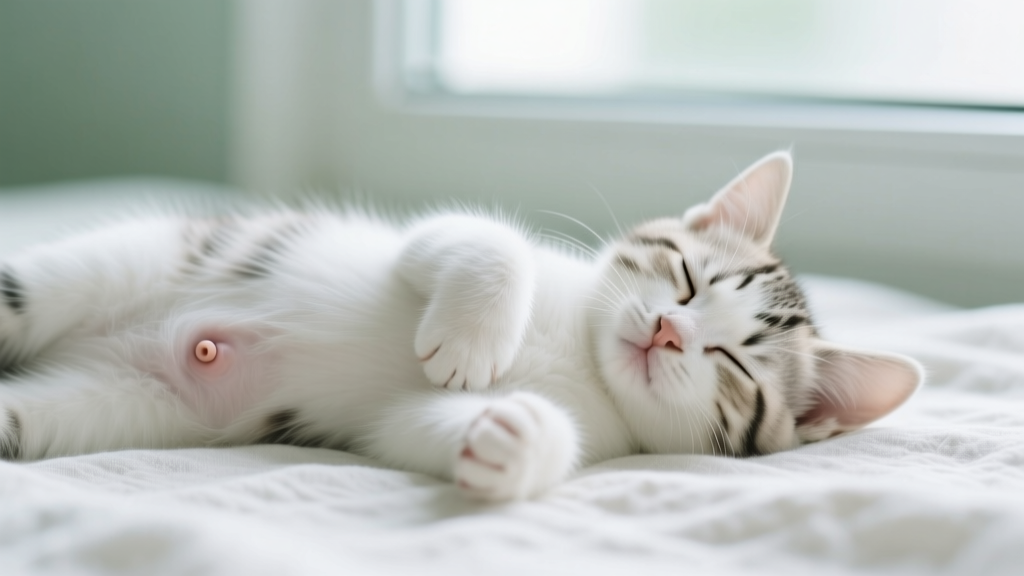
If you’ve noticed a small bump on your kitten’s belly—often right where the umbilical cord used to be—it’s completely understandable to feel worried. Many cat parents first discover an umbilical hernia during a cuddle session or while brushing, and the surprise of a “belly button protrusion” can raise immediate concerns.
The good news is that most umbilical hernias in kittens are manageable, and many are mild. The key is knowing what’s normal, what needs a veterinarian’s attention, and what signs suggest an urgent problem. With early detection and proper veterinary guidance, most kittens go on to live normal, comfortable lives.
2. Overview: What is an umbilical hernia in cats?
An umbilical hernia is a small opening or weak spot in the abdominal wall at the site of the belly button (umbilicus). Normally, after birth, the opening where the umbilical cord passed through closes as the abdominal muscles seal together. If that closure is incomplete, a gap can remain.
Through that opening, tissue can bulge outward, creating a soft lump under the skin. Depending on the size and contents, the bulge may include:
- Fat (most common and often less concerning)
- Omentum (a fatty apron-like tissue inside the abdomen)
- Intestine (less common but more urgent if trapped)
Umbilical hernias range from tiny, barely noticeable bumps to larger protrusions. Many are reducible (the bulge can be gently pushed back in), while others are non-reducible (the contents are stuck), which may increase concern for complications.
3. Symptoms and warning signs to watch for
Many kittens with umbilical hernias act perfectly normal. Often the only sign is a small lump on the belly.
Common signs
- Soft swelling at or near the belly button
- Round or oval bump that may become more noticeable after eating, crying, or playing
- Painless lump—your kitten usually doesn’t react when you touch it
- Reducible bulge (sometimes it decreases when the kitten relaxes or lies on their back)
Warning signs that need prompt veterinary attention
- Sudden increase in size of the bulge
- Firm, hard, or painful swelling
- Redness, bruising, or warmth over the bump
- Vomiting or repeated gagging/retching
- Loss of appetite or acting “off” (lethargy, hiding)
- Constipation or straining to poop
- Crying when picked up or when the belly is touched
These signs can suggest that abdominal contents (like intestine) are trapped, which can reduce blood flow and become an emergency.
4. Causes and risk factors
Umbilical hernias in kittens are most commonly related to how the abdominal wall closes after birth.
Potential causes
- Congenital (present at birth): The abdominal muscles don’t fully close at the umbilical site. This is the most common reason.
- Inherited tendency: Some bloodlines may be more prone. Because of the suspected genetic component, many veterinarians recommend not breeding cats that have had an umbilical hernia.
- Umbilical cord handling: Trauma around the umbilical area may contribute in some cases, but it’s not usually the main cause.
Risk factors
- Very young age: Most are noticed in kittens, especially during early growth.
- Litter history: If littermates have hernias, it raises suspicion of a hereditary factor.
- Large or slowly closing hernia ring: Bigger openings are less likely to close on their own and carry a higher risk of trapping tissue.
5. Diagnosis: What to expect at the vet
If you suspect an umbilical hernia, schedule a veterinary exam. Even when it looks minor, your vet should confirm what it is and whether it’s safe to monitor or needs repair.
Typical veterinary evaluation
- Physical exam and palpation: Your vet will feel the lump to assess size, softness, and whether it’s reducible.
- Measuring the hernia ring: The size of the opening in the abdominal wall helps guide treatment decisions.
- Checking for pain or inflammation: Pain, heat, or discoloration can signal complications.
Additional tests (when needed)
- Ultrasound: Helps identify what’s inside the hernia (fat vs. intestine) and whether anything is trapped.
- X-rays: Sometimes used if intestinal involvement is suspected or if there are vomiting/constipation signs.
- Pre-surgical bloodwork: Often recommended before anesthesia, especially if surgery is planned.
Practical tip for your appointment
Take a clear photo of the bulge and note:
- When you first noticed it
- Whether it changes size during the day
- Any vomiting, appetite changes, or constipation
6. Treatment options (medical, surgical, home care)
Treatment depends on the kitten’s age, the size of the hernia, whether it’s reducible, and what’s inside the bulge. Your veterinarian will guide you to the safest plan.
Monitoring (watchful waiting)
Small umbilical hernias that contain only fat and are easily reducible may be monitored, especially in young kittens. Some small openings can tighten as the kitten grows.
- Veterinary rechecks may be recommended to ensure it’s not enlarging.
- Do not attempt to “tape it down” or apply home bandages—this can irritate skin, restrict blood flow, or mask worsening signs.
Surgical repair
Surgery is commonly recommended when:
- The hernia is moderate to large
- The bulge is non-reducible or intermittently stuck
- There are symptoms (pain, vomiting, lethargy)
- Intestines or other organs may be involved
Many veterinarians coordinate umbilical hernia repair with a kitten’s spay/neuter surgery to reduce overall anesthesia events and streamline recovery—when it’s safe to wait. If there’s any concern about trapping or compromised tissue, surgery may be done sooner.
What the surgery involves
- The kitten is placed under anesthesia.
- The veterinarian returns protruding tissue to the abdomen (if possible and healthy).
- The abdominal wall opening is closed with sutures, sometimes reinforced depending on size.
Home care after surgery
- Restrict activity: Limit jumping and rough play as directed (often 10–14 days).
- E-collar or recovery suit: Prevent licking/chewing at the incision.
- Incision checks twice daily: Look for swelling, discharge, redness, or gaps.
- Give medications exactly as prescribed: Pain control helps healing and reduces stress.
Medical treatment?
There’s no medication that “shrinks” an umbilical hernia. Medical care is supportive—managing pain, nausea, or other symptoms if complications occur. Definitive treatment for a significant hernia is typically surgical repair.
7. Prevention strategies and early detection tips
You can’t always prevent an umbilical hernia, especially if it’s congenital. What you can do is catch it early and prevent complications.
Early detection at home
- Weekly belly checks: During calm cuddle time, gently feel the midline of your kitten’s belly.
- Track size: If you find a bump, measure it (or compare to a coin) and note changes.
- Watch behavior: Appetite, energy, vomiting, and stool quality can provide early clues.
Breeding-related prevention
- If you have a cat with an umbilical hernia history, ask your veterinarian about breeding recommendations.
- Responsible breeders often avoid repeating pairings that produce hernias.
Practical, immediate actions
- Schedule a vet exam if you feel any belly-button lump, even if your kitten seems fine.
- Avoid internet “home fixes” like binding, massaging aggressively, or pushing hard on the bulge.
- Keep your kitten at a healthy body condition as they grow—excess weight can increase abdominal pressure over time.
8. Prognosis and quality of life considerations
The prognosis for most kittens with an umbilical hernia is excellent, especially when evaluated early and repaired when appropriate.
- Small, uncomplicated hernias: Many kittens live comfortably, and some hernias may become less noticeable with growth.
- Surgically repaired hernias: Most kittens recover quickly and have no long-term issues.
- Complicated hernias (trapped intestine): Prognosis is still often good with prompt emergency treatment, but delays can increase risk.
Quality of life is typically normal after recovery. The main goal is preventing rare but serious complications like strangulation (loss of blood supply) of trapped tissue.
9. When to seek emergency veterinary care
Contact an emergency veterinarian immediately if your kitten has an umbilical hernia and any of the following:
- The bulge becomes hard, very swollen, or suddenly larger
- The area is painful or your kitten cries when you touch it
- Vomiting, especially repeated vomiting
- Lethargy, weakness, or collapse
- Refusing food for more than one meal in a young kitten, or any refusal paired with other symptoms
- Red/purple discoloration over the lump or skin that looks bruised
- Straining to poop or no stool with discomfort
If you’re unsure, it’s safer to call your vet or an emergency clinic for guidance. Describe the lump’s size, firmness, and whether your kitten is eating, playful, and comfortable.
10. FAQ: Common questions about kitten belly button protrusions
Can an umbilical hernia in a kitten heal on its own?
Some small hernias may become less noticeable as a kitten grows, especially if the opening in the muscle wall is tiny and only fat is involved. That said, you should still have your veterinarian examine it so you know what you’re dealing with and how often it should be rechecked.
Is an umbilical hernia painful for cats?
Most uncomplicated umbilical hernias are not painful. Pain can be a warning sign that tissue is trapped or irritated. If your kitten reacts when you touch the area, or if the lump feels firm or hot, schedule a vet visit promptly.
Should I try to push the hernia back in?
Don’t attempt to reduce a hernia at home. While veterinarians may gently assess reducibility during an exam, pushing on the bulge incorrectly can cause pain or injury, and it may delay proper care if complications are developing.
Will my kitten need surgery?
Not always. Many veterinarians recommend surgery for moderate-to-large hernias, non-reducible hernias, or any hernia with concerning signs. If surgery is needed, it’s often performed at the same time as spay/neuter when timing is appropriate and the hernia is stable.
Is an umbilical hernia dangerous?
Many are mild and low-risk. The main danger is when intestine or other tissue becomes trapped (incarcerated) and loses blood supply (strangulated). This is uncommon, but it’s why veterinary evaluation and monitoring are so important.
Can my kitten play normally with an umbilical hernia?
If your vet has confirmed the hernia is small and uncomplicated, normal gentle play is usually fine. Avoid rough handling of the belly. If surgery is planned or the hernia is larger, your vet may recommend limiting high-impact jumping or intense play until repair is completed.
If you’ve found a belly button bump on your kitten, a calm plan helps: book a veterinary exam, monitor for changes, and follow professional guidance on timing of repair if needed. For more trustworthy cat health guidance, visit catloversbase.com and explore our growing library of feline wellness resources.