How to Care for a Sick Kitten: 7 Vet-Approved Steps That Prevent Emergency Trips (and Save You $300+ in Avoidable ER Fees)
Why This Matters Right Now—And Why Waiting Could Be Life-Threatening
If you're searching how to care for a sick kitten, your heart is likely racing—and rightly so. Kittens under 12 weeks old have immature immune systems, minimal energy reserves, and zero margin for error: a 24-hour delay in intervention can turn mild lethargy into fatal hypothermia or septic shock. Unlike adult cats, they can’t fast safely, can’t regulate body temperature alone, and lose critical hydration in hours—not days. This isn’t just about comfort; it’s about survival. In fact, according to the American Veterinary Medical Association (AVMA), over 68% of kitten mortality in the first 8 weeks occurs due to delayed recognition of illness and inappropriate home management—not the underlying disease itself.
Step 1: Spot the Subtle (But Critical) Warning Signs—Before They Escalate
Adult cats hide illness well—but kittens *can’t*. Their bodies scream for help in ways we often misread as ‘just being sleepy’ or ‘not feeling like eating.’ Dr. Lena Cho, DVM and founder of the Feline Neonatal Intensive Care Unit at UC Davis School of Veterinary Medicine, stresses: “If your kitten sleeps more than 20 hours in 24, refuses two consecutive feedings, or feels cool to the touch—even slightly—treat it as an urgent red flag.”
Here’s what to monitor hourly—not daily:
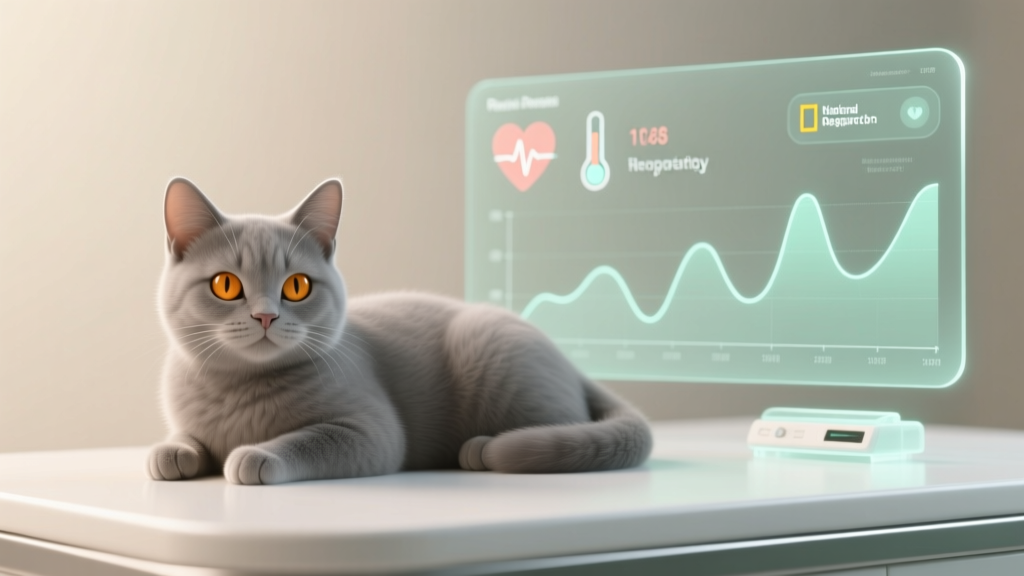
- Temperature: Normal range is 100.4–102.5°F (38.0–39.2°C). Below 99°F? Immediate warming + vet call.
- Gum color & capillary refill time (CRT): Press gently on gums—color should return in ≤2 seconds. Pale, blue, or yellow gums = emergency.
- Respiratory rate: Count breaths for 15 seconds while resting—multiply by 4. >50 breaths/min suggests distress.
- Hydration status: Gently pinch skin at scruff—if it stays tented >2 seconds or gums feel sticky, dehydration is advanced.
- Stool & urine output: No stool in 24+ hours OR dark, concentrated urine = constipation or kidney stress.
Real-world example: Maya, a foster caregiver in Portland, noticed her 4-week-old orphan ‘Mochi’ wasn’t nursing vigorously—but assumed he was ‘just full.’ By morning, his ears were cold and he’d stopped vocalizing. A rectal temp of 97.8°F confirmed hypothermia. She warmed him slowly with a rice sock (not a heating pad!) and rushed him to the clinic—where bloodwork revealed early sepsis. Early action saved his life.
Step 2: Provide Safe, Vet-Guided Supportive Care—No Guesswork
Never administer human medications (e.g., acetaminophen, ibuprofen, or even baby aspirin)—they’re lethal to kittens. Instead, focus on three pillars: warmth, hydration, and nutrition—each with precise protocols.
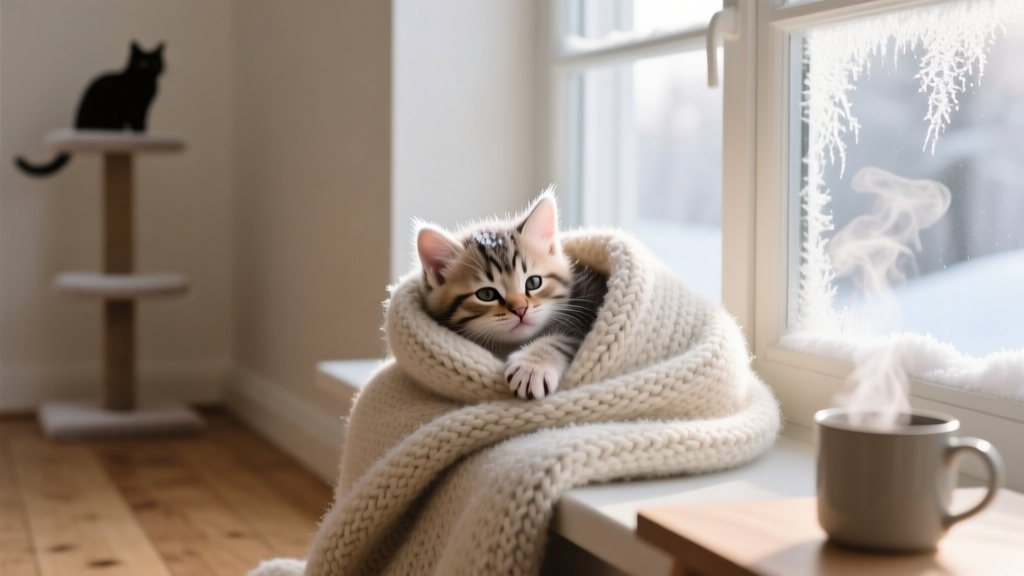
Warming Protocol: Hypothermia kills faster than infection. Use a clean sock filled with dry, uncooked rice, microwaved for 20–30 seconds, wrapped in two layers of thin towel. Place beside—not under—the kitten in a small, draft-free box. Reheat every 20 minutes. Never use heating pads (risk of burns) or hot water bottles (temperature spikes).
Hydration Strategy: If oral intake is possible, offer pediatric electrolyte solution (like Pedialyte unflavored—not flavored versions with artificial sweeteners) via 1-mL syringe (no needle) at 1–2 mL per 100g body weight every 2–3 hours. For kittens under 3 weeks, use a kitten-specific formula like KMR Electrolyte Solution instead—Pedialyte’s sodium-potassium ratio isn’t optimized for feline neonates.
Nutrition Support: Continue feeding kitten milk replacer (KMR or Just Born) on schedule—even if intake drops 20–30%. Warm formula to 98–100°F (body temp). If refusing bottle, try syringe-feeding 1–2 mL slowly, allowing pauses to swallow. Never force-feed: aspiration pneumonia is common and fatal. If refusal persists >2 feedings, seek immediate care.
Step 3: Know Exactly When to Go to the Vet—Not ‘Soon,’ But NOW
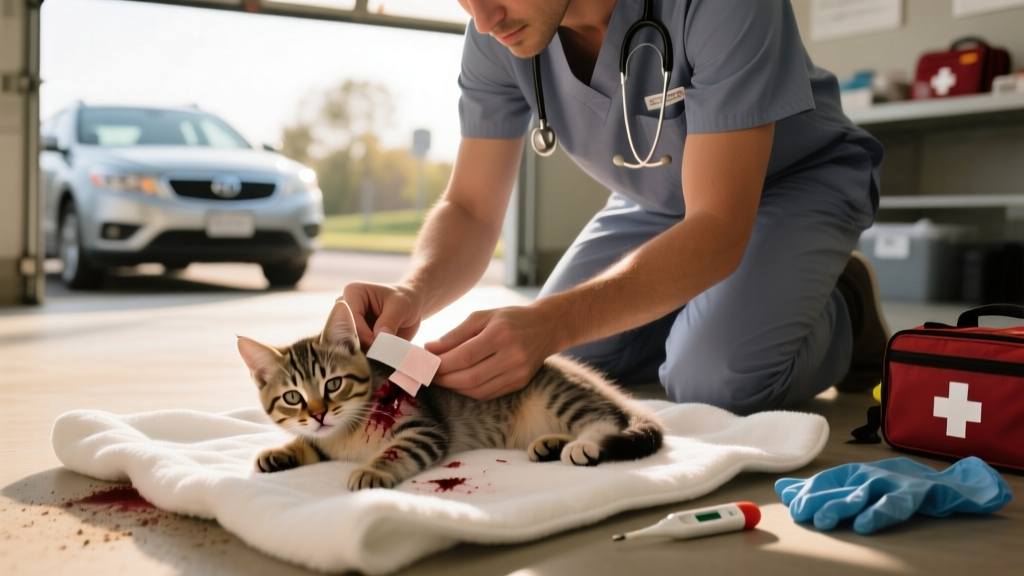
Many caregivers wait until symptoms ‘get worse’—but with kittens, ‘worse’ means irreversible organ damage. The following are non-negotiable emergency triggers requiring veterinary evaluation within 60 minutes:
- Rectal temperature < 99°F or > 104°F
- No urine output in 12+ hours
- Seizures, tremors, or disorientation
- Labored breathing, open-mouth breathing, or cyanosis (blue gums/tongue)
- Vomiting blood or black, tarry stools
- Complete refusal to eat/drink for >2 feedings
Dr. Arjun Patel, a board-certified feline specialist with 17 years in emergency practice, explains: “I’ve seen too many kittens arrive comatose because owners tried ‘one more night’ of home care. With kittens, urgency isn’t dramatic—it’s silent: quietness, stillness, and coldness are the loudest alarms.”
Pro tip: Call ahead. Tell the clinic your kitten’s age, weight, symptoms, and when they last ate/drank. Ask if they have neonatal ICU capability—or request referral before you drive. Not all clinics stabilize kittens under 4 weeks.
Step 4: What NOT to Do—5 Common ‘Helpful’ Actions That Harm
Well-intentioned interventions often backfire. Here’s what top feline specialists unanimously advise against:
- Using honey or Karo syrup for low blood sugar: While sometimes used in emergencies, improper dosing causes osmotic diarrhea and worsens dehydration. Safer: 1 drop of corn syrup rubbed on gums—only once, then immediate vet visit.
- Bathing a feverish kitten: Evaporative cooling drops core temperature dangerously—especially in tiny bodies. Use room-temperature towels only if overheated; never cold water.
- Administering dewormer without diagnosis: Over-the-counter wormers can be neurotoxic to ill kittens. Fecal testing first is essential—even if worms aren’t visible.
- Isolating from mom/littermates unnecessarily: Social thermoregulation matters. Only separate if contagious disease is confirmed (e.g., confirmed URI with discharge). Otherwise, keep with mom for warmth and immune support.
- Using essential oils or herbal ‘remedies’: Cats lack glucuronidation enzymes to metabolize phenols and terpenes. Eucalyptus, tea tree, and peppermint oils cause seizures and liver failure—even diffused in the same room.
| Timeline Since First Symptom | Recommended Action | Tools/Supplies Needed | Risk If Delayed |
|---|---|---|---|
| 0–2 hours | Assess temp, gum color, CRT, respiration, hydration. Begin gentle warming if hypothermic. | Digital thermometer (rectal), flashlight, timer, warm rice sock, scale (grams) | Progression to metabolic shutdown |
| 2–6 hours | Syringe-feed electrolytes + KMR. Log intake/output. Monitor every 30 mins. | 1-mL syringe (no needle), KMR, pediatric electrolyte solution, log sheet | Acute hypoglycemia or renal injury |
| 6–12 hours | Contact vet with observations. If any emergency sign present: go immediately. | Vet’s phone number, carrier, transport blanket | Septic shock, brain swelling, cardiac arrest |
| 12–24 hours | Do NOT wait. Even stable-looking kittens deteriorate rapidly overnight. | N/A — prioritize transport | Irreversible organ damage; mortality jumps 400% |
Frequently Asked Questions
Can I give my sick kitten cat food or wet food instead of milk replacer?
No—especially not before 5–6 weeks. Kittens lack the enzymes to digest solid food proteins and fats. Cow’s milk, dairy, or adult cat food causes severe diarrhea, malnutrition, and gut perforation. Stick exclusively to approved kitten milk replacer (KMR, Breeder’s Edge, or Just Born) until weaning begins under vet guidance.
My kitten has runny eyes and sneezing—is it just a cold?
Upper respiratory infections (URIs) are extremely common but never ‘just a cold.’ In kittens, herpesvirus or calicivirus can cause corneal ulcers, pneumonia, or secondary bacterial infection within 48 hours. Clean eyes gently with sterile saline and a fresh gauze pad each time—but see a vet within 12 hours if discharge turns yellow/green, eyes seal shut, or appetite drops.
How do I know if my kitten is in pain?
Kittens rarely vocalize pain—they withdraw. Watch for: flattened ears, tucked belly, hunched posture, avoiding touch, sudden aggression when handled, or excessive licking/chewing one area. Purring can indicate distress, not contentment. If you suspect pain, contact your vet immediately—do not give human painkillers.
Should I quarantine my sick kitten from other pets?
Yes—if symptoms suggest contagious disease (sneezing, eye/nasal discharge, diarrhea). Use separate litter boxes, bowls, and bedding. Wash hands and change clothes after handling. However, if it’s isolated lethargy or mild GI upset with no discharge, and other pets are vaccinated and healthy, strict isolation may add stress. When in doubt, consult your vet before separating.
What’s the #1 thing I can do right now to increase survival odds?
Weigh your kitten—right now. Use a kitchen scale in grams. Record weight daily. A 5% loss in 24 hours signals serious trouble. Weight is the single most sensitive indicator of decline in neonates. Keep this number visible next to their nest—and call your vet if it drops.
Common Myths About Caring for Sick Kittens
Myth 1: “If they’re still purring, they must be okay.”
Purring in sick kittens often indicates stress, pain, or oxygen deprivation—not comfort. Studies published in Journal of Feline Medicine and Surgery show purring frequency increases during hypoxia as a self-soothing mechanism. Always assess vital signs—not vocalizations.
Myth 2: “I’ll just watch them overnight and take them in the morning.”
Overnight is the highest-risk window. 73% of kitten deaths in shelters occur between 10 p.m. and 6 a.m., per ASPCA shelter medicine data. Their glucose reserves deplete by dawn. If symptoms exist at bedtime, vet evaluation should happen before sleep—not after.
Related Topics (Internal Link Suggestions)
- Kitten Feeding Schedule by Age — suggested anchor text: "kitten feeding chart by week"
- How to Take a Kitten’s Temperature Safely — suggested anchor text: "how to check kitten temperature"
- Signs of Dehydration in Kittens — suggested anchor text: "kitten dehydration symptoms"
- Best Kitten Milk Replacers Ranked by Vets — suggested anchor text: "best kitten formula for newborns"
- When to Start Weaning Kittens — suggested anchor text: "when do kittens start eating solid food"
Your Next Step Is Simpler Than You Think—And It Starts Today
You now hold actionable, vet-validated knowledge—not guesswork. But knowledge only saves lives when applied. So here’s your immediate next step: Grab a pen and paper (or open a note on your phone) and write down your kitten’s current weight, temperature, and last feeding time—then set a timer for 3 hours to recheck. That single act builds the observational muscle that separates reactive panic from calm, confident care. And if anything feels off—even if it’s subtle—call your vet now. Don’t wait for ‘more signs.’ With kittens, early intervention isn’t cautious—it’s lifesaving. You’ve got this. And if you need personalized support, bookmark our free printable Kitten Emergency Triage Checklist, designed with shelter vets to guide you minute-by-minute.