Feline Cerebellar Hypoplasia: Wobbly Kitten Syndrome
1. Why this topic matters to cat owners
Bringing home a kitten (or adopting an adult cat) is usually filled with excitement, but it can also come with surprises—like a kitten who seems unsteady, wobbly, or clumsy. One common cause of this “wobbly kitten” look is feline cerebellar hypoplasia (CH). The good news: CH is not painful, it is not progressive (it doesn’t keep getting worse over time), and many cats with CH live long, happy lives with a few home adjustments.
Understanding CH helps you:
- Know what signs to watch for and when to call your veterinarian
- Set up your home to prevent falls and injuries
- Support your cat’s mobility, confidence, and quality of life
- Avoid unnecessary fear—many “wobbly” cats simply need thoughtful care, not drastic intervention
2. Overview: What is feline cerebellar hypoplasia?
Cerebellar hypoplasia means the cerebellum (a part of the brain that coordinates balance, posture, and smooth movement) is smaller than normal or underdeveloped. Think of the cerebellum as your cat’s “movement fine-tuner.” When it’s underdeveloped, the cat still wants to move and play, but their body has a harder time making those movements steady and precise.
CH most often shows up when kittens start walking. It may look dramatic at first, but CH is typically a stable condition. As the kitten grows, they often learn how to compensate, and owners learn what setups help them thrive.
Key points cat owners should know:
- CH is not contagious from cat to cat through casual contact.
- CH is not degenerative; symptoms don’t steadily worsen due to CH itself.
- CH is not painful, though injuries can happen if the home isn’t adapted.
- Severity ranges from mild (slight wobble) to severe (difficulty standing or walking without support).
3. Symptoms and warning signs to watch for
Signs of CH are related to coordination rather than strength. Many cats with CH are bright, alert, social, and eager to eat and play—they’re just unsteady.
Common signs of cerebellar hypoplasia
- Wobbly gait (ataxia): swaying or staggering when walking
- Wide-based stance: standing with feet wider apart to balance
- Tremors, especially when focusing on a task (called “intention tremors”), like reaching for food or a toy
- Overshooting movements: lifting paws too high or stepping farther than intended (hypermetria)
- Difficulty jumping accurately; misjudging distances
- Frequent falls or rolling when trying to turn quickly
- Head bobbing in some cats, especially when concentrating
Signs that suggest something other than CH (call your veterinarian)
CH is present from kittenhood and does not suddenly appear in a healthy adult cat. Contact your vet promptly if you notice:
- Sudden onset of wobbliness or weakness
- Progressively worsening coordination over days to weeks
- Seizures
- Marked lethargy, fever, or refusing food
- Head tilt, rapid eye movements, or severe spinning (vestibular signs)
- Pain (crying out, hiding, sensitivity to touch)
Those signs can indicate infections, toxin exposure, ear disease, trauma, metabolic illness, or other neurologic conditions that need treatment.
4. Causes and risk factors
CH occurs when the cerebellum doesn’t develop normally while the kitten is still in the womb or shortly after birth.
Most common cause: feline panleukopenia virus exposure
The most frequent cause is exposure of a pregnant cat to feline panleukopenia virus (FPV) (also known as feline distemper). If a mother cat becomes infected during pregnancy, the virus can disrupt the developing nervous system of the kittens, leading to CH.
Other possible causes
- Maternal illness or poor nutrition during pregnancy (less common)
- Toxin exposure affecting fetal development (varies by situation)
- Genetic/developmental factors (rare; more likely when multiple kittens in a litter are affected without FPV exposure)
Risk factors
- Unvaccinated or under-vaccinated mother cats
- Pregnant cats living in high-risk environments (shelters, colonies, multi-cat homes with unknown vaccine history)
- Kittens born to stray or feral queens without veterinary care
5. Diagnosis: methods and what to expect at the vet
Many cats with CH are diagnosed based on history and physical/neurologic exam. Your veterinarian’s main goal is to confirm CH and rule out conditions that can look similar.
What your veterinarian will likely do
- History questions: When did signs begin? Were they present when the kitten started walking? Any trauma? Any illness in the mother or littermates?
- Physical exam: Checking overall health, hydration, body condition, heart/lungs, and any injuries from falling
- Neurologic exam: Observing gait, balance reactions, coordination, and reflexes
Possible tests (case-by-case)
- Fecal testing and parasite screening (especially in rescue kittens)
- Bloodwork to check for metabolic issues or infection if the signs are atypical
- Ear exam (otoscopy) if vestibular disease is suspected
- Imaging:
- MRI is the best way to visualize the cerebellum and confirm underdevelopment, but it’s often not required if the presentation is classic.
- CT can help in some cases but is less detailed for brain tissue than MRI.
If your cat is a young kitten with coordination issues from the start, is otherwise bright and stable, and has a classic exam, many veterinarians will diagnose CH clinically and focus on supportive care rather than expensive testing.
6. Treatment options: medical, surgical, and home care
There is no medication or surgery that “fixes” cerebellar hypoplasia because it’s a developmental difference in the brain. Treatment focuses on safety, comfort, and helping your cat function confidently.
Medical care
- No specific cure for CH
- Treat secondary issues if present:
- Injuries from falls (sprains, cuts)
- Parasites, dehydration, or malnutrition in rescue kittens
- Dental disease or arthritis later in life (not caused by CH, but can affect mobility)
- Physical rehabilitation guidance: Some vets and rehab professionals can suggest strengthening and coordination exercises tailored to your cat’s ability.
Surgical care
Surgery is not a treatment for CH. Surgery may be relevant only if your veterinarian finds an unrelated problem (for example, a fracture from a fall).
Home care: practical changes you can start today
Home setup makes the biggest difference. Aim to reduce falling risk while keeping life enriching.
- Flooring and traction:
- Add rugs, runners, or yoga mats on slippery surfaces.
- Use non-slip pads under rugs.
- Litter box access:
- Choose a low-entry litter box or cut a low doorway in a storage-bin style box.
- Use a larger box for stability and balance.
- Place a washable mat around the box to catch “wobbly” misses.
- Food and water setup:
- Use wide, heavy bowls that don’t slide.
- Consider shallow dishes to reduce face bumping.
- Try a non-slip feeding mat.
- Safe climbing and enrichment:
- Provide pet steps or ramps to couches and beds.
- Choose cat trees with wider platforms and lower height.
- Block off high ledges if your cat tends to launch and fall.
- Nail care:
- Keep nails trimmed to improve traction and reduce snagging.
- Gentle play:
- Wand toys and floor-level games help build confidence.
- Short, positive sessions prevent frustration and fatigue.
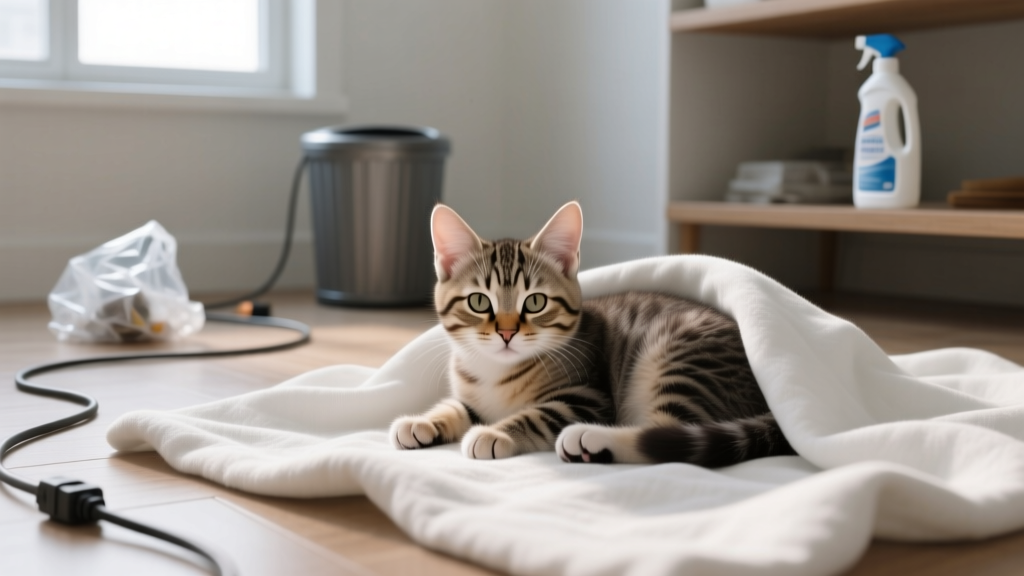
- Household safety:
- Use baby gates to block stairs if needed.
- Close toilet lids and avoid deep, slippery tubs without supervision.
Tip: Film a short video of your cat walking and trying to eat or play. It can help your veterinarian assess severity and track changes over time.
7. Prevention strategies and early detection tips
Most prevention centers on protecting pregnant cats and young kittens from panleukopenia virus.
Prevention
- Vaccination:
- Keep cats up to date on core vaccines, including FPV (your veterinarian will set the schedule).
- Talk to your vet before vaccinating a pregnant cat—timing matters.
- Pregnancy planning:
- Spay cats to prevent unplanned litters and reduce risk of FPV exposure during pregnancy.
- For breeders or foster situations, consult a veterinarian about vaccine timing and biosecurity.
- Hygiene and isolation:
- Panleukopenia can persist in the environment. Shelters and multi-cat homes should follow strict cleaning protocols recommended by a veterinarian.
- Quarantine new or sick cats as advised by your vet.
Early detection
- Watch kittens closely when they begin walking (around 3–5 weeks): persistent wobbliness may warrant an exam.
- If adopting, ask the rescue about the kitten’s gait, litter box habits, and any known neurologic concerns.
- Schedule a new-kitten or new-cat veterinary visit early, even if the cat seems fine.
8. Prognosis and quality of life considerations
Most cats with cerebellar hypoplasia have a good to excellent prognosis for a happy life. CH itself doesn’t shorten lifespan. Quality of life depends mainly on:
- Severity of coordination issues
- Home environment safety (reducing falls and preventing injuries)
- Owner support (routine, accessible resources, and patience)
- Other health conditions unrelated to CH
What “thriving” can look like
- A mildly affected cat may run, climb, and play with only a slight wobble.
- A moderately affected cat may do best with ramps, low furniture, and wide platforms.
- A severely affected cat may need a carefully padded environment, help reaching favorite spots, and close monitoring for skin sores or stress—yet can still enjoy affection, toys, and a strong bond with their family.
If your cat struggles to eat or use the litter box due to severe CH, a veterinarian can help you problem-solve with adaptive options and ensure your cat remains comfortable and well-nourished.
9. When to seek emergency veterinary care
CH is usually stable. Emergencies come from sudden changes or injuries. Seek urgent veterinary care if your cat has:
- Sudden worsening of coordination, collapse, or inability to stand
- Seizures or loss of consciousness
- Head trauma (fall from height, hit by car) or bleeding
- Breathing difficulty or blue/pale gums
- Repeated vomiting, severe lethargy, or refusal to eat/drink
- Signs of pain: yowling, hiding, aggression when touched
- Suspected toxin exposure (human medications, lilies, chemicals)
If you’re unsure whether a change is “just CH,” it’s always appropriate to call your veterinarian or an emergency clinic for guidance.
10. FAQ: Common questions about wobbly kitten syndrome
Is cerebellar hypoplasia contagious?
No. CH itself is not contagious. However, the virus that commonly causes it (panleukopenia) is contagious. A cat with CH is not “spreading CH” by existing near other cats, but shelters and multi-cat homes should still follow veterinary guidance on vaccination and sanitation.
Will my cat’s wobbliness get worse over time?
CH is typically non-progressive. Many kittens actually appear to improve as they grow because they develop muscle strength and learn how to compensate. If your cat’s symptoms are getting worse, schedule a veterinary visit to look for another cause (infection, injury, toxins, ear disease, etc.).
Does cerebellar hypoplasia hurt?
CH is not painful. Cats may become sore if they fall or overexert themselves, so injury prevention and home modifications matter. If your cat seems painful, that’s not something to brush off—have your veterinarian evaluate them.
Can a cat with CH use a litter box normally?
Many can, especially with the right setup. Helpful adjustments include a low-entry, large litter box, non-slip flooring nearby, and a calm location. If your cat is missing the box, your veterinarian can help rule out urinary or GI issues and suggest accessibility solutions.
Should cats with CH be kept indoors?
Yes, indoor life is strongly recommended. An unsteady cat faces higher risks outdoors (cars, predators, falls, getting trapped). Indoor enrichment—ramps, sturdy cat trees, puzzle feeders, and interactive play—can keep them happy and mentally engaged.
Can CH be mistaken for something else?
Yes. Inner ear disease, toxins, infections, head trauma, metabolic disorders, and other neurologic problems can cause wobbliness. A veterinary exam is the best way to confirm CH and ensure your cat doesn’t need treatment for a different condition.
If your cat seems wobbly, clumsy, or unsteady, a veterinary checkup is the safest next step. With a clear diagnosis and a supportive home setup, many cats with cerebellar hypoplasia do wonderfully—often surprising their families with how playful, determined, and affectionate they can be.
For more cat health guides, wellness tips, and practical care resources, visit catloversbase.com.