Feline Toxocara: Roundworm Visceral Larva Migrans
1. Introduction: Why This Matters to Cat Owners
Roundworms are one of the most common intestinal parasites seen in cats, especially kittens. Many owners think of roundworms as a “gut problem” that causes a potbelly or diarrhea—and that’s often true. What’s less commonly discussed is what can happen when roundworm larvae migrate through the body instead of staying in the intestines. This is called visceral larva migrans (VLM).
Understanding feline Toxocara (the roundworm genus most associated with cats and dogs) helps you protect your cat’s health and also helps protect your household. Some roundworms can pose a zoonotic risk (they can infect people), so smart prevention is about keeping everyone safer—without panic, and with practical steps you can start today.
2. Overview: What Is Toxocara and What Does “Visceral Larva Migrans” Mean?
Toxocara are large roundworms. In cats, the most relevant species is Toxocara cati. Adult worms live in the small intestine, where they feed and produce eggs that are passed in the feces.
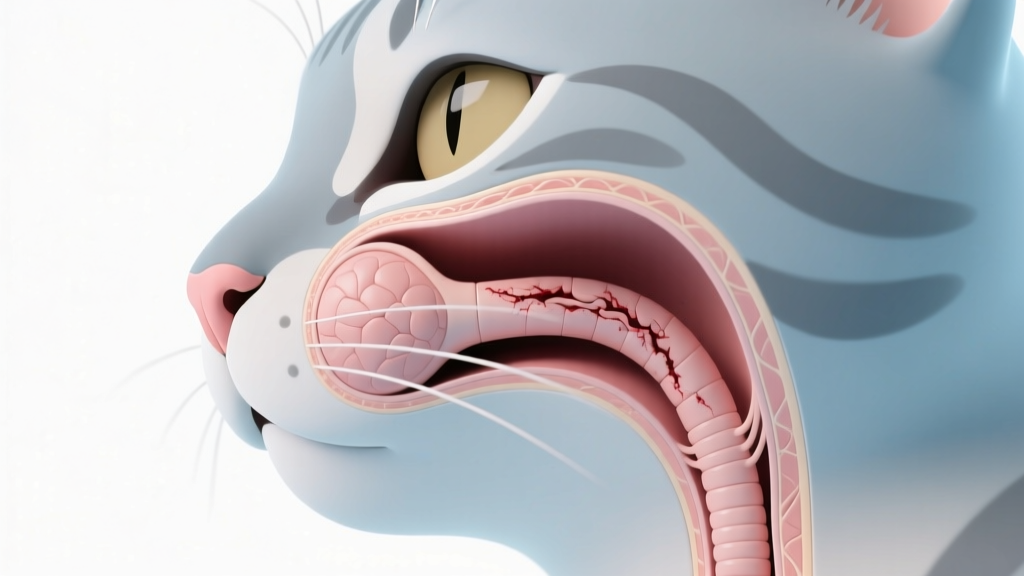
Visceral larva migrans (VLM) refers to the larval stage moving through tissues outside the intestines. Instead of maturing into adult worms in the gut, larvae can travel through organs via the bloodstream. In cats, larval migration is part of the parasite’s normal life cycle at certain stages (for example, after ingestion), but it can contribute to illness depending on:
- The number of larvae involved
- The cat’s age and immune status
- Where the larvae travel (liver, lungs, and other tissues)
- Whether there’s concurrent disease (like respiratory infections or poor nutrition)
It can help to think of toxocariasis as a spectrum:
- Intestinal toxocariasis: adult worms in the gut (common)
- Larval migration effects: transient cough, inflammation, poor growth (more common in kittens)
- Visceral larva migrans disease: organ inflammation due to migrating larvae (less common, but important)
3. Symptoms and Warning Signs to Watch For
Many cats with roundworms have mild signs or none at all. Kittens are more likely to show symptoms because parasites take a bigger toll on small bodies.
Common signs of roundworms (intestinal involvement)
- Potbellied appearance, especially in kittens
- Diarrhea or soft stool
- Vomiting (sometimes with visible worms that look like spaghetti)
- Weight loss or failure to gain weight normally
- Dull coat, poor body condition
- Increased appetite (or sometimes decreased appetite)
Signs that may suggest larval migration / VLM-type effects
- Coughing, wheezing, or increased respiratory effort
- Nasal discharge or “chesty” breathing that doesn’t fit a typical cold
- Lethargy, low energy, reduced playfulness
- Fever (not something you can reliably confirm at home, but you may notice warmth and malaise)
- Slow growth in kittens
- Intermittent digestive upset that comes and goes
What you might actually see
- Worms in vomit or stool: cream-colored, several inches long
- Rice-like segments: that’s more typical of tapeworms, not roundworms (still worth a vet visit)
- “Nothing obvious”: many infections are discovered on routine fecal testing
If you see worms, save a photo (or bring a fresh sample if your clinic requests it). Try not to handle worms or stool without gloves and handwashing, since roundworm eggs can pose a risk to humans once they’ve had time to mature in the environment.
4. Causes and Risk Factors
Cats pick up Toxocara cati in a few main ways:
- Ingesting infective eggs from contaminated soil, litter boxes, or surfaces
- Eating prey (rodents, birds, insects) that carry larvae in their tissues
- Nursing kittens: kittens can become infected via the mother’s milk in many cases
Cats at higher risk
- Kittens (immature immune systems; exposure through nursing)
- Outdoor cats and indoor/outdoor cats (hunting and soil exposure)
- Multi-cat households with shared litter boxes
- Cats with flea problems (not a direct roundworm cause, but often indicates broader parasite risk and limited preventive care)
- Recently adopted cats with unknown deworming history
- Immunocompromised cats (FIV/FeLV, chronic illness, or on immune-suppressing medications)
Household and public health considerations
Roundworm eggs are passed in feces and can become infective after time in the environment. People can be exposed by accidental ingestion of contaminated soil or debris. This is one reason prompt litter box hygiene and veterinary-recommended deworming schedules are so valuable.
5. Diagnosis: Methods and What to Expect at the Vet
Your veterinarian will tailor diagnostics to your cat’s age, symptoms, lifestyle, and risk factors. If you’re coming in for possible roundworms or VLM-type signs, here’s what may happen:
History and physical exam
- Questions about vomiting/diarrhea, appetite, weight changes
- Outdoor access, hunting behavior, and other pets in the home
- Deworming and prevention history
- Checking hydration, body condition, lungs, and abdomen
Fecal testing
- Fecal flotation to look for eggs under the microscope
- Fecal antigen testing in some clinics (can improve detection in certain situations)
One negative fecal test does not always rule out parasites. Eggs may not be shed consistently, and very early infections can be missed. Your vet may recommend repeat testing or empirical deworming based on risk.
Additional tests (if systemic signs are present)
- Bloodwork to assess inflammation, anemia, organ function, and overall health
- Thoracic radiographs (chest X-rays) if coughing or respiratory signs are prominent
- Abdominal imaging (X-ray or ultrasound) if there’s severe vomiting, pain, or concern for obstruction
Visceral larva migrans can be challenging to “prove” definitively in a living cat, and many cases are approached by combining risk assessment, symptoms, and response to treatment.
6. Treatment Options (Medical, Surgical, Home Care)
Treatment is usually straightforward, and most cats respond very well with proper deworming and supportive care.
Medical treatment (deworming)
Your veterinarian will choose an appropriate dewormer and schedule based on your cat’s age and health. Common anti-parasitic medications used for roundworms include (examples vary by region and patient factors):
- Pyrantel pamoate
- Fenbendazole
- Milbemycin oxime (often in monthly preventives)
- Emodepside (topical option in some products)
Because dewormers mainly target worms in the intestines, vets often prescribe repeat doses to catch parasites as they mature and return to the gut. Kittens commonly need a series of treatments.
Supportive care
- Fluids (subcutaneous or IV) if dehydrated from vomiting/diarrhea
- Anti-nausea medication for significant vomiting
- Nutritional support and a highly digestible diet if the GI tract is irritated
- Probiotics if your vet recommends them (helpful for some cats during GI recovery)
Surgical or emergency interventions (uncommon, but possible)
In heavy infections—especially in small kittens—worms can contribute to intestinal blockage. Surgery is not common, but your veterinarian may discuss emergency stabilization and potential procedures if there are signs of obstruction.
Home care you can do immediately
- Follow the medication schedule exactly and finish the full course
- Clean the litter box daily and dispose of waste promptly
- Wash hands after litter box duty and avoid touching your face during cleanup
- Prevent hunting where possible (keep cats indoors or supervised)
- Schedule rechecks and repeat fecal tests if your vet advises
7. Prevention Strategies and Early Detection Tips
Prevention is where cat owners can make the biggest difference—often with simple routines.
Practical prevention checklist
- Use a veterinarian-recommended monthly parasite preventive that covers roundworms (especially for kittens and outdoor cats)
- Routine fecal exams:
- Kittens: more frequent checks during the first year as advised by your vet
- Adult cats: at least annually, or more often if outdoor exposure
- Daily litter box scooping to reduce environmental contamination
- Keep cats indoors (or limit hunting with a secure enclosure/catio)
- Quarantine new cats and do a fecal test and deworming plan before introducing them to other pets
Early detection tips
- Track your cat’s weight monthly (a baby scale works well for kittens)
- Notice subtle appetite changes or recurring soft stool
- Ask your vet about a kitten deworming schedule even if stools look normal
If you’re unsure whether your cat’s preventive covers roundworms, bring the product name to your vet. Not all preventives cover the same parasites.
8. Prognosis and Quality of Life Considerations
The prognosis for uncomplicated roundworm infection is typically excellent with appropriate veterinary treatment. Most cats feel better quickly once parasites are cleared and the gut has time to recover.
For cats with VLM-type signs (like coughing and systemic inflammation), prognosis is still often good, but it depends on:
- How heavy the parasite burden is
- How young or medically fragile the cat is
- Whether complications arise (dehydration, malnutrition, secondary infections)
Quality of life usually improves significantly after deworming, supportive care, and prevention going forward. Kittens that were behind on growth often “catch up” once parasites are controlled and nutrition is optimized.
9. When to Seek Emergency Veterinary Care
Roundworms are common and usually manageable, but certain signs warrant urgent care—especially for kittens.
Go to an emergency vet or urgent clinic if you notice:
- Repeated vomiting or inability to keep water down
- Severe lethargy, weakness, or collapse
- Bloated, painful abdomen (especially if your cat cries when picked up)
- Difficulty breathing, open-mouth breathing, or blue/pale gums
- No appetite for more than 24 hours (or much sooner in young kittens)
- Signs of dehydration (sticky gums, sunken eyes, very low energy)
- Suspicion of intestinal blockage (straining, no stool, vomiting, painful belly)
If your cat is a very young kitten, treat worsening diarrhea or vomiting as time-sensitive—kittens can become dehydrated quickly.
10. FAQ: Common Questions Cat Owners Ask
Can I catch Toxocara from my cat?
People can be exposed to roundworm eggs from contaminated environments (like soil or litter). Good litter box hygiene, handwashing, and keeping cats on prevention greatly reduce risk. If you have concerns—especially with young children in the home—ask your veterinarian and your physician for guidance.
My cat is indoor-only. Do they still need deworming?
Many indoor-only cats have lower risk, but not zero risk. Eggs can be tracked in on shoes, and some cats may have been exposed before adoption. Most vets recommend routine fecal testing and may recommend parasite prevention depending on your cat’s history and household needs.
What do roundworms look like in cat vomit or poop?
They often look like pale, spaghetti-like strands. If you see this, contact your veterinarian for safe, effective treatment. Avoid handling the worms directly, and wash hands thoroughly after cleaning.
Will one dose of dewormer fix it?
Often, more than one dose is needed. Dewormers typically target intestinal stages, and repeat dosing helps eliminate worms as they mature. Follow your vet’s schedule closely and ask whether a recheck fecal test is recommended.
Can roundworms cause coughing in cats?
They can. During part of their life cycle, larvae can migrate through the lungs, which may trigger coughing or respiratory signs—especially in kittens. Coughing can also be caused by asthma, infections, heart disease, and other issues, so a veterinary exam is the safest way to sort it out.
Should I treat all pets in the household?
Your veterinarian may recommend treating other pets, especially if they share environments or if there are multiple cats using the same litter area. Dogs can also carry related roundworms, so coordinated prevention plans are helpful.
If you suspect your cat has roundworms or any signs consistent with visceral larva migrans, schedule a veterinary visit. With timely care and a solid prevention routine, most cats recover well and stay healthy long-term.
For more caring, vet-informed cat health guidance, visit catloversbase.com and explore our growing library of resources to help your cat thrive.