Cat Perineal Hernia: Pelvic Floor Weakness Repair
1. Why This Topic Matters to Cat Owners
A perineal hernia can look like a strange swelling near your cat’s back end, but it’s more than a cosmetic issue. It happens when the muscles that normally support the pelvic organs weaken, allowing tissue (like fat, intestines, or the bladder) to bulge into the area beside the anus. While perineal hernias are less common in cats than in dogs, they can still occur and may become serious if organs become trapped or if your cat can’t pass stool or urine.
For cat owners, the value of understanding perineal hernias is early recognition. Cats are experts at hiding discomfort. Noticing subtle changes—like straining in the litter box or a new “lump” under the tail—can help you get veterinary care before complications develop.
2. Overview: What Is a Perineal Hernia in Cats?
The perineum is the region around the anus and external genital area. Your cat’s pelvic floor is made of muscles and connective tissues that act like a supportive sling, holding the rectum and other pelvic organs in place.
A perineal hernia occurs when there’s a defect or weakening in this pelvic “sling.” Instead of the pelvic organs staying in their normal position, they can shift and push outward, forming a bulge under the skin near the anus. This bulge may appear on one side or both sides.
Perineal hernias are often discussed as a “repair” problem because the most definitive treatment usually involves surgery to reconstruct and strengthen the pelvic floor. However, supportive medical care and home care are also important—especially if constipation, straining, or other underlying issues are involved.
3. Symptoms and Warning Signs to Watch For
Signs can range from subtle to obvious. Some cats show discomfort only when using the litter box.
- Swelling or lump near the anus (often to one side)
- Straining to defecate (tenesmus) or repeated litter box trips with little output
- Constipation or passing thin/flattened stools
- Pain or sensitivity around the rear end
- Changes in tail carriage or reluctance to sit
- Licking at the perineal area
- Difficulty urinating or vocalizing in the litter box (more urgent)
- Decreased appetite, hiding, irritability (general signs of discomfort)
What you can do today: If you notice straining, keep a simple log for your vet: when your cat tries to poop/pee, whether anything comes out, stool consistency, and any changes in appetite or behavior.
4. Causes and Risk Factors
Perineal hernias happen when pelvic floor support weakens. In cats, contributing factors may include:
- Chronic straining due to constipation, diarrhea, or urinary issues
- Megacolon (a chronically enlarged colon that leads to severe constipation)
- Perineal muscle weakness from aging or reduced muscle tone
- Hormonal influences (perineal hernias are more common in intact male dogs; in cats, the pattern is less clear, but hormonal and anatomical factors may still play a role)
- Trauma to the pelvic region
- Neurologic issues affecting muscle control
- Obesity (increases physical strain and can worsen constipation)
Many cases involve more than one factor. For example, a cat with chronic constipation strains repeatedly, which further weakens pelvic muscles, creating a cycle.
5. Diagnosis: What to Expect at the Vet
If you suspect a perineal hernia, a veterinary exam is the safest next step. Your vet will confirm what the swelling is and whether any organs are displaced.
Common diagnostic steps include:
- Physical exam: Your vet will check the perineal region and overall hydration, body condition, and comfort.
- Rectal exam: This may be done gently and sometimes with sedation if your cat is painful or stressed. It helps assess pelvic muscle integrity and rectal position.
- Abdominal palpation: Feeling the abdomen to assess stool burden, bladder size, and discomfort.
- X-rays (radiographs): Useful to see constipation severity, pelvic anatomy, and possible organ displacement.
- Ultrasound: Helps evaluate soft tissues and confirm whether the bladder or intestines are involved in the hernia.
- Bloodwork/urinalysis: Often recommended before anesthesia and to check hydration, kidney function, and overall health.
Practical tip: If possible, bring a photo of the swelling (and when it changes size) and a fresh stool/urine timeline. This helps your vet understand what’s happening at home.
6. Treatment Options (Medical, Surgical, Home Care)
Medical and Supportive Treatment
Medical management can help stabilize your cat, reduce straining, and address contributing problems. It may be used:
- Before surgery to make anesthesia safer
- When surgery must be delayed
- As supportive care after surgery
- In select mild cases, when organs are not trapped and symptoms are manageable (your vet will guide this decision)
Veterinary-guided medical care may include:
- Stool softeners/laxatives to reduce straining (only with veterinary dosing)
- Enemas performed by the veterinary team when needed (some enemas used in people can be dangerous for cats, so don’t do this at home unless your vet instructs you)
- Hydration support (subcutaneous or IV fluids for constipated or dehydrated cats)
- Pain relief (safe feline-specific options prescribed by your veterinarian)
- Treatment of underlying causes such as megacolon, urinary tract disease, or diarrhea
Surgical Repair (Pelvic Floor Weakness Repair)
Surgery is often the definitive treatment when there is a true perineal hernia with significant pelvic muscle weakness. The goal is to return displaced tissues to their proper location and reconstruct the pelvic diaphragm so it can support the organs again.
What surgery may involve:
- Hernia reduction: Putting displaced tissues back where they belong.
- Rebuilding the pelvic floor: Using nearby muscles and strong sutures to close the defect; in certain cases, a surgical mesh or specialized techniques may be considered.
- Addressing complications: If the bladder or intestines are trapped, your vet will prioritize restoring normal function and blood flow.
- Neutering: If your cat is intact, your vet may discuss neutering (depending on the individual case) to reduce hormone-driven influences and related behaviors such as roaming or fighting that can contribute to injury or stress.
Your veterinarian will explain the approach best suited to your cat’s anatomy, overall health, and the hernia’s contents.
Home Care and Recovery Support
Home care is a big part of comfort and long-term success, especially because reducing straining protects the repair.
- Follow medication instructions closely: Pain control and stool management help prevent setbacks.
- Use an e-collar or recovery suit if recommended to prevent licking and incision irritation.
- Keep activity controlled: Short, calm confinement is often needed during healing. Your vet will provide a timeline.
- Optimize litter box setup:
- Low-entry box for easier access
- Unscented litter (less irritation)
- Quiet location to reduce stress
- Diet adjustments: Many cats benefit from a veterinary-recommended high-moisture diet to keep stools soft and easier to pass.
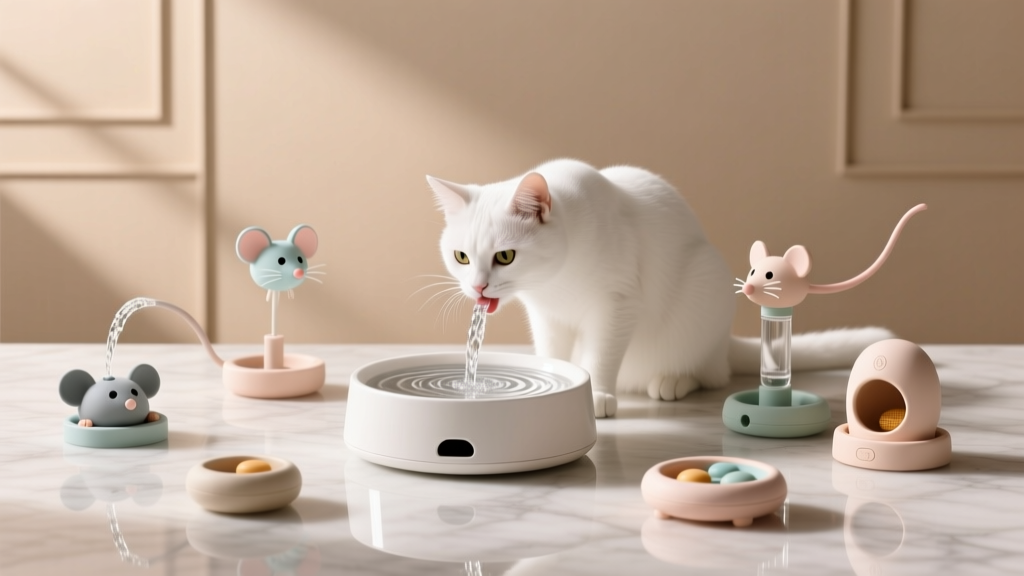
- Hydration boosters:
- Offer wet food
- Provide multiple water stations
- Consider a cat water fountain
Do not give human laxatives or pain medications unless your veterinarian specifically prescribes them. Some are toxic to cats.
7. Prevention Strategies and Early Detection Tips
You can’t prevent every perineal hernia, but you can lower risk by minimizing chronic straining and keeping your cat’s pelvic and digestive health supported.
- Prevent constipation:
- Prioritize hydration with wet food
- Ask your vet if a fiber supplement or prescription GI diet is appropriate
- Maintain a healthy weight
- Support litter box success:
- Keep boxes clean
- Provide enough boxes (often “one per cat, plus one”)
- Reduce stressors that cause cats to hold stool/urine
- Schedule routine veterinary visits: Especially for senior cats or cats with a history of constipation or urinary issues.
- Check the perineal area during grooming or petting: A quick visual for swelling, redness, or asymmetry can catch changes early.
Early detection tip: If your cat strains in the litter box more than once or twice in a day, or you see repeated attempts with little output, schedule a veterinary visit promptly. Waiting often makes constipation and swelling harder to manage.
8. Prognosis and Quality of Life Considerations
With timely diagnosis and appropriate treatment, many cats can do very well. Prognosis depends on:
- What’s inside the hernia (fat versus bladder/intestines)
- Whether organs are trapped and blood flow is compromised
- Underlying causes (such as megacolon)
- Overall health, age, and ability to tolerate anesthesia
Quality of life after repair is often good when constipation is managed and straining is minimized. Some cats may need ongoing stool-softening strategies or a long-term diet plan to prevent recurrence or protect the repair.
Your vet may schedule rechecks to monitor healing, bowel habits, and any return of swelling. If a cat has chronic constipation or megacolon, managing that condition is just as important as the hernia repair itself.
9. When to Seek Emergency Veterinary Care
Some signs suggest an urgent complication, such as bladder involvement, intestinal obstruction, or severe pain. Seek emergency care (ER or urgent vet visit) if your cat has:
- Repeated straining with no urine produced (possible urinary obstruction or bladder displacement)
- Crying out, extreme pain, collapse, or profound lethargy
- Vomiting plus constipation/straining
- A rapidly enlarging, firm, or very painful swelling near the anus
- Bleeding from the rectum or severe diarrhea with weakness
- Signs of dehydration (sunken eyes, tacky gums) or refusal to eat for 24 hours
If you are unsure whether it’s an emergency, call a veterinary clinic for triage advice. It’s always safer to ask early.
10. FAQ: Common Questions About Cat Perineal Hernias
Can a perineal hernia in cats heal on its own?
True hernias caused by pelvic floor weakness usually do not “heal” without intervention. Supportive care can reduce straining and discomfort, but the underlying muscle defect often remains. Your veterinarian can tell you whether medical management is reasonable or whether surgical repair is recommended.
Is a perineal hernia the same as constipation?
No. Constipation is difficulty passing stool, while a perineal hernia is a structural weakness allowing tissues to bulge near the anus. They can be related because chronic constipation and straining may contribute to hernia formation, and a hernia can make pooping harder.
How serious is a perineal hernia?
Some cases are mild and stable, while others can become urgent—especially if the bladder or intestines are trapped. The safest approach is prompt veterinary evaluation so you know what structures are involved and what treatment is needed.
What does surgery recovery look like?
Recovery typically involves restricted activity, incision monitoring, pain control, and careful stool management to prevent straining. Many cats need temporary stool softeners and a moist diet plan. Your vet will provide a personalized timeline and recheck schedule.
Can a perineal hernia come back after repair?
Recurrence is possible, particularly if the original risk factors (like chronic constipation or straining) aren’t controlled. Following your vet’s long-term diet, hydration, and litter box recommendations can reduce the odds of recurrence.
Should I try to “push the lump back in” at home?
No. Manipulating the area can be painful and could potentially injure tissues or worsen a complication. If you notice swelling, keep your cat calm and schedule a veterinary assessment as soon as possible.
If your cat is straining, you see any swelling near the anus, or your cat seems uncomfortable in the litter box, book an appointment with your veterinarian. Early care often means simpler treatment and a smoother recovery.
For more caring, vet-reviewed style guidance on common feline health concerns, visit catloversbase.com for additional cat health resources.