Feline Olfactory Neuroblastoma: Nose Cavity Cancer
1. Why this topic matters to cat owners
Your cat’s sense of smell is a huge part of how they experience the world. It guides appetite, social bonding, grooming habits, and even their comfort level at home. When a cancer develops in the nasal cavity—especially one that involves the smell-related tissues—it can quietly affect breathing, eating, and overall quality of life long before it’s obvious something is wrong.
Feline olfactory neuroblastoma (also called esthesioneuroblastoma) is uncommon, but it’s worth understanding because early veterinary evaluation can make a real difference in comfort and treatment choices. Many cats start with signs that look like a routine upper respiratory issue, so knowing what “doesn’t fit” a simple cold helps you advocate for your cat promptly and calmly.
2. Overview: What is feline olfactory neuroblastoma?
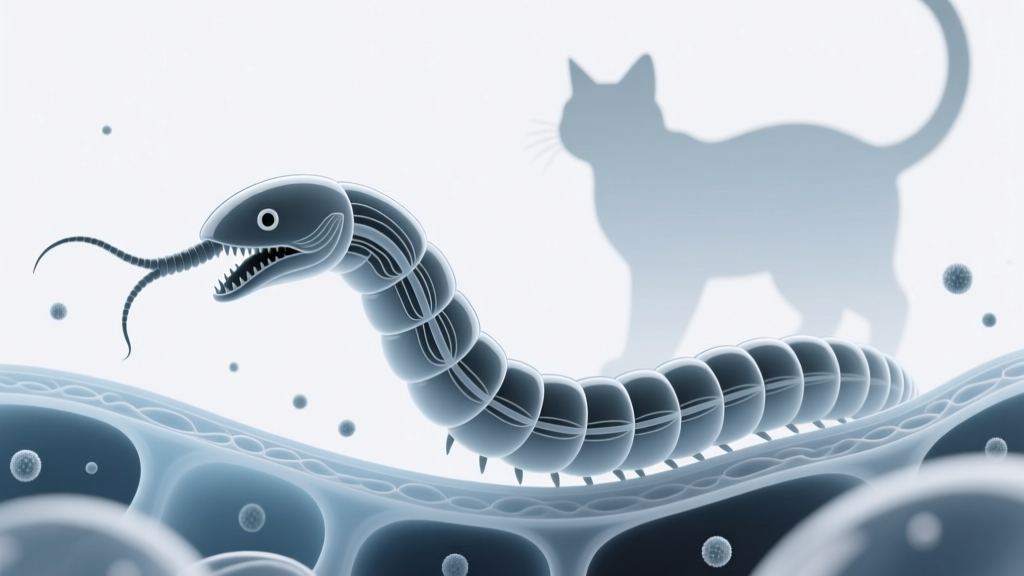
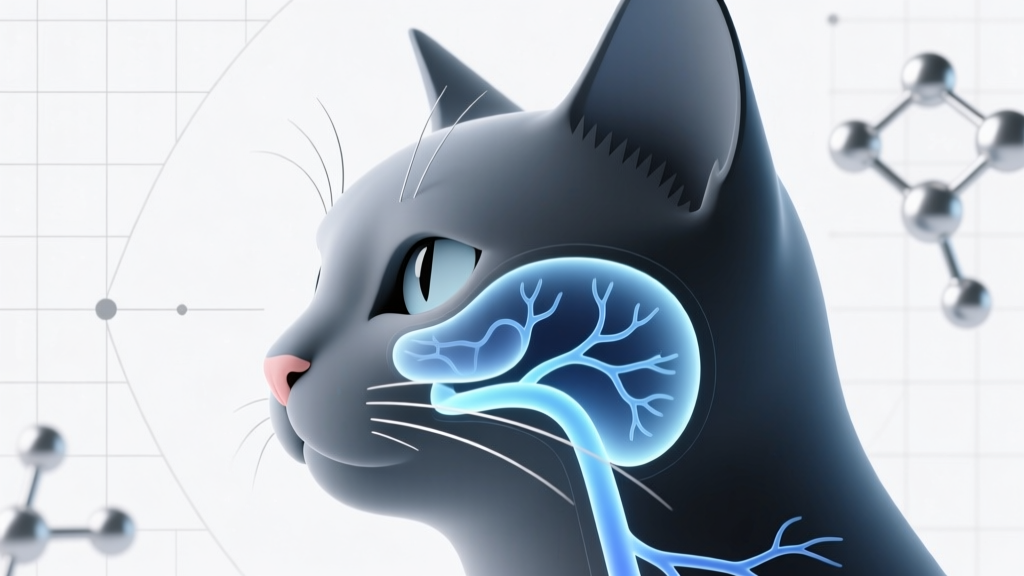
Olfactory neuroblastoma is a type of tumor that arises from specialized nerve-related cells involved in smell. These cells are located in the upper part of the nasal cavity near the cribriform plate (a thin bone that separates the nasal cavity from the brain).
In plain language: this is a cancer that starts in the smell tissue deep inside the nose. As it grows, it can:
- Block airflow through the nasal passages
- Cause chronic inflammation and infection-like discharge
- Damage nearby structures (turbinates, sinuses, sometimes the orbit/eye area)
- In some cases, extend toward the brain, which can create neurologic signs
Not every nasal tumor in cats is an olfactory neuroblastoma. Other nasal cancers (like lymphoma, adenocarcinoma, or squamous cell carcinoma) and non-cancer issues (like fungal disease or foreign material) can look similar at first. That’s why a veterinary workup is essential rather than guessing at home.
3. Symptoms and warning signs to watch for
Nasal cavity tumors often start subtly. Keep an eye out for signs that persist, worsen, or don’t respond as expected to routine treatments.
Common signs
- One-sided nasal discharge (often persistent). It may be clear, cloudy, or bloody.
- Frequent sneezing that continues for weeks or returns repeatedly.
- Nosebleeds (epistaxis), especially from one nostril.
- Noisy breathing or congestion sounds; mouth-breathing can occur if the nose is blocked.
- Pawing at the face or rubbing the nose more than usual.
- Reduced appetite (cats rely on smell to feel interested in food).
- Weight loss or decreased energy over time.
More concerning signs (still not a reason to panic, but do call your vet promptly)
- Facial swelling, asymmetry, or a change in the shape of the nose/bridge
- Eye changes such as tearing, bulging, squinting, or visible third eyelid
- Behavior changes (hiding more, seeming uncomfortable when touched around the head)
- Neurologic signs (rare but possible), like disorientation, head pressing, seizures, or sudden balance issues
Practical at-home tracking you can start today
- Write down how long the signs have been present and whether they are one-sided or both-sided.
- Take a short video of sneezing or breathing noise to show your vet.
- Note appetite changes: “sniffs food but walks away” is a helpful detail.
- Weigh your cat weekly if possible (even small changes matter).
4. Causes and risk factors
For most cats, the exact cause of olfactory neuroblastoma isn’t known. Cancer is often multifactorial—meaning genetics, environment, and chance cell mutations can all play a role.
Potential risk factors (not guarantees)
- Age: Nasal tumors are more likely in middle-aged to older cats.
- Chronic nasal inflammation: Long-standing irritation may contribute in some species, though it’s not proven as a direct cause in cats.
- Environmental exposures: Household smoke, strong fragrances, dusty litter, and poor ventilation can worsen nasal irritation. They are not proven to cause this tumor, but reducing irritants supports overall respiratory health.
Nothing about this condition suggests you “missed something” as an owner. Many cats with nasal tumors have lived normal, well-cared-for lives.
5. Diagnosis: Methods and what to expect at the vet
Because the nasal cavity is complex and hard to visualize, diagnosing nasal tumors usually requires a step-by-step plan. Your veterinarian will focus on confirming whether a mass is present, determining how far it extends, and identifying the exact tumor type.
Typical veterinary evaluation
- History and physical exam: Your vet will ask about duration, discharge type, sneezing, appetite, weight changes, and any neurologic signs.
- Oral and nasal exam: Looking for tooth root disease, oral masses, or nasal airflow differences.
- Baseline lab work: Bloodwork and urinalysis help assess overall health and anesthesia safety.
Imaging and sampling (often needed)
- CT scan: Often the best tool for nasal tumors. It shows the mass size, bone changes, and potential spread to sinuses or the area near the brain.
- Rhinoscopy (scoping the nose): A small camera may help visualize the nasal passages and guide sampling.
- Biopsy: A tissue sample is the gold standard for diagnosis. Cytology (cells) can help, but biopsy (tissue architecture) is more definitive.
- Chest X-rays or CT: Used to check for spread to the lungs (metastasis), depending on the case.
What owners should expect
- Many cats need sedation or anesthesia for imaging and biopsy because the nose is sensitive and the work must be precise.
- Results may take time: pathology reports commonly take several days.
- Your vet may refer you to a veterinary internal medicine specialist, surgeon, or oncologist for advanced diagnostics and treatment planning.
6. Treatment options (medical, surgical, and home care)
Treatment is individualized. Your cat’s plan will depend on tumor size and location, whether it has invaded nearby structures, your cat’s overall health, and your goals for quality of life.
Radiation therapy
- Often a main treatment for nasal tumors because complete surgical removal is difficult in the nasal cavity.
- May reduce tumor size, improve breathing, and lessen discharge/bleeding.
- Typically performed by a veterinary radiation oncology team, using a schedule tailored to your cat.
Surgery
- Surgery can be challenging due to the tumor’s location and the delicate structures involved.
- In select cases, surgery may be used to debulk (reduce) the mass or obtain a larger diagnostic sample.
- Your specialist will explain benefits, risks, and whether complete removal is realistic.
Medical management (supportive and cancer-directed)
- Pain control: Comfort is a priority. Never give human pain medications unless your veterinarian specifically prescribes them.
- Anti-inflammatory medications: May reduce swelling and improve airflow in some cats, under veterinary supervision.
- Antibiotics: Only when bacterial infection is suspected/confirmed; discharge can be tumor-related rather than infectious.
- Appetite support: Appetite stimulants or anti-nausea medications may help if smell loss or congestion reduces eating.
- Chemotherapy: Sometimes considered, depending on tumor behavior and specialist recommendations. Response varies by tumor type.
Home care to support comfort
- Optimize food aroma: Warm wet food slightly (test temperature) to enhance smell. Offer strong-smelling, vet-approved options.
- Keep air clean: Avoid smoke, scented candles, diffusers, aerosols, and dusty litter. Consider an air purifier.
- Reduce stress: Provide a quiet resting area and predictable routines—breathing difficulty feels worse with anxiety.
- Hydration: Encourage fluids with wet food, water fountains, and multiple bowls.
- Gentle grooming support: If discharge crusts around the nose, ask your vet how to clean it safely (no deep swabbing).
Always follow your veterinarian’s plan and contact them if symptoms change. Nasal tumors can cause sudden nosebleeds or appetite drops that need prompt adjustment of care.
7. Prevention strategies and early detection tips
There’s no guaranteed way to prevent olfactory neuroblastoma, but you can reduce respiratory irritation and catch problems earlier.
Actionable steps
- Schedule regular wellness exams (at least yearly; twice yearly for seniors).
- Address chronic “snuffles” early: If sneezing/discharge lasts more than 10–14 days or keeps returning, book a veterinary visit.
- Choose low-dust, unscented litter and keep boxes clean to reduce airborne irritation.
- Avoid smoke exposure and strong home fragrances.
- Track weight and appetite at home. Small changes can be early clues.
If your cat has persistent one-sided nasal signs, ask your veterinarian whether advanced imaging (like CT) is appropriate rather than repeating multiple rounds of medications without a firm diagnosis.
8. Prognosis and quality of life considerations
Prognosis varies widely. Factors that influence outlook include:
- Tumor size and location at diagnosis
- Degree of invasion into surrounding bone, sinuses, or toward the brain
- Response to treatment (especially radiation, when used)
- Your cat’s overall health and ability to tolerate anesthesia or specialty care
Even when a cure isn’t possible, many cats can still have good quality time with symptom control. A caring plan often focuses on:
- Comfortable breathing
- Maintaining appetite and weight
- Keeping nasal discharge and bleeding manageable
- Preserving normal behaviors (sleeping comfortably, grooming, interacting)
Ask your veterinarian for a quality-of-life checklist tailored to your cat. Having clear “markers” (appetite, breathing effort, energy, hydration) can make decision-making less overwhelming.
9. When to seek emergency veterinary care
Nasal tumors can occasionally cause urgent situations. Seek emergency care right away if you notice:
- Difficulty breathing (open-mouth breathing, belly heaving, blue/pale gums)
- Heavy or nonstop nosebleed, or your cat seems weak/collapses
- Sudden neurologic signs such as seizures, severe disorientation, inability to walk normally, or head pressing
- Not eating at all for 24 hours (or significantly less for more than a day), especially if combined with breathing issues
- Severe lethargy or signs of pain that are not controlled with prescribed medications
If you’re unsure whether it’s an emergency, call your veterinary clinic or nearest emergency hospital and describe what you’re seeing. They can guide you based on severity.
10. FAQ: Common questions from cat owners
Is olfactory neuroblastoma contagious to other cats?
No. This is a cancer, not an infection, so it cannot spread from cat to cat through contact. If multiple cats have sneezing in a household, that’s more suggestive of an upper respiratory infection or an environmental irritant—still worth a veterinary check.
My cat has nasal discharge—does that mean cancer?
Not necessarily. Nasal discharge is common with infections, allergies/irritation, dental disease, foreign material, or fungal disease. Red flags that justify a deeper workup include one-sided discharge, recurring nosebleeds, facial swelling, or symptoms that don’t improve as expected with appropriate treatment. A veterinarian is the best person to sort out the cause.
Will my cat lose their sense of smell?
Some cats experience reduced smell due to blockage, inflammation, or tumor location. This can affect appetite. Many cats can still eat well with supportive strategies (warming food, offering smelly wet foods) and veterinary appetite support when needed.
What tests are most helpful for diagnosing nasal tumors?
CT imaging combined with a biopsy is often the most informative approach. CT shows the extent of disease; biopsy identifies the tumor type so your vet team can recommend the most appropriate therapy.
Can my cat still have a good quality of life with a nasal tumor?
Yes, many cats do—especially when breathing comfort and appetite are supported. Treatment (often radiation in nasal tumors) may improve symptoms, and palliative care can also be meaningful when advanced treatment isn’t an option. Your veterinarian can help you weigh benefits, side effects, logistics, and your cat’s comfort.
What can I do right now while waiting for a veterinary appointment?
- Keep your cat in a calm, well-ventilated room away from smoke and strong scents.
- Offer warmed wet food and fresh water; monitor how much they eat and drink.
- Track discharge (clear vs. bloody), sneezing frequency, and energy level.
- Do not start leftover antibiotics or human medications—call your veterinarian for guidance.
If your cat has ongoing sneezing, discharge, or nosebleeds, schedule a veterinary visit for a thorough exam and discuss whether imaging and biopsy are appropriate. Professional care is always the safest route with persistent nasal signs.
For more cat health guides, symptom check tips, and caring support through tough diagnoses, visit catloversbase.com.