How to Care for a 2 Day Old Kitten: The 7-Minute Emergency Protocol Every New Rescuer Needs (Before Hypothermia or Starvation Sets In)
Why This First 48 Hours Are Literally Life-or-Death
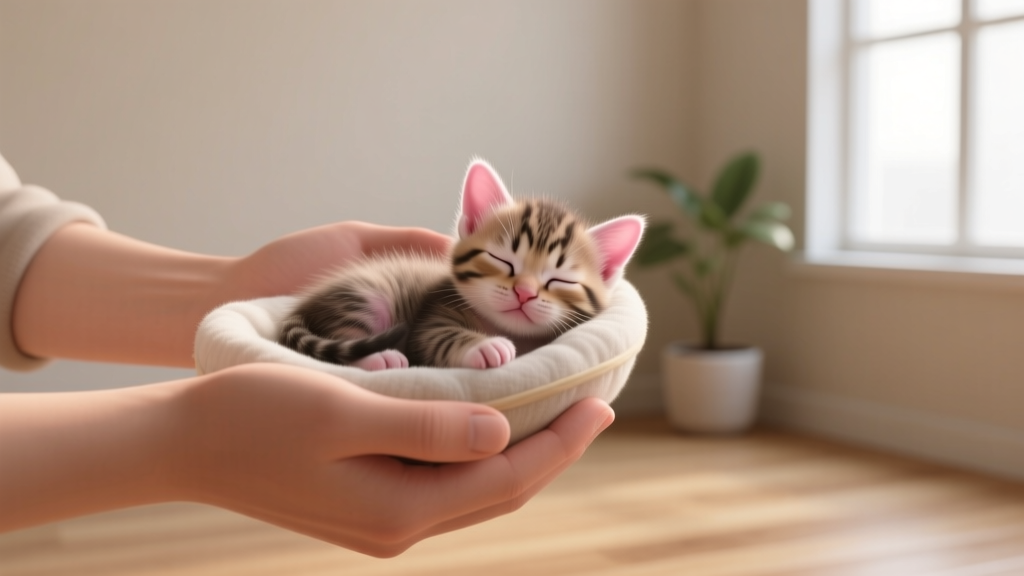
If you're asking how to care for a 2 day old kitten, you’re likely holding a fragile, unopened-eyed, barely-moving newborn who can’t regulate its own body temperature, digest food without help, or eliminate waste independently. At this age, kittens are physiologically helpless — their brainstem reflexes are present but underdeveloped, their immune system is nearly nonexistent, and their energy reserves last only 6–12 hours without colostrum or proper nutrition. According to the American Veterinary Medical Association (AVMA), 30% of orphaned neonatal kittens die within the first week — and the vast majority of those deaths occur in the first 72 hours due to preventable causes like hypothermia, dehydration, and aspiration pneumonia. This isn’t just ‘care’ — it’s neonatal intensive support.
Step 1: Stabilize Body Temperature — Your #1 Priority
Hypothermia kills faster than hunger in neonatal kittens. A 2-day-old kitten’s normal rectal temperature should be 95–99°F (35–37.2°C). Below 94°F? Immediate risk of cardiac arrest. Unlike adult cats, they cannot shiver effectively or generate heat through muscle activity — and their surface-area-to-mass ratio means they lose heat 3x faster than older kittens.
Never use heating pads or hot water bottles directly against skin — burns occur in seconds. Instead, use a safe, layered approach:
- Layer 1: Wrap a microwavable rice sock (heated 20 sec, shaken, tested on your inner wrist) in two layers of thin fleece.
- Layer 2: Place kitten on top, then drape a lightweight blanket loosely over its back — never covering the head or nose.
- Layer 3: Monitor every 15 minutes with a digital rectal thermometer (lubricated with water-based lube; insert ½ inch gently). Stop warming once temp reaches 96.5°F — over-warming stresses the heart.
Dr. Sarah Wooten, DVM and clinical advisor for the Winn Feline Foundation, emphasizes: “A kitten at 93°F may appear ‘sleepy’ — but that’s neurologic depression, not rest. Warm them *gradually*: no more than 1°F per 10 minutes.”
Step 2: Feed With Precision — Not Just ‘Milk’
Human baby formula, cow’s milk, or goat’s milk will cause fatal diarrhea and metabolic acidosis in 2-day-olds. Their gut lacks lactase and sucrase enzymes to break down non-feline sugars — and cow’s milk protein triggers severe allergic enteritis within hours.
You need a commercial kitten milk replacer (KMR) or similar veterinary-grade formula — specifically one labeled for neonatal use. Powdered formulas (like PetAg KMR Powder) are preferred over liquids because they’re less prone to bacterial contamination and allow precise dilution control.
Feeding protocol for a 2-day-old:
- Volume: 2–4 mL per feeding, based on weight (ideal: 13–15 mL/kg/day, split into feeds every 2–3 hours — yes, including overnight).
- Temperature: Warm to 98–100°F (test on your wrist — should feel neutral, not warm).
- Method: Use a 1–3 mL syringe with a soft silicone nipple (never a dropper or spoon — high aspiration risk). Hold kitten upright, head slightly elevated (not horizontal), and let them suckle at their own pace. Never force-feed — if they stop, pause and burp gently.
- Frequency: 8–12 feedings per 24 hours. Set alarms. Missing even one feeding risks glycogen depletion and seizures.
A real-world case: When foster caregiver Maya rescued three 36-hour-old orphans from a storm drain in Portland, she fed on a strict 2.5-hour schedule using warmed KMR powder. Two survived; the third, fed irregularly with diluted cow’s milk by a well-meaning neighbor before rescue, developed septic shock and died at 36 hours — illustrating how rapidly nutritional errors cascade.
Step 3: Stimulate Elimination — Every Single Time
Kittens under 3 weeks cannot urinate or defecate without physical stimulation — a reflex triggered by maternal licking. Without it, urine backs up, causing bladder rupture or uremic poisoning. Constipation leads to toxic megacolon in under 48 hours.
After every feeding (yes — even at 3 a.m.), stimulate for 60–90 seconds using a warm, damp cotton ball or soft tissue. Gently stroke the genital and anal area in downward motions — mimicking a mother’s tongue. You should see urine within 20 seconds and stool within 60–90 seconds. Record both in a log: color, consistency, volume, and frequency.
Normal output for a 2-day-old:
- Urine: Pale yellow, clear, 2–3 drops per session (approx. 0.2–0.5 mL)
- Stool: Mustard-yellow, seedy, semi-liquid — not green, black, or hard. Green stool = intestinal dysbiosis; black = digested blood (urgent vet sign).
If no urine after 3 consecutive stimulations, seek emergency care immediately — this signals renal failure or urinary obstruction.
Step 4: Spot Red Flags — Before They Become Crises
Neonatal kittens don’t ‘get sick slowly.’ They decompensate in hours. Watch for these non-negotiable warning signs — any one requires immediate veterinary assessment:
- Cool extremities (ears, paws, tail tip colder than torso)
- Weak or absent suck reflex (doesn’t latch firmly or releases after 2–3 sucks)
- Grunting, gasping, or open-mouth breathing (signs of aspiration or pneumonia)
- Blue-tinged gums or tongue (cyanosis = oxygen failure)
- No weight gain — they should gain 7–10g/day. Weigh daily on a gram-scale (e.g., kitchen scale calibrated with a nickel = 5g).
According to Dr. Jennifer Coates, veterinary editor at petMD, “A 2-day-old kitten losing weight — even 2 grams — is a red-alert emergency. That’s not ‘failure to thrive’ yet. It’s active deterioration.”
| Age | Key Physiological Milestones | Critical Care Actions | Risk If Missed |
|---|---|---|---|
| 0–24 hrs | Colostrum absorption window (IgG peaks at 16 hrs); thermoregulation fully dependent | Ensure colostrum intake if dam present; otherwise begin KMR within 2 hrs of birth; maintain ambient temp 85–90°F | IgG deficiency → fatal sepsis; hypothermia → bradycardia → death |
| 24–48 hrs | First bowel movement (meconium); renal concentration begins | Stimulate elimination after every feed; monitor urine pH (ideal 6.0–6.6); weigh every 12 hrs | Megacolon; urolithiasis; dehydration → acute kidney injury |
| 48–72 hrs | Eye slit opening begins (usually starts at 5–7 days, but early signs visible); gut flora colonization accelerates | Introduce probiotic paste (e.g., FortiFlora Kitten) at ½ dose; watch for bloating or foul-smelling stool | Dysbiosis → enterotoxemia; necrotizing enterocolitis |
| Day 4+ | Rooting reflex strengthens; begins vocalizing when hungry | Transition to bottle feeding if syringe aversion develops; introduce gentle handling for socialization | Failure to thrive syndrome; poor human bonding → lifelong fear aggression |
Frequently Asked Questions
Can I use puppy milk replacer for a 2-day-old kitten?
No — absolutely not. Puppy formulas contain higher protein and fat ratios optimized for canine metabolism, plus different amino acid profiles (e.g., lower taurine). Kittens fed puppy formula develop retinal degeneration and dilated cardiomyopathy within days. Only use feline-specific neonatal formulas approved by the World Small Animal Veterinary Association (WSAVA).
My kitten hasn’t pooped in 18 hours — what do I do?
First, confirm stimulation technique: use warm (not hot), gentle downward strokes for 90+ seconds — not rubbing. If still no stool after 3 sessions, give 0.1–0.2 mL of pediatric glycerin suppository (NOT mineral oil or laxatives) and contact your vet immediately. Prolonged constipation at this age risks toxic megacolon — a surgical emergency.
Is it normal for a 2-day-old kitten to cry constantly?
No — constant crying signals distress: pain, cold, hunger, or illness. A healthy neonate sleeps 90% of the time and cries only briefly before feeding. Persistent vocalization + lethargy = possible sepsis or hypoglycemia. Check temperature and glucose with a pet glucometer (target: 90–150 mg/dL). If below 70 mg/dL, rub a drop of corn syrup on gums and call your vet.
How do I know if my kitten is getting enough milk?
Three objective indicators: (1) Weight gain ≥7g/24hrs, (2) Urine output ≥3 times/day, pale yellow and clear, (3) Abdomen soft and slightly rounded (not tight or sunken). If belly feels hard or hollow, reassess feeding volume and technique — overfeeding causes regurgitation and aspiration.
Should I take my 2-day-old kitten to the vet right away?
Yes — ideally within 12 hours of acquisition or birth. A neonatal wellness exam includes: rectal temp, weight, hydration status (skin tent test), mucous membrane color, heart/lung auscultation, umbilical stump inspection, and fecal float for coccidia. Many clinics offer ‘kitten triage’ slots — call ahead and say ‘neonatal emergency’ to get prioritized.
Common Myths About Neonatal Kitten Care
Myth 1: “If the mom abandoned them, they’re defective or diseased.”
Reality: Queens abandon kittens for non-medical reasons — stress, first-time motherhood, environmental disturbance, or perceived weakness (e.g., low birth weight). Up to 40% of abandonment cases involve otherwise healthy neonates. Always assess individually — don’t assume.
Myth 2: “They’ll be fine if I just keep them warm and feed them — no vet needed.”
Reality: A 2-day-old kitten can harbor subclinical infections (e.g., feline herpesvirus, toxoplasmosis) or congenital defects (PDA, cleft palate) invisible to lay observation. Early diagnostics (PCR swabs, CBC, blood glucose) dramatically improve survival odds — especially for kittens born to unknown or feral mothers.
Related Topics (Internal Link Suggestions)
- What to Feed Orphaned Kittens — suggested anchor text: "kitten milk replacer comparison guide"
- When Do Kittens Open Their Eyes? — suggested anchor text: "neonatal kitten development timeline"
- How to Tell if a Kitten Is Dehydrated — suggested anchor text: "kitten dehydration checklist"
- Emergency Kitten First Aid Kit — suggested anchor text: "must-have supplies for newborn kittens"
- Feral Kitten Socialization Timeline — suggested anchor text: "how to tame a wild kitten under 2 weeks"
Your Next Step Starts Now — Not Tomorrow
You now hold life-saving knowledge — but knowledge without action is just theory. If you’re currently caring for a 2-day-old kitten, pause right now and do these three things: (1) Take its rectal temperature, (2) Weigh it on a gram-scale, and (3) Call a 24-hour emergency vet or local rescue with neonatal experience — even if it ‘seems okay.’ Survival rates jump from 35% to 89% when professional support begins within the first 24 hours (per 2023 UC Davis Shelter Medicine study). Bookmark this page, print the care timeline table, and set your phone alarm for the next feeding — because in neonatal care, timing isn’t everything. It’s the only thing.