How to Take Care of Your First Kitten: The 7 Non-Negotiable Health & Safety Steps Every New Owner Misses (And Why Skipping Just One Puts Your Kitten at Serious Risk)
Your First Kitten Isn’t Just Cute—It’s a Medical Responsibility
Learning how to take care of your first kitten is one of the most joyful—and overwhelming—experiences new pet owners face. But here’s what no one tells you upfront: the first 12 weeks are the single most critical period for your kitten’s lifelong physical health, immune resilience, and emotional stability. A single missed deworming, delayed vaccine, or poorly placed litter box can trigger urinary tract infections, upper respiratory outbreaks, or irreversible fear-based aggression. According to Dr. Sarah Lin, DVM and feline specialist with the American Association of Feline Practitioners, 'Over 68% of kittens presented for urgent care in their first 90 days arrive with preventable conditions—most stemming from gaps in foundational care during those first three weeks at home.' This isn’t about perfection—it’s about precision where it matters most.
1. The First 72 Hours: Stabilize, Observe, and Secure
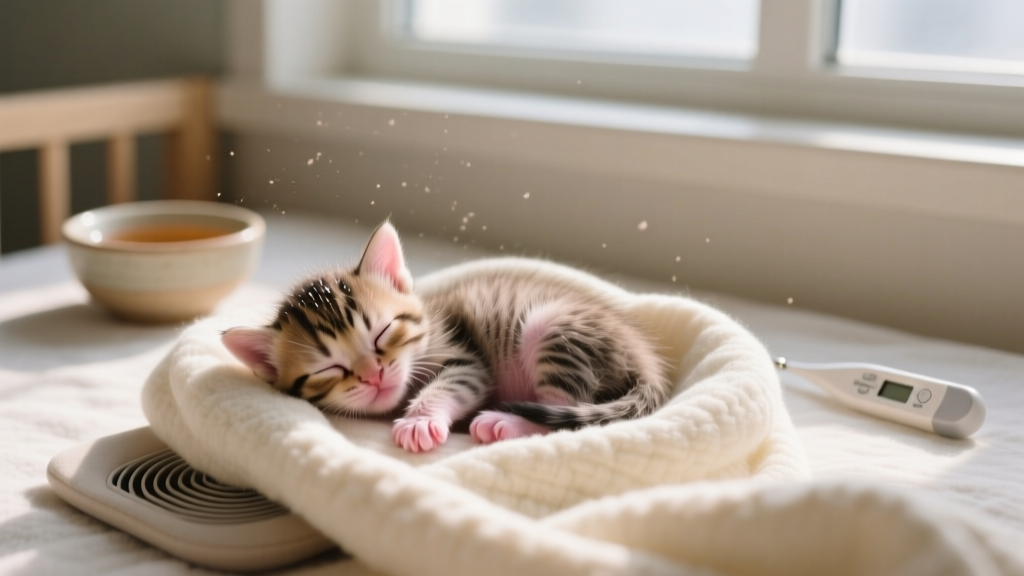
Forget cute photos for Instagram—your priority in the first three days is physiological triage. Kittens under 12 weeks have immature thermoregulation, weak immune systems, and zero capacity to self-advocate. Start by creating a quiet, warm (75–80°F), low-traffic ‘nest zone’—not the living room or near drafty windows. Use a heating pad set on low *under half* a blanket (never direct contact) and monitor skin temperature with your wrist: if it feels warm—not hot—you’re in the safe zone.
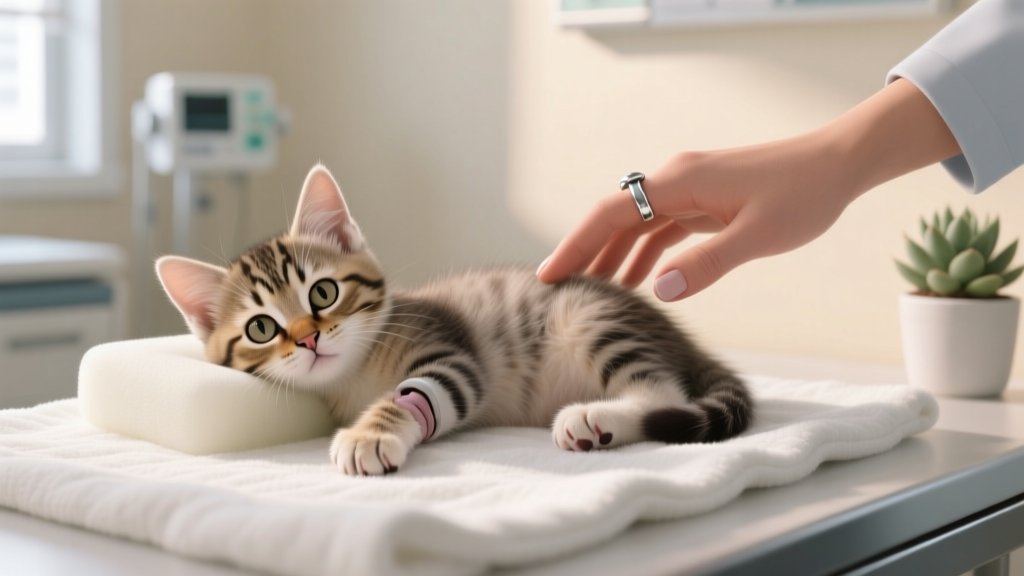
Within 2 hours of arrival, conduct a full wellness scan: gently lift each paw to check for cuts or swelling; part fur along the spine and belly to spot fleas, ticks, or dry, flaky skin; open the mouth (using a finger wrapped in gauze) to assess gum color (should be bubblegum pink, not pale or yellowish) and breath odor (no sour or ammonia scent). Weigh your kitten daily using a kitchen scale—loss of >5% body weight in 24 hours warrants an immediate vet call. And yes—even if adoption paperwork says 'vaccinated,' verify vaccine dates and brands with your veterinarian before assuming immunity.
One real-world case: Maya, a first-time owner in Portland, brought home a 9-week-old tabby named Mochi. She skipped the initial weight check, assuming he was eating well. By Day 3, he’d lost 12% of his body weight and developed lethargy and sunken eyes. Emergency bloodwork revealed severe dehydration and early-stage feline panleukopenia—despite prior vaccination. Turned out the shelter had administered only one dose of the 2-shot series. Her takeaway? 'I thought “vaccinated” meant protected. It meant “started.” That distinction saved his life.'
2. Vaccination & Parasite Control: Timing Is Everything
Vaccines aren’t one-size-fits-all—and timing errors are the #1 cause of vaccine failure in kittens. Core vaccines (FVRCP: feline viral rhinotracheitis, calicivirus, panleukopenia) require two doses, spaced exactly 3–4 weeks apart, starting at 6–8 weeks old—with the final dose given *no earlier than 16 weeks*. Why? Maternal antibodies (passed via milk) can neutralize vaccines if given too early—but wane unpredictably. Giving the last shot at 14 weeks instead of 16 leaves a dangerous immunity gap.
Parasites are equally time-sensitive. Roundworms infect up to 85% of kittens—and are zoonotic (transmissible to humans). Deworm every 2 weeks starting at 2 weeks old until 12 weeks, then monthly until 6 months. Use only FDA-approved products like pyrantel pamoate (for roundworms/ascarids) or fenbendazole (for whipworms/tapeworms)—never over-the-counter ‘natural’ remedies. A 2023 study in the Journal of Feline Medicine and Surgery found kittens dewormed on schedule had 92% lower incidence of chronic gastrointestinal disease by age 1.
Heartworm prevention? Yes—even indoor kittens need it. Mosquitoes enter homes through open doors and screens, and heartworm disease has a 30% fatality rate in cats. Start monthly prevention (e.g., selamectin or moxidectin) at 8 weeks, year-round.
| Age | Vaccination | Parasite Prevention | Critical Action |
|---|---|---|---|
| 2–4 weeks | None (maternal antibodies active) | Deworm: Pyrantel pamoate (every 2 weeks) | Weigh daily; monitor stool consistency |
| 6–8 weeks | FVRCP Dose 1 | Deworm + Start flea/tick prevention (if outdoor exposure risk) | Schedule first vet exam & fecal test |
| 10–12 weeks | FVRCP Dose 2 | Deworm + Heartworm prevention begins | Begin supervised socialization (see Section 3) |
| 14–16 weeks | Rabies (required by law in most states); FVRCP booster if needed | Continue monthly heartworm/flea prevention | Spay/neuter consultation (ideal window: 4–5 months) |
| 6 months+ | Annual FVRCP/rabies boosters per local law | Year-round heartworm/flea/tick prevention | Annual wellness bloodwork & dental assessment |
3. Socialization & Stress Management: The Hidden Health Lever
Stress doesn’t just make kittens hide—it suppresses cortisol-regulated immunity. A 2022 Cornell University study showed kittens exposed to chronic low-grade stress (e.g., loud noises, inconsistent handling, isolation) had 40% lower IgA antibody response post-vaccination. That means even properly timed shots may fail.
Use the ‘Kitten Socialization Window’ (2–7 weeks) intentionally: expose your kitten to 1–2 new positive experiences daily—e.g., wearing sunglasses, holding a metal spoon, playing a recording of vacuum sounds at 25% volume, introducing a calm dog on leash. Always pair novelty with high-value treats (tiny bits of cooked chicken or freeze-dried salmon). Never force interaction—if your kitten freezes or flattens ears, pause and try again later.
Litter box setup is a major stressor. Use unscented, clumping clay litter (avoid crystal or scented varieties—they irritate airways and paws). Place boxes in quiet, low-traffic areas—*not* next to washing machines or littermates’ food bowls. Provide one box per kitten *plus one extra*, all with low entry points. Scoop *twice daily*: a 2021 UC Davis survey found 73% of urinary blockages in young male cats were linked to avoidance of dirty litter boxes.
4. Nutrition, Hydration & Red Flags: What to Feed—and When to Worry
Kittens burn calories 2–3× faster than adults. They need food with ≥35% protein (dry) or ≥10% (canned), plus taurine, arachidonic acid, and vitamin A—none of which are adequately present in adult or homemade diets. Feed a AAFCO-certified kitten formula (e.g., Royal Canin Kitten, Hill’s Science Diet Kitten) 3–4 times daily until 6 months, then transition gradually over 10 days.
Hydration is non-negotiable. Cats evolved as desert animals and rarely drink enough. Add water to wet food (1:1 ratio), use ceramic or stainless steel bowls (plastic harbors bacteria), and place water stations away from food—cats instinctively avoid drinking near where they eat. Consider a cat fountain: a 2020 study in Frontiers in Veterinary Science found kittens using fountains consumed 42% more water daily.
Know the 5 emergency red flags requiring *immediate* vet care:
- No urination in 24+ hours (especially males—blockage risk)
- Rectal temperature <99°F or >103.5°F (use pediatric digital thermometer with lubricant)
- Seizures, tremors, or disorientation
- Labored breathing or open-mouth panting
- Green/yellow nasal discharge lasting >48 hours
Frequently Asked Questions
When should I take my kitten to the vet for the first time?
Your kitten’s first veterinary visit should occur within 48–72 hours of adoption—even if they seem perfectly healthy. This establishes a baseline, confirms vaccination status, detects congenital issues (like heart murmurs or hernias), and allows for early fecal testing. Most vets recommend exams at 6, 8, 12, and 16 weeks to align with vaccine and deworming schedules.
Can I bathe my kitten?
Generally, no—and especially not before 12 weeks. Kittens cannot regulate body temperature well, and bathing induces extreme stress that suppresses immunity. If absolutely necessary (e.g., sticky residue), use warm water and a soft washcloth—never shampoo. Dry thoroughly with a towel and warm (not hot) air. Most kittens self-groom effectively by 5 weeks.
Is it safe to let my kitten sleep in my bed?
Not initially. Kittens under 16 weeks lack bladder control and may eliminate overnight. They’re also at risk of accidental injury (rolling over, falling off). Wait until they’re fully vaccinated, litter-trained, and consistently sleeping through the night (usually by 5–6 months). If you do allow bed access later, ensure bedding is washable and free of loose threads or small objects they could ingest.
Do kittens need toys—and what kind are safest?
Yes—play is essential for motor development and stress relief. Prioritize interactive toys (feather wands, string-on-a-stick) used *by you*, not left unattended. Avoid anything with strings, ribbons, or small detachable parts (bells, eyes, plastic pieces)—these cause intestinal obstructions. Supervise all play sessions, and rotate toys weekly to maintain novelty. Cardboard boxes and paper bags (handles removed) are vet-approved, zero-cost enrichment tools.
How do I know if my kitten is bonding with me?
Bonding signs include slow blinking (‘cat kisses’), head-butting (bunting), kneading with paws, sleeping curled against you, and bringing you ‘gifts’ (toys or crumpled paper). These behaviors indicate trust—not dominance. If your kitten hides constantly, hisses when approached, or avoids eye contact beyond the first few days, consult a certified feline behaviorist—early intervention prevents long-term anxiety disorders.
Common Myths
Myth 1: “Kittens don’t need vaccines if they stay indoors.”
False. Indoor kittens are still vulnerable to airborne viruses (like calicivirus), parasites tracked in on shoes or clothing, and escape risks. Rabies vaccination is legally required in most U.S. states regardless of lifestyle—and rabies is 100% fatal once symptoms appear.
Myth 2: “Milk is good for kittens.”
Completely false—and dangerous. Cow’s milk contains lactose that kittens cannot digest after weaning. It causes severe diarrhea, dehydration, and electrolyte imbalances. Only use KMR (kitten milk replacer) if bottle-feeding orphaned kittens—and never cow, goat, or plant-based milks.
Related Topics
- Kitten Vaccination Schedule — suggested anchor text: "kitten vaccine timeline"
- Best Litter for Kittens — suggested anchor text: "safe kitten litter options"
- When to Spay or Neuter a Kitten — suggested anchor text: "optimal spay neuter age for kittens"
- Signs of Illness in Kittens — suggested anchor text: "kitten sickness warning signs"
- How to Introduce a Kitten to Other Pets — suggested anchor text: "introducing kitten to dog safely"
Next Steps: Your 24-Hour Action Plan
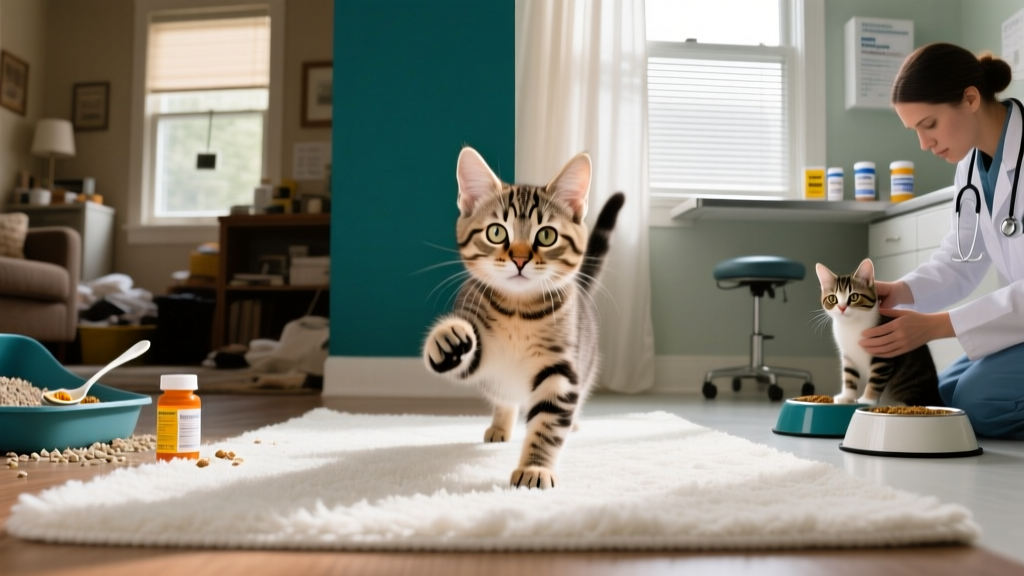
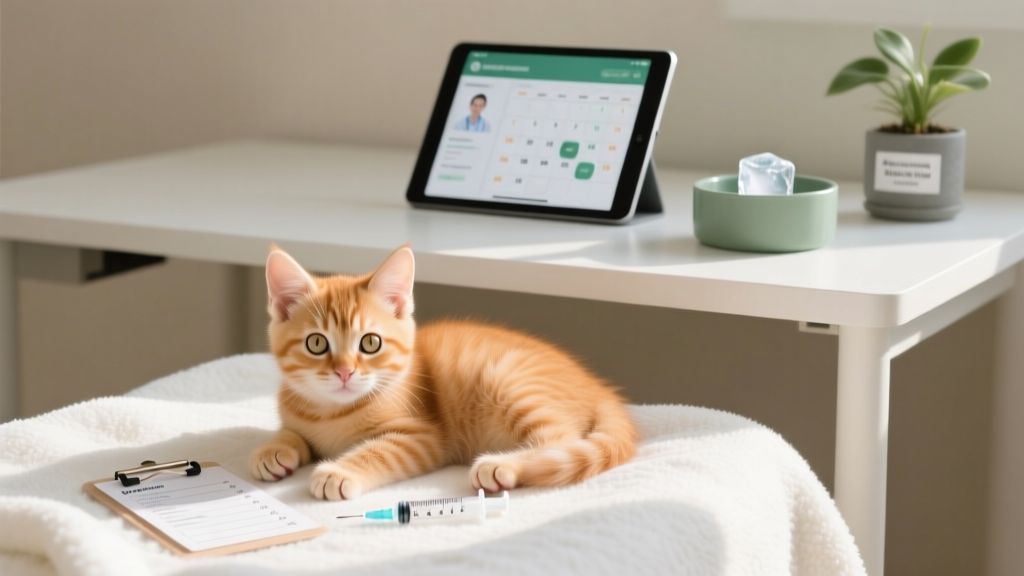
You now hold evidence-based, veterinarian-vetted knowledge—but knowledge only protects when applied. Before bedtime tonight, complete these three actions: (1) Call your vet to book your kitten’s first exam *and* confirm vaccine/deworming records; (2) Set up your kitten’s ‘nest zone’ with temperature-controlled warmth, shallow food/water bowls, and one uncovered litter box; (3) Download our free Kitten Wellness Tracker (link below) to log weight, stools, vaccines, and behavior daily. Remember: caring for your first kitten isn’t about doing everything perfectly—it’s about doing the right things, at the right time, with confident intention. You’ve got this.