How to Take Care of a Day Old Kitten: The First 24 Hours Are Critical — Here’s Exactly What to Do (and What NOT to Do) to Prevent Hypothermia, Dehydration, and Sudden Death
Why This First Day Decides Everything
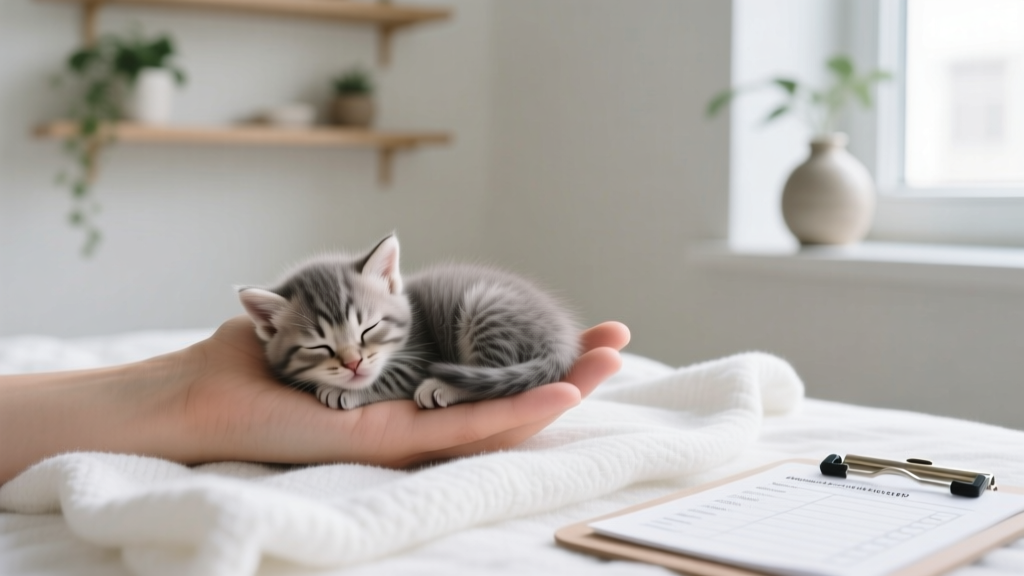
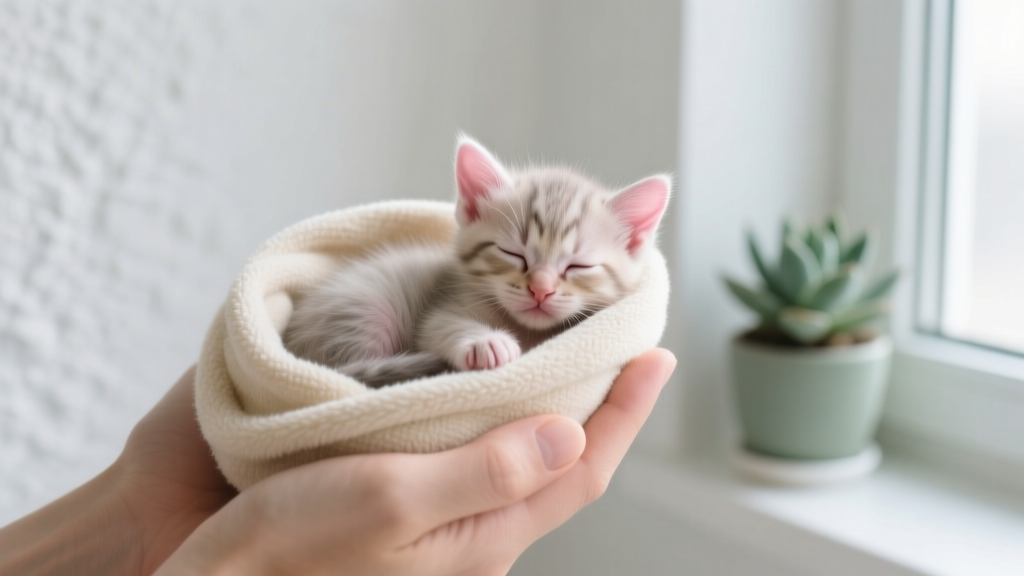
If you’ve just found or been handed a day-old kitten — especially one that’s alone, cold, or unresponsive — you’re holding a life measured in hours, not days. How to take care of a day old kitten isn’t about convenience or routine; it’s about executing precise, time-sensitive health interventions that mimic maternal care so closely that the kitten’s fragile physiology can stabilize. Neonatal kittens (0–2 weeks) have no ability to regulate body temperature, cannot eliminate waste without stimulation, lack immune protection without colostrum, and burn through calories at an alarming rate — making the first 24 hours the most perilous window in feline development. According to Dr. Susan Little, DVM and feline specialist with the American Association of Feline Practitioners, "Over 50% of kitten mortality occurs in the first week — and the vast majority are preventable with proper human intervention." This guide distills evidence-based neonatal care from veterinary textbooks, shelter medicine protocols, and decades of hands-on foster experience — so you don’t have to guess, panic, or rely on outdated folklore.
1. Warmth Is Non-Negotiable — And It’s Not Just About a Blanket
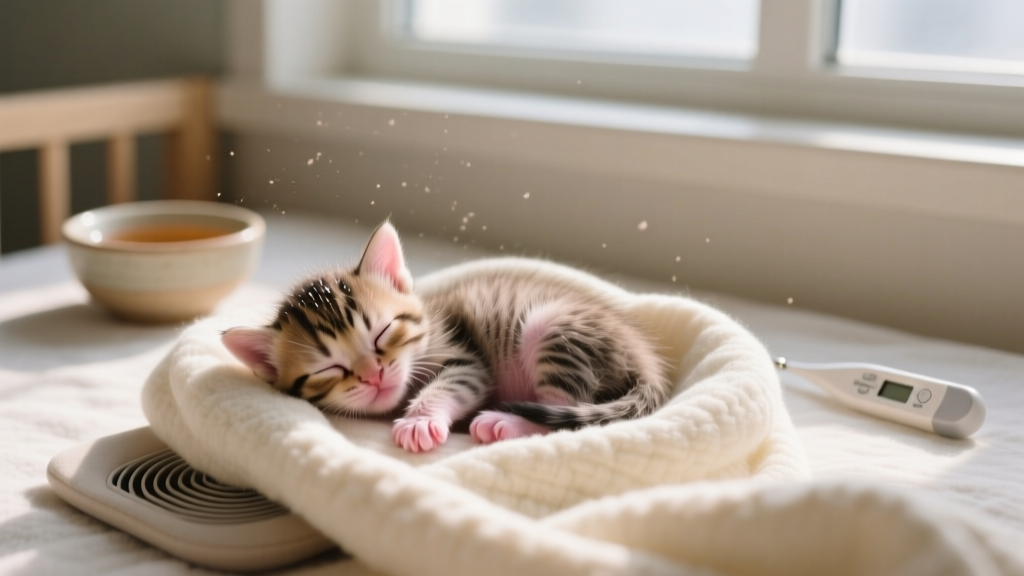
A day-old kitten’s normal rectal temperature should be 95–99°F (35–37.2°C). Below 94°F? They’re in hypothermic crisis — and every minute counts. Unlike adult cats, newborns cannot shiver effectively or generate metabolic heat. Their brown fat stores are minimal and deplete rapidly when cold. Hypothermia leads directly to hypoglycemia (low blood sugar), ileus (gut shutdown), and failure to nurse — even if formula is available.
Here’s what works — and what doesn’t:
- DO: Use a radiant heat source like a Snuggle Safe microwavable disc (wrapped in two layers of fleece) placed *under* half the nesting box — never directly against skin. Maintain ambient nest temp at 85–90°F (29–32°C) for the first 3 days.
- DO: Monitor rectal temperature every 30 minutes for the first 2 hours using a digital pediatric thermometer lubricated with water-soluble jelly. Insert only 0.5 inches — gently.
- DO NOT: Use heating pads (risk of burns and overheating), hot water bottles (cool too fast), or human body heat alone (inconsistent and insufficient).
- DO NOT: Feed a cold kitten — digestion halts below 95°F, and aspiration risk skyrockets.
Real-world case: In 2022, a Toronto rescue reported a 92% survival rate among hypothermic neonates who received controlled warming *before* any feeding — versus 18% survival when feeding was attempted first. Temperature must be restored to ≥96°F before offering even a single drop of formula.
2. Feeding: Colostrum, Formula, and the Lifesaving 2-Hour Rule
Day-old kittens need colostrum — the antibody-rich first milk — within the first 12–16 hours of life to acquire passive immunity. If mom is absent or rejecting, colostrum replacement is urgent. Cow’s milk, almond milk, or human baby formula are toxic — causing severe diarrhea, dehydration, and sepsis.
Use only a commercial kitten milk replacer (KMR) or similar veterinary-grade formula (e.g., Breeder’s Edge Foster Care, PetAg KMR). Never dilute or alter recipes — improper osmolarity causes fatal electrolyte imbalances. Warm formula to 98–100°F (body temp) — test on your inner wrist; it should feel neutral, not warm.
Feeding frequency is non-negotiable: every 2 hours, around the clock — including overnight. That’s 12 feedings in 24 hours. Missed feeds = rapid glycogen depletion → lethargy → coma → death. A healthy day-old kitten consumes ~13 ml per 100g body weight per day, split across those 12 sessions. So a 100g kitten needs ~1.1 ml per feeding.
Technique matters deeply: Hold the kitten upright (never on its back — aspiration risk), use a 1–3 ml syringe with a soft rubber nipple or specialized kitten bottle, and let them suckle at their own pace. Gently stroke the jaw if sucking slows. Stop feeding if they turn head away, push the nipple out, or show labored breathing.
3. Stimulation, Hygiene, and the Silent Danger of ‘Quiet’ Kittens
Newborn kittens cannot urinate or defecate without physical stimulation — a behavior mother cats perform by licking the genital and anal regions. Without this, waste builds up, causing toxicosis, abdominal distension, and urinary retention. Begin stimulation *before* each feeding — not after — to ensure the bladder is empty and kidneys are functioning.
Use a warm, damp cotton ball or soft tissue. Gently stroke the genital area in downward motions (like wiping) for 30–60 seconds until urine flows. Then switch to the anus with tiny circular motions until stool appears (usually soft, yellow-mustard colored). Record output: You should see pale yellow urine (not cloudy or bloody) and seedy, mustard-colored stool at least 3–4 times daily. No stool for >24 hours? That’s a red flag for intestinal obstruction or sepsis.
Hygiene is equally critical. Wash hands with soap and water before and after handling. Disinfect feeding equipment with boiling water or veterinary-grade sanitizer (e.g., Rescue®). Change bedding daily — ammonia buildup from urine irritates airways and promotes pneumonia. And watch for the ‘silent kitten’: If your kitten stops crying, refuses to root, or feels cool and limp — act immediately. These are late signs of shock.
4. Recognizing Emergency Red Flags — When to Call the Vet *Now*
Neonatal kittens deteriorate silently and rapidly. Don’t wait for ‘obvious’ symptoms. These five signs demand immediate veterinary attention — not ‘tomorrow morning’:
- Cool extremities + weak suck reflex: Indicates circulatory collapse.
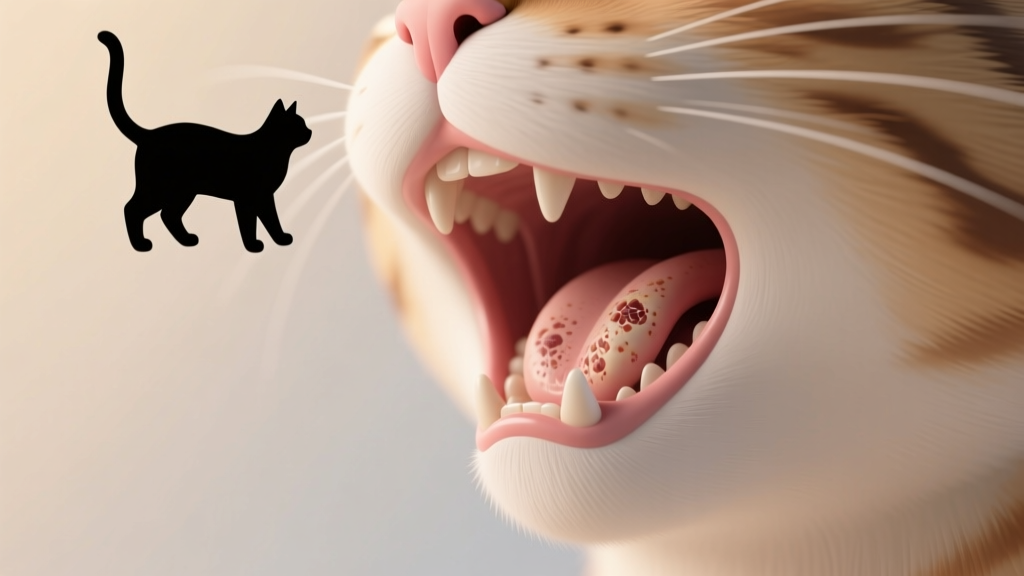
- Grayish-pink gums or blue-tinged tongue: Sign of poor oxygenation or sepsis.
- No urine output for 12+ hours, or urine that’s dark yellow, cloudy, or bloody.
- Projectile vomiting or green/yellow bile in mouth: Signals intestinal torsion or infection.
- Sustained high-pitched mewing or complete silence — both indicate neurological distress.
Dr. Jennifer Coates, DVM and author of The Complete Guide to Kitten Care, stresses: “If a kitten hasn’t gained weight by day 2, or loses >5% of birth weight, assume systemic illness — not just hunger. Bloodwork, IV fluids, and antibiotics may be lifesaving.” Keep your nearest 24-hour emergency clinic number saved in your phone *before* you bring the kitten home.
| Timeline | Key Physiological Milestones | Critical Care Actions | Risk If Missed |
|---|---|---|---|
| Hour 0–2 | Body temp drops rapidly; gut motility minimal | Stabilize temp to ≥96°F; assess hydration (skin tent test); do NOT feed yet | Hypothermia → cardiac arrest |
| Hour 2–6 | First opportunity for colostrum absorption (gut closure begins) | Administer colostrum supplement (e.g., Breeder’s Edge Colostrum Plus) OR first KMR feeding if colostrum unavailable | Zero passive immunity → fatal sepsis risk |
| Hour 6–24 | Weight gain should begin; stool/urine production starts | Feed every 2 hrs; stimulate pre-feed; weigh daily on gram scale; log intake/output | Dehydration → renal failure; constipation → toxic megacolon |
| Day 2 | Eyes remain sealed; ears folded; rooting reflex strong | Confirm weight gain ≥5–10g/day; check for umbilical cord separation (should be dry, black, falling off) | No weight gain = underlying infection or malabsorption |
Frequently Asked Questions
Can I use goat’s milk or homemade formula for a day-old kitten?
No — absolutely not. Goat’s milk lacks essential taurine and has excessive lactose, causing osmotic diarrhea and rapid dehydration. Homemade formulas (e.g., egg yolk + cream + corn syrup) are dangerously imbalanced in calcium, phosphorus, and protein — leading to metabolic bone disease and seizures within days. Peer-reviewed studies in the Journal of Feline Medicine and Surgery confirm that commercial kitten milk replacers reduce mortality by 68% compared to alternatives. Stick to KMR or Breeder’s Edge — full stop.
My kitten won’t latch — what do I do?
First, rule out hypothermia (temp <96°F) or dehydration (skin stays peaked >2 seconds). If warm and hydrated, try warming the formula slightly more (to 100°F) and rubbing a tiny drop on their lips to trigger rooting. If still unresponsive after 2 minutes, use a 1ml syringe without needle — place tip at corner of mouth and gently drip 0.1ml at a time, pausing between drops. Never force-feed — aspiration pneumonia is the #1 cause of sudden death in hand-reared neonates. Contact a vet if refusal persists beyond 2 feedings.
How much should a day-old kitten weigh — and how much should it gain?
Healthy day-old kittens weigh 80–120g (average 100g). Birth weight varies by breed (e.g., Siamese tend lighter; Maine Coons heavier), but all should gain 5–10g per day. Weigh daily at the same time on a digital gram scale — not kitchen scales. A loss of >10% birth weight in 24 hours is an emergency. Consistent gain confirms adequate intake and absorption. Note: Weight gain often lags 12–24 hours behind effective warming and feeding — don’t panic on hour 8; reassess at hour 24.
Do I need to burp a day-old kitten after feeding?
Yes — gently. Though less air is swallowed than in older infants, trapped gas contributes to discomfort, reflux, and refusal to feed. Hold the kitten upright against your shoulder or over your lap, supporting its chest and jaw, and pat softly with an open palm for 30–60 seconds. A small ‘pfft’ sound or visible relaxation signals success. Skip burping only if kitten is lethargic or struggling to breathe — prioritize warmth and rest instead.
Is it safe to bathe a day-old kitten?
No — never. Bathing strips vital skin oils, accelerates heat loss, and risks aspiration or chilling. Spot-clean soiled areas with warm water and a soft cloth only if absolutely necessary (e.g., fecal contamination near anus). Dry immediately with warmed towels. Full bathing should wait until week 3, under strict veterinary guidance.
Common Myths Debunked
Myth #1: “Just wrap them in a towel and they’ll warm up.”
False. Towels provide insulation but zero heat generation. A kitten placed in a towel at room temperature (72°F) will drop below 90°F in under 15 minutes — triggering metabolic collapse. Active, controlled warming is mandatory.
Myth #2: “If they’re nursing from a bottle, they’re fine.”
False. Suckling ≠ swallowing. Watch for rhythmic jaw movement and visible throat pulsing. Feel the belly — it should be soft and slightly rounded post-feed, not tight or hollow. A kitten that ‘nurses’ for 10 minutes but gains no weight is likely not ingesting anything — and is starving.
Related Topics (Internal Link Suggestions)
- Kitten feeding schedule by age — suggested anchor text: "kitten feeding chart by week"
- Signs of kitten dehydration — suggested anchor text: "how to tell if a kitten is dehydrated"
- Orphaned kitten survival kit — suggested anchor text: "what to buy for a newborn kitten"
- When do kittens open their eyes? — suggested anchor text: "kitten eye opening timeline"
- Veterinary exam checklist for neonatal kittens — suggested anchor text: "first vet visit for newborn kitten"
Your Next Step Starts Now
You now hold the knowledge that separates survival from tragedy for a day-old kitten — but knowledge alone isn’t enough. Action is. Grab a digital gram scale, sterile kitten formula, a rectal thermometer, and a heating disc *today*. Print this guide. Set hourly alarms for feeding and stimulation. And call your nearest emergency vet *now* to confirm they accept neonatal cases — don’t wait until 2 a.m. when your kitten goes quiet. Every second you invest in preparation multiplies their chance of thriving. You’re not just caring for a kitten — you’re standing in as their first line of medical defense. And that makes you irreplaceable.