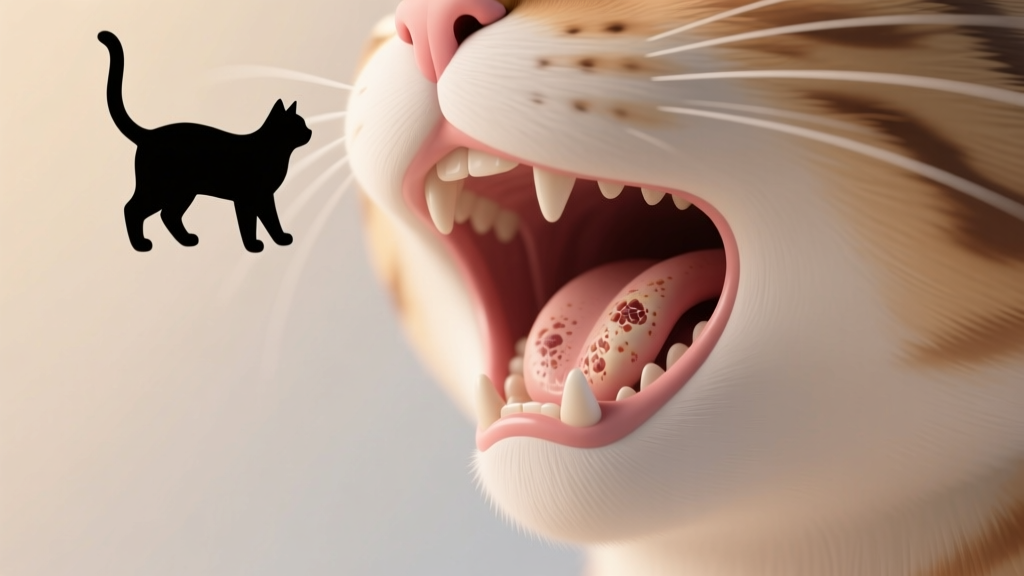
Feline Squamous Cell Carcinoma: Mouth Cancer Risks
1. Why this topic matters to cat owners
Few things are as heartbreaking as realizing your cat has been quietly uncomfortable for weeks or months. Mouth problems can be especially tricky because cats are experts at hiding pain, and many signs look like “normal picky eating” or mild dental disease. Feline squamous cell carcinoma (SCC) is one of the most common oral cancers in cats, and it often starts with subtle changes you could easily miss during daily routines.
The goal of this guide is to help you recognize early warning signs, understand which cats are at higher risk, and know what to expect at the veterinary clinic. If something seems “off” with your cat’s mouth, appetite, or breath, a veterinary visit is always the safest next step—early evaluation can make a real difference in comfort and options.
2. Overview: What is feline squamous cell carcinoma (oral SCC)?
Squamous cell carcinoma is a cancer that develops from squamous cells, which are thin, flat cells that line many surfaces of the body. In cats, SCC commonly affects the mouth (oral cavity), especially the:
- Tongue
- Gums (gingiva)
- Tonsillar area
- Floor of the mouth (under the tongue)
- Jaw bones (through local invasion)
Oral SCC tends to be locally aggressive, meaning it grows into surrounding tissues and can damage bone and soft tissue. It may spread (metastasize) to lymph nodes or lungs, but the bigger day-to-day problem is often local pain, infection, and difficulty eating.
Many cats with oral SCC are first suspected to have:
- Dental disease
- Gingivitis or stomatitis
- A tooth root abscess
- An oral injury
That’s why persistent mouth issues that don’t improve with routine dental care or antibiotics deserve a closer look, often including biopsy.
3. Symptoms and warning signs to watch for
Oral SCC can look like dental disease at first. Contact your veterinarian if you notice any of the following, especially if symptoms last more than a week or two, worsen, or come and go:
- Bad breath (halitosis) that is new or worsening
- Drooling (sometimes thick, ropey saliva)
- Blood-tinged saliva or blood spots on bedding/food bowls
- Difficulty eating: chewing on one side, dropping food, taking longer to finish meals
- Pawing at the mouth or face rubbing
- Weight loss or reduced appetite
- Swelling of the face or jaw; a “lump” in the mouth
- Loose teeth not explained by typical dental disease
- Hiding, irritability, or decreased grooming (common signs of pain)
- Change in meow or difficulty vocalizing
- Enlarged lymph nodes under the jaw/neck area
Quick at-home check (no force, no stress): When your cat is relaxed, gently lift the lip for a second or two and look for a sore, raised area, ulcer, bleeding spot, or asymmetry along the gums. If your cat resists, don’t push it—schedule a veterinary exam instead. A painful mouth can make handling unsafe for both you and your cat.
4. Causes and risk factors
There isn’t one single cause of oral SCC in cats, and many cats develop it without any obvious trigger. Research suggests a combination of environmental exposures, chronic inflammation, and individual susceptibility. Known or suspected risk factors include:
- Age: More common in middle-aged to older cats, though it can occur at other ages.
- Oral inflammation: Chronic dental disease or ongoing inflammation may contribute in some cats.
- Tobacco smoke exposure: Secondhand smoke is associated with higher risk of certain cancers in pets; keeping a smoke-free home is a practical protective step.
- Environmental chemicals: Regular exposure to certain chemicals may play a role, though direct links are not always clear.
- Dietary factors: Some studies have explored associations (for example, frequent canned food intake in certain contexts), but results are not definitive. The most useful takeaway is to focus on overall health, routine vet care, and early evaluation of symptoms.
- Oral trauma/irritation: Chronic irritation has been discussed as a possible contributor, but it is not a proven direct cause.
If you’re worried you “missed something,” try not to blame yourself. Oral cancers can develop even in well-cared-for cats with excellent home routines. What matters most is acting promptly when signs appear.
5. Diagnosis: Methods and what to expect at the vet
If your veterinarian suspects an oral tumor, the visit often includes several steps. The goal is to confirm what the growth is, determine how far it extends, and plan the most comfortable and effective treatment.
Common diagnostic steps include:
- Full oral exam: Many cats need sedation to allow a thorough, pain-free exam of the entire mouth.
- Dental/oral X-rays: Helps evaluate tooth roots and check for jaw bone invasion.
- Biopsy: A small tissue sample is taken and sent to a lab. This is the gold standard for diagnosis and can’t be replaced by looking at the lesion alone.
- Fine needle aspirate (FNA) of lymph nodes: Checks for spread to nearby nodes.
- Imaging: Skull X-rays, CT scan, or MRI may be recommended. A CT scan is especially helpful for mapping the tumor and planning surgery or radiation.
- Chest imaging: X-rays or CT to look for spread to the lungs.
- Bloodwork and urinalysis: Assesses overall health and anesthesia safety, and helps guide treatment choices.
What this feels like for your cat: Your veterinary team will focus on pain control and minimizing stress. If sedation/anesthesia is needed, your vet will discuss fasting, pre-anesthetic testing, and recovery monitoring. Don’t hesitate to ask about pain medication—oral disease is painful, and comfort is a top priority.
6. Treatment options (medical, surgical, home care)
Treatment depends on where the tumor is located, how large it is, whether bone is involved, and your cat’s overall health. Your veterinarian may refer you to a veterinary dentist, surgeon, or oncologist for advanced care.
Surgery
When feasible, surgery offers the best chance of controlling oral SCC, especially if caught early. Procedures may include removing part of the jaw (mandibulectomy) or upper jaw (maxillectomy) to obtain clean margins. This sounds overwhelming, but many cats adapt surprisingly well after recovery, particularly when pain is reduced and they can eat comfortably again.
- Best for: Smaller, localized tumors where clean margins are possible
- Limitations: Tumors under the tongue or involving extensive bone can be difficult to remove completely
Radiation therapy
Radiation can help control local disease, reduce pain, and slow tumor growth. It may be used alone or in combination with surgery.
- Best for: Tumors not fully removable or when surgery would be too invasive
- What to expect: Multiple treatments under light anesthesia/sedation; potential side effects such as mouth inflammation that your vet will manage with medications and supportive care
Chemotherapy and other medications
Chemotherapy has variable effectiveness for oral SCC in cats. It may be recommended in certain cases, sometimes alongside radiation, depending on tumor behavior and spread.
Other medical approaches may include:
- Pain control (very important): medications such as buprenorphine, gabapentin, and/or anti-inflammatory drugs if appropriate
- Antibiotics if there is secondary infection (not a cure for cancer, but can improve comfort)
- Appetite support if your cat is eating less
Nutritional and home care support
Supportive care makes a major difference in quality of life, regardless of the treatment plan.
- Make eating easier: Offer soft foods, warmed meals for stronger aroma, or a smooth slurry if recommended by your vet.
- Hydration: Provide multiple water stations or a cat fountain; ask your vet about hydration support if intake is low.
- Comfortable feeding setup: Wide, shallow bowls; quiet space; elevated bowls for some cats.
- Monitor weight weekly: Use a baby scale if possible; track trends, not just single readings.
- Consider a feeding tube (temporary or longer-term): This can sound scary, but it can be a compassionate tool to maintain nutrition and medication delivery while the mouth heals or when eating is painful.
Do not start human pain relievers at home. Many over-the-counter medications (like acetaminophen and ibuprofen) are dangerous for cats. Always consult a veterinarian for safe pain management.
7. Prevention strategies and early detection tips
There is no guaranteed way to prevent oral SCC, but you can reduce avoidable risks and improve the odds of earlier detection.
- Schedule regular veterinary exams: At least yearly for adult cats, and every 6 months for seniors or cats with dental disease.
- Address dental disease early: Professional dental cleanings when recommended, plus vet-approved home dental care if your cat tolerates it.
- Keep a smoke-free environment: If anyone smokes, do it outside and away from pets; wash hands and change clothing before close contact when possible.
- Do monthly “mini checks”: Watch your cat eat, look for drooling, sniff the breath, and do a brief lip-lift if your cat allows.
- Act fast on changes: Any mouth sore, swelling, bleeding, or one-sided chewing should be checked by a veterinarian.
- Keep a symptom log: Note appetite, weight, drooling, odor, and any bleeding. Bring photos if you can safely take them—this helps your vet track progression.
Practical step you can do today: Pick a day each month to weigh your cat and glance at the gums. Subtle weight loss is often one of the earliest clues that something hurts.
8. Prognosis and quality of life considerations
The prognosis for feline oral SCC is unfortunately often guarded because the tumor can be aggressive and difficult to remove completely. That said, every case is different. Earlier detection, smaller tumor size, and the ability to pursue surgery and/or radiation can improve outcomes and comfort.
Quality of life is the center of good decision-making. Your veterinary team may discuss:
- Pain control plan (and adjusting it as needs change)
- Nutritional support to prevent weight loss
- Managing mouth infection and odor to keep your cat comfortable and social
- Activity and behavior: is your cat resting comfortably, interacting, grooming, and enjoying favorite routines?
Many cats do best with a combination of medical treatment (when appropriate) and strong palliative care focused on comfort. If treatment is not pursued, palliative care is still meaningful care—pain management and nutritional support can significantly improve day-to-day wellbeing.
9. When to seek emergency veterinary care
Contact an emergency vet or urgent clinic right away if you notice any of the following:
- Trouble breathing, open-mouth breathing, or significant respiratory distress
- Inability to eat or drink for 24 hours (or sooner in kittens/seniors)
- Uncontrolled bleeding from the mouth or repeated bleeding episodes
- Severe facial swelling, sudden worsening pain, or collapse
- Extreme lethargy or signs of dehydration (sunken eyes, very sticky gums, weakness)
- Suspected toxin ingestion (including human pain meds given accidentally)
If your cat is painful and resisting handling, don’t try to pry the mouth open at home. It’s safer to keep them calm, in a carrier, and get professional help.
10. FAQ
Is squamous cell carcinoma in a cat’s mouth the same as dental disease?
No, but it can look similar at first. Dental disease can cause bad breath, drooling, and gum inflammation—so can oral SCC. A persistent sore, swelling, or worsening symptoms despite dental treatment are reasons to ask your vet about biopsy or advanced imaging.
How fast does oral SCC progress in cats?
Progression varies, but oral SCC is often locally aggressive. Some cats show gradual changes over weeks, while others seem to decline quickly once eating becomes painful. Any ongoing mouth symptoms should be evaluated promptly.
Can a cat with oral SCC still have a good quality of life?
Many cats can, especially with strong pain control, nutrition support, and a tailored treatment plan. Even when a cure isn’t possible, comfort-focused care can help cats continue to enjoy family time, grooming, and favorite foods (often in modified form).
Will my cat stop eating if their mouth hurts?
Some cats keep trying to eat even when they hurt, but they may chew differently, drop food, or prefer soft foods. Others reduce intake or avoid food entirely. Any appetite change, especially with drooling or bad breath, warrants a vet visit.
Is a biopsy safe? Will it make the cancer spread?
A biopsy is generally safe and is the most reliable way to get a diagnosis. The idea that a biopsy “causes spread” is a common worry, but it is not considered a typical risk in standard veterinary practice. Your vet will use appropriate technique and pain control.
What can I do at home while waiting for a vet appointment?
Offer soft, smelly foods warmed slightly (not hot), keep water easily accessible, and monitor eating, drooling, and any bleeding. Avoid human medications. If your cat stops eating, seems very painful, or has bleeding or breathing issues, seek urgent care rather than waiting.
If you suspect your cat may have mouth pain or an oral mass, schedule a veterinary exam as soon as you can. Early evaluation provides the best chance for more options and better comfort.
For more trustworthy cat health resources, symptom guides, and care tips, visit catloversbase.com.