Feline Syringomyelia and Chiari Malformation Link
1. Why this topic matters to cat owners
Most cat owners expect occasional hairballs, picky eating, or the odd limp after a wild “zoomies” session. Neurologic conditions aren’t usually top of mind—until a cat starts acting painful, uncoordinated, or strangely sensitive around the head and neck. Syringomyelia (SM) and Chiari-like malformation (often shortened to CM) are uncommon in cats, but they can cause real discomfort and confusing symptoms that are easy to mistake for skin problems, ear infections, arthritis, or “just getting older.”
Learning the connection between SM and CM helps you do two things that matter most: recognize subtle warning signs earlier and seek the right veterinary help sooner. Earlier diagnosis often means better pain control, better mobility, and a better day-to-day quality of life for your cat.
2. Overview in plain language: what CM and syringomyelia are (and how they’re linked)
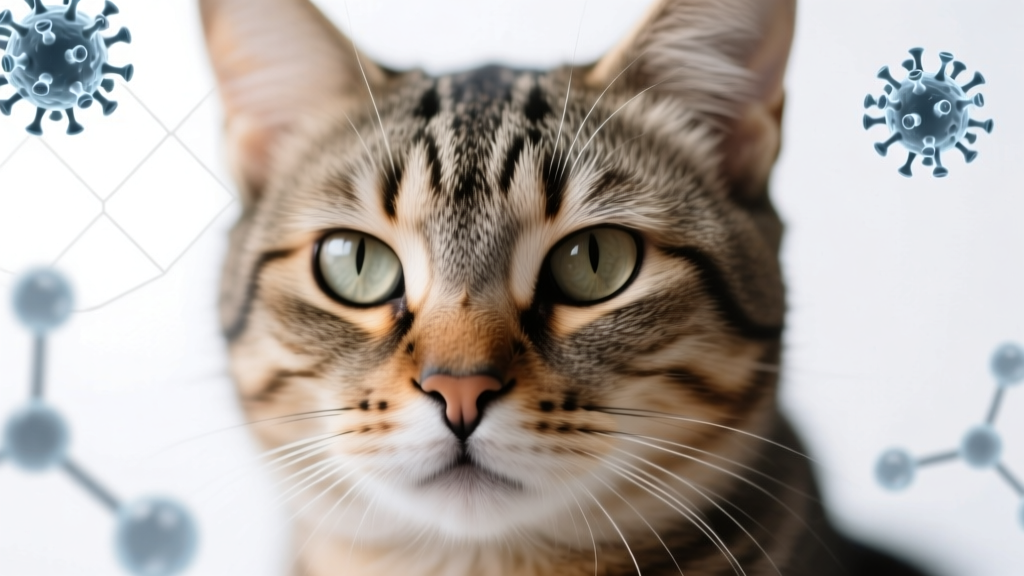
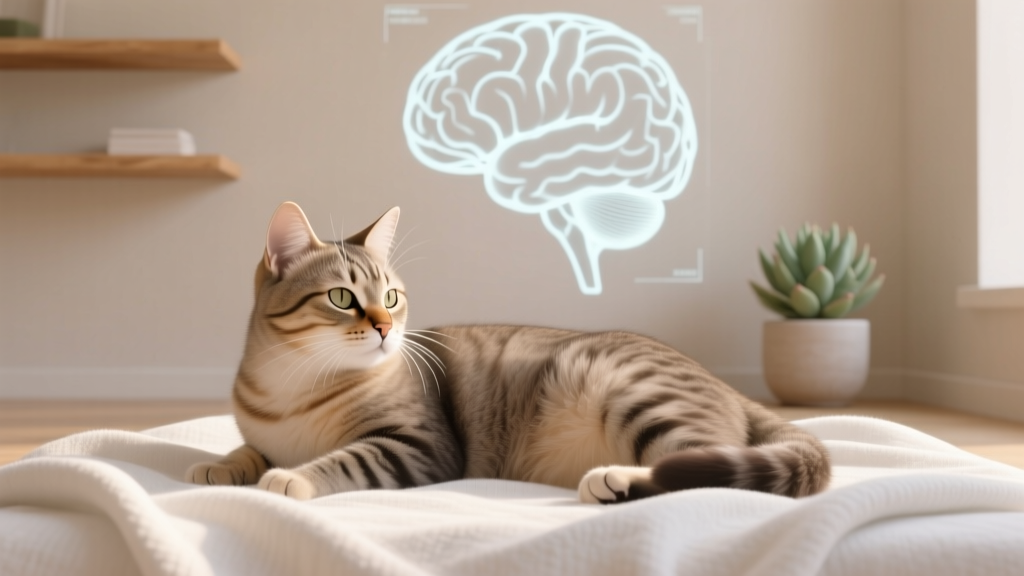
Chiari-like malformation (CM) describes a mismatch between the size/shape of the skull and the brain structures at the back of the head. When the bony space is too small, tissues near the base of the brain can become crowded. That crowding may disrupt the normal flow of cerebrospinal fluid (CSF)—the fluid that cushions the brain and spinal cord.
Syringomyelia (SM) occurs when fluid-filled cavities (called syrinxes) form within the spinal cord. These cavities can expand and place pressure on spinal cord tissue, leading to pain, nerve dysfunction, and mobility changes.
The link: In many patients (more commonly described in dogs, but also possible in cats), CM can interfere with CSF flow at the junction where the skull meets the spine. Over time, abnormal CSF dynamics may contribute to the development of a syrinx in the spinal cord. Not every cat with CM develops SM, and syringomyelia can have other causes, but the CM–SM relationship is a key concept because it helps guide diagnostics and treatment planning.
Think of it like a plumbing problem: if fluid flow is turbulent or blocked near the “top,” pressure changes can show up farther down in the “pipes.” In the nervous system, those pressure changes can contribute to a cavity forming inside the spinal cord.
3. Symptoms and warning signs to watch for
Signs can vary depending on where the syrinx is located, how large it is, and how much pain is present. Some cats show subtle changes at home but appear “fine” during a quick exam, so your observations are valuable.
Common signs owners may notice
- Neck or head pain: reluctance to be touched around the head/neck, flinching, hiding, or yowling when picked up.
- Sensitivity to touch: seeming “overreactive” to petting along the neck, shoulders, or back.
- Unusual scratching: repetitive scratching at the neck/shoulder/ear region, sometimes without obvious skin irritation.
- Changes in gait: wobbliness, stiffness, dragging toes, slipping on floors, or trouble jumping up/down.
- Weakness: tiring easily, hind-end weakness, or reluctance to climb stairs.
- Odd posture: head held low, hunched back, or guarding the neck.
- Behavior changes: irritability, reduced play, reduced grooming, or sleeping more (often due to chronic pain).
Signs that can look like other problems
- Ear scratching or head shaking (may mimic ear infection or allergies)
- Appetite changes (pain can reduce appetite)
- Vocalizing at night (discomfort or confusion)
Action you can take today: If you notice any of the above, start a simple log for 7–14 days. Write down what you observe, when it happens, what seems to trigger it (picking up, brushing, jumping), and whether it’s getting worse. Short videos of gait changes or scratching episodes can help your veterinarian significantly.
4. Causes and risk factors
In cats, the CM–SM combination is considered rare and can be underdiagnosed because advanced imaging is required. Potential causes and risk factors include:
- Congenital (present from birth) skull shape differences: A cat may be born with a smaller or differently shaped space at the back of the skull, predisposing to CM.
- Breed-related tendencies: Some brachycephalic (short-nosed) breeds may have higher risk for skull-related crowding, though strong feline-specific data is limited compared to dogs.
- Spinal cord injury or inflammation: Syringomyelia can also develop secondary to trauma, spinal inflammation, meningitis, tumors, or other processes that alter CSF flow.
- Age: Signs may appear in young adulthood or later, depending on how quickly the syrinx forms or progresses.
Many cats with neurologic pain have more common conditions (ear disease, dental pain, arthritis, hyperesthesia syndrome, skin allergies). Because of that, a thorough veterinary workup is essential rather than assuming SM or CM based on one symptom.
5. Diagnosis: what to expect at the vet
Diagnosis usually happens step-by-step. Your veterinarian’s goal is to confirm the source of pain or neurologic change and rule out more common causes first.
Typical diagnostic process
- History and home observations: Your notes and videos help pinpoint patterns.
- Physical exam: Checking skin/ears, palpating the spine and neck, looking for pain responses.
- Neurologic exam: Evaluating gait, reflexes, paw placement, cranial nerve function, and spinal pain localization.
- Basic lab work: Bloodwork/urinalysis may be recommended to look for systemic illness and to ensure safe medication choices.
- Imaging:
- MRI (most informative): The best test for visualizing CM changes, CSF flow crowding, and syrinx formation within the spinal cord.
- CT scan: Helpful for bony skull anatomy; less detailed than MRI for spinal cord cavities.
- X-rays: Limited for CM/SM but may rule out obvious spinal arthritis, fractures, or other changes.
Most cats need sedation or general anesthesia for MRI/CT to keep them still and safe. Your vet will review anesthesia risks and pre-anesthetic testing. If CM/SM is suspected, your primary vet may refer you to a veterinary neurologist for advanced diagnostics and treatment planning.
Practical tip: Ask your vet these questions at the appointment:
- “What are the top 3 likely causes of these signs in my cat?”
- “What would make you recommend MRI sooner rather than later?”
- “How will we measure response to treatment?”
6. Treatment options: medical, surgical, and home care
Treatment depends on severity, MRI findings, and how much pain or neurologic dysfunction your cat has. The goals are to control pain, protect neurologic function, and maintain a happy, active lifestyle.
Medical management (often first-line)
- Pain control for neuropathic pain: Medications such as gabapentin or pregabalin are commonly used for nerve-related pain. Dosing is individualized and should be prescribed by a veterinarian.
- Anti-inflammatory medications: In some cases, a vet may consider corticosteroids or other anti-inflammatory approaches. These have important side effects and require careful monitoring.
- Medications aimed at CSF dynamics: In certain patients, drugs that may reduce CSF production or address pressure-related issues can be discussed with a neurologist. This is highly case-dependent.
- Treating secondary issues: Muscle relaxants, anti-nausea meds, or appetite support may be used if pain disrupts eating or comfort.
Surgical options (selected cases)
If CM is severe and clearly disrupting CSF flow, a neurologist may discuss decompression surgery to create more space at the back of the skull and improve CSF movement. Surgery is not appropriate for every cat and does not guarantee a cure, but it can reduce pain and slow progression in some patients. Surgical decision-making typically considers:
- Severity of clinical signs
- Degree of CSF obstruction/crowding on MRI
- Size and location of syrinx(es)
- Overall health and anesthesia risk
- Owner goals and ability to manage recovery
Home care: changes that make a real difference
- Gentle handling: Avoid lifting in ways that flex the neck. Support the chest and hips evenly.
- Reduce jumping strain: Use pet steps/ramps to beds and favorite perches.
- Comfortable resting spots: Provide supportive, warm bedding in quiet areas.
- Low-stress routine: Predictable feeding/play schedules reduce tension that can worsen pain behaviors.
- Floor traction: Add runners or non-slip mats if your cat slips, especially on tile or hardwood.
- Medication consistency: Give medications exactly as prescribed; don’t stop suddenly unless instructed.
Never give human pain medications (like ibuprofen, naproxen, or acetaminophen) unless a veterinarian specifically directs you—many are toxic to cats.
7. Prevention strategies and early detection tips
Because CM is often congenital and SM can be structural, there’s no guaranteed prevention. What you can do is reduce delays in diagnosis and minimize flare-ups.
- Schedule a vet visit early for recurring neck pain, unexplained sensitivity, or repeated “phantom” scratching.
- Keep a symptom diary and bring videos to appointments.
- Maintain a healthy weight to reduce strain on joints and spine.
- Use gentle grooming tools and stop if your cat reacts painfully along the neck/back.
- Choose appropriate collars/harnesses: If your cat walks on a harness, a well-fitted harness may be more comfortable than anything that places pressure around the neck. Ask your vet what’s best for your cat’s situation.
- Breeding considerations: If you have a breeding cat and CM/SM is diagnosed, discuss ethical breeding recommendations with a veterinary specialist.
8. Prognosis and quality of life
Prognosis varies widely. Some cats respond very well to medical therapy and live comfortably with periodic monitoring. Others may have progressive signs requiring medication adjustments, advanced pain management, or surgical consultation.
Quality of life is the focus. Many cats do best with:
- Regular rechecks to adjust pain control before symptoms escalate
- Stable routines and an environment that reduces physical strain
- Clear “good day/bad day” tracking so you and your vet can objectively assess progress
If your cat is diagnosed with CM/SM, ask your veterinarian or neurologist for a personalized monitoring plan, including how often to recheck, what changes require a call, and what medication side effects to watch for (sleepiness, wobbliness, appetite changes, constipation, etc.).
9. When to seek emergency veterinary care
Most cases are not immediate emergencies, but certain signs should be evaluated urgently. Seek emergency veterinary care if your cat has:
- Sudden inability to walk, collapse, or severe weakness
- Rapidly worsening coordination or repeated falling
- Severe, uncontrolled pain (continuous crying, inability to settle, aggression due to pain)
- Trouble breathing or open-mouth breathing
- Seizures
- Loss of bladder/bowel control or inability to urinate
- Suspected toxin exposure or accidental ingestion of human medications
If you’re unsure, it’s always appropriate to call your veterinarian or an emergency clinic for guidance—especially with neurologic symptoms that change quickly.
10. FAQ: common questions cat owners ask
Can syringomyelia in cats be mistaken for skin allergies or ear problems?
Yes. Repetitive scratching near the neck/ear and touch sensitivity can look like allergies, fleas, or an ear infection. The difference is that SM-related scratching may occur without obvious skin lesions, may be triggered by neck movement or excitement, and may come with gait changes or neck pain. A veterinary exam is the best way to sort this out.
Is Chiari-like malformation the same as a brain tumor?
No. CM is a structural “crowding” issue at the back of the skull rather than a mass growing in the brain. That said, MRI is often recommended because it can evaluate CM/SM and also rule out other serious causes of pain or neurologic signs.
Will my cat definitely need surgery if CM or SM is diagnosed?
Not necessarily. Many cats are managed medically, especially if pain is controlled and neurologic deficits are mild. Surgery is usually considered when there is significant CSF obstruction, severe pain that isn’t controlled with medication, or progressive neurologic decline. A veterinary neurologist can help you weigh risks and benefits.
How long can a cat live with syringomyelia?
Some cats live for years with good quality of life when symptoms are well managed. Longevity depends on how severe the condition is, how well pain can be controlled, and whether neurologic function remains stable. Regular follow-ups help keep treatment effective over time.
What can I do at home while waiting for a neurology appointment?
Follow your veterinarian’s instructions for pain relief (do not start new medications on your own), keep activity gentle, use ramps/steps to reduce jumping, and record symptoms and videos. Minimize stressful handling and support your cat’s body evenly when lifting.
Could this be something else entirely?
Absolutely. Neck pain, sensitivity, and scratching can be caused by arthritis, dental pain, ear disease, skin allergies, trauma, hyperesthesia syndrome, or other neurologic conditions. That’s why professional veterinary evaluation—and imaging when indicated—is so valuable.
If your cat shows persistent neck pain, unexplained sensitivity, or mobility changes, schedule a veterinary visit. Getting answers is the first step toward relief, and many cats do very well with thoughtful, consistent management.
For more caring, practical cat health guidance, visit catloversbase.com and explore our growing library of feline wellness resources.