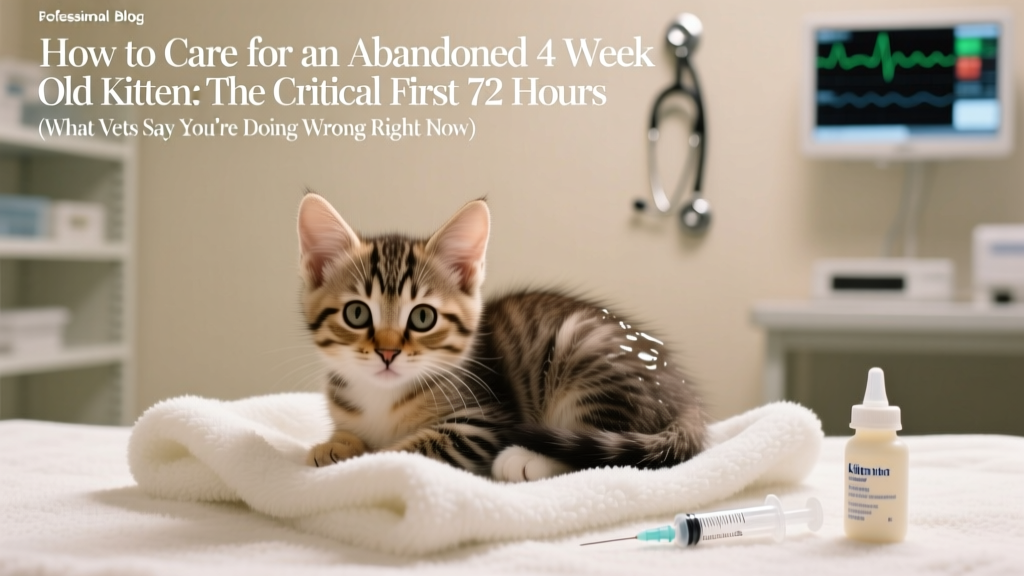
How to Care for an Abandoned 4 Week Old Kitten: The Critical First 72 Hours (What Vets Say You’re Doing Wrong Right Now)
Why This Moment Changes Everything
If you’ve just found an abandoned 4 week old kitten — trembling, eyes wide, too small to groom itself or regulate its body temperature — you’re holding more than a fragile life. You’re holding a narrow, 72-hour window where every decision directly impacts survival, neurological development, and lifelong immunity. How to care for an abandoned 4 week old kitten isn’t just about feeding or warming — it’s about replicating the precise biological scaffolding that mother cats provide instinctively: thermoregulation, passive immunity transfer, gut microbiome seeding, and neural imprinting through touch and sound. At four weeks, kittens are in a critical transition phase: they’re weaning but still immunologically naive, mobile but uncoordinated, curious but dangerously susceptible to hypothermia, dehydration, and feline panleukopenia. Without intervention, mortality spikes dramatically — one peer-reviewed study in the Journal of Feline Medicine and Surgery found that orphaned kittens under 5 weeks have a 68% higher risk of death without human-guided care versus those raised by queens. This guide distills evidence-based protocols from shelter veterinarians, neonatal feline specialists, and foster coordinators who’ve saved over 12,000 kittens in the past decade.
Step 1: Stabilize — Warmth, Hydration, and Immediate Assessment
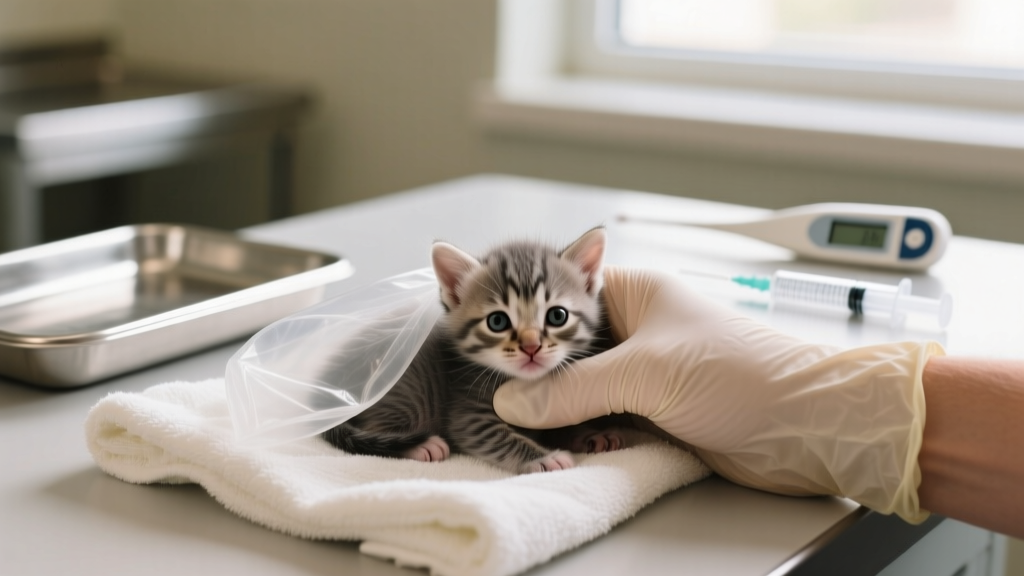
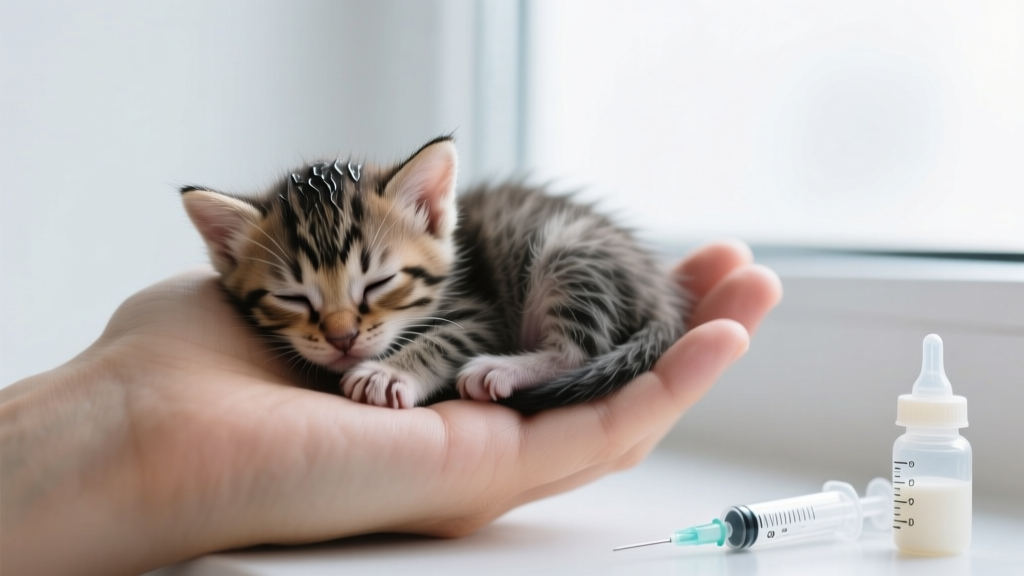
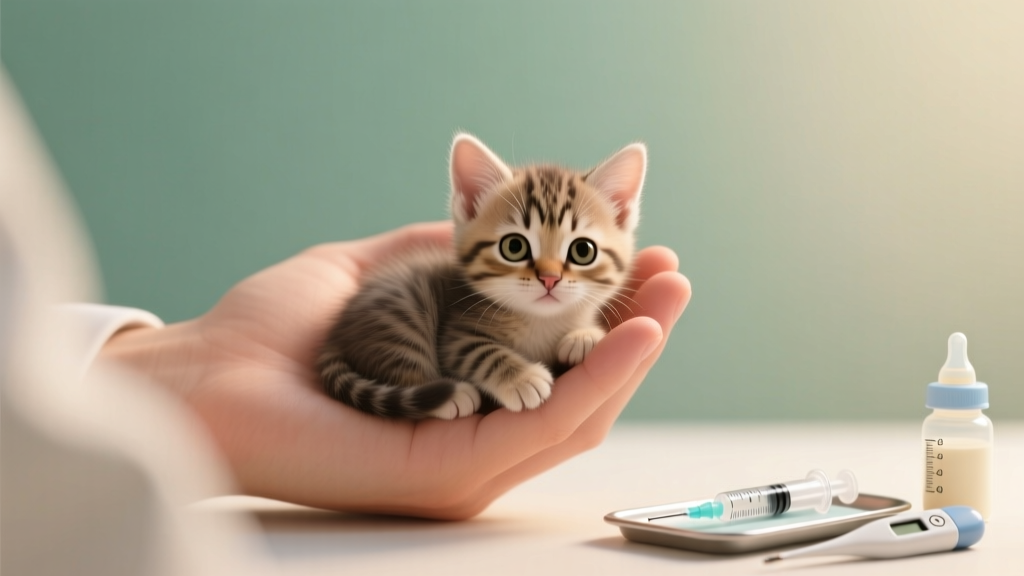
Your first priority is not food — it’s stabilization. A cold kitten cannot digest milk. Hypothermia slows heart rate, depresses immune function, and shuts down intestinal motility. Before offering anything, assess core temperature using a digital rectal thermometer (lubricated with water-based lube). Normal temp: 100–102.5°F. If below 99°F, immediate warming is non-negotiable.
Do NOT use heating pads or direct heat sources. These cause burns or thermal shock. Instead: wrap a rice sock (1/2 cup uncooked rice in a clean sock, microwaved 30 sec, shaken well) in two layers of fleece, place it beside — not under — the kitten in a small, enclosed box. Add a soft blanket for burrowing. Monitor every 10 minutes. Once rectal temp reaches 100°F, wait 20 minutes before proceeding to hydration.
Dehydration is the second silent killer. Check skin elasticity (gently pinch scruff — it should snap back instantly), gum moisture (should be slick, not tacky), and capillary refill time (<2 seconds). If dehydrated, administer oral electrolyte solution (Pedialyte unflavored, diluted 50/50 with warm water) via 1mL syringe *slowly*, drop-by-drop into the cheek pouch — never force. Give 2–3 mL per 100g body weight over 30 minutes. A typical 4-week-old weighs 250–350g, so start with 5–8 mL total. Skip formula until fully warmed and hydrated — forcing milk into a cold, dehydrated kitten risks aspiration pneumonia or bloat.
Step 2: Feeding & Nutrition — Formula, Frequency, and the Weaning Bridge
At 4 weeks, kittens are developmentally ready to begin weaning — but they’re not ready to eat dry food alone. Their teeth are erupting (canine tips visible), jaws are weak, and digestive enzymes for solid food are still maturing. According to Dr. Susan Little, DVM and feline specialist with the American Association of Feline Practitioners, "Forcing full solids at 4 weeks causes malnutrition, diarrhea, and failure to thrive. The ideal approach is a graduated slurry — not a binary switch."
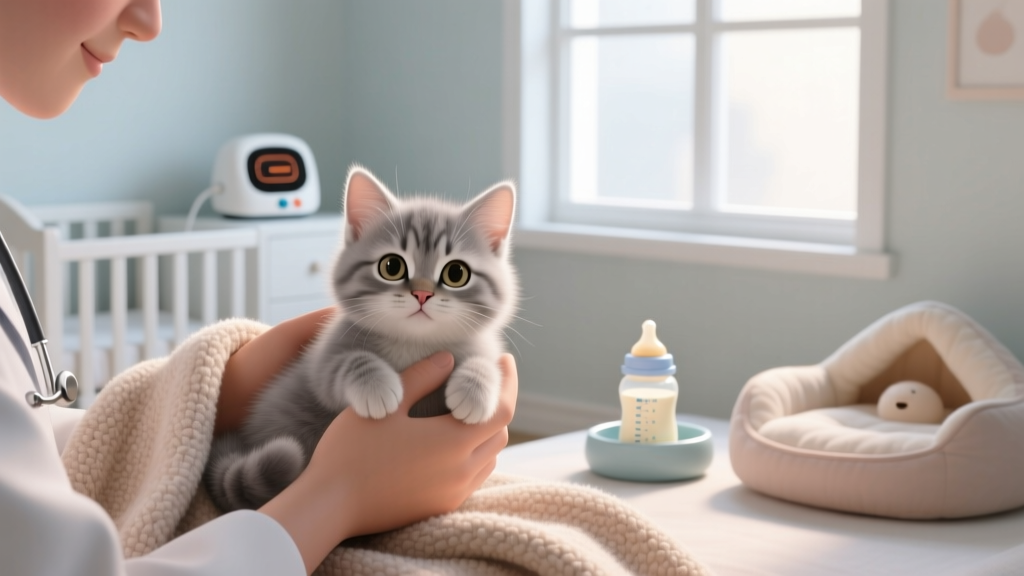
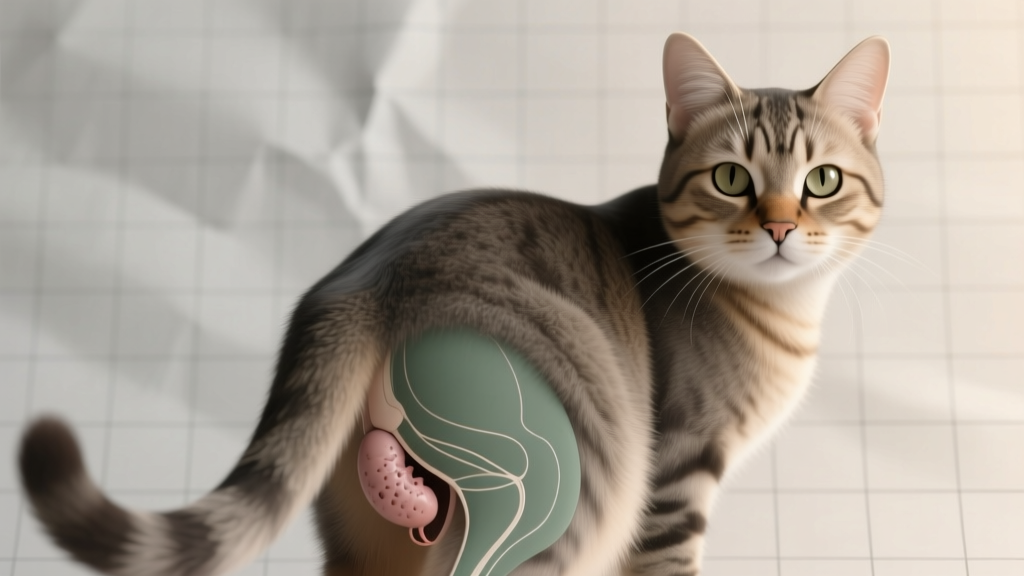
Use only kitten milk replacer (KMR or Just Born), never cow’s milk (causes severe diarrhea and metabolic acidosis). Warm formula to 100°F — test on your wrist like baby bottle. Feed every 4 hours (6x/day) using a 3mL syringe or shallow dish — encourage lapping, not suckling, to build jaw strength. After each feeding, gently stimulate elimination with warm, damp cotton ball — rub in circular motion over anus and genitals for 60 seconds. Kittens this age still require full stimulation until ~5 weeks.
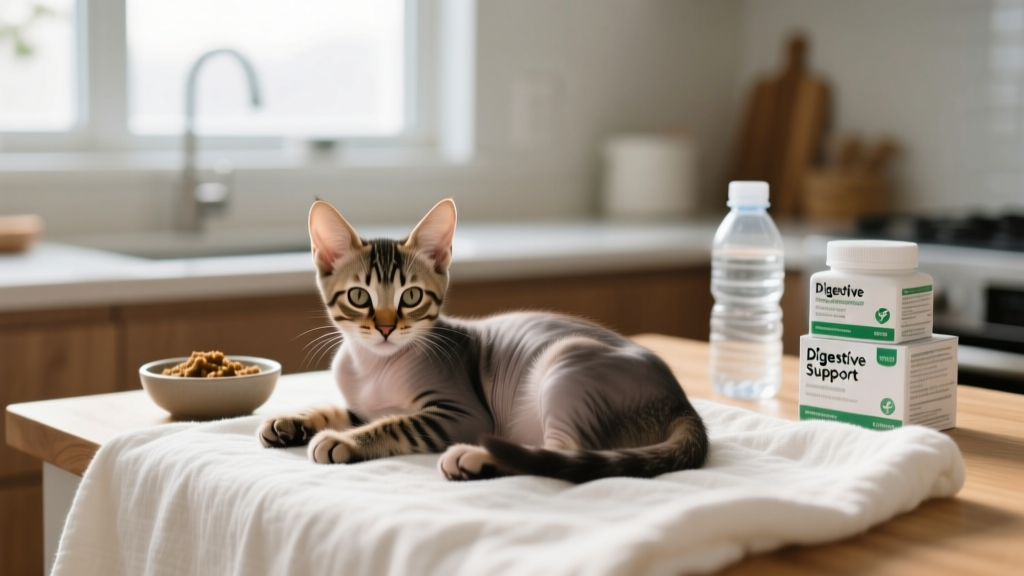
Begin weaning at day 1: mix 1 part high-quality pate-style kitten food (e.g., Royal Canin Babycat or Hill’s Science Diet Kitten) with 3 parts warm KMR to form a thin gruel. Offer in a shallow ceramic dish. Let them explore — don’t force. By day 5, reduce liquid to 2 parts; by day 10, 1 part. Introduce dry kibble soaked in warm water separately — texture matters more than protein content at this stage. Always provide fresh water in a low-rimmed bowl.
Step 3: Health Monitoring & Preventive Care — What to Watch For (and When to Rush)
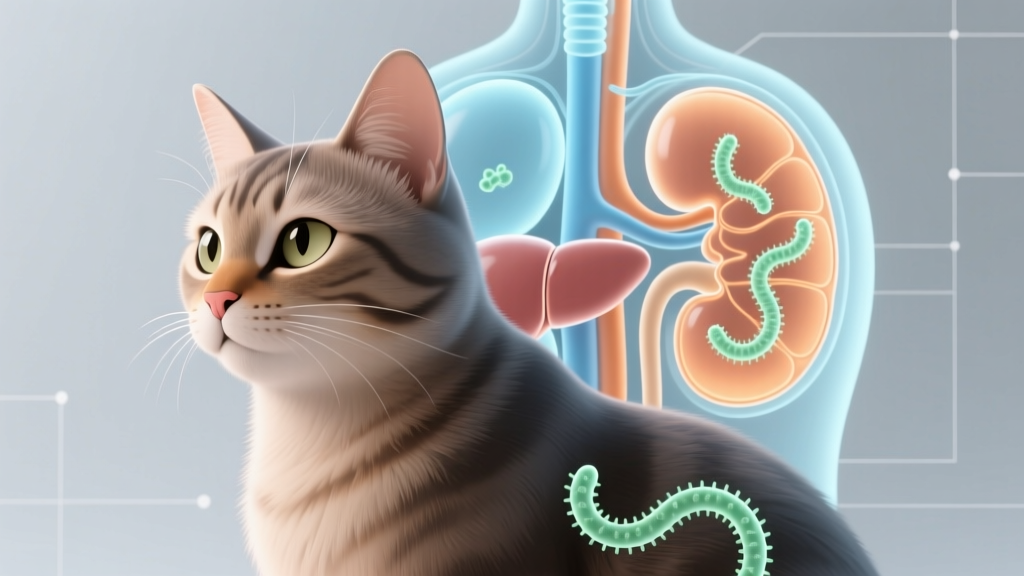
A 4-week-old kitten has no functional adaptive immunity. Maternal antibodies wane rapidly after 3 weeks, leaving them defenseless against common pathogens. That’s why daily health checks aren’t optional — they’re diagnostic lifelines.
- Eyes: Should be fully open, clear, and bright. Discharge, crusting, or cloudiness signals upper respiratory infection (URI) — often caused by feline herpesvirus or calicivirus. Isolate immediately and contact a vet.
- Stool: Should be soft but formed, mustard-yellow to tan. Green, frothy, or bloody stool indicates bacterial overgrowth (e.g., E. coli) or coccidia — both treatable but urgent.
- Respiration: Normal rate: 20–30 breaths/min. Open-mouth breathing, wheezing, or nasal discharge means pulmonary compromise — URI can kill within 48 hours untreated.
- Weight: Must gain 7–10g per day. Weigh daily at same time on a gram-scale. Failure to gain for 2 consecutive days = red flag.
Parasites are near-universal in orphaned kittens. At 4 weeks, perform fecal floatation (ask your vet for a sample kit). Treat for roundworms with pyrantel pamoate (1 ml/10 lbs) — safe, effective, and FDA-approved for kittens as young as 2 weeks. Avoid over-the-counter dewormers with fenbendazole unless prescribed: incorrect dosing causes neurotoxicity. Flea infestations are deadly at this age — never use topical flea products. Use a fine-tooth flea comb over white paper; drown fleas in soapy water. Environmental cleaning (vacuuming, washing bedding in hot water) is essential.
Step 4: Socialization & Development — The 4-Week Window That Shapes Personality
The period between 3–7 weeks is the primary socialization window for kittens — a biologically timed sensitivity period when neural pathways for trust, fear modulation, and interspecies bonding are cemented. Missing this window increases lifetime risk of anxiety, aggression, and handling resistance by up to 400%, per research published in Applied Animal Behaviour Science.
Here’s your evidence-backed protocol:
- Human touch: Minimum 2 hours/day of gentle handling — stroking, cradling, talking softly. Rotate caregivers to prevent single-person attachment.
- Litter training: Introduce a low-sided litter box with unscented, non-clumping litter (clay dust causes respiratory irritation). Place kitten in box after every meal and naps. Reward with soft praise — never punishment.
- Environmental enrichment: Provide cardboard boxes, crinkle balls, and feather wands (supervised). Avoid strings or small detachables — ingestion risk is highest at 4–6 weeks.
- Littermate interaction: If multiple orphans, keep together. Play-fighting teaches bite inhibition and social cues. Solitary kittens need extra human interaction to compensate.
By 5 weeks, introduce novel sounds (recorded vacuum hum, doorbell chimes) at low volume. By 6 weeks, add brief, positive exposure to dogs (leashed, calm, vaccinated) and children (supervised, seated, gentle hands). Always end sessions on a calm note — never force interaction.
| Age | Key Developmental Milestones | Critical Care Actions | Risk Red Flags |
|---|---|---|---|
| 4 Weeks | Eyes fully open; ears upright; walking confidently; incisors emerging; begins vocalizing beyond mewing | Start gruel weaning; begin litter training; initiate socialization; deworm; check for URI symptoms | No weight gain for 48+ hrs; persistent diarrhea >24 hrs; labored breathing; lethargy lasting >2 hrs post-warming |
| 5 Weeks | Can climb, jump short distances; plays chase; begins grooming self; develops play-biting patterns | Transition to thicker gruel; introduce dry kibble soaked in water; schedule first vet visit + baseline bloodwork; begin vaccine series (FVRCP) | Refusal to eat solids for >24 hrs; vomiting >2x in 12 hrs; seizures or tremors; inability to stand steadily |
| 6 Weeks | Full set of deciduous teeth; confident litter use; recognizes caregiver voice; shows curiosity toward new objects | Offer dry kibble freely; continue socialization with diverse people/pets; administer second FVRCP dose; spay/neuter consult | Sudden weight loss; hiding >4 hrs/day; excessive vocalization at night; failure to use litter box consistently |
| 7–8 Weeks | Self-grooming proficient; sleeps through night; forms attachments; begins ‘kneading’ behavior | Complete weaning; microchip; finalize vaccination series; behavioral assessment for adoption readiness | Aggression toward hands during play; chronic diarrhea despite diet change; persistent URI signs beyond 10 days |
Frequently Asked Questions
Can I feed an abandoned 4 week old kitten cow’s milk?
No — absolutely not. Cow’s milk contains lactose and casein proteins that kittens lack the enzymes to digest. This causes osmotic diarrhea, rapid dehydration, metabolic acidosis, and can trigger fatal sepsis in immunocompromised orphans. Kitten milk replacer (KMR) is scientifically formulated with the correct fat:protein:carb ratio, taurine, and prebiotics to support gut health. If KMR is unavailable temporarily, a short-term emergency substitute is 1 cup goat’s milk + 1 tsp light corn syrup + 1 egg yolk — but this lacks essential nutrients and should be used for <24 hours only, followed by immediate KMR transition.
How often should I stimulate elimination at 4 weeks?
Continue stimulating after every feeding and nap — typically 6–8 times per day. While some kittens begin voluntary elimination around 4 weeks, most still require full assistance until 5 weeks. Stop only when you observe consistent, independent squatting and straining in the litter box for 3 consecutive days. Never skip stimulation: retained urine leads to urinary tract infections; retained stool causes megacolon or toxic buildup.
Is it safe to bathe a 4 week old kitten?
No — bathing is dangerous and unnecessary. Kittens cannot thermoregulate effectively, and wet fur causes rapid heat loss. If soiled, spot-clean with warm, damp cloth and fragrance-free baby wipe. Dry thoroughly with towel and warm air (not hair dryer). Bathing should be reserved for confirmed flea infestation — and even then, only under veterinary guidance using kitten-safe pyrethrin shampoo, with strict temperature control and immediate drying.
When should I take my abandoned 4 week old kitten to the vet?
Within 24–48 hours of rescue — even if seemingly healthy. A baseline exam screens for congenital defects (cleft palate, heart murmurs), parasite load, URI incubation, and nutritional status. Delaying increases risk: studies show kittens seen by vets within 48 hours have 3.2x higher survival rates. Bring fecal sample, weight log, and feeding notes. If any red flags appear (see table above), go immediately — don’t wait.
Can I raise a 4 week old kitten alone, or do I need another kitten?
You can raise one successfully — but it demands significantly more time and intentionality. Single kittens require double the socialization time (4+ hours/day) to develop species-appropriate behaviors. Without littermates, they may redirect play-biting onto human hands, fail to learn bite inhibition, or develop separation anxiety. If possible, foster with another kitten of similar age — even for 2 weeks — dramatically improves emotional resilience and reduces long-term behavioral issues.
Common Myths
Myth #1: “If it’s walking and opening its eyes, it’s fine on its own.”
Reality: Mobility and visual development do not equal physiological independence. At 4 weeks, kittens still rely on external warmth, assisted elimination, maternal antibody protection, and guided nutrition. Their immune system operates at ~30% capacity of an adult cat’s — making them highly vulnerable to environmental pathogens.
Myth #2: “Feeding more formula will help it catch up faster.”
Reality: Overfeeding causes bloat, aspiration, and fatal gastrointestinal stasis. Four-week-olds have tiny stomachs (~5–7mL capacity). Follow strict 6x/day, 5–7mL per feeding max. Weight gain — not volume consumed — is the true metric of success.
Related Topics (Internal Link Suggestions)
- Kitten Weaning Schedule Timeline — suggested anchor text: "step-by-step kitten weaning timeline"
- Signs of Kitten Distress and Emergency Symptoms — suggested anchor text: "kitten emergency warning signs"
- Best Kitten Milk Replacers Ranked by Veterinarians — suggested anchor text: "top vet-recommended kitten formulas"
- How to Socialize a Feral Kitten at 4 Weeks — suggested anchor text: "feral kitten socialization guide"
- When to Start Vaccinating Orphaned Kittens — suggested anchor text: "orphaned kitten vaccination schedule"
Conclusion & Your Next Step
Caring for an abandoned 4 week old kitten is equal parts science and soul — a precise blend of thermoregulation protocols, nutritional biochemistry, developmental psychology, and quiet compassion. You now hold the knowledge that separates life from loss in those first fragile days: how to warm without burning, feed without overwhelming, stimulate without stressing, and socialize without scaring. But knowledge alone isn’t enough. Your next step is action — and it starts within the next 2 hours. Grab a gram scale, a digital thermometer, KMR, and a shallow dish — then weigh and temperature-check your kitten right now. If you’re missing any supplies, call your local shelter or vet clinic: most offer free neonatal kits for rescuers. And if uncertainty lingers — if breathing seems shallow or gums look pale — don’t hesitate. Pick up the phone. That call could be the difference between a purring companion and a silent box. You didn’t find this kitten by accident. You’re exactly who it needed — and now, armed with evidence, empathy, and urgency, you’re exactly who it gets.