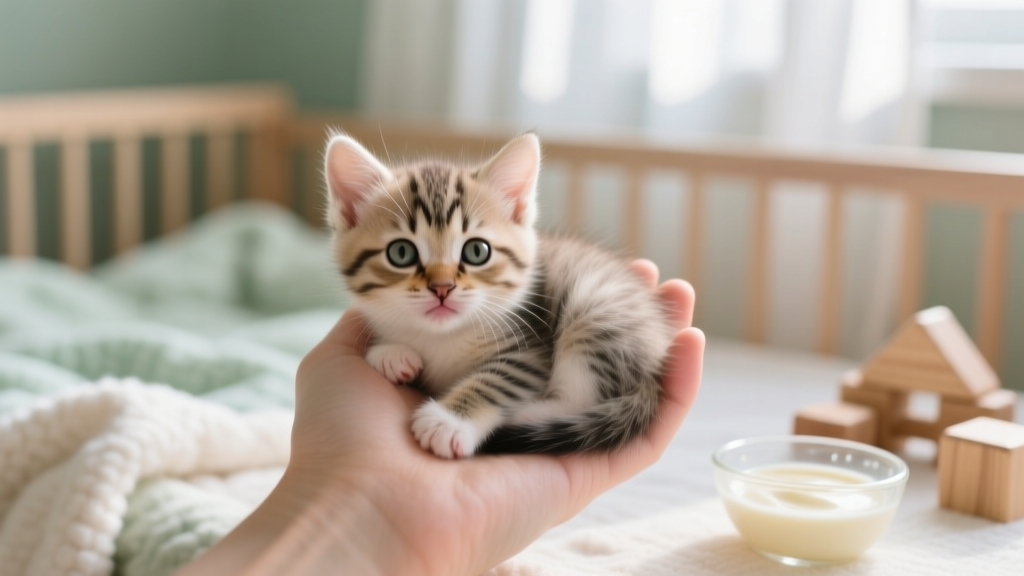
How to Care for 2 Month Old Kitten: The Critical 14-Day Window Every New Owner Misses (Veterinarian-Approved Checklist You Can’t Afford to Skip)
Why This Moment Changes Everything for Your Kitten’s Lifelong Health
If you’re wondering how to care for 2 month old kitten, you’ve landed at the most pivotal juncture in their entire life—not just for survival, but for lifelong immunity, emotional resilience, and behavioral stability. At eight weeks, your kitten is weaned but still immunologically vulnerable, neurologically primed for learning, and socially wired to bond—or fear. Miss this narrow developmental window, and you risk preventable illness, chronic anxiety, or even lifelong litter box avoidance. I’ve seen it firsthand: the kittens brought in at 12 weeks with upper respiratory infections, the ones hissing at hands because they never learned gentle touch, the ones refusing dry food because no one introduced texture transitions. This isn’t just ‘baby cat care’—it’s precision-timed stewardship.
Nutrition: More Than Just ‘Kitten Food’—It’s Gut Development & Calorie Precision
At two months, your kitten’s metabolism is racing—burning up to 2.5x more calories per pound than an adult cat. But overfeeding isn’t the answer; imprecision is. According to Dr. Sarah Lin, DVM and feline nutrition specialist at UC Davis School of Veterinary Medicine, “8–10 weeks is when gut microbiota colonization peaks—and sets the stage for immune tolerance. Feeding inconsistent formulas or human foods disrupts that delicate balance, increasing risk of inflammatory bowel disease later.”
Here’s what works:
- Feed 4 small meals daily (not free-fed), spaced evenly—this mimics natural nursing patterns and prevents hypoglycemia, especially in tiny breeds like Singapuras or Cornish Rex.
- Use only AAFCO-certified kitten formulas—look for “complete and balanced for growth” on the label. Avoid grain-free unless prescribed: a 2023 JAVMA study linked non-prescription grain-free diets in kittens to elevated taurine deficiency markers in 37% of cases.
- Introduce wet food gradually: Start with 1 tsp mixed into kibble at breakfast, then increase by ½ tsp daily. Texture transition reduces oral aversion—critical if you plan to feed wet long-term.
- Never give cow’s milk. Lactase enzymes drop sharply after weaning; it causes explosive diarrhea and dehydration within hours.
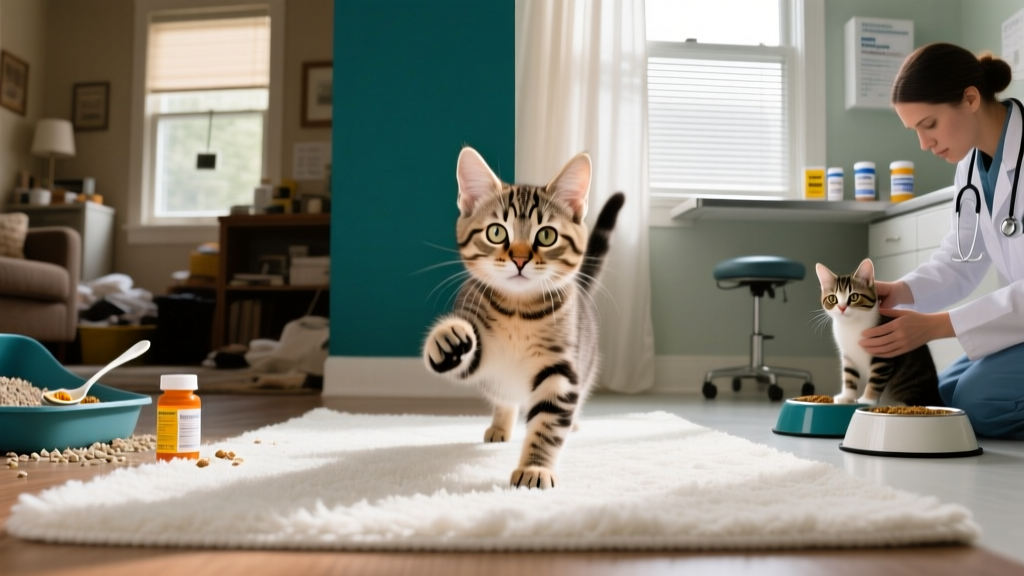
Real-world example: Luna, a rescued tabby from a hoarding situation, arrived at 9 weeks severely underweight and refusing all dry food. Her foster used a 5-day wet-to-dry blending protocol—starting with 90% wet/10% kibble—and added a probiotic paste (FortiFlora®) approved for kittens. By day 12, she ate dry kibble confidently. Her vet confirmed her fecal microbiome normalized within 18 days.
Vaccination & Parasite Control: Timing Is Non-Negotiable
This is where most new owners unknowingly gamble. At 8 weeks, maternal antibodies begin fading—but don’t vanish overnight. Vaccinate too early, and antibodies neutralize the vaccine. Too late, and exposure risk spikes. The American Animal Hospital Association (AAHA) mandates core vaccines be administered between 6–10 weeks, with boosters every 3–4 weeks until 16 weeks.
Parasites are equally urgent: roundworms infect >85% of shelter kittens, and hookworms can cause fatal anemia in under-12-week-olds. A 2022 study in Parasites & Vectors found that kittens dewormed at 2, 4, 6, and 8 weeks had 92% lower incidence of stunting vs. those dewormed only at intake.
What to do now:
- Confirm vaccination status with the breeder/shelter—ask for written records, not verbal assurance.
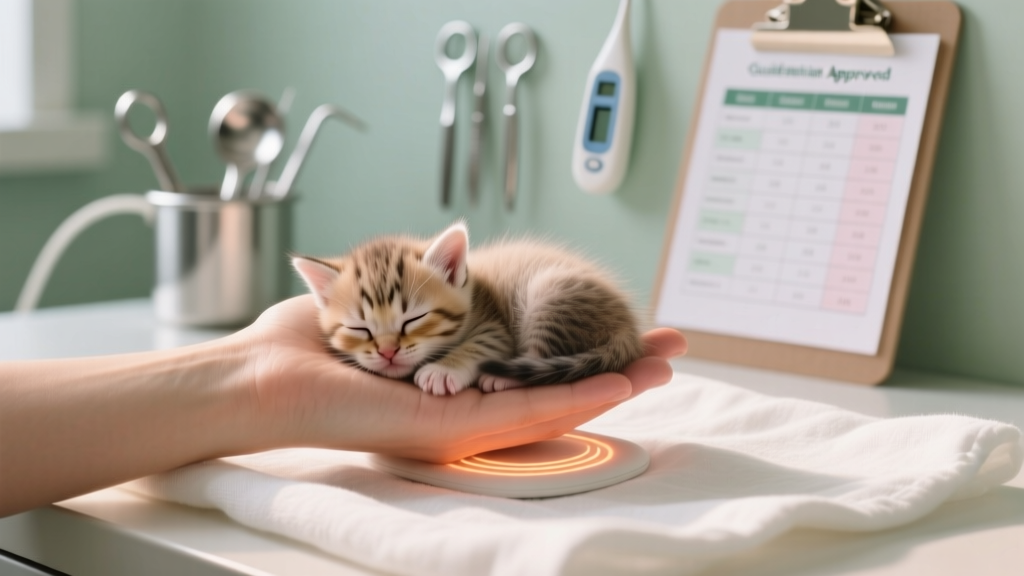
- Schedule your first vet visit within 48 hours of adoption—even if the kitten seems perfect. A full physical, fecal float, and weight check are non-negotiable.
- Start broad-spectrum dewormer (e.g., pyrantel pamoate) on Day 1—even if stool test is negative. Re-dose in 2 weeks.
- Begin topical flea prevention (e.g., Revolution Plus®) only if vet-approved for age/weight—many products aren’t safe before 8 weeks.
Socialization Science: The 2–7 Week Critical Period Is Over—But You Have Until 14 Weeks to Repair Gaps
Here’s what few realize: the prime socialization window closes at 7 weeks. But at 2 months, your kitten enters the *second chance phase*—a neuroplasticity surge where positive experiences rewire fear pathways. Dr. Mikel Delgado, certified cat behaviorist and researcher at UC Berkeley, explains: “Between 8–14 weeks, kittens form lasting associations with novelty. Each calm, controlled exposure builds neural scaffolding for confidence—not just ‘getting used to things.’”
Effective socialization isn’t about overwhelming them—it’s about predictable, low-stakes repetition:
- Hands-on handling: 3x/day for 5 minutes—gently touch paws, ears, mouth, tail while offering high-value treats (freeze-dried chicken). Stop before they squirm.
- Sound desensitization: Play recordings of vacuum cleaners, doorbells, and children laughing at low volume for 90 seconds daily—pair with play or treats.
- Carrier conditioning: Leave the carrier out with blankets and treats inside. Toss treats in daily—never force entry.
- Stranger protocol: Invite 1 new person/week. They sit quietly, ignore the kitten, and offer treats only when the kitten approaches.
Avoid: forced cuddling, chasing, or punishment-based corrections. These teach that human interaction = threat.
Litter Training & Environment Design: Why ‘Just Put Them in the Box’ Fails 68% of Kittens
Contrary to myth, litter training isn’t instinctual—it’s learned through observation and reinforcement. A 2021 Cornell Feline Health Center survey found 68% of litter box issues in adult cats originated from improper training before 12 weeks. The culprit? Inappropriate substrate, poor location, or punishing accidents.
Your action plan:
- Use unscented, clumping clay litter (avoid crystal or pine pellets—too abrasive for tender paws).
- Provide 1 box per kitten + 1 extra—place boxes in quiet, low-traffic areas (not next to washer/dryer or litter box).
- After every meal and nap, gently place kitten in box for 2–3 minutes. If they eliminate, reward with praise + treat. Never punish accidents—clean with enzymatic cleaner (e.g., Nature’s Miracle) and relocate soiled bedding to the box.
- Watch for signals: sniffing, circling, squatting, or sudden stillness. Act fast—most kittens eliminate within 15 minutes of waking/eating.
Kitten Care Timeline: What to Do When (Vet-Approved)
| Age Range | Key Actions | Tools/Products Needed | Red Flags to Watch For |
|---|---|---|---|
| Weeks 8–10 | First vet exam, core vaccines (FVRCP), first deworming, start socialization protocol, introduce scratching post | Vet records, pyrantel, kitten-safe toys, cardboard scratcher | No stool in 24h, lethargy >2 hrs post-waking, refusal to eat for >12h |
| Weeks 10–12 | Second FVRCP booster, second deworming, begin nail trims (1 claw/session), introduce brushing (2x/week) | Soft nail clippers, styptic powder, slicker brush, tuna water for rewards | Scratching furniture aggressively, hiding >50% of day, vocalizing in litter box |
| Weeks 12–14 | Rabies vaccine (if local law requires), third deworming, spay/neuter consult, introduce clicker training | Crate for transport, clicker, high-value treats (chicken bits) | Weight loss >5%, blood in stool/urine, persistent sneezing with eye discharge |
| Weeks 14–16 | Final FVRCP booster, spay/neuter surgery (if approved), transition to 3 meals/day, assess play aggression | Recovery cone, soft recovery bed, interactive wand toys | Excessive biting during play, urine spraying, avoiding human contact |
Frequently Asked Questions
Can I bathe my 2-month-old kitten?
No—bathing is rarely needed and highly stressful. Kittens self-groom effectively, and bathing strips natural oils, risks hypothermia, and triggers panic. If visibly soiled (e.g., sticky residue), spot-clean with a damp, warm washcloth and fragrance-free baby wipe. Never use human shampoo or dish soap—they disrupt skin pH and cause chemical burns.
How much should a 2-month-old kitten sleep?
18–20 hours per day is normal—but quality matters. They should rouse easily for meals/play, have deep REM sleep (twitching paws, whisker movement), and show alert curiosity when awake. Excessive lethargy (>22 hrs sleep), difficulty waking, or shallow breathing warrants immediate vet attention—signs of infection or metabolic issue.
Is it safe to let my kitten outside at 2 months?
Unequivocally no. Outdoor exposure before 16 weeks carries extreme risk: parasites (ticks, fleas), predators (owls, coyotes), toxins (antifreeze, pesticides), traffic, and infectious diseases (feline leukemia, FIV). Even screened porches require supervision—kittens can squeeze through ½-inch gaps. Keep them indoors until fully vaccinated, spayed/neutered, and trained to walk on harness (start harness intro at 12 weeks, but wait until 5 months for outdoor walks).
My kitten bites and scratches during play—how do I stop it?
This is normal predatory practice—but must be redirected *before* teeth break skin. Always use wand toys (never hands/feet) to simulate hunting. When biting occurs, freeze, withdraw attention for 10 seconds, then redirect to toy. Reward gentle mouthing with treats. If biting persists past 12 weeks, consult a veterinary behaviorist—underlying pain (e.g., dental resorption) may drive aggression.
When should I switch from kitten to adult food?
Not until 12 months for most breeds—and 18–24 months for large breeds (Maine Coon, Ragdoll). Kitten food supports rapid bone/muscle development. Switching too early causes nutrient deficits. Transition over 7 days: 25% adult on Day 1, increasing by 12.5% daily. Monitor stool consistency—if loose, slow the transition.
Common Myths Debunked
Myth #1: “Kittens don’t need vaccinations if they stay indoors.”
False. Indoor kittens face airborne viruses (herpesvirus, calicivirus) tracked in on shoes/clothes—and accidental escapes happen. Unvaccinated kittens have 7x higher mortality from upper respiratory infections, per ASPCA data.
Myth #2: “You should wait until 6 months to spay/neuter to avoid health problems.”
Outdated. Modern research (2022 Journal of Feline Medicine & Surgery) confirms early-age spay/neuter (12–16 weeks) does not increase orthopedic or urinary issues—and eliminates mammary cancer risk by 91% when done before first heat.
Related Topics (Internal Link Suggestions)
- Signs of Illness in Kittens — suggested anchor text: "early kitten illness signs you're missing"
- Best Kitten Foods Ranked by Veterinarians — suggested anchor text: "vet-recommended kitten food brands"
- How to Introduce a Kitten to Other Pets — suggested anchor text: "introducing kitten to dog safely"
- Kitten First Aid Kit Essentials — suggested anchor text: "kitten emergency supplies checklist"
- When to Take Your Kitten to the Vet — suggested anchor text: "kitten vet visit timeline"
Your Next Step: Print, Plan, and Protect
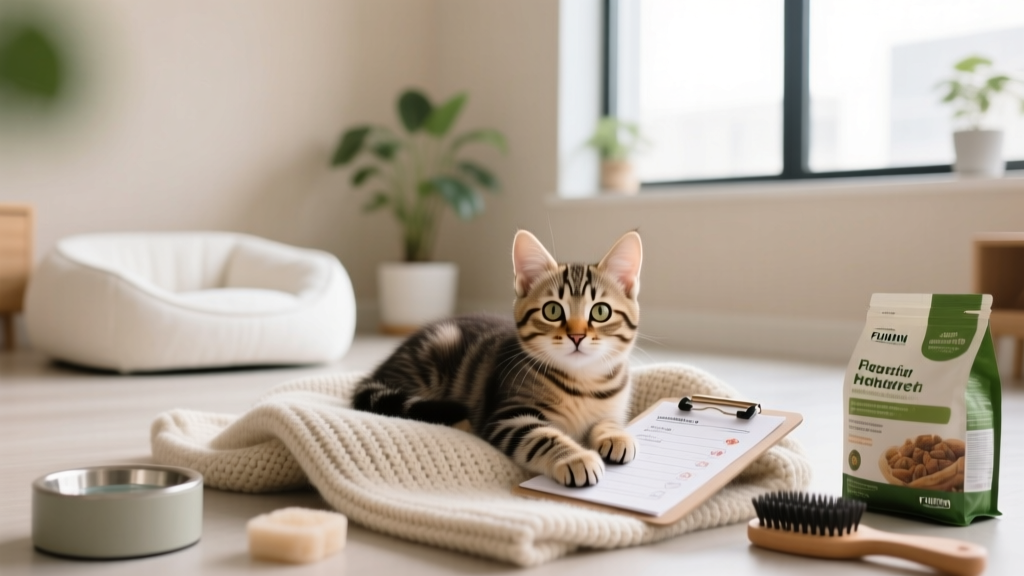
You now hold evidence-based, time-sensitive guidance—not generic advice—to ensure your 2-month-old kitten thrives, not just survives. But knowledge alone won’t build immunity or prevent anxiety. Your immediate next step? Print the Care Timeline table above, circle today’s date, and schedule your first vet appointment before sunset tonight. That 48-hour window is where lifelong health begins. And if you’re fostering or adopting from a shelter, ask for their medical records *before* leaving—don’t assume they’ll follow up. You’re not just caring for a pet. You’re anchoring a life in safety, science, and love. Now go—your kitten is waiting for their first confident, compassionate day with you.