Feline Nasal Lymphoma: Stuffy Nose Cancer Cause
1. Introduction: Why This Topic Matters for Cat Owners
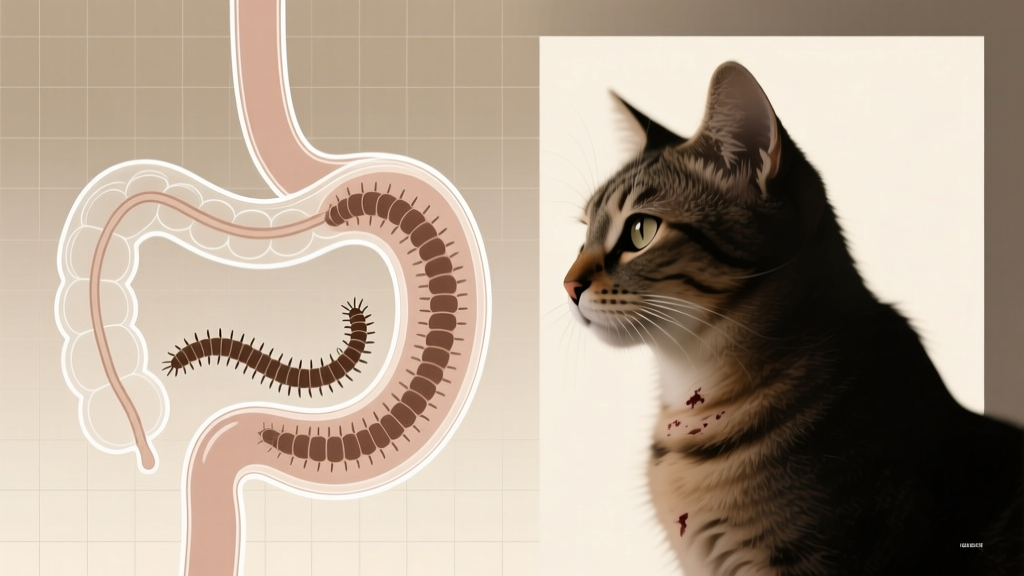
A stuffy nose in a cat is easy to dismiss as a cold, allergies, or a mild infection. Many cats do get upper respiratory infections, especially if they’ve been around other cats. The concern is that some cats develop ongoing, one-sided, or worsening nasal congestion that doesn’t improve with routine care. One possible cause is feline nasal lymphoma, a cancer that can develop inside the nasal passages and nearby sinuses.
Learning the warning signs and knowing what to expect at the veterinarian can help you get answers faster, reduce discomfort for your cat, and start treatment sooner if needed. Nasal lymphoma can often be managed, and many cats maintain a good quality of life with the right plan and follow-up.
2. Overview: What Is Feline Nasal Lymphoma?
Lymphoma is a cancer of lymphocytes, a type of white blood cell involved in the immune system. Lymphocytes normally circulate through lymph nodes, the spleen, bone marrow, and many tissues throughout the body. In lymphoma, these cells begin multiplying abnormally and form tumors.
Feline nasal lymphoma occurs when lymphoma affects structures in and around the nose, such as:
- Nasal passages (the airways behind the nostrils)
- Turbinates (delicate bony structures that filter and humidify air)
- Sinuses
- Sometimes nearby tissues (nasopharynx, hard palate, or around the eyes)
Because the nasal cavity is small and packed with sensitive tissue, even a relatively small tumor can cause noticeable symptoms like congestion, noisy breathing, or nasal discharge.
Nasal lymphoma may be localized (mainly in the nose) or part of a more systemic lymphoma affecting other areas. Your veterinarian will help determine how extensive it is, because that impacts treatment choices and prognosis.
3. Symptoms and Warning Signs to Watch For
Nasal lymphoma often looks like chronic nasal disease at first. The difference is that symptoms tend to be persistent, progressive, or resistant to typical treatments.
Common signs at home
- Stuffy nose or chronic congestion (often one-sided at first)
- Noisy breathing, snoring, or “snorting” sounds
- Nasal discharge that may be clear, cloudy, yellow/green, or blood-tinged
- Sneezing that doesn’t resolve
- Frequent pawing at the face or rubbing the nose
- Reduced appetite (cats rely heavily on smell to want to eat)
- Weight loss over weeks to months
- Bad breath or mouth odor (if tissues near the mouth are affected)
More concerning signs
- Nosebleeds (epistaxis) or repeated blood in nasal discharge
- Facial swelling or asymmetry around the nose or muzzle
- Eye changes (tearing, bulging, squinting, swelling around one eye)
- Open-mouth breathing or increased breathing effort
- Lethargy and decreased interest in normal activities
Practical tip you can do today
- Track symptoms in a notebook or phone: which nostril is affected, discharge color, frequency of sneezing, appetite changes, and any bleeding. This helps your vet see patterns and progression.
4. Causes and Risk Factors
In many cats, the exact “why” behind nasal lymphoma is not clear. Cancer is usually multi-factorial, meaning several influences can contribute.
Potential contributing factors
- Age: Many cases occur in middle-aged to older cats, though it can happen at other ages.
- Immune system influences: Lymphoma involves immune cells, so immune dysregulation may play a role.
- Feline leukemia virus (FeLV) and feline immunodeficiency virus (FIV): These viruses are associated with increased lymphoma risk overall. Not every cat with lymphoma is FeLV/FIV positive, and not every positive cat develops lymphoma, but testing matters.
- Chronic inflammation: Long-standing rhinitis (nasal inflammation) or recurrent infections may contribute to tissue changes over time. It’s not proof of cause, but chronic nasal disease is a reason to pursue a full workup when symptoms persist.
- Environmental irritants: Smoke, heavy fragrances, dusty litter, and pollutants can worsen nasal inflammation and mask early signs. While they are not proven to “cause” lymphoma, reducing irritants supports respiratory health.
What this means for owners
If your cat has ongoing nasal issues, repeated antibiotic courses without lasting improvement, or any nosebleeds, a deeper diagnostic approach is worthwhile. Always consult a veterinarian; early investigation can prevent months of discomfort and can speed up targeted treatment.
5. Diagnosis: What to Expect at the Vet
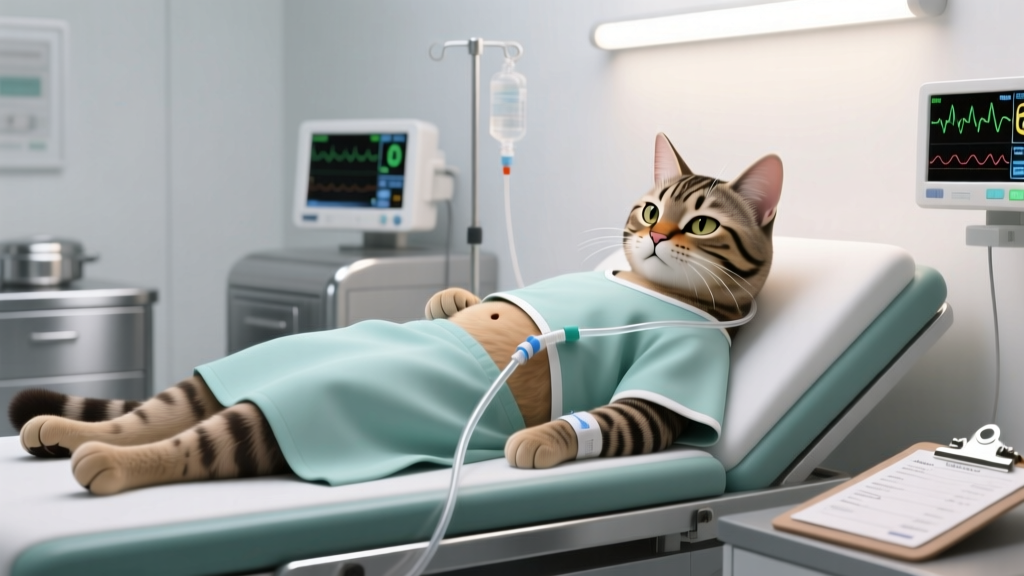
Diagnosing nasal lymphoma usually requires more than a basic exam. Your veterinarian will aim to (1) rule out common causes like infection or dental disease, and (2) confirm whether a mass is present and what type it is.
Step-by-step evaluation
- History and physical exam: Your vet will ask how long symptoms have been present, whether one nostril is worse, and what treatments have been tried.
- Oral and dental evaluation: Tooth root infections can mimic nasal disease and may require dental X-rays.
- Baseline lab work:
- Complete blood count (CBC)
- Chemistry panel
- Urinalysis
- FeLV/FIV testing: Helps with overall risk assessment and planning.
- Imaging:
- CT scan is often the preferred imaging for nasal disease because it shows fine detail of the nasal cavity, turbinates, and sinuses.
- Skull/nasal radiographs (X-rays) may be used when CT is not available, but they are less detailed.
- Rhinoscopy (camera evaluation of the nasal cavity): Allows visualization and targeted sampling.
- Biopsy: A tissue sample is the gold standard for diagnosis. Pathology confirms lymphoma type and helps guide treatment.
- Staging tests (to see if disease is elsewhere): These may include chest imaging, abdominal ultrasound, and sampling of lymph nodes or bone marrow depending on findings.
What to ask your veterinarian
- “Is CT and biopsy recommended in my cat’s case?”
- “Do you suspect infection, dental disease, a polyp, fungal disease, or cancer?”
- “Should we test for FeLV/FIV?”
- “If lymphoma is confirmed, is it localized or systemic?”
6. Treatment Options (Medical, Surgical, and Home Care)
Treatment is individualized based on how far the disease extends, the cat’s overall health, and what therapies are available. Many cats do well with treatment, and symptom relief is often achievable.
Radiation therapy
- Radiation is commonly used for localized nasal lymphoma.
- It can shrink the tumor and reduce congestion, discharge, and breathing noise.
- Side effects vary and can include temporary irritation to nearby tissues. Your oncology team will explain what to expect.
Chemotherapy
- Chemotherapy may be recommended if lymphoma is systemic or if a combined approach is preferred.
- Cats generally tolerate chemotherapy better than many people expect; the goal is quality of life, not making them feel sick.
- Protocols vary (injectable and/or oral medications), and your veterinarian or veterinary oncologist will tailor the plan.
Surgery
- Surgery is not typically curative for nasal lymphoma due to the location and the way lymphoma cells can spread within tissues.
- Procedures may still be helpful for diagnosis (biopsy) or to address other conditions (such as a nasal polyp) if present.
Supportive care (often immediate relief)
- Appetite support:
- Offer warmed, strongly scented foods (warm wet food, tuna water in moderation, low-sodium broth).
- Use appetite stimulants only under veterinary guidance.
- Nasal comfort:
- Run a humidifier in your cat’s main resting room.
- Bring your cat into a steamy bathroom for 10–15 minutes (supervised, no direct hot water exposure).
- Gently clean crusted discharge with a warm, damp cotton pad.
- Pain control: If facial discomfort or dental issues coexist, your vet may prescribe safe pain relief. Never give human pain medications.
- Antibiotics/anti-inflammatories: Sometimes used when secondary infection or inflammation is present. These should be targeted and monitored; repeated short courses without a diagnosis can delay definitive care.
Home setup tips you can act on now
- Switch to a low-dust, unscented litter to reduce nasal irritation.
- Avoid smoke, aerosols, incense, essential oil diffusers, and strong cleaners near your cat.
- Keep food and water easily accessible; congestion can make cats less motivated to seek resources.
7. Prevention Strategies and Early Detection Tips
There is no guaranteed way to prevent nasal lymphoma, but you can reduce risks tied to viral exposure and catch nasal disease earlier.
Steps that help
- FeLV prevention: Vaccinate at-risk cats (especially those who go outdoors or live with FeLV-positive cats). Discuss your cat’s lifestyle and vaccine plan with your veterinarian.
- Limit exposure to infectious diseases: Quarantine new cats, keep vaccines current, and schedule wellness exams.
- Reduce respiratory irritants: Low-dust litter, smoke-free home, and good ventilation.
- Don’t “wait it out” too long: If nasal signs last more than 1–2 weeks, recur frequently, are one-sided, or include blood, schedule a veterinary visit.
Early detection checklist
- Persistent congestion beyond 10–14 days
- Discharge mainly from one nostril
- Any nosebleed
- Weight loss or reduced appetite due to reduced smell
- Facial swelling or eye changes
8. Prognosis and Quality of Life Considerations
Prognosis depends on several factors, including whether the lymphoma is localized to the nose, whether it has spread, the cat’s overall health, and response to therapy. Some cats experience significant relief of nasal symptoms with treatment and can enjoy comfortable months to years with good monitoring.
Quality of life goals
- Comfortable breathing (less congestion and distress)
- Good appetite and stable weight
- Normal grooming, sleeping, and social behaviors
- Manageable vet visits (finding a treatment plan that fits your cat’s temperament and your household)
Ask your veterinary team about tracking tools (like a weekly weight log and appetite notes). Small changes can signal when a medication adjustment or recheck is needed.
9. When to Seek Emergency Veterinary Care
Nasal lymphoma symptoms can shift from “concerning” to “urgent” if breathing becomes compromised or bleeding is significant. Seek emergency care right away if you notice:
- Open-mouth breathing, pronounced breathing effort, or blue/pale gums
- Severe or persistent nosebleeds, or your cat seems weak/collapsed
- Sudden facial swelling with distress
- Not eating or drinking for 24 hours (or less if your cat is ill, diabetic, or very young/senior)
- Rapid worsening of congestion with lethargy or fever
If you’re unsure, it’s always appropriate to call an emergency clinic or your veterinarian for guidance. Breathing problems are time-sensitive.
10. FAQ: Common Questions Cat Owners Ask
Can nasal lymphoma look like a simple upper respiratory infection?
Yes. Early signs can mimic a cold: sneezing, congestion, and discharge. The red flags are persistence beyond a couple of weeks, one-sided symptoms, nosebleeds, facial swelling, weight loss, or lack of response to routine treatment. A veterinarian should evaluate chronic nasal signs.
Is a runny nose always cancer in cats?
No. Most runny noses are due to infections (viral or bacterial), allergies/irritants, dental disease, polyps, or fungal infections depending on region and exposure. Cancer is one possibility, especially when signs are chronic or progressive. A diagnostic workup helps sort this out.
How is nasal lymphoma confirmed?
A biopsy with laboratory analysis is typically needed for a definitive diagnosis. CT imaging and rhinoscopy often help identify the best place to sample and determine how extensive the disease is.
Will my cat suffer during chemotherapy or radiation?
The goal of veterinary cancer treatment is a good quality of life. Many cats tolerate chemotherapy well, and side effects are often milder than people expect. Radiation can cause localized irritation, but it can also significantly improve breathing and comfort. Your veterinary oncologist will discuss expected effects and supportive medications.
Can I do anything at home to help my congested cat breathe easier?
Yes—while you arrange veterinary care or alongside treatment, use a humidifier, provide brief supervised steam sessions, gently clean nasal crusts, offer warmed smelly foods, and reduce irritants (smoke, dust, fragrances). If breathing effort increases or your cat open-mouth breathes, seek urgent veterinary care.
Should I isolate my cat from other cats if lymphoma is suspected?
Lymphoma itself is not contagious. However, if your cat also has an infectious upper respiratory condition, isolation may reduce spread. Your veterinarian can advise based on exam findings and test results, including FeLV/FIV status.
If your cat has a “stuffy nose” that doesn’t improve, you’re right to ask questions and push for clear answers. Partnering with your veterinarian early can make a big difference in comfort and outcomes. For more cat health guides and supportive resources, visit catloversbase.com.