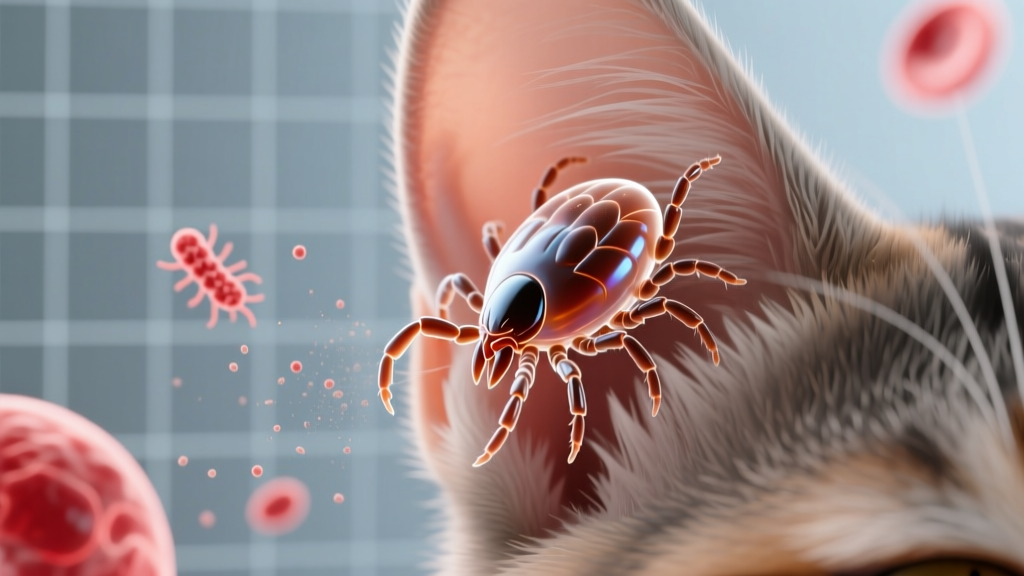
Feline Anaplasma: Tick-Borne Blood Cell Parasite
1. Why this topic matters to cat owners
Ticks aren’t just a nuisance—they can transmit infections that affect your cat’s blood cells and immune system. One of these infections is anaplasmosis, caused by bacteria in the genus Anaplasma. While anaplasmosis is more commonly diagnosed in dogs, cats can be exposed too, especially in tick-prone regions or households where pets go outdoors.
Understanding feline Anaplasma helps you do two important things: spot early warning signs and prevent tick bites in the first place. The good news is that many cats do very well when they receive prompt veterinary care.
2. Overview: What is feline Anaplasma in plain language?
Anaplasmosis is a tick-borne infection caused by bacteria that target certain blood cells. The most relevant species include:
- Anaplasma phagocytophilum: primarily infects white blood cells (neutrophils). This is the main cause of “granulocytic anaplasmosis.”
- Anaplasma platys: primarily infects platelets in dogs; it’s much less clearly defined in cats, but is sometimes discussed in the broader context of feline tick-borne disease.
When a tick carrying Anaplasma feeds on a cat, the bacteria can enter the bloodstream. The immune system responds, and that immune reaction—along with effects on blood cells—can make a cat feel unwell.
Some cats exposed to Anaplasma may never show symptoms, while others develop a flu-like illness. Because signs can look like many other conditions (viral infections, injuries, dental pain, arthritis, other tick-borne diseases), testing and veterinary evaluation are essential.
3. Symptoms and warning signs to watch for
Clinical signs in cats can be subtle. You know your cat best—if something seems “off,” it’s worth a call to your veterinarian.
Common signs pet owners may notice:
- Lethargy (sleeping more, less social, less playful)
- Decreased appetite or refusing food
- Fever (may feel warm to the touch; often only confirmed at the vet)
- Lameness or stiffness (reluctance to jump, moving slowly, “ouchy” when handled)
- Generalized pain (hiding, growling when picked up)
- Enlarged lymph nodes (small “lumps” under the jaw, in front of shoulders, behind knees—your vet is best suited to assess this)
Less common but possible signs:
- Vomiting or diarrhea
- Coughing or rapid breathing (not typical, but can occur with fever or secondary issues)
- Bruising or tiny red/purple skin spots (petechiae), which may suggest a platelet issue or another concurrent disease
- Weight loss if illness is prolonged
Practical at-home tip: If your cat seems unwell, write down the changes you’re seeing (appetite, energy, litter box habits, mobility) and when they started. That timeline helps your vet narrow down possible causes.
4. Causes and risk factors
Cause: Infection with Anaplasma bacteria transmitted by ticks during feeding.
Risk factors that increase exposure:
- Outdoor access (including supervised yard time, patio time, barn life, or escapes)
- Living in or traveling to tick-endemic regions (ticks vary by geography and season)
- Wooded, brushy, tall-grass environments near the home
- Multi-pet households where dogs go outdoors and may bring ticks inside
- Lack of consistent veterinary-approved tick prevention
Important nuance for cat owners: Many tick-borne diseases can occur together. A tick may carry more than one organism, and a cat may be exposed to multiple infections over time. Co-infections can affect symptoms, test results, and treatment plans.
5. Diagnosis: Methods and what to expect at the vet
Because the signs are nonspecific, veterinarians rely on a combination of history, physical exam, and testing.
What your veterinarian will likely do:
- Physical exam (temperature, hydration, joint/muscle comfort, lymph nodes, gum color, heart/lung assessment)
- History questions about outdoor exposure, tick sightings, travel, and parasite prevention
Common diagnostic tests:
- Complete blood count (CBC): evaluates red blood cells, white blood cells, and platelets. Some cats may have low platelets or other changes consistent with inflammation/infection.
- Blood chemistry panel: checks organ function and helps rule out other causes of illness.
- Tick-borne disease testing:
- Antibody tests (serology) can suggest exposure, but antibodies don’t always mean active disease.
- PCR testing (detects organism DNA) can help identify active infection and is often more specific for current disease.
- Blood smear evaluation: occasionally, your vet may see structures (morulae) within certain white blood cells, but this is not always present and a negative smear does not rule it out.
What to expect: Your veterinarian may start treatment based on a strong suspicion while confirmatory results are pending—especially if your cat is very uncomfortable or febrile. They will also consider other common feline conditions that can look similar.
6. Treatment options (medical, surgical, home care)
Medical treatment is the main approach for anaplasmosis. Surgery is not part of typical treatment, except in rare situations where another condition is discovered during the workup (for example, a bite wound abscess or a foreign body).
Prescription medications (veterinary guidance required):
- Antibiotics: Doxycycline is commonly used for tick-borne bacterial infections. Your vet will determine the correct dose and duration for your cat and advise you on safe administration.
- Pain control/anti-inflammatory medication: If your cat is achy or limping, your veterinarian may prescribe cat-safe pain relief. (Do not give human pain medications—many are toxic to cats.)
- Supportive care: In more serious cases, your cat may need fluids, anti-nausea medication, appetite support, or hospitalization for monitoring.
Home care you can do immediately (alongside vet care):
- Offer a quiet, warm recovery space away from other pets and household noise.
- Encourage eating with warmed canned food, strong-smelling options (like veterinary recovery diets), and small frequent meals.
- Hydration support: Ensure fresh water is easily accessible; ask your vet whether adding wet food or broth (cat-safe, low sodium, no onion/garlic) is appropriate.
- Medication technique: If your cat is prescribed doxycycline, follow your veterinarian’s instructions closely. Some formulations can irritate the esophagus if not given properly; your vet may recommend giving water or food afterward or using a different form of the medication.
- Activity restriction if your cat is painful or weak—avoid jumping and rough play until your vet clears it.
When to recheck: Many veterinarians recommend a follow-up exam and possibly repeat lab work to ensure blood cell counts normalize and your cat is fully recovering.
7. Prevention strategies and early detection tips
Prevention focuses on avoiding tick bites and catching illness early.
Tick prevention (most effective step):
- Use veterinarian-recommended tick prevention labeled specifically for cats. Never use dog tick products on cats unless your veterinarian explicitly directs you—some ingredients are dangerous for cats.
- Keep prevention consistent during tick season (and often year-round, depending on your climate).
- Treat all pets in the household as advised; dogs can carry ticks indoors.
Environmental strategies:
- Limit access to tall grass and brush around your home.
- Maintain the yard: keep grass trimmed, remove leaf litter, and create barriers between wooded areas and play spaces.
- Check yourself and your pets after hikes or yard work—ticks can ride inside on clothing.
Tick checks for cats:
- Focus on the head/neck, around the ears, under the collar area, armpits, and along the back and tail base.
- If you find a tick, contact your veterinary clinic for safe removal guidance. If you remove it at home, use fine-tipped tweezers and steady traction near the skin—avoid crushing the tick’s body.
Early detection tip: If your cat develops fever, limping, or sudden lethargy within days to weeks of tick exposure, schedule a veterinary visit. Early treatment often shortens recovery time.
8. Prognosis and quality of life considerations
With prompt diagnosis and appropriate antibiotics, many cats recover well and return to normal activity. Prognosis depends on:
- How quickly treatment starts
- Severity of illness (dehydration, inability to eat, significant pain)
- Co-infections or underlying conditions (such as immune compromise)
Quality of life during recovery: Most cats improve gradually over days after starting effective treatment, though appetite and energy may take longer to normalize. Your veterinarian can help you assess pain, hydration, and nutritional intake so your cat stays comfortable.
9. When to seek emergency veterinary care
Contact an emergency veterinarian or urgent care clinic if you notice any of the following:
- Difficulty breathing, open-mouth breathing, or rapid labored breaths
- Collapse, profound weakness, or inability to stand
- Refusal to eat for 24 hours (or much sooner in kittens or cats with chronic disease)
- Repeated vomiting or inability to keep water down
- Signs of severe pain (crying, hiding and hissing when approached, hunched posture, unwilling to move)
- Pale gums, yellow gums/skin, or unusual bruising/bleeding
- High fever or your cat feels very hot and is acting significantly ill
These signs don’t automatically mean anaplasmosis, but they do mean your cat needs prompt medical attention.
10. FAQ: Common questions from cat owners
Can indoor cats get Anaplasma?
Yes, it’s possible. Ticks can hitchhike indoors on dogs, people, or items brought in from outside. Indoor-only cats are at lower risk, but not zero risk—especially in tick-heavy regions or multi-pet homes.
Is feline anaplasmosis contagious to other cats or to people?
Anaplasmosis is primarily transmitted through tick bites, not casual contact. Your cat isn’t likely to “give” it directly to another pet or person. The bigger concern is shared tick exposure in the environment. If you find ticks on your cat, protect yourself and other pets by addressing tick prevention right away and speak with your veterinarian about the safest options.
How soon do symptoms appear after a tick bite?
Timing varies. Some cats may show signs within days to a few weeks after exposure. Because cats are good at hiding illness, changes can be subtle at first—like less jumping or reduced interest in food.
Will my cat need to be hospitalized?
Many cats can be treated at home with oral medications and supportive care. Hospitalization may be recommended if your cat is dehydrated, very painful, not eating, vomiting repeatedly, or needs close monitoring and injectable medications.
Can anaplasmosis come back after treatment?
Relapse is not common when the infection is appropriately treated, but it can happen—especially if a cat is re-exposed to ticks or has another underlying illness. If symptoms return, contact your veterinarian for re-evaluation rather than restarting leftover antibiotics.
What’s the safest way to protect my cat from ticks?
The safest plan is veterinarian-guided tick prevention using a product labeled for cats, paired with environmental tick control and routine tick checks. Avoid using any over-the-counter or dog-labeled products without veterinary approval.
Next step for concerned owners: If your cat has had tick exposure or is showing signs like fever, lethargy, or limping, schedule a veterinary appointment. Early evaluation can rule out emergencies and get your cat on the right treatment quickly.
For more practical, cat-owner-friendly health guides and prevention tips, visit catloversbase.com and explore our growing library of feline wellness resources.