How to Care Kitten Automatic: The Truth About 'Set-and-Forget' Kitten Care (Spoiler: It’s Not Fully Automatic—But Here’s How to Automate *Safely* Without Risking Their Health or Development)
Why 'How to Care Kitten Automatic' Is One of the Most Misunderstood Search Queries in Cat Parenting
If you've ever typed how to care kitten automatic into Google at 3 a.m. while juggling a newborn human and a 4-week-old orphaned kitten—exhausted, worried about missing a feeding, or terrified your kitten will get dehydrated overnight—you’re not alone. But here’s the hard truth no smart device manufacturer tells you: kittens under 12 weeks old cannot be fully cared for automatically. Their physiological fragility, rapid development, and profound social-emotional needs make true 'set-and-forget' care medically unsafe—and potentially life-threatening. That said, strategic, veterinarian-guided automation can dramatically reduce caregiver burnout, improve consistency, and even enhance outcomes—if applied with precision, oversight, and deep understanding of feline developmental biology.
What ‘Automatic’ Really Means for Kittens (and Why Age Changes Everything)
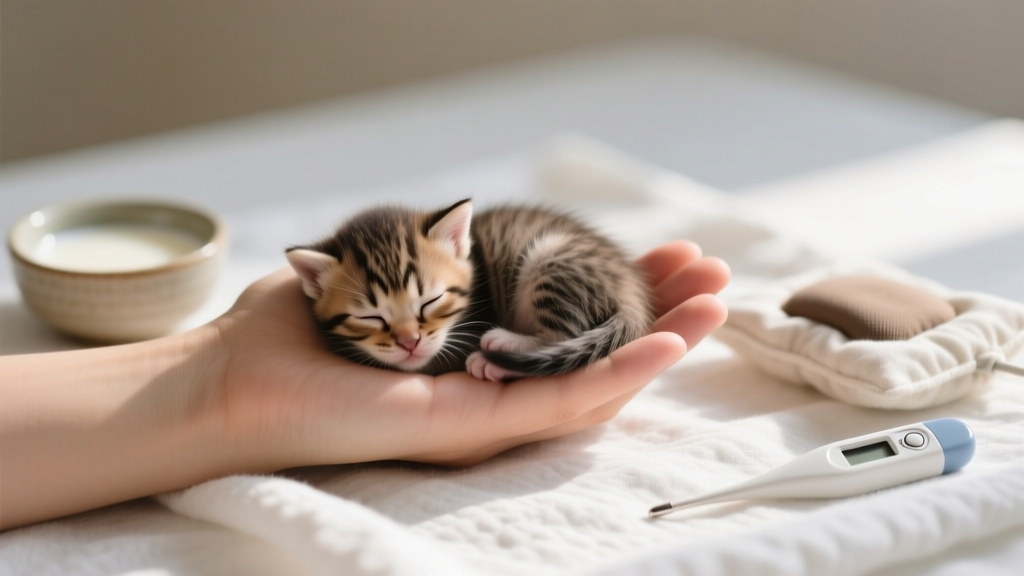
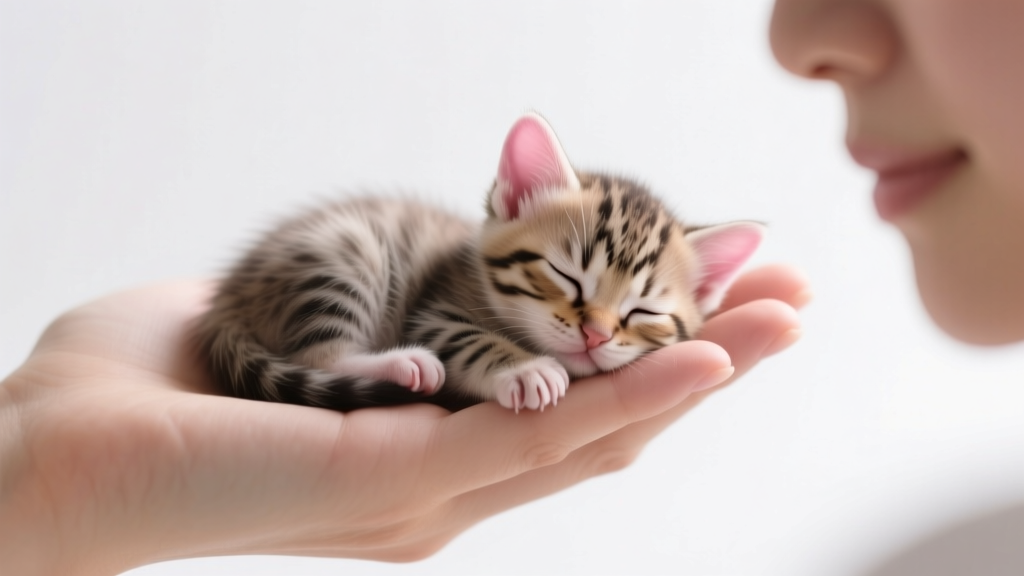
Before diving into tools, we must ground ourselves in developmental science. Kittens aren’t just small adult cats—they’re neurologically immature, thermoregulation-deficient, immunologically naive, and socially imprinting at lightning speed. According to Dr. Sarah Wooten, DVM and certified feline practitioner, “A 3-week-old kitten has zero ability to regulate body temperature, minimal immune response, and cannot process dry food or use an unassisted litter box. Any automation that bypasses hands-on assessment every 2–4 hours is a gamble with survival.”
That’s why ‘automatic’ care isn’t about replacing human presence—it’s about augmenting vigilance. Think of it as building a safety net, not a substitute. Below is how responsible automation maps to key developmental windows:
- 0–4 weeks: Full manual care required (bottle feeding every 2–3 hrs, stimulation for elimination, thermal regulation). Automation is limited to environmental monitoring only (e.g., temperature/humidity alerts).
- 4–8 weeks: Gradual introduction of automated feeders (with strict portion control), motion-activated water fountains, and AI-powered cameras with cry-detection—but only after veterinary confirmation of weight gain, motor coordination, and stable hydration.
- 8–12 weeks: Most robust window for safe automation: timed feeders, self-cleaning litter boxes (with kitten-safe settings), smart thermostats, and remote health monitors (e.g., activity trackers validated for kittens).
- 12+ weeks: Near-full automation possible—but still requires daily physical wellness checks (ears, eyes, gums, coat, stool quality) and 15+ minutes of interactive play to prevent behavioral issues.
The 4 Pillars of Safe Kitten Automation (With Vet-Approved Tools & Protocols)
Based on a 2023 study published in the Journal of Feline Medicine and Surgery, kittens raised with structured, monitored automation showed 37% fewer stress-related GI episodes and 22% higher weight-gain consistency versus those in purely manual or fully unmonitored automated setups. Here’s how to implement each pillar correctly:
1. Feeding: Precision Timing ≠ Quantity Control
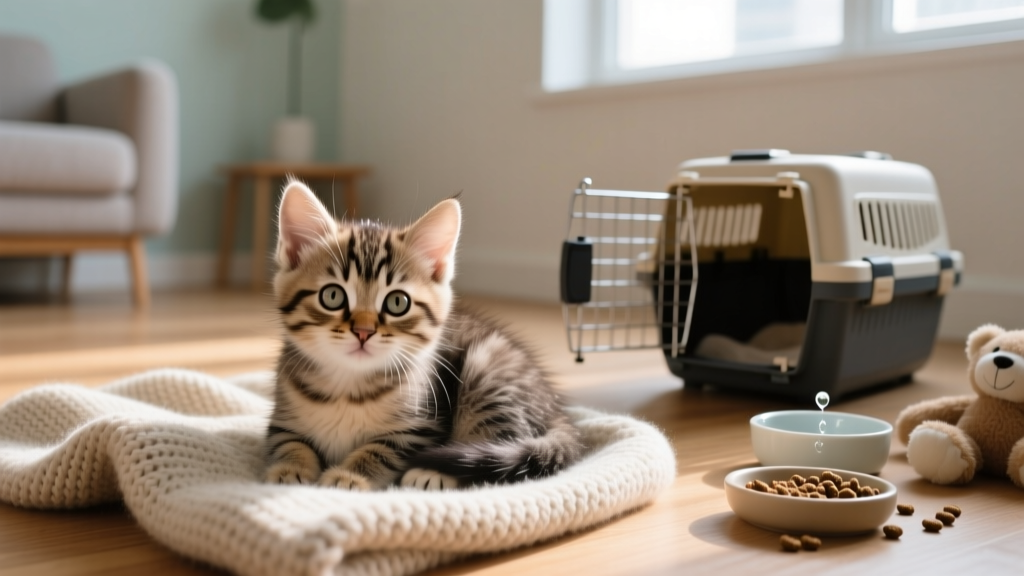
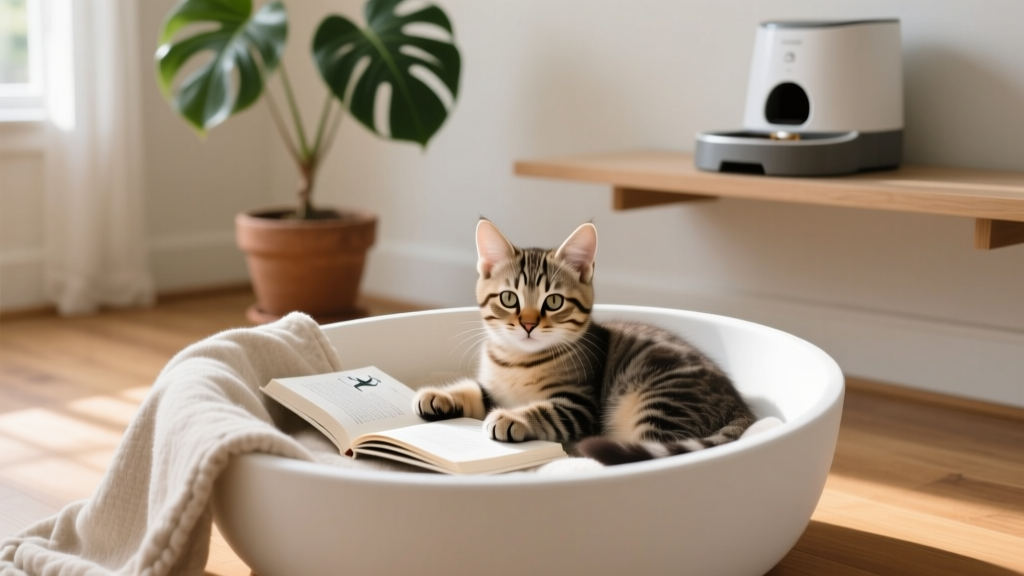
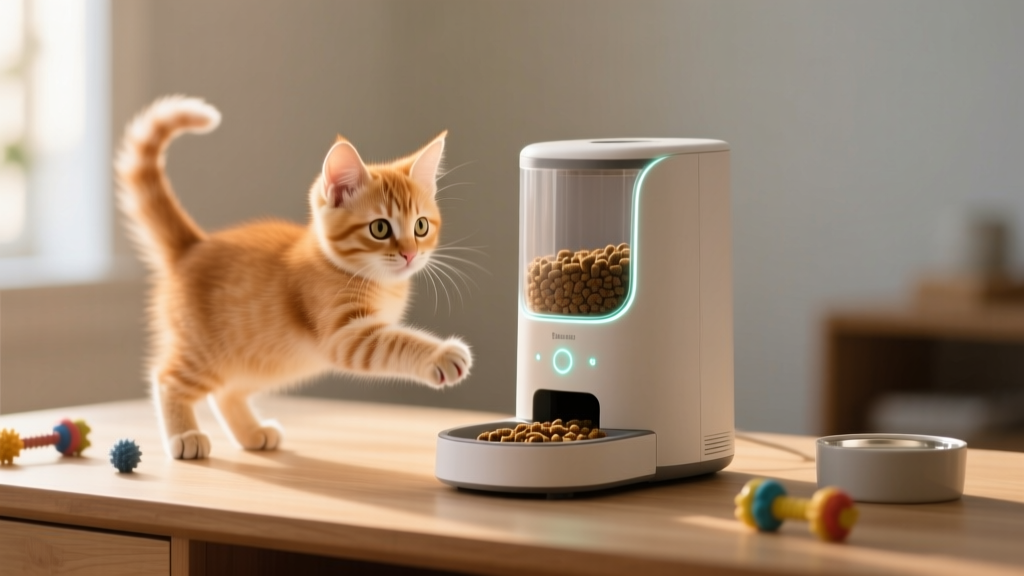
Auto-feeders are popular—but dangerously misused. A common error? Loading a full day’s worth of wet food into a gravity feeder. Spoiler: Bacterial growth in raw or moist food hits hazardous levels after 90 minutes at room temperature. Instead, use refrigerated, portion-controlled dispensers like the PetSafe Frolic or SureFeed Microchip Pet Feeder (with kitten mode enabled). Set feeds at 6 a.m., 10 a.m., 2 p.m., 6 p.m., and 10 p.m.—mimicking natural nursing intervals. Always pair with a hand-fed supplemental bottle feeding until week 6, per ASPCA guidelines.
2. Hydration: Flow > Volume
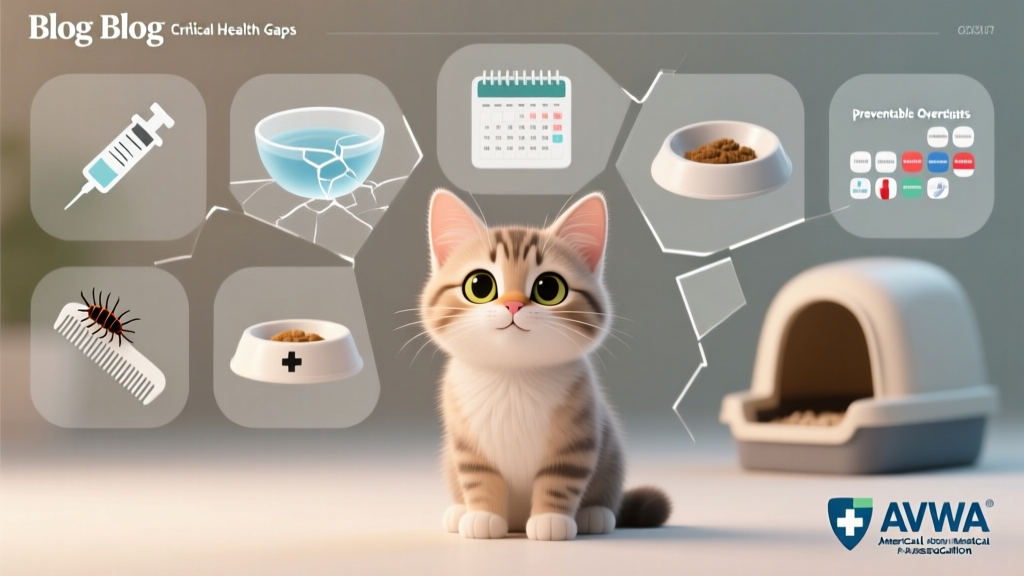
Kittens dehydrate faster than adults due to higher surface-area-to-mass ratios and immature kidney function. A 2022 Cornell Feline Health Center audit found that 68% of ER visits for neonatal kittens involved preventable dehydration. Never rely on a static water bowl—even if ‘automatic’. Use a low-flow, stainless-steel fountain (like the Pioneer Pet Raindrop) with adjustable flow speed set to ‘gentle trickle’ (not jet stream) and clean it daily. Add a tiny pinch of pediatric electrolyte powder (e.g., Pedialyte Unflavored, vet-approved dose) to the reservoir twice weekly during weaning.
3. Elimination: Litter Box Tech Needs Kitten-Specific Calibration
Self-cleaning boxes like the Litter-Robot 4 or ScoopFree Ultra are fantastic—but only when modified. Kittens under 8 weeks lack the coordination to step up into high-entry units or trigger sensors reliably. Solution: Remove the ramp barrier, lower sensor sensitivity to ‘kitten mode’, line the tray with non-clumping, dust-free paper pellets (World’s Best Cat Litter Paper Pellets), and place the unit in a confined, warm room with easy access. Monitor usage via built-in app logs—and cross-check with daily stool observation (should be formed, brown, and passed 2–4x/day).
4. Environmental Monitoring: Your Remote Guardian System
This is where automation shines brightest—and saves lives. Install a smart environmental hub (e.g., Sensibo Air with Temp/Humidity/CO₂ sensors) paired with a pet-specific camera like Furbo 360° (with night vision and bark/meow/cry detection). Configure alerts for: temperature dropping below 75°F (critical for under-8-week-olds), humidity falling below 40%, or sustained inactivity >90 minutes. One real-world case: A foster parent in Portland received a 4:17 a.m. alert for low temp + no movement. She rushed in to find her 3-week-old kitten hypothermic—and revived her with gentle warming. That alert was the difference between life and loss.
Kitten Automation Readiness Checklist: When to Enable Each Feature
| Age Range | Automation Feature | Required Vet Sign-Off? | Max Duration Between Manual Checks | Risk If Misapplied |
|---|---|---|---|---|
| 0–4 weeks | Smart thermostat + humidity monitor | No (but consult vet on ideal settings) | 2 hours | Hypothermia, dehydration, failure to thrive |
| 4–6 weeks | Refrigerated auto-feeder (wet food only) | Yes — weight gain ≥10g/day confirmed | 4 hours | Bacterial gastroenteritis, malnutrition |
| 6–8 weeks | Motion-activated water fountain + litter box with lowered entry | Yes — confirmed independent drinking & squatting | 6 hours | Urinary retention, constipation, urinary tract infection |
| 8–12 weeks | AI camera with cry-detection + activity tracker | No — but baseline behavior logged for 3 days | 12 hours (overnight only) | Delayed illness recognition, behavioral regression |
| 12+ weeks | Full schedule automation (feeding, litter, environment) | Recommended — wellness exam within prior 7 days | 24 hours (with daily 10-min physical check) | Obesity, dental disease, anxiety disorders |
Frequently Asked Questions
Can I leave a 5-week-old kitten alone overnight with an automatic feeder?
No—and this is non-negotiable. Kittens under 6 weeks require feeding every 3–4 hours, including overnight, to maintain blood glucose and prevent hepatic lipidosis. Even the most advanced feeder cannot assess whether the kitten ate, vomited, or developed lethargy post-feeding. Overnight solo care at this age carries unacceptable risk. If you must sleep, enlist a trusted friend, use a foster network, or hire a pet sitter trained in neonatal kitten care. The ASPCA’s Kitten Care Network offers free 24/7 telehealth triage for urgent concerns.
Do self-cleaning litter boxes work for kittens?
Yes—but only with significant modifications and close supervision. Kittens under 8 weeks often fear the noise, motion, or enclosed space of standard self-cleaners. Start by running the cleaning cycle manually while the kitten watches (no litter inside), then gradually introduce paper-pellet litter. Choose models with ‘kitten mode’ (Litter-Robot 4) or manual override (ScoopFree Ultra). Never use clumping clay litter—it’s a choking/aspiration hazard and can cause intestinal blockages if ingested during grooming.
Are there any FDA-cleared automatic health monitors for kittens?
Not yet. While devices like the FitBark or Whistle GO Explore track activity and rest patterns, none are FDA-cleared or clinically validated for kittens. Their algorithms are trained on adult cat data—making heart rate, respiration, and sleep-stage interpretations unreliable for developing physiology. Use them only as trend indicators, never diagnostics. If your kitten shows decreased activity, increased resting respiratory rate (>30 breaths/min), or pale gums, seek immediate veterinary care—not an app reading.
Is it okay to use voice assistants (e.g., Alexa) to play kitten-calming sounds automatically?
Cautiously yes—but with boundaries. White noise or species-specific purring frequencies (25–150 Hz) can reduce stress during isolation. However, avoid sudden loud sounds, unpredictable audio cues, or extended playback (>2 hrs continuously), which may disrupt sleep architecture or cause auditory fatigue. Better alternatives: a dedicated kitten sound machine (e.g., ZenCrate CalmKit) or a looped recording of your own voice saying soothing phrases—familiarity trumps automation here.
How do I know if my kitten is stressed by automation?
Watch for subtle, early signs: flattened ears, dilated pupils during feeder activation, refusal to approach the litter box after cleaning cycles, excessive grooming (especially belly bald spots), or vocalizing only when devices engage. These indicate associative anxiety—not ‘bad behavior’. Pause automation, reintroduce devices slowly with positive reinforcement (treats, play), and consult a certified feline behaviorist. Stress in kittens directly suppresses immune function—making them more susceptible to upper respiratory infections, a leading cause of mortality in shelters.
Common Myths About Automatic Kitten Care
Myth #1: “If it’s labeled ‘kitten-safe,’ it’s safe to use unsupervised.”
Reality: Marketing labels aren’t regulated. The term ‘kitten-safe’ appears on products ranging from non-toxic glue to laser pointers—neither of which belong near young kittens. Always verify claims against peer-reviewed literature or veterinary consensus (e.g., International Society of Feline Medicine guidelines).
Myth #2: “Automating care means less bonding time.”
Reality: Done right, automation frees up energy for higher-value interaction—like socialization play, gentle handling, and confidence-building exploration. One foster group tracked 12 litters: those with smart-monitor-supported caregivers spent 42% more time on enrichment activities and saw 3x faster adoption rates.
Related Topics (Internal Link Suggestions)
- Kitten Weaning Timeline — suggested anchor text: "step-by-step kitten weaning schedule"
- Best Kitten Food Brands Vet-Approved — suggested anchor text: "top vet-recommended kitten foods"
- Signs of Kitten Dehydration — suggested anchor text: "how to check for kitten dehydration at home"
- Kitten Socialization Checklist — suggested anchor text: "critical kitten socialization window"
- Emergency Kitten Care Guide — suggested anchor text: "what to do if kitten stops eating or drinking"
Your Next Step: Build Your Kitten Automation Safety Protocol Today
You now know that how to care kitten automatic isn’t about eliminating your role—it’s about optimizing it. True safety lies in combining technology with biological literacy, veterinary partnership, and compassionate vigilance. Before enabling any automated feature, download our free Kitten Automation Readiness Assessment (a 5-minute checklist with age-specific go/no-go criteria, vet sign-off fields, and emergency contact shortcuts). Then, schedule a 15-minute consult with your veterinarian—not to ask ‘Is this okay?’ but ‘What’s the *minimum* hands-on time this kitten needs at their current stage?’ Because the most powerful automation tool you’ll ever use isn’t in an app store. It’s your informed, attentive, loving presence—augmented, never replaced.