How to Care for Infant Kitten: The 7 Critical First 72 Hours Every New Rescuer Gets Wrong (And How to Fix It Before It’s Too Late)
Why Getting This Right in the First 72 Hours Can Mean Life or Death
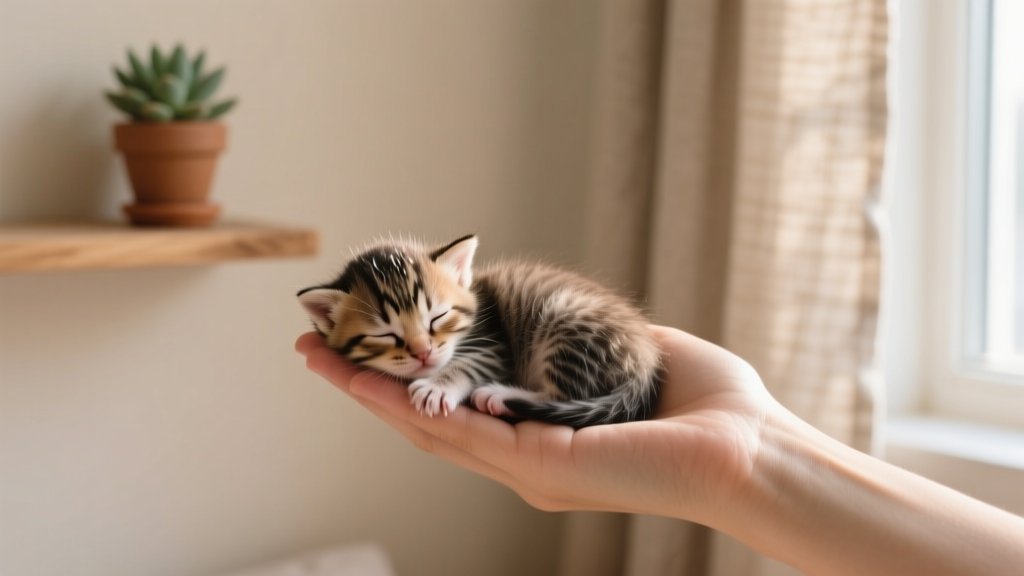
If you're asking how to care for infant kitten, chances are you've just found or been handed a tiny, unopened-eyed, shivering bundle no bigger than your thumb—and your heart is racing faster than their 300-bpm heartbeat. Infant kittens (under 4 weeks old) aren’t just ‘small cats’; they’re medically fragile neonates with zero ability to thermoregulate, digest solid food, eliminate waste independently, or fight infection. Over 60% of kitten mortality occurs in the first two weeks—and most deaths are preventable with evidence-based, timely intervention. This isn’t about ‘spoiling’ or ‘over-caring.’ It’s about replicating the biological safety net a mother cat provides—down to the millisecond of warmth, the exact angle of bottle tilt, and the precise rhythm of belly stimulation. What follows is not generic advice—it’s the distilled protocol used by shelter neonatal teams and veterinary ICU specialists, updated with 2024 AAHA (American Animal Hospital Association) neonatal guidelines.
1. Temperature & Environment: The Non-Negotiable First 15 Minutes
Infant kittens cannot shiver effectively and lose heat 3x faster than adults. Hypothermia sets in within minutes—even in room-temperature homes—and directly suppresses immune function, digestion, and suck reflex. A rectal temperature below 94°F (34.4°C) is a medical emergency; below 90°F (32.2°C), cardiac arrest risk spikes.
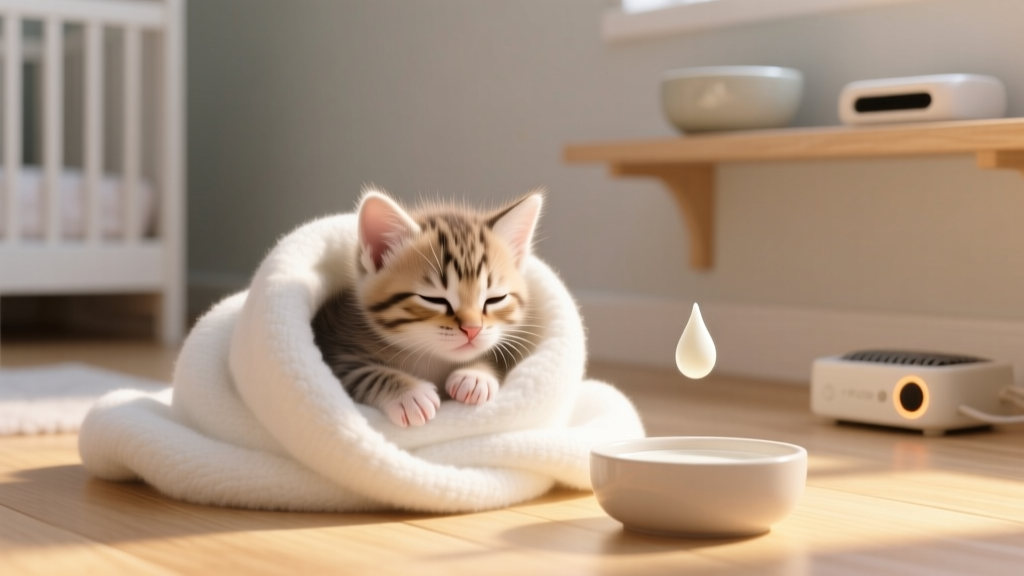
Do this immediately: Wrap the kitten loosely in a pre-warmed (not hot) fleece blanket—microwave a rice sock for 45 seconds, wrap in towel, and place *beside* (not under) the kitten. Never use heating pads (burn risk) or direct lamp heat (dehydration). Monitor temp every 15 minutes with a digital rectal thermometer (lubricated with water-based lube). Target: 95–99°F (35–37.2°C) for newborns; 97–100°F (36.1–37.8°C) by day 7. As Dr. Sarah Lin, DVM and Director of Neonatal Care at the ASPCA Kitten Nursery, stresses: “Warming *before* feeding is non-negotiable. A cold kitten cannot digest formula—and forcing milk causes aspiration pneumonia, the #1 cause of sudden death in hand-reared neonates.”
Once stable, house in a draft-free, quiet incubator space: a cardboard box lined with soft, non-looped fabric (no towels—tiny claws snag), placed atop a warm water bottle (replaced every 2 hours) or Snuggle Safe disc. Maintain ambient humidity at 55–65% (use a hygrometer)—low humidity dries mucous membranes and increases respiratory infection risk.
2. Feeding: Formula, Frequency, and the Lifesaving Angle
Never feed cow’s milk, goat’s milk, human baby formula, or almond milk. These lack taurine, proper fat-protein ratios, and contain lactose that causes fatal diarrhea and dehydration. Use only commercial kitten milk replacer (KMR) or similar (e.g., Breeder’s Edge, Just Born). Powdered formula is preferred over liquid—it’s less prone to bacterial bloom.
Preparation protocol: Mix powder with warm (100°F/38°C) distilled or filtered water. Never boil water—it degrades nutrients. Discard unused formula after 1 hour at room temp or 24 hours refrigerated. Warm servings in a water bath—not microwave (hot spots scald mouths).
Feeding mechanics matter more than volume: Use a 1–3 mL syringe (without needle) or specialized kitten bottle with ultra-fine nipple hole. Hold kitten *prone* (on belly), head slightly elevated—not upright like a human baby. Tilt bottle so formula fills nipple tip but *never* floods the mouth. Let them suck rhythmically; if they pause >5 seconds or choke, stop and reposition. Average intake: 2–4 mL per feeding for 0–1 week olds; 5–7 mL for 1–2 week olds. Feed every 2–3 hours—including overnight—for the first 10 days. Missed feeds = rapid blood sugar crash (hypoglycemia), signaled by lethargy, tremors, or seizures.
Real-world case: Maya, a foster volunteer in Portland, fed her orphaned trio every 4 hours ‘to get more sleep.’ At 36 hours, one kitten developed glassy eyes and weak suck. Vet confirmed severe hypoglycemia and dehydration. With IV dextrose and corrected feeding schedule, he survived—but missed the critical window for gut microbiome seeding, leading to chronic soft stools for weeks.
3. Stimulation & Elimination: Why You Must Be Their Bladder and Bowels
Until ~3 weeks old, kittens cannot urinate or defecate without physical stimulation—mimicking the mother’s licking. Failure to stimulate leads to toxic urine buildup (uroabdomen), constipation, and sepsis. This isn’t optional; it’s daily triage.
Technique: After *every* feeding (yes—even midnight), use a warm, damp cotton ball or soft tissue. Gently stroke the genital and anal area in downward motions for 60–90 seconds—firm but not abrasive—until urine flows (clear/yellow) and stool appears (mustard-yellow, seedy, soft). Newborn stool should appear within 24–48 hours of first feed. If no output in 2 consecutive sessions, consult a vet immediately—this signals ileus or megacolon risk.
Track elimination in a log: time, color, consistency, volume. Normal progression: Day 1–3: meconium (black, tarry); Day 4–10: transitional (greenish); Day 10+: mustard-yellow. Hard, pale, or bloody stool? Red flag for infection or formula intolerance. Straining >2 minutes? Possible obstruction.
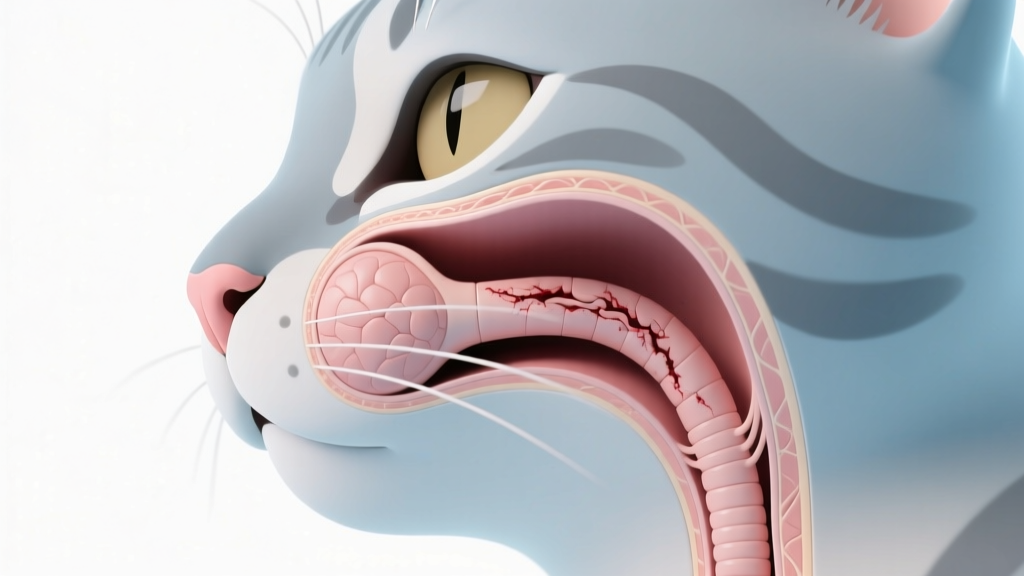
Also monitor for ‘kitten ick’—a sticky, yellowish discharge around eyes and nose. Wipe gently with saline-moistened gauze. Persistent discharge + sneezing = feline herpesvirus (FHV-1), which can blind or kill neonates. Isolate and call your vet.
4. Health Monitoring & When to Rush to the ER
Weigh kittens daily at the same time (preferably before first AM feed) on a gram-scale. Healthy gain: 7–10 grams per day. A 24-hour loss or plateau means immediate intervention. Other urgent red flags:
- Crying nonstop for >10 minutes (indicates pain, hunger, or hypothermia)
- Cool ears/paws + weak suck reflex (early hypothermia)
- Gums pale, blue, or tacky (shock or anemia)
- Breathing >60 breaths/min or open-mouth breathing
- Rectal temp >103°F (39.4°C) or <94°F (34.4°C)
- No stool for >48 hours or diarrhea >2 feeds
According to the 2023 ISFM (International Society of Feline Medicine) Consensus Guidelines, neonatal sepsis has a 70% mortality rate if untreated past 6 hours. If any red flag appears, call your vet *while* warming and hydrating—don’t wait for symptoms to ‘get worse.’
| Age Range | Key Developmental Milestones | Critical Care Actions | Warning Signs Requiring Vet Visit |
|---|---|---|---|
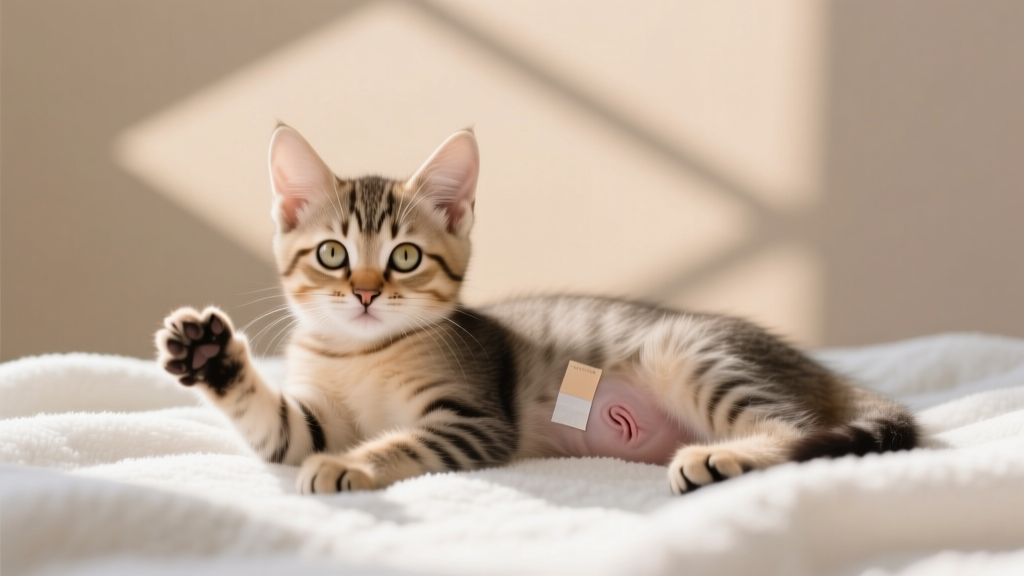
| 0–7 days | Eyes closed; ears folded; umbilical cord detaches ~3 days | Warmth priority; feed every 2–3 hrs; stimulate after each feed; weigh daily | No weight gain; no stool in 48 hrs; persistent crying; cord swelling/redness |
| 8–14 days | Eyes begin opening (usually day 7–10); ear canals open ~day 12 | Introduce gentle handling; watch for eye discharge; continue strict feeding/stim schedule | Eyes stuck shut/crusty; pus from ears; refusal to nurse; tremors |
| 15–21 days | First wobbly steps; teeth erupt (incisors ~day 18); social purring begins | Begin short ‘play’ sessions on soft surface; introduce shallow litter pan with paper pellets | No attempts to stand by day 18; no teeth by day 21; excessive drooling |
| 22–28 days | Walking confidently; chasing tail; playing with siblings; weaning begins | Offer gruel (KMR + high-quality wet food); increase socialization; vaccinate at 4 weeks (FVRCP) | Refusal of gruel for >24 hrs; isolation from littermates; labored breathing |
Frequently Asked Questions
Can I use human baby formula in an emergency?
No—absolutely not. Human formula lacks taurine (essential for retinal and cardiac development), has incorrect calcium-phosphorus ratios (causing metabolic bone disease), and contains sucrose instead of lactose—leading to osmotic diarrhea, dehydration, and electrolyte crashes within hours. In true emergencies (no KMR available), a temporary substitute is 1 part plain whole yogurt + 2 parts warmed goat’s milk—but this is not nutritionally complete and must be replaced with KMR within 12 hours. Always contact a vet or rescue before substituting.
How do I know if my kitten is getting enough to eat?
Look beyond volume: A well-fed kitten has a rounded, firm (not tight or sunken) belly after feeding, sleeps soundly for 1.5–2 hours, gains 7–10g/day, and produces 3–5 wet diapers (stool/urine) per 24 hours. If they root frantically after feeding, cry constantly, or have wrinkled skin that doesn’t snap back when gently pinched (skin tenting), they’re underfed or dehydrated. Weigh daily—consistency trumps intuition.
My kitten’s eyes are crusted shut—is that normal?
No. While mild discharge is common, crusting that glues eyelids shut signals bacterial conjunctivitis (often Staphylococcus or Chlamydia felis) or feline herpesvirus (FHV-1). Left untreated, it can cause corneal ulcers and permanent blindness. Gently soak crusts with sterile saline-soaked gauze, then apply vet-prescribed ophthalmic antibiotics (e.g., terramycin). Do NOT use human eye drops. Isolate from other kittens and disinfect all surfaces with diluted bleach (1:32).
When can I start handling the kitten more?
Gentle handling begins at day 5–7: hold for 2–3 minutes, 2x/day while stimulating. By week 2, increase to 5–10 minutes, supporting chest and hindquarters. Avoid squeezing, dangling, or fast movements. Socialization peaks between weeks 2–7—this is when positive human touch builds lifelong trust and reduces fear aggression. But never handle if kitten is cold, crying, or hasn’t eliminated—stress impairs immunity.
Do I need to deworm infant kittens?
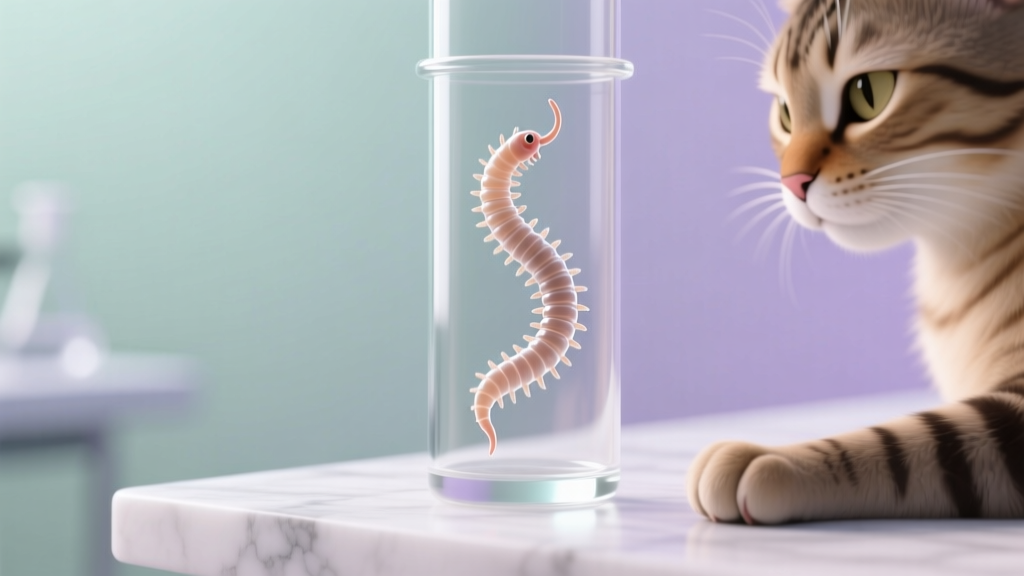
Yes—and early. Intestinal parasites (roundworms, hookworms) are nearly universal in orphaned kittens and cause stunted growth, anemia, and death. The AAHA recommends first deworming at 2 weeks using pyrantel pamoate (safe for neonates), repeated every 2 weeks until 8 weeks old. Always confirm dosage by weight with your vet—overdosing is fatal. Note: Panacur (fenbendazole) is safer for very young kittens with compromised livers, but requires vet prescription.
Common Myths About Infant Kitten Care
Myth 1: “Kittens can go 6–8 hours without eating if they seem sleepy.”
False. Neonatal kittens have virtually no fat stores and deplete blood glucose in under 4 hours. Sleepiness is often the *first sign* of hypoglycemia—not restfulness. Skipping a feed risks neurologic damage or coma.
Myth 2: “If the kitten feels warm to my touch, its body temperature is fine.”
Dangerously false. Human skin is ~91°F—so a kitten that feels ‘warm’ may actually be hypothermic (<95°F). Always verify with a rectal thermometer. A ‘warm’ kitten could be septic and in shock, with vasodilation masking core cold.
Related Topics (Internal Link Suggestions)
- Kitten vaccination schedule — suggested anchor text: "when to vaccinate newborn kittens"
- Signs of kitten dehydration — suggested anchor text: "kitten dehydration symptoms and treatment"
- How to introduce kitten to other pets — suggested anchor text: "introducing orphaned kitten to dogs or cats"
- Best kitten milk replacer brands — suggested anchor text: "top vet-recommended kitten formula brands"
- Kitten weaning timeline — suggested anchor text: "how to wean kittens from bottle to solid food"
Your Next Step: Don’t Wait—Act Now
You now hold life-saving knowledge—but knowledge only protects when applied. If you’re currently caring for an infant kitten, pause right now and check their temperature, weight, and last elimination time. If anything feels off—even subtly—call your veterinarian or nearest 24-hour emergency clinic. Don’t google symptoms. Don’t wait for ‘morning.’ Neonatal crises escalate in minutes, not hours. Bookmark this guide. Print the care timeline table. And remember: every gram gained, every clean diaper, every steady breath—they’re not just milestones. They’re quiet victories in a battle you’re already winning. You’ve got this. And if you need real-time support, reach out to Kitten Lady’s free helpline (kittenlady.org/help) or the ASPCA’s foster mentor program. Your compassion just changed a life.