Feline Nasopharyngeal Stenosis: Scarred Airway Passage
1. Why this topic matters to cat owners
When a cat sounds “stuffy,” snores loudly, or struggles to breathe through the nose, it’s easy to assume it’s just a cold or allergies. Sometimes it is—but occasionally the problem is structural: the normal airflow pathway at the back of the nasal cavity becomes narrowed by scar tissue. This condition is called feline nasopharyngeal stenosis.
Nasopharyngeal stenosis can quietly reduce a cat’s comfort and stamina over time. Cats are good at hiding breathing difficulty, and many owners only notice subtle changes like noisy breathing or decreased play. Understanding the signs helps you get veterinary care early, when treatment is often more effective and your cat can get back to breathing easily.
2. Overview: what nasopharyngeal stenosis is (plain-language explanation)
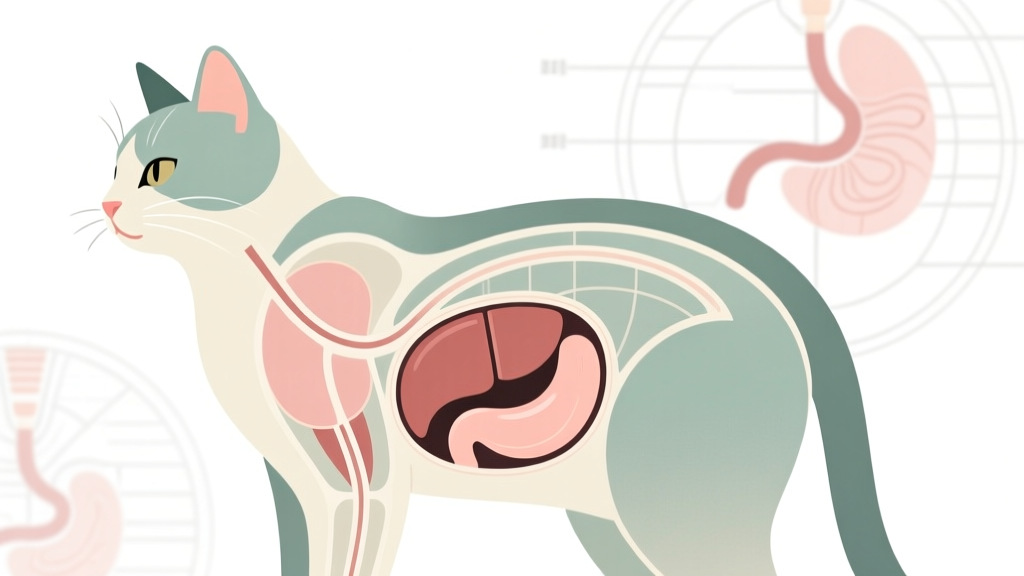
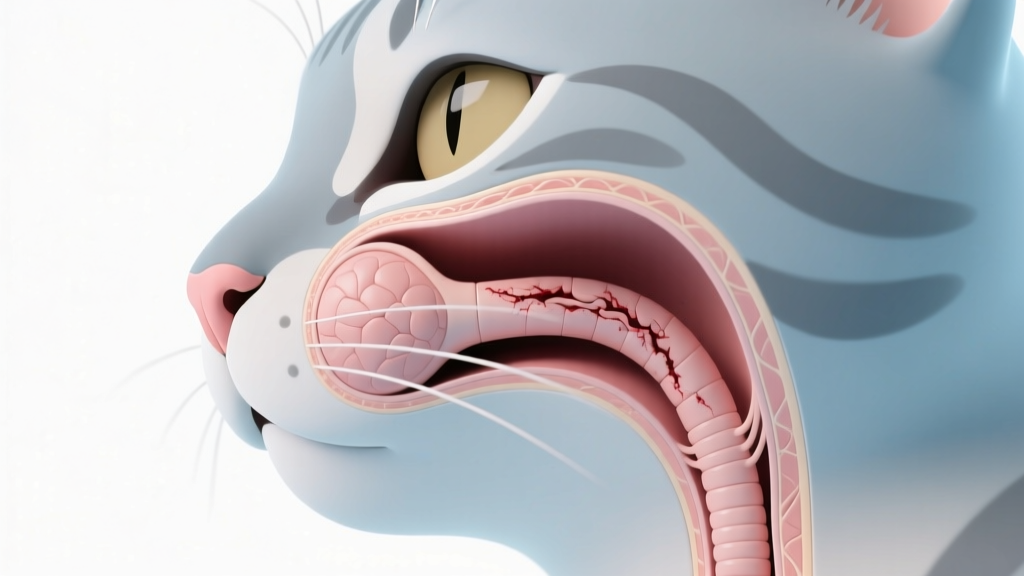
The nasopharynx is the area behind the nasal passages and above the soft palate, where air normally flows from the nose toward the throat and into the lungs. In nasopharyngeal stenosis, this passage becomes abnormally narrow due to scar tissue (fibrosis) or a web-like membrane forming across the opening.
Think of it like a hallway that’s partially blocked by remodeling materials. Air can still pass, but it has to squeeze through a smaller space, which creates:
- Noisy airflow (stertor: low-pitched snoring/snorting sounds)
- Increased effort to breathe through the nose
- Less ability to tolerate exercise or stress
This condition is considered uncommon, but it may be underdiagnosed because the symptoms can look like chronic upper respiratory disease.
3. Symptoms and warning signs to watch for
Signs can range from mild to severe and often develop gradually. Common symptoms include:
- Noisy breathing (snoring, snorting, “stuffy nose” sounds), especially when resting
- Mouth breathing during activity or stress (cats prefer nasal breathing; mouth breathing is a red flag)
- Increased breathing effort, especially on inhale
- Reduced activity or tiring faster during play
- Changes in voice or quieter meows (less common)
- Coughing or gagging episodes (sometimes)
- Nasal discharge may be present if ongoing inflammation or infection is involved, but some cats have little to none
- Snoring that seems new or progressively louder
Practical tip: Take a 20–30 second video of your cat breathing while asleep and while gently purring. This can help your veterinarian hear the type of noise and assess severity.
4. Causes and risk factors
Nasopharyngeal stenosis typically happens after the tissues in the nasopharynx are injured and heal by forming scar tissue. Potential causes and contributors include:
- Chronic upper respiratory inflammation (long-standing rhinitis/nasopharyngitis)
- Past infections, especially viral upper respiratory disease (such as feline herpesvirus) that can cause recurring inflammation
- Trauma to the nasopharynx
- Prior procedures involving the back of the nose/throat (rare, but scarring can occur after instrumentation)
- Congenital or developmental narrowing is considered less common, but structural differences can contribute in some cats
Some cats have a history of “chronic colds,” recurrent sneezing, or long-term nasal congestion before stenosis is recognized. Others may develop it after a single significant inflammatory event.
5. Diagnosis: what to expect at the vet
If your cat has noisy breathing or suspected upper airway obstruction, your veterinarian will start with a careful history and exam. Because the narrowing is located deep in the airway, diagnosing nasopharyngeal stenosis often requires imaging and/or scoping under sedation or anesthesia.
Common diagnostic steps include:
- Physical exam and breathing assessment: Your vet will listen to airflow and determine if the sound is more nasal (stertor) or lower airway (wheezing).
- Oral exam: Checking the soft palate, tonsils, and looking for masses or other causes of obstruction.
- Bloodwork (often recommended): Helps assess overall health and anesthesia safety; may look for signs of infection/inflammation.
- Imaging:
- CT scan is often the most informative for nasal/nasopharyngeal anatomy and can help rule out polyps, tumors, or foreign material.
- X-rays may be used but can miss subtle changes.
- Rhinoscopy/nasopharyngoscopy: A tiny camera is used to examine the nasal passages and nasopharynx. This can directly show a narrowed opening or scar “web.”
- Biopsy or sampling (when needed): If tissue looks abnormal, samples may be collected to rule out infection, inflammatory disease, or cancer.
What owners can do right away: Bring notes on when symptoms occur (sleeping vs. active), any triggers (heat, excitement), and whether there’s nasal discharge. Videos are extremely helpful.
6. Treatment options (medical, surgical, and home care)
Treatment depends on how narrow the passage is, whether ongoing inflammation is present, and whether the cat is stable. Many cats improve significantly with procedures that physically open the narrowed area, often combined with medical therapy to reduce inflammation and prevent recurrence.
Medical management
Medical treatment may be used:
- While waiting for advanced diagnostics
- When inflammation is a major contributor
- As supportive care before and after procedures
Your veterinarian may prescribe:
- Anti-inflammatory medication (often corticosteroids) to reduce swelling and inflammation that can worsen narrowing
- Antibiotics if bacterial infection is suspected or confirmed
- Antiviral or immune-support approaches in selected cases (especially with recurrent herpesvirus signs; exact plans vary by cat)
- Nasal hydration/support strategies for comfort (see home care below)
Medication alone may not resolve significant scar tissue narrowing, but it can reduce symptoms and help prevent flare-ups.
Procedural and surgical options
When scar tissue is the main issue, procedures are often the most effective path to long-term relief. Options your veterinarian or specialist may discuss include:
- Balloon dilation: A small balloon is guided to the narrowed area and inflated to widen the passage. This is commonly used and can be very effective, especially when combined with anti-inflammatory therapy.
- Mechanical or endoscopic breakdown of scar tissue: The narrowing or membrane is carefully opened using specialized tools.
- Temporary stent placement (selected cases): A stent may help keep the airway open while healing occurs. This is not needed for every cat and carries its own risks, so it’s case-dependent.
Recurrence can happen because scar tissue sometimes reforms during healing. Your vet may recommend follow-up exams and ongoing medication to reduce that risk.
Home care and comfort measures
Home care supports breathing comfort and recovery but does not replace veterinary treatment for obstruction. Practical steps you can start immediately (and continue if your vet approves):
- Reduce airway irritants: Avoid smoke, strong fragrances, dusty litter, and aerosol sprays.
- Optimize humidity: Use a humidifier in the room where your cat sleeps (clean it regularly). A brief “steam session” in a bathroom after a warm shower can help some cats—only if your cat remains calm and never overheated.
- Encourage hydration: Offer a water fountain, wet food, and extra water mixed into meals if your vet agrees.
- Keep stress low: Stress can worsen breathing effort. Provide quiet resting spots and predictable routines.
- Maintain a healthy weight: Extra body fat can increase breathing effort. Ask your vet for a safe weight plan if needed.
Medication safety reminder: Never give human cold medicines, essential oils, or decongestants to cats. Many are toxic.
7. Prevention strategies and early detection tips
You can’t always prevent scar tissue formation, but you can lower the chance of chronic inflammation and catch problems earlier.
- Address chronic “snuffles” promptly: If your cat has congestion or noisy breathing for more than 7–10 days, or it keeps returning, schedule a veterinary visit.
- Follow vaccine recommendations: Vaccination doesn’t prevent every respiratory infection, but it can reduce severity and complications for many cats.
- Manage herpesvirus flare-ups: If your cat has known feline herpesvirus, ask your vet about individualized strategies to reduce flare frequency and inflammation.
- Choose low-dust litter and keep your home air clean.
- Track changes: Make note of new snoring, louder breathing, mouth breathing episodes, or decreased activity.
8. Prognosis and quality of life considerations
Many cats with nasopharyngeal stenosis can enjoy an excellent quality of life once the airway is improved and inflammation is controlled. Prognosis depends on:
- Severity of narrowing and how long it has been present
- Underlying causes (ongoing infection or inflammatory disease can complicate healing)
- Response to dilation or corrective procedures
- Whether recurrence occurs and how quickly it’s addressed
Some cats need more than one procedure or periodic rechecks. When treated appropriately, many owners report noticeable improvements in sleep quality, energy, and comfort.
Quality of life check-in you can do at home: Monitor sleeping noise, willingness to play, breathing rate at rest, and whether your cat ever open-mouth breathes. Share a simple log with your veterinarian during follow-ups.
9. When to seek emergency veterinary care
Upper airway obstruction can become urgent quickly. Seek emergency veterinary care right away if you notice:
- Open-mouth breathing or panting that isn’t from brief stress (especially if persistent)
- Labored breathing: pronounced chest/abdominal effort, flared nostrils, or extended neck posture
- Blue, gray, or very pale gums/tongue
- Collapse, extreme weakness, or inability to settle
- Severe distress or sudden worsening of noisy breathing
If your cat is struggling to breathe, keep them calm, avoid forcing them into a carrier if it increases panic (ask the clinic for guidance), and head to the nearest emergency veterinarian.
10. FAQ: common questions cat owners ask
Is nasopharyngeal stenosis the same as a nasal polyp?
No. A nasal/nasopharyngeal polyp is a soft tissue growth that can block airflow, while nasopharyngeal stenosis is a narrowing caused by scar tissue. The symptoms can look similar, which is why imaging and scoping are so helpful.
Will my cat’s “stuffy” breathing go away on its own?
If the noise is from mild inflammation, it may improve with time and appropriate veterinary care. If scar tissue is creating a physical narrowing, it typically does not fully resolve on its own and may worsen. A veterinary exam is the safest way to tell the difference.
Is anesthesia risky for cats with airway narrowing?
Any cat with breathing issues deserves careful planning for sedation or anesthesia. Veterinarians manage this by doing pre-anesthetic testing when appropriate, choosing safer drug protocols, and monitoring closely. In many cases, the long-term benefit of diagnosing and correcting the obstruction outweighs the short-term risk—your vet will talk you through options based on your cat’s stability.
Can nasopharyngeal stenosis come back after treatment?
Yes, recurrence can happen because healing tissues can form new scar tissue. Many cats do very well after balloon dilation or corrective procedures, but some need repeat treatments or ongoing anti-inflammatory management. Following recheck schedules and reporting early symptom return improves outcomes.
What should I do at home while waiting for my appointment?
Keep your cat calm, avoid heat and heavy play, and reduce irritants like smoke or dusty litter. Use gentle humidity support if your cat tolerates it, encourage hydration, and record videos of the breathing sounds. If you see open-mouth breathing or distress, seek emergency care.
Could this be allergies instead?
Allergies can cause upper airway inflammation, but true nasopharyngeal stenosis involves structural narrowing. Cats can also have both inflammation and narrowing at the same time. Your veterinarian can sort this out with exam findings and, if needed, imaging or endoscopy.
If your cat’s breathing sounds have changed, or you’re seeing persistent congestion, snoring, or mouth breathing, schedule a veterinary visit for a proper assessment and a clear plan. For more cat health guidance, symptom check tips, and wellness resources, visit catloversbase.com.