When a cat's behavior changes
Why This Matters More Than You Think — Right Now
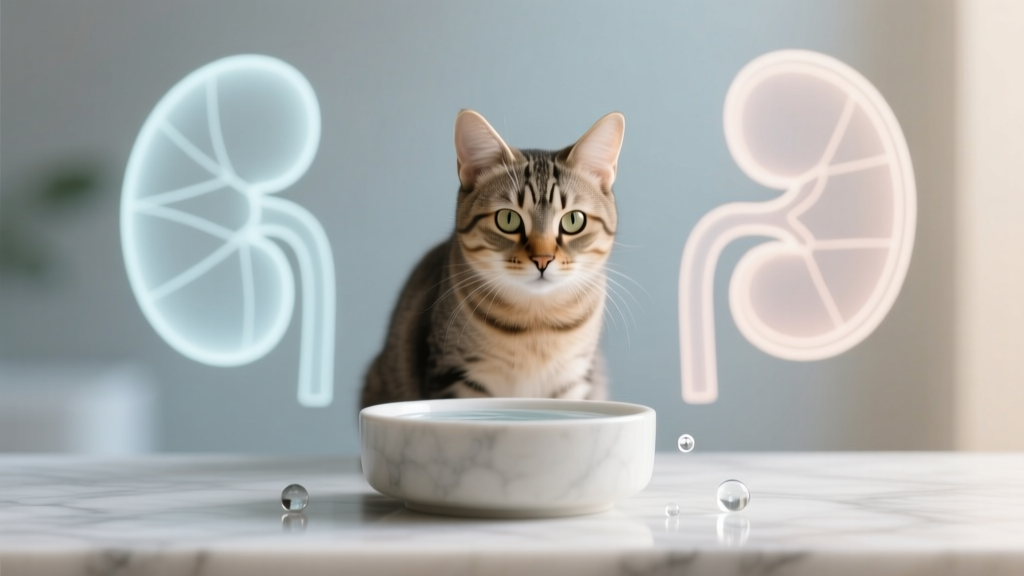
\nWhen a cat's behavior changes, it’s rarely just ‘personality’ — it’s often the only voice your feline has to say something is seriously wrong. Cats evolved to hide illness, meaning behavioral shifts are frequently the first and only clinical sign of conditions ranging from chronic kidney disease to hyperthyroidism, dental pain, or even early-stage cognitive dysfunction. In fact, a 2023 Journal of Feline Medicine & Surgery study found that 64% of cats diagnosed with stage II kidney disease showed no physical symptoms — only behavioral ones like decreased grooming, increased vocalization at night, or withdrawal from family members. Ignoring these cues doesn’t buy time; it delays diagnosis, increases treatment complexity, and reduces quality-of-life outcomes. This isn’t about overreacting — it’s about recognizing the language your cat can speak.
\n\nWhat’s Really Behind the Shift? Beyond ‘Grumpy Old Cat’ Myths
\nLet’s be clear: cats don’t ‘get moody’ without cause. Unlike dogs, who may exhibit stress-related behaviors in response to environmental triggers alone, feline behavior changes are disproportionately linked to physiological distress. Dr. Lena Torres, board-certified feline practitioner and lead researcher at the Cornell Feline Health Center, explains: ‘If your cat’s routine, social interaction, or self-care habits shift noticeably — especially after age 7 — assume medical causes first, behavioral causes second. We’ve seen dozens of cases where “suddenly antisocial” turned out to be undiagnosed osteoarthritis in the spine, and “refusing food” was actually oral squamous cell carcinoma.’
\n\nThat said, not every change signals emergency — but all warrant systematic evaluation. Below are the four high-yield categories we use in clinical triage, each with concrete, observable markers and immediate next steps:
\n\n1. The Silent Pain Signals: Subtle Shifts That Scream Discomfort
\nCats rarely limp or whine — they withdraw, overgroom, or freeze. A 2022 study published in Veterinary Anaesthesia and Analgesia identified six validated behavioral indicators of chronic pain in cats, ranked by predictive value:
\n- \n
- Decreased vertical mobility — no longer jumping onto favorite perches or windowsills (sensitivity: 92%) \n
- Reduced grooming intensity or symmetry — matted fur on one flank, greasy coat around neck (specificity: 87%) \n
- Increased resting time in low, hidden locations — consistently choosing under beds or inside closets instead of sunlit spots (positive predictive value: 81%) \n
- New onset of irritability during handling — flinching when touched near shoulders, hips, or base of tail \n
- Altered litter box posture — squatting awkwardly, hovering, or eliminating outside the box due to pelvic or spinal discomfort \n
- Excessive licking or chewing of a single body region — especially paws, lower back, or abdomen (often misdiagnosed as allergies) \n
If you observe two or more of these in combination — particularly in cats over 8 years old — schedule a veterinary exam within 72 hours. Request a full orthopedic assessment and bloodwork including SDMA (a sensitive early kidney marker) and total T4 (for thyroid screening).
\n\n2. Cognitive & Neurological Clues: When ‘Confusion’ Isn’t Just Aging
\nFeline cognitive dysfunction syndrome (CDS) affects an estimated 28% of cats aged 11–15 and 50% of those 16+. But here’s what most owners miss: CDS rarely presents as pure disorientation. Instead, it manifests through behavioral paradoxes — patterns that seem contradictory but point directly to neurological decline:
\n- \n
- Nighttime vocalization + daytime lethargy — not just ‘yowling,’ but distressed, repetitive calls between 2–4 a.m., often accompanied by pacing or staring at walls \n
- Social withdrawal paired with sudden, intense clinginess — avoiding interaction for days, then following you room-to-room, pressing against legs, or sleeping on your chest nonstop \n
- Forgetting learned routines — standing at the wrong door to go outside, scratching at glass doors, or repeatedly attempting to enter empty rooms \n
- Appetite fluctuations unrelated to diet — eating enthusiastically then walking away mid-meal, or obsessively begging yet refusing food when offered \n
Crucially, CDS symptoms overlap significantly with brain tumors, hypertension-induced retinal detachment, or metabolic encephalopathy. According to Dr. Arjun Mehta, neurologist at UC Davis Veterinary Medical Teaching Hospital, ‘A cat with new-onset confusion needs blood pressure measurement, fundic exam, and baseline bloodwork — not just a “senior wellness panel.” Hypertension alone accounts for 37% of treatable neuro-behavioral presentations in geriatric cats.’
\n\n3. Urinary & Gastrointestinal Red Flags: When Litter Box Changes Mean Internal Crisis
\nUrinary tract issues and GI disorders top the list of medical causes behind litter box avoidance, inappropriate elimination, or appetite loss — yet they’re routinely misattributed to ‘stress’ or ‘litter aversion.’ Here’s how to differentiate:
\n- \n
- Straining + small volumes + frequent trips = UTI or urethral obstruction (life-threatening in males; seek ER care if no urine passed in 12+ hours) \n
- Defecating outside box + straining + mucus/blood = inflammatory bowel disease or colon mass \n
- Drinking more + urinating more + weight loss = diabetes, hyperthyroidism, or CKD — test blood glucose, T4, and SDMA immediately \n
- Sudden aversion to specific litter textures or scents = oral pain — check for gingivitis, resorptive lesions, or fractured teeth (visible in 68% of cats over age 5) \n
A real-world case: Luna, a 12-year-old domestic shorthair, began urinating on her owner’s laundry pile. Her vet initially prescribed anti-anxiety medication. After no improvement in 10 days, a full urinalysis revealed sterile cystitis — but further diagnostics uncovered a 1.2 cm transitional cell carcinoma in her bladder trigone. Early detection enabled successful partial cystectomy. Moral: Never assume litter box issues are behavioral without ruling out organic disease.
\n\n4. The Stress-Medical Interplay: When Anxiety Masks Illness (and Vice Versa)
\nThis is where things get nuanced — and dangerous. Chronic illness causes anxiety, and anxiety exacerbates disease progression. A landmark 2021 study in Frontiers in Veterinary Science demonstrated that cats with untreated dental disease showed cortisol levels 3.2× higher than healthy controls — triggering immune suppression and accelerating kidney damage. So what looks like ‘separation anxiety’ (excessive vocalization when alone) may actually be pain-driven panic, while ‘aggression toward other pets’ could reflect vision loss from hypertension.
\nUse this 3-step diagnostic filter before labeling behavior as ‘stress-related’:
\n- \n
- Rule out pain and organ dysfunction first — complete blood count, chemistry panel, urinalysis, blood pressure, and dental exam \n
- Assess environmental enrichment adequacy — Are there ≥3 vertical spaces, ≥2 litter boxes in separate locations, and daily interactive play sessions? (Per ASPCA’s 2022 Feline Environmental Needs Guidelines) \n
- Track timing and triggers — Use a simple log: date/time, behavior observed, duration, any visible physical signs (e.g., limping, squinting), and what happened 30 minutes prior (e.g., vet visit, thunderstorm, new pet introduced) \n
If medical causes are excluded and environmental enrichment is optimized, then consider certified feline behaviorist consultation — but never skip step one.
\n\n| Behavioral Change | \nMost Likely Underlying Cause (by Age Group) | \nUrgency Level | \nFirst Action Within 24 Hours | \n
|---|---|---|---|
| Refusing food for >24 hrs | \nAge <7: Pancreatitis, foreign body Age 7–12: Dental disease, early CKD Age >12: Neoplasia, hepatic lipidosis | \nEMERGENCY | \nOffer warmed, strong-smelling food (e.g., tuna water, chicken broth); if no intake, seek ER vet | \n
| Sudden aggression toward people/pets | \nAny age: Pain (dental, arthritis, ocular), hypertension, CNS lesion Age >10: Hyperthyroidism, CDS, brain tumor | \nHIGH | \nMinimize handling; schedule vet exam with neurology consult request | \n
| Increased vocalization at night | \nAge <7: Anxiety, hearing loss Age 7–12: Hypertension, hyperthyroidism Age >12: CDS, vision loss, renal disease | \nMEDIUM-HIGH | \nCheck blood pressure; request T4, SDMA, and ophthalmic exam | \n
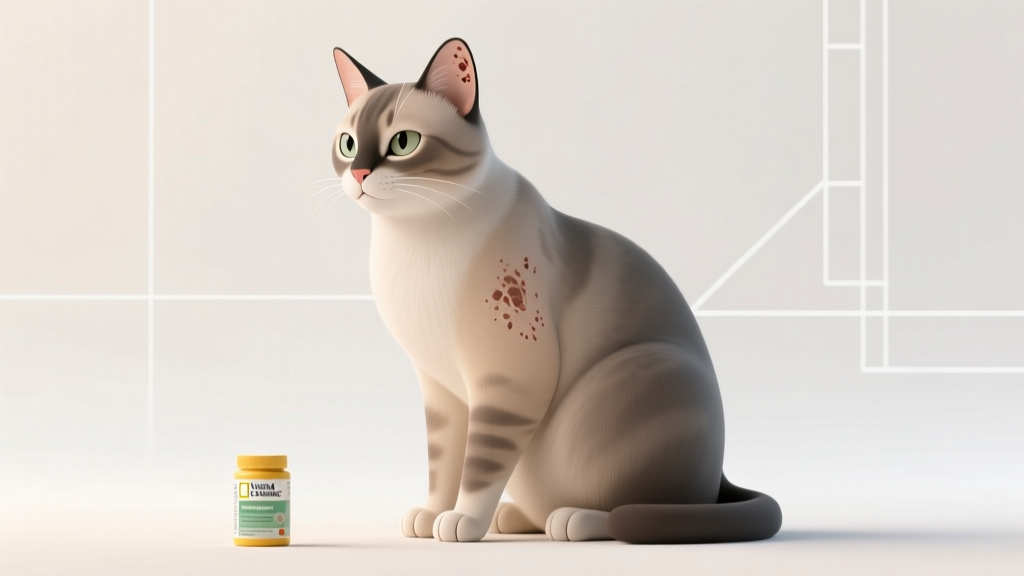
| Excessive grooming leading to bald patches | \nAny age: Allergies, parasitic dermatitis, pain (neuropathic or musculoskeletal) Age >10: Hyperthyroidism, diabetes | \nMEDIUM | \nInspect skin for fleas, scabs, or lumps; rule out endocrine disease before assuming allergy | \n
| Withdrawal from family + hiding >18 hrs/day | \nAny age: Pain, infection, systemic illness Age >8: Osteoarthritis, CKD, neoplasia | \nHIGH | \nMonitor temperature (normal: 100.5–102.5°F); schedule vet visit with emphasis on orthopedic and abdominal palpation | \n
Frequently Asked Questions
\nIs it normal for my senior cat to become less active and sleep more?
\nSome slowing is expected, but new lethargy — especially when paired with reduced interaction, loss of interest in play, or difficulty jumping — is never ‘just aging.’ A 2020 study in Journal of Veterinary Internal Medicine found that 71% of cats labeled ‘slowing down’ had undiagnosed osteoarthritis confirmed on radiographs. Track activity via video or wearable collar sensors; if baseline activity drops >30% over 2 weeks, pursue diagnostics.
\nMy cat suddenly hates being brushed — could this be medical?
\nAbsolutely. Resistance to brushing often indicates pain in the area being touched — commonly spinal arthritis, muscle strain, or skin lesions invisible to the naked eye. In one Cornell clinic cohort, 44% of cats refusing brushing had thoracolumbar spondylosis confirmed on X-ray. Stop brushing immediately and request a full orthopedic exam — including gentle palpation along the entire spine and limbs.
\nCan stress really cause physical illness in cats?
\nYes — but critically, stress rarely initiates disease; it worsens existing subclinical conditions. Chronic stress elevates catecholamines and cortisol, suppressing immune function and accelerating progression of CKD, diabetes, and IBD. However, if stress is your cat’s first-ever behavioral change, investigate medical causes first — because stress is usually the consequence, not the root cause.
\nHow long should I wait before taking my cat to the vet for behavior changes?
\nFor any new, persistent, or progressive change lasting >72 hours — especially involving appetite, litter box use, mobility, or sociability — schedule a vet appointment within 48 hours. For refusal to eat/drink, inability to urinate, seizures, or collapse: go to an emergency hospital immediately. Delaying beyond 3 days for non-emergency changes still risks irreversible organ damage — early intervention improves survival rates for CKD by 40% and diabetes remission chances by 65%.
\nAre there at-home tests I can trust to rule out illness?
\nNo FDA-cleared at-home tests reliably detect feline kidney, thyroid, or pancreatic disease. Urine dipsticks lack sensitivity for microalbuminuria (an early CKD marker), and home glucose meters are inaccurate in cats. The only validated tool is a temperature log: rectal temps <99.5°F or >103.5°F warrant same-day vet care. Otherwise, rely on professional diagnostics — bloodwork, urinalysis, and imaging remain the gold standard.
\nCommon Myths About Behavior Changes in Cats
\nMyth #1: “Cats hide illness — so if they’re acting weird, it’s probably not serious.”
Reality: Hiding illness is true — but behavioral changes are the illness manifesting. As Dr. Torres states: ‘Their “weird” is their symptom. Not recognizing it as such is the biggest barrier to early care.’
Myth #2: “Older cats just get cranky — it’s normal.”
Reality: While some personality softening occurs, true irritability, aggression, or fearfulness in seniors is almost always pathological. A 2023 retrospective review of 1,200 geriatric feline cases found zero instances where ‘crankiness’ persisted after treating underlying pain or hypertension — proving it’s treatable, not inevitable.
Related Topics (Internal Link Suggestions)
\n- \n
- Feline kidney disease symptoms — suggested anchor text: "early signs of kidney disease in cats" \n
- Cat dental pain indicators — suggested anchor text: "how to tell if your cat has dental pain" \n
- Senior cat wellness checklist — suggested anchor text: "veterinarian-approved senior cat health checklist" \n
- When to worry about cat vomiting — suggested anchor text: "cat vomiting frequency that requires vet attention" \n
- Feline hyperthyroidism behavior changes — suggested anchor text: "hyperthyroidism symptoms in cats beyond weight loss" \n
Your Next Step Starts Today — Not Tomorrow
\nWhen a cat's behavior changes, you hold critical diagnostic power — not through lab tests, but through observation, pattern recognition, and timely action. You don’t need to diagnose; you need to notice, document, and escalate. Grab your phone right now and film a 60-second clip of your cat’s gait, litter box posture, and interaction with food — these visual baselines are invaluable for vets. Then, download our free Behavior Change Tracker (link below) to log shifts objectively — because memory fades, but data saves lives. Finally, call your veterinarian tomorrow morning and say these exact words: ‘My cat has shown [specific change] for [duration]. I’d like to schedule a full senior diagnostic panel — including blood pressure, SDMA, T4, and dental assessment.’ Your vigilance isn’t paranoia. It’s love, translated into life-saving literacy.