Feline Retinal Degeneration: Progressive Vision Loss
1. Introduction: Why Retinal Health Matters for Cat Owners
Most cats are masters at hiding health problems, and vision changes can be especially easy to miss. Cats memorize the layout of their home, move quietly, and compensate with hearing, whiskers, and smell. That’s why retinal degeneration (a condition affecting the light-sensing tissue at the back of the eye) can progress for weeks or months before it becomes obvious.
Understanding feline retinal degeneration helps you:
- Recognize subtle warning signs early
- Know what to expect from your veterinarian’s exam and testing
- Protect your cat’s safety at home if vision loss occurs
- Act quickly in situations where vision loss may be sudden and treatable
If you suspect any change in your cat’s vision or eye comfort, schedule a veterinary visit promptly. Vision changes aren’t something to “watch and wait” on without professional guidance.
2. Overview: What Is Feline Retinal Degeneration?
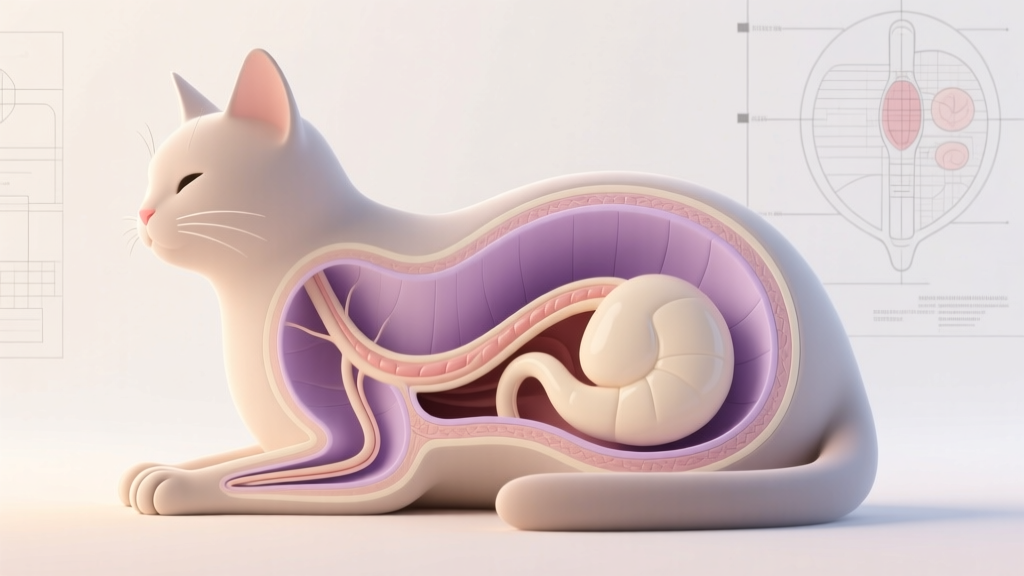
The retina is a thin layer of nerve tissue lining the back of the eye. It functions like a camera sensor: it receives light and converts it into signals that travel through the optic nerve to the brain. When the retina degenerates, it gradually loses the ability to process light, leading to partial or complete vision loss.
Retinal degeneration is a broad term. In cats, it most commonly describes:
- Progressive retinal atrophy (PRA): Usually inherited and slowly progressive, affecting both eyes.
- Retinal degeneration from nutritional deficiency: Historically linked to taurine deficiency (now less common with reputable commercial diets).
- Retinal degeneration secondary to other disease processes: Some conditions can damage the retina over time.
Retinal degeneration is different from problems like cataracts (clouding of the lens) or corneal disease (surface eye issues). A cat with retinal degeneration often has eyes that look “normal” to an untrained observer, especially early on.
3. Symptoms and Warning Signs to Watch For
Many cats show subtle changes at first. You may notice behavior changes before you notice anything “wrong” with the eyes.
Early signs (often subtle)
- Hesitation in dim light: Night vision is often affected earlier than daytime vision.
- More cautious movement: Pausing before jumping up or down.
- Misjudging distances: Jumping short of a surface or landing awkwardly.
- Increased clinginess or vocalizing: Some cats seek reassurance when their environment feels less predictable.
- Startling more easily: Especially if approached from the side.
More advanced signs
- Bumping into objects: Especially when furniture has been moved.
- Staying close to walls: “Wall-hugging” to navigate.
- Reluctance to use stairs or navigate unfamiliar rooms.
- Difficulty finding toys or treats unless they make noise or have a strong scent.
- Pupil changes: Pupils may appear more dilated, or respond less normally to light.
- Eyeshine changes in photos: A bright reflective look may be more noticeable (not diagnostic, but can prompt a checkup).
What you can do today
- Test your cat’s confidence in low light by gently dimming the room (never shine bright lights into the eyes).
- Note any new hesitation around favorite jumps or perches.
- Record short videos of concerning behavior to share with your veterinarian.
4. Causes and Risk Factors
Retinal degeneration has multiple possible causes. Your veterinarian’s job is to determine whether vision loss is due to a progressive degenerative condition or something sudden and treatable.
Common causes and contributors
- Inherited retinal disease (PRA): Some lines/breeds have higher risk, but any cat can be affected.
- Nutritional deficiency (taurine): Taurine is essential for retinal health. Deficiency can cause retinal degeneration and heart disease. It is uncommon in cats eating complete, reputable commercial diets, but can occur with poorly formulated homemade diets or dog food feeding.
- Age-related changes: Aging alone doesn’t equal blindness, but senior cats are more likely to have concurrent eye and systemic diseases that affect vision.
- Underlying medical disease: Some systemic problems can contribute to retinal damage over time. Your vet may screen for issues like high blood pressure or other conditions depending on your cat’s signs.
- Toxin exposure: Some medications or toxins can affect vision; always tell your vet what your cat could have accessed.
Risk factors to take seriously
- Feeding a non-vetted homemade diet without a veterinary nutritionist’s guidance
- Feeding dog food as a primary diet
- Unexplained weight loss, increased thirst/urination, or behavior changes alongside vision concerns
- Senior age with no recent wellness labs or blood pressure checks
5. Diagnosis: What to Expect at the Vet
A vision concern should be evaluated by a veterinarian as soon as practical. If the onset seems sudden (hours to days), it may be urgent (see emergency section below).
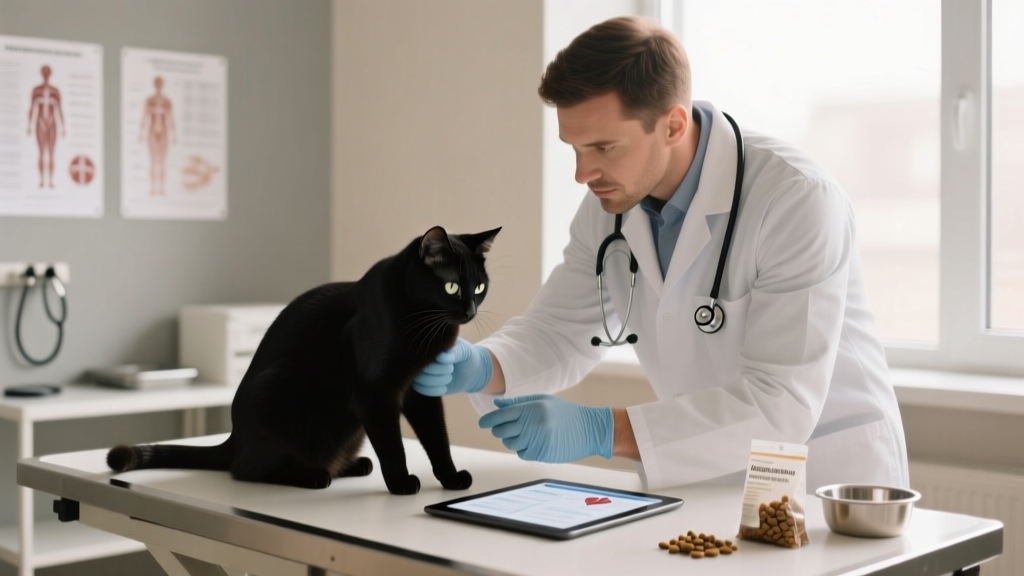
Typical veterinary evaluation
- History questions: When did you first notice changes? Any falls, toxin exposure, new medications, diet changes, or other symptoms?
- Physical exam: General health check to look for clues of systemic disease.
- Eye exam: Includes checking:
- Pupil light response
- Menace response (blink to a visual stimulus)
- Dazzle reflex (response to bright light)
- Tracking and navigation in the exam room
- Inspection of the cornea, lens, and internal eye structures
- Ophthalmoscopy: Looking at the retina and optic nerve. Retinal degeneration may show thinning, altered reflectivity, or changes in blood vessels.
Common diagnostic tests
- Blood pressure measurement: High blood pressure can cause sudden retinal damage and is a major rule-out.
- Bloodwork and urinalysis: Checks overall health and screens for underlying systemic conditions that could affect vision.
- Electroretinography (ERG): A specialized test (often done by a veterinary ophthalmologist) that measures retinal function and can help confirm retinal degeneration even when the retina looks normal early on.
- Referral to a veterinary ophthalmologist: Recommended when diagnosis is uncertain, vision loss is progressing, or specialized testing is needed.
Bring notes about diet (brand, formula, treats), supplements, medications, and a timeline of symptoms. This helps your veterinarian move faster and more confidently.
6. Treatment Options: Medical, Surgical, and Home Care
Management depends on the underlying cause. Some causes are treatable or partially reversible if caught early; many degenerative retinal conditions are not reversible, but supportive care can maintain excellent quality of life.
Medical treatment (cause-dependent)
- Diet correction for taurine deficiency: If taurine deficiency is suspected, your vet may recommend a complete feline diet and taurine supplementation. Retinal damage may not fully reverse, but progression may slow or stop and overall health can improve.
- Managing underlying disease: If blood pressure is high or another medical condition is identified, treating it may protect remaining vision and prevent additional complications.
- Medication review: If a drug or toxin exposure is suspected, your veterinarian will advise next steps and supportive care.
Surgical treatment
There is no standard surgery that “fixes” retinal degeneration. Surgery is more relevant to other causes of vision loss (like cataracts) rather than degeneration of the retina itself. Your veterinarian may refer you to an ophthalmologist to confirm whether another treatable eye condition is also present.
Home care: practical steps that help immediately
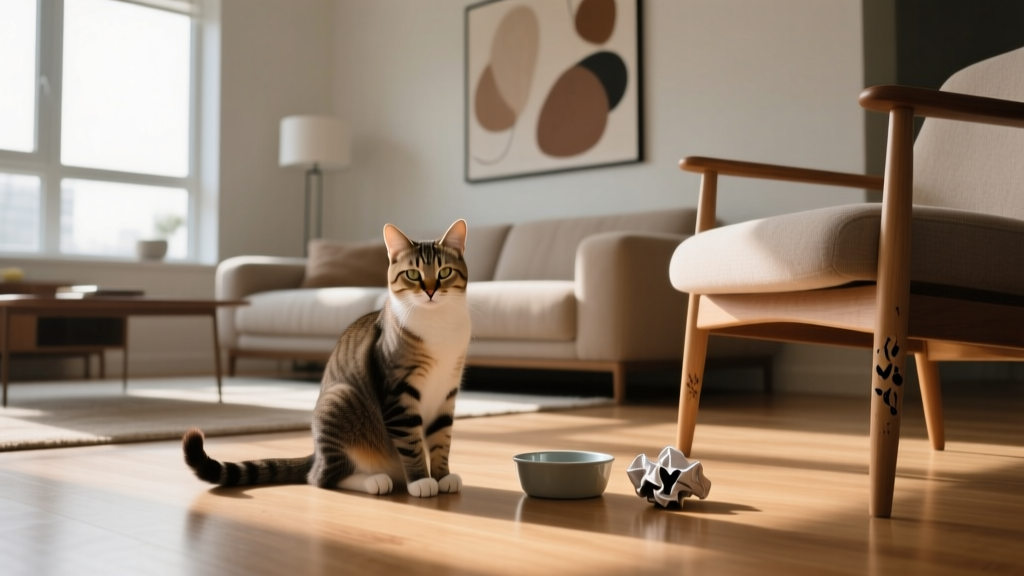
- Keep furniture placement stable: Avoid frequent rearranging while your cat adapts.
- Use consistent pathways: Keep floors clear of clutter and cords.
- Block hazards: Use baby gates for stairs if your cat is unsure; close balconies and secure windows.
- Add traction: Rugs or runners help cats feel secure on slippery floors.
- Make resources easy to find: Keep food, water, and litter box in consistent locations; consider an extra litter box on each level of the home.
- Sound and scent cues: Use crinkly toys, bell toys, or treats with stronger aroma to encourage play and confidence.
- Approach gently: Speak before touching your cat, especially if they startle more easily.
- Keep cats indoors: Vision-impaired cats are at much higher risk outdoors.
7. Prevention Strategies and Early Detection Tips
Not all retinal degeneration can be prevented, but you can reduce risk and catch problems earlier.
Prevention and protection checklist
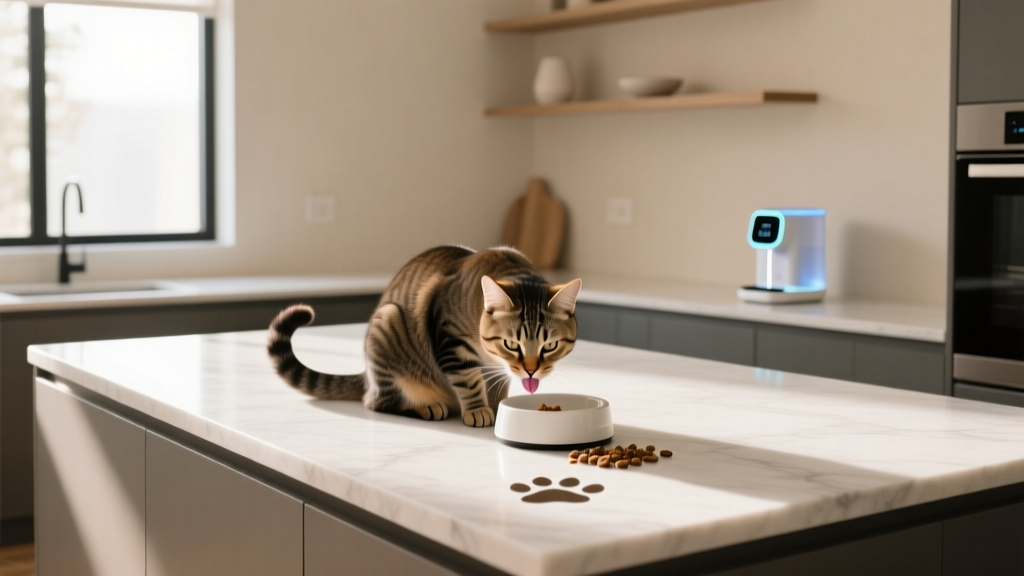
- Feed a complete and balanced cat diet: Choose reputable commercial foods labeled for “complete and balanced” nutrition for your cat’s life stage.
- Avoid dog food as a regular meal: It is not formulated to meet feline taurine needs.
- Be cautious with homemade diets: If you want to feed homemade, work with your veterinarian and ideally a board-certified veterinary nutritionist to ensure taurine and other nutrients are adequate.
- Schedule routine wellness exams: Annual exams for adult cats; every 6 months for seniors is a common recommendation.
- Ask about blood pressure screening: Especially for senior cats or cats with kidney/thyroid concerns.
- Watch for subtle night-vision changes: Early retinal disease may show up in low light first.
At-home “early detection” habits
- Observe how your cat navigates at dusk or in a dim hallway
- Note any new jump hesitation and share details with your vet
- Take periodic photos (no flash close to the face) and report unusual, persistent pupil changes
8. Prognosis and Quality of Life Considerations
The outlook depends on the cause. For many degenerative retinal conditions, vision loss is progressive and not reversible. That said, cats usually adapt extremely well, especially when the change is gradual and their environment is stable.
What quality of life can look like
- Excellent day-to-day function: Many blind or low-vision cats can play, climb, and interact normally with a few adjustments.
- Strong reliance on routine: Predictable feeding times and consistent home layout reduce stress.
- Emotional well-being matters: Gentle handling, interactive play with sound/scent toys, and safe hiding spots help confidence.
Talk to your veterinarian about realistic expectations and whether referral to a veterinary ophthalmologist makes sense. If vision loss is progressing quickly, identifying an underlying cause can protect health beyond the eyes.
9. When to Seek Emergency Veterinary Care
Some eye problems are urgent. Seek same-day emergency care (ER or urgent vet) if you notice:
- Sudden blindness or sudden major vision change (over hours to a day)
- Widely dilated pupils that don’t respond to light
- Eye pain (squinting, pawing at the face, hiding, aggression when touched)
- Redness, swelling, discharge, or cloudiness that appears quickly
- Head tilt, circling, severe disorientation, seizures, or collapse
- Known or suspected toxin exposure (including human medications)
Even if retinal degeneration is ultimately the diagnosis, these “sudden onset” signs can point to problems where rapid treatment may preserve vision or prevent serious complications.
10. FAQ: Common Questions About Feline Retinal Degeneration
Can retinal degeneration be cured?
Many forms are not curable, especially inherited progressive retinal atrophy. Treatment focuses on identifying and addressing underlying causes (when present), slowing progression when possible, and supporting safe, comfortable living. Your veterinarian can guide you on what type is most likely for your cat.
Will my cat go completely blind?
Some cats develop significant vision loss over time, while others retain partial vision. The course varies by cause. The good news is that cats typically adapt very well, especially if the change is gradual and their home environment stays consistent.
Does a cloudy eye mean retinal degeneration?
Not necessarily. Cloudiness can come from the cornea, fluid inside the eye, or the lens (cataracts). Retinal degeneration often doesn’t cause visible cloudiness. Any cloudiness should be checked by a veterinarian promptly.
Could diet really affect my cat’s retina?
Yes. Taurine is essential for retinal health. Most reputable commercial cat foods contain adequate taurine, but cats fed poorly formulated homemade diets or dog food as a primary diet may be at risk. If you’re unsure about your cat’s diet, ask your veterinarian to review it with you.
How can I help my cat at home if vision is declining?
Start with safety and routine:
- Keep furniture and litter box locations consistent
- Use rugs for traction and clear walkways
- Use sound/scent-based toys for enrichment
- Speak before touching to reduce startling
Your veterinarian can also recommend follow-up schedules to monitor progression and overall health.
Should I see a specialist?
If your cat’s diagnosis is uncertain, vision loss seems rapid, or you want advanced testing like ERG, a veterinary ophthalmologist is a great next step. Your primary veterinarian can coordinate the referral.
If you’re worried your cat may be losing vision, schedule a veterinary exam as soon as possible—early assessment can make a real difference in identifying treatable causes and protecting your cat’s comfort and safety. For more cat health guidance and supportive care tips, visit catloversbase.com.